
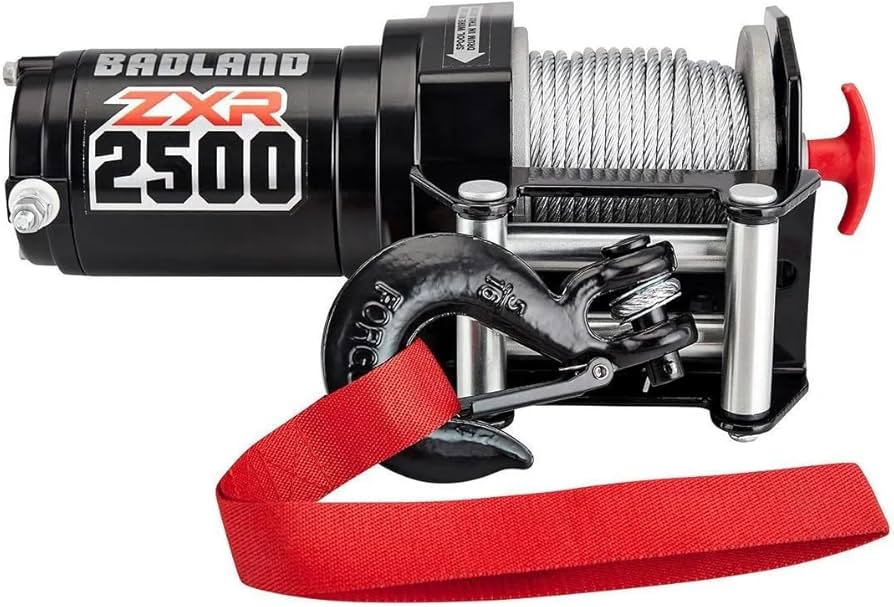
Badland ZXR 2500 lb Electric Winch
Pulling medium to large stumps when mounted on a truck or winch plate.
$80-$100
Badland ZXR 2500 lb Electric Winch Reliable, affordable electric winch with wireless remote for safe operation.
Get the App
Better experience on mobile
Learn the step-by-step process to pull out stubborn tree stumps using a winch, saving time and effort.
Removing a tree stump can be one of the toughest landscaping tasks. You can spend hours digging, chopping, or renting expensive equipment. A winch offers a mechanical advantage to pull the stump cleanly from the ground, making the job faster and less physically demanding. In this advanced guide, you’ll learn the proper techniques to safely winch out a stump, including root cutting, anchoring, and pulling. Expect to spend 2–4 hours depending on stump size and soil conditions. Always prioritize safety—stumps under tension can be dangerous.
Estimated Time: 2–4 hours (depending on stump size and soil) Difficulty: advanced
Examine the stump to estimate its size and root spread. Look for nearby anchor points like a large tree or vehicle. Ensure the winch cable will run in a straight line from anchor to stump without interference. If using a truck, block the wheels and set the parking brake. For soft ground, consider a ground anchor (e.g., screw-in earth anchor).
💡 Tips:
⚠️ Warnings:
Remove loose dirt, rocks, and vegetation around the stump. Use a shovel to dig a trench about 12–18 inches deep around the perimeter. This exposes the lateral roots, which you'll need to cut. For taproots, you may need to dig a bit deeper on one side.
💡 Tips:
Use a chainsaw or axe to sever the thick lateral roots that anchor the stump sideways. Cut as far from the stump as possible, but avoid cutting the taproot (the main root going straight down) if you plan to pull the entire stump. Cutting lateral roots reduces the force needed for extraction.
💡 Tips:
⚠️ Warnings:
Wrap a heavy-duty chain or tree strap around the stump as low as possible (near ground level). Use a choker hitch or loop the strap around and secure with a shackle. Make sure the attachment is snug and centered so the pull is even. If the stump is irregular, use two chains to distribute load.
💡 Tips:
⚠️ Warnings:
Place the winch at the chosen anchor point. For manual winches, bolt or strap it to a tree or use a tow-hitch receiver. For electric winches, mount on a winch plate or use a portable winch cradle. Ensure the cable spools evenly and the hook is properly set on the chain/strap.
💡 Tips:
⚠️ Warnings:
Slowly winch in the cable to take up slack. Apply steady tension until the stump begins to move. If using a manual winch, use a smooth, continuous motion. As the stump tilts, watch for roots snapping. Continue pulling until the stump is fully uprooted. You may need to stop and cut more roots if it gets stuck.
💡 Tips:
⚠️ Warnings:
Once the stump is out, it may still be attached to the taproot. Use an axe or saw to free it. For large stumps, you may need to reposition the winch for a second pull from a different angle. After removal, inspect the hole and remove any remaining large roots.
💡 Tips:
Problem: Winch stalls or cannot pull the stump.
Solution: Stop pulling. Cut more lateral roots, especially thick ones. Check winch capacity vs stump size; consider using a snatch block for double line pull.
Problem: Cable snaps under load.
Solution: Immediately release tension from the winch. Wear heavy gloves and stay clear. Replace cable with one rated for the winch. Never stand in line with cable.
Problem: Stump only rocks but doesn't come out.
Solution: Dig deeper to expose the taproot and cut it with a chainsaw (if safe) or use a reciprocating saw. Then try winching again.
Problem: Anchor point moves or is pulled over.
Solution: Use a larger tree or install a ground anchor (screw-in type). For vehicles, use wheel chocks and engage parking brake; a heavier vehicle may be needed.
Reliable, affordable electric winch with wireless remote for safe operation.
Best for: Pulling medium to large stumps when mounted on a truck or winch plate.
Price Range: $80-$100
Versatile manual winch that requires no power source; ideal for remote areas.
Best for: Pulling small to medium stumps, or as a backup to electric winches.
Price Range: $40-$60
Heavy-duty strap with a 30,000 lb break strength; protects trees and prevents cable damage.
Best for: Wrapping around stump or anchor tree to distribute load and protect bark.
Price Range: $25-$35
Lightweight yet powerful chainsaw for cutting roots and stumps.
Best for: Cutting lateral roots before winching, or trimming the stump after removal.
Price Range: $300-$400
For stumps too large or deeply rooted to winch; grinds stump below grade.
Best for: When winching fails or is unsafe, this grinder removes the stump quickly.
Price Range: $1,000-$1,200
Pulling medium to large stumps when mounted on a truck or winch plate.
Badland ZXR 2500 lb Electric Winch Reliable, affordable electric winch with wireless remote for safe operation.
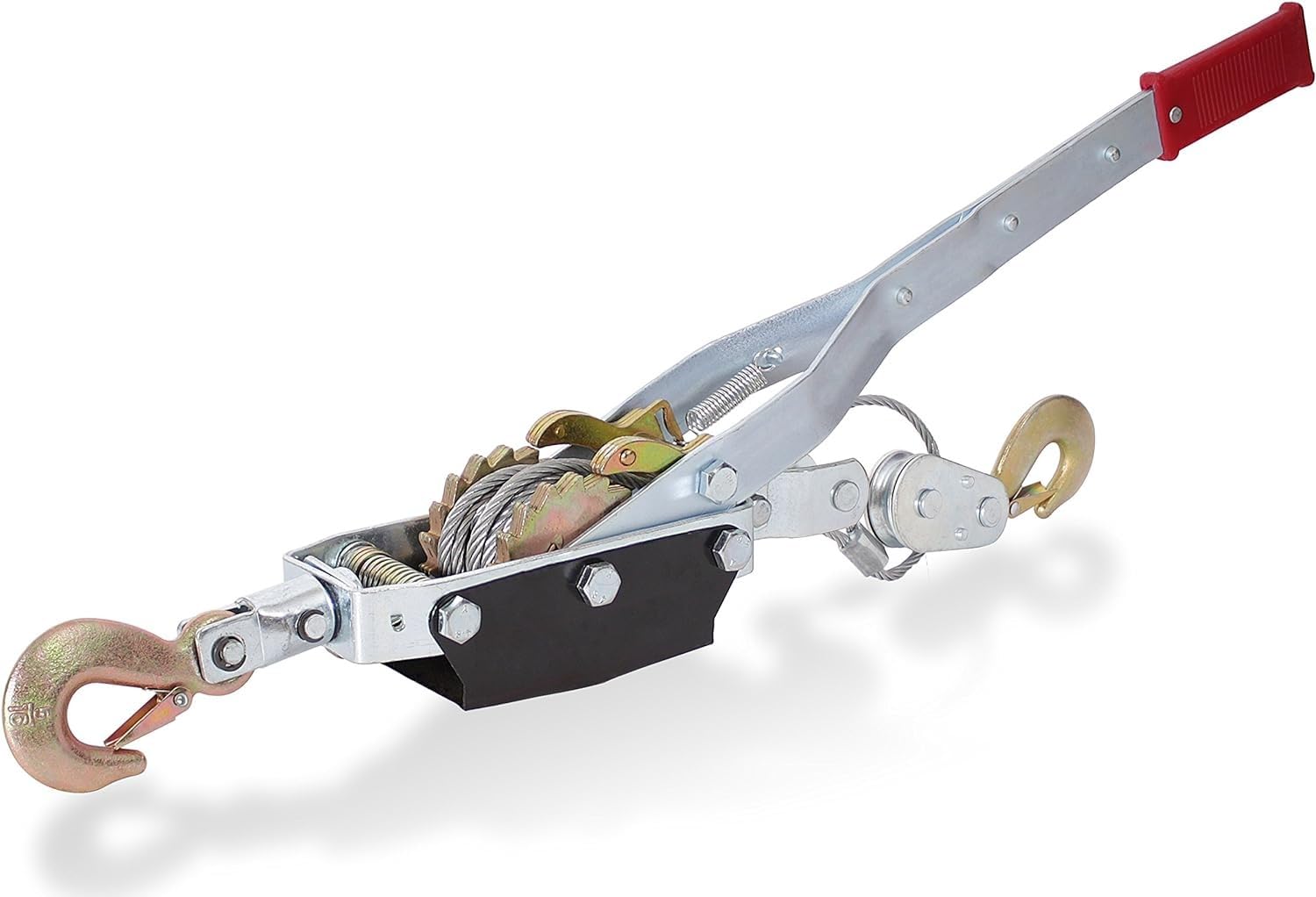
Pulling small to medium stumps, or as a backup to electric winches.
Titan 4000 lb Capacity Hand Winch (Come-Along) Versatile manual winch that requires no power source; ideal for remote areas.
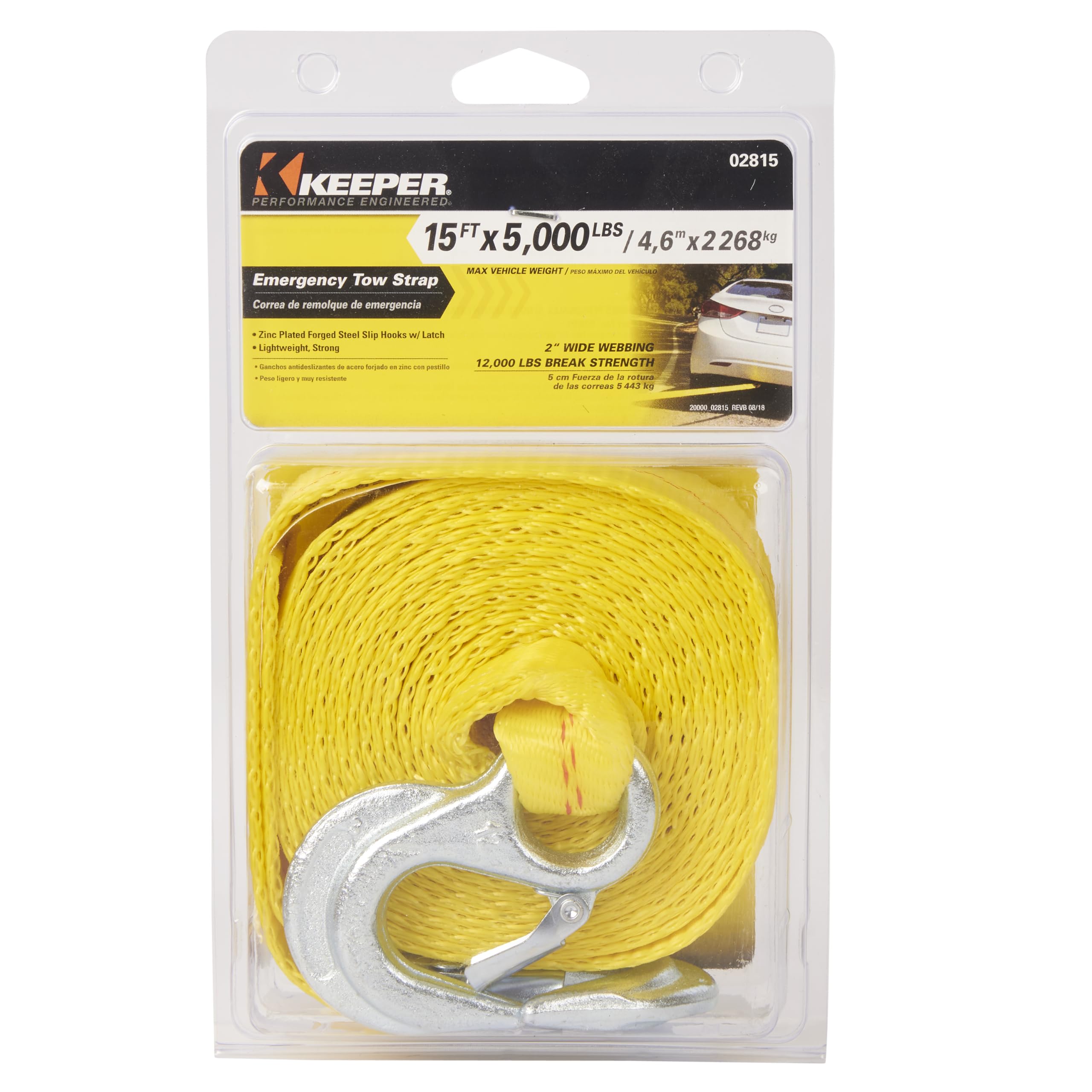
Wrapping around stump or anchor tree to distribute load and protect bark.
Keeper 15 ft Recovery Tow Strap with Loops Heavy-duty strap with a 30,000 lb break strength; protects trees and prevents cable damage.
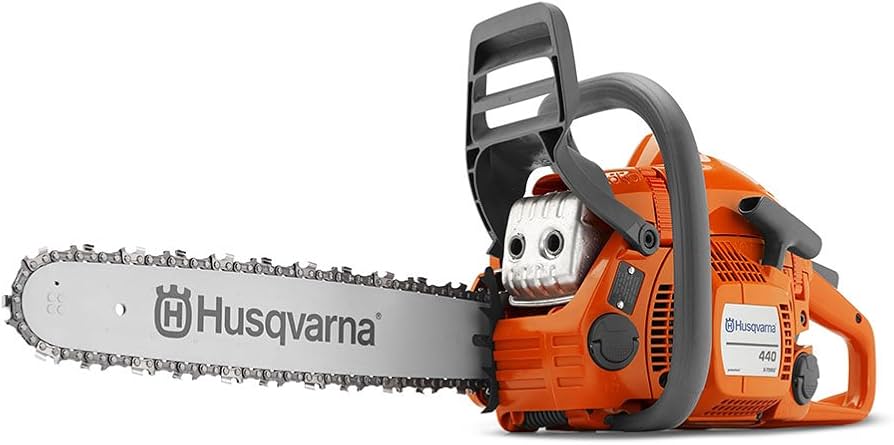
Cutting lateral roots before winching, or trimming the stump after removal.
Husqvarna 440e II Gas Chainsaw Lightweight yet powerful chainsaw for cutting roots and stumps.
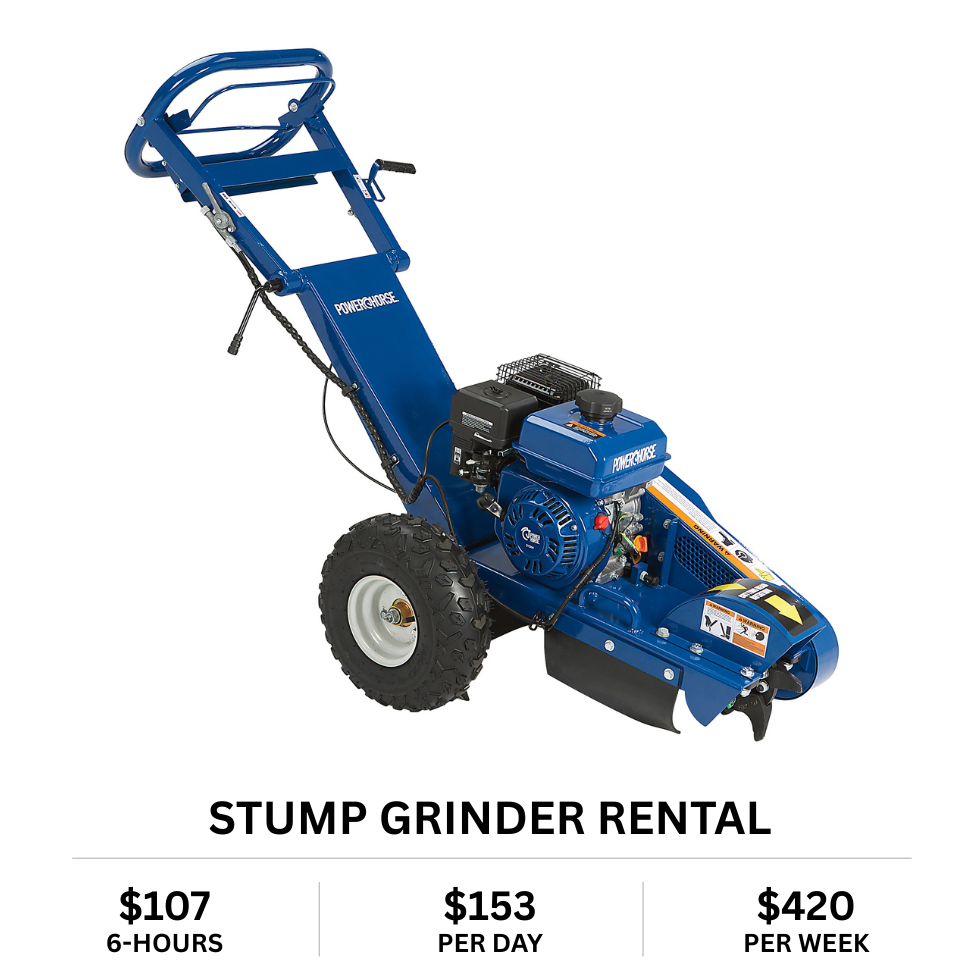
When winching fails or is unsafe, this grinder removes the stump quickly.
XtremepowerUS 7 HP Stump Grinder (Optional) For stumps too large or deeply rooted to winch; grinds stump below grade.