Ticks are more than just a nuisance—they can transmit serious diseases like Lyme disease, ehrlichiosis, and anaplasmosis to your dog. Finding a tick on your furry friend can be alarming, but with the right technique and tools, you can remove it quickly and safely at home. This guide will walk you through the safe removal process, what to do afterward, and how to prevent future bites. No special skills are required—just patience and the right supplies.
▸What You'll Need
- •Fine-tipped tweezers or a tick removal tool (e.g., Tick Key, Tick Twister)
- •Disposable gloves
- •Rubbing alcohol (70% isopropyl) or antiseptic wipes
- •Small container with a lid (to save the tick)
- •Treats to reward your dog
- •Magnifying glass (optional, to check for mouthparts)
- •Antibiotic ointment (optional, for aftercare)
Estimated Time: 5-10 minutes
Difficulty: beginner
▸Step-by-Step Instructions
Step 1: Prepare Your Tools and Calm Your Dog
Gather all necessary supplies so you don't have to search while holding your dog. Find a well-lit area. Calm your dog with gentle petting and treats. If your dog is anxious, have a second person help hold them still. A calm dog makes the process safer and faster.
💡 Tips:
- •Use peanut butter or a favorite treat to distract your dog during removal.
- •If your dog won't stay still, consider using a grooming lead or having a helper.
⚠️ Warnings:
- •Do not rush—stress can make your dog squirm, increasing the risk of leaving mouthparts behind.
Step 2: Put on Disposable Gloves
Wear gloves to protect yourself from any pathogens the tick might carry. Although the tick is on your dog, ticks can carry bacteria that infect humans too. If you don't have gloves, use a tissue or paper towel as a barrier.
💡 Tips:
- •Nitrile or latex gloves work best. Keep a pair in your pet first aid kit.
⚠️ Warnings:
- •Avoid bare-handed contact—diseases like Lyme can be transmitted through breaks in your skin.
Step 3: Part Your Dog's Fur to Expose the Tick
Use your fingers or a comb to gently part the fur around the tick. This gives you a clear view of where the tick's head is attached. Make sure you can see the tick's body and the skin underneath.
💡 Tips:
- •If the tick is in a matted area, carefully trim the fur with rounded scissors to see better.
⚠️ Warnings:
- •Do not pull or tug the fur—you might accidentally pull the tick or cause pain.
Step 4: Position the Tweezers or Tool Close to the Skin
Hold the tweezers parallel to the skin. Grasp the tick as close to the skin's surface as possible—this is where the tick's mouthparts are embedded. If using a tick removal tool like a Tick Key, slide the notch over the tick until it's flush with the skin.
💡 Tips:
- •Fine-tipped tweezers work best. Avoid blunt or wide tweezers that might crush the tick.
- •For a Tick Twister, choose the appropriate size slot for the tick.
⚠️ Warnings:
- •Do not grasp the tick by its body—squeezing the body can force infected fluids into the dog.
Step 5: Pull Upward with Steady, Even Pressure
Pull straight upward without twisting or jerking. Use a slow, steady motion. The tick will eventually release its hold. You may feel a slight pop as the mouthparts come free. Do not hurry.
💡 Tips:
- •If using a tick removal tool, follow the instructions—most require a twisting or scooping motion. For tweezers, straight pull is best.
- •Count to 10 while pulling gently—if it doesn't come, increase pressure slightly.
⚠️ Warnings:
- •Never twist or jerk the tick—this can break off the mouthparts and leave them embedded.
- •Do not apply home remedies like petroleum jelly, alcohol, or heat before removal—they can cause the tick to regurgitate.
Step 6: Check That the Entire Tick is Removed
After removal, examine the tick and the bite area. Use a magnifying glass if needed. The tick should have intact mouthparts. On your dog, you should see a small red dot where the tick was. If black specks remain, mouthparts are still inside.
💡 Tips:
- •If you see mouthparts, try to remove them with the tweezers or a sterile needle. If you can't, consult your vet.
- •Save the tick in a container of rubbing alcohol for identification if your dog gets sick.
⚠️ Warnings:
- •If the head breaks off and you can't remove it, don't dig aggressively—infection may develop, but your vet can handle it.
Step 7: Clean the Bite Area and Your Hands
Disinfect the bite site with rubbing alcohol or an antiseptic wipe. Apply a small amount of antibiotic ointment if desired (check with your vet first). Wash your hands thoroughly with soap and water, even if you wore gloves. Clean the tweezers or tool with alcohol.
💡 Tips:
- •Use a cotton ball with alcohol to gently dab the area. Avoid rubbing vigorously.
- •Keep the area clean and watch for signs of infection over the next few days.
⚠️ Warnings:
- •Do not use hydrogen peroxide—it can damage tissue and slow healing.
- •If the area becomes red, swollen, or oozes, contact your vet.
Step 8: Dispose of the Tick
Place the tick in a container with rubbing alcohol to kill it. Do not crush it with your fingers. Seal the container. You can also flush it down the toilet or put it in a sealed bag in the trash.
💡 Tips:
- •Label the container with the date and location found. Keep it for 30 days in case your dog shows symptoms.
- •If you don't want to save it, submersing in alcohol for a few minutes ensures it's dead.
⚠️ Warnings:
- •Never crush a tick with your bare hands—it can release infectious fluids.
- •Do not throw it alive in the trash—it might crawl out.
Step 9: Monitor Your Dog for Symptoms
Over the next few weeks, watch for signs of tick-borne disease: lethargy, fever, lameness, loss of appetite, swelling at bite site, or joint pain. Early detection is key. If you saved the tick, your vet can test it for pathogens.
💡 Tips:
- •Keep a journal of any changes in your dog's behavior or appetite.
- •Some diseases take weeks to appear—monitor for at least 30 days.
⚠️ Warnings:
- •If your dog shows any of these symptoms, see your vet immediately. Do not wait.
- •Even if you removed the tick quickly, disease transmission is still possible.
Step 10: Reward Your Dog
Give your dog plenty of praise, treats, and extra love. The removal process can be stressful, so end on a positive note. This also reinforces good behavior for future handling.
💡 Tips:
- •Offer a special treat or a favorite toy.
- •Spend a few minutes playing or cuddling to help both of you relax.
▸Pro Tips
- •Keep a tick removal kit ready: fine-tipped tweezers, gloves, alcohol wipes, and a small jar. Store it in your dog's leash area.
- •Check your dog for ticks daily after walks in wooded or grassy areas. Ticks can be as small as a poppy seed (nymphs).
- •Use a tick prevention product recommended by your vet—such as oral chews or topical treatments—to reduce the chance of bites.
- •If you live in a high-tick area, consider a tick collar for additional protection.
- •Learn to identify common tick species (deer tick, lone star tick, dog tick) so you know which diseases they might carry.
- •After outdoor activities, brush your dog thoroughly and inspect hidden areas: between toes, under collar, around ears, and in armpits.
▸Common Mistakes to Avoid
- •Squeezing the tick's body: This can inject infected saliva or blood into your dog. Always grasp as close to the skin as possible.
- •Using petroleum jelly, nail polish, or heat: These methods can cause the tick to regurgitate, increasing disease risk, and they often don't work.
- •Twisting or jerking the tick: This can break off the mouthparts, leading to infection or a foreign body reaction.
- •Not cleaning the bite area: Leaving the site uncleaned can lead to local infection. Always disinfect.
- •Discarding the tick without saving it: If your dog gets sick, knowing the tick type helps the vet choose the right tests.
▸Troubleshooting
Problem: The tick's head broke off and remains in the skin.
Solution: Try to remove the remaining mouthparts with a sterile needle or tweezers. If you can't, clean the area and monitor for infection. Contact your vet if redness or swelling develops.
Problem: The tick won't come out with steady pressure.
Solution: Check that you are gripping as close to the skin as possible. If using a tool, ensure it's properly positioned. Do not yank. If it still won't budge, seek veterinary help.
Problem: Your dog is extremely agitated and won't stay still.
Solution: Have a second person hold the dog securely or use a gentle restraint. If possible, muzzle the dog if it might bite. If removal is too stressful, consider taking your dog to the vet.
Problem: The bite area becomes red, swollen, or starts oozing days later.
Solution: This could indicate infection or a retained tick part. Clean the area and apply a warm compress. See your vet for evaluation and possible antibiotics.
Tick Key Removal Tool
Small, portable, and easy to use—slips over the tick and removes it with a simple scooping motion without squeezing the body.
Best for: Ideal for removing ticks from dogs, cats, and even people. Great for keeping in a first-aid kit or on a keychain.
Price Range: $8-$15
Fisherbrand Fine-Tip Tweezers
Precision tips allow you to grasp the tick exactly at the skin surface without pinching the dog's skin.
Best for: Best for experienced users or when a tick removal tool is not available. Also useful for splinters and other debris.
Price Range: $5-$20
Nitrile Disposable Gloves
Protect your hands from contact with tick fluids and reduce the risk of disease transmission.
Best for: Essential for any tick removal. Also useful for wound care and general pet first aid.
Price Range: $10-$25 (box of 100)
BZK Antiseptic Towelettes
Individually wrapped, alcohol-free wipes that disinfect the bite area without stinging. Safe for dogs.
Best for: Use immediately after tick removal to clean the site and prevent infection. Convenient for on-the-go.
Price Range: $6-$12
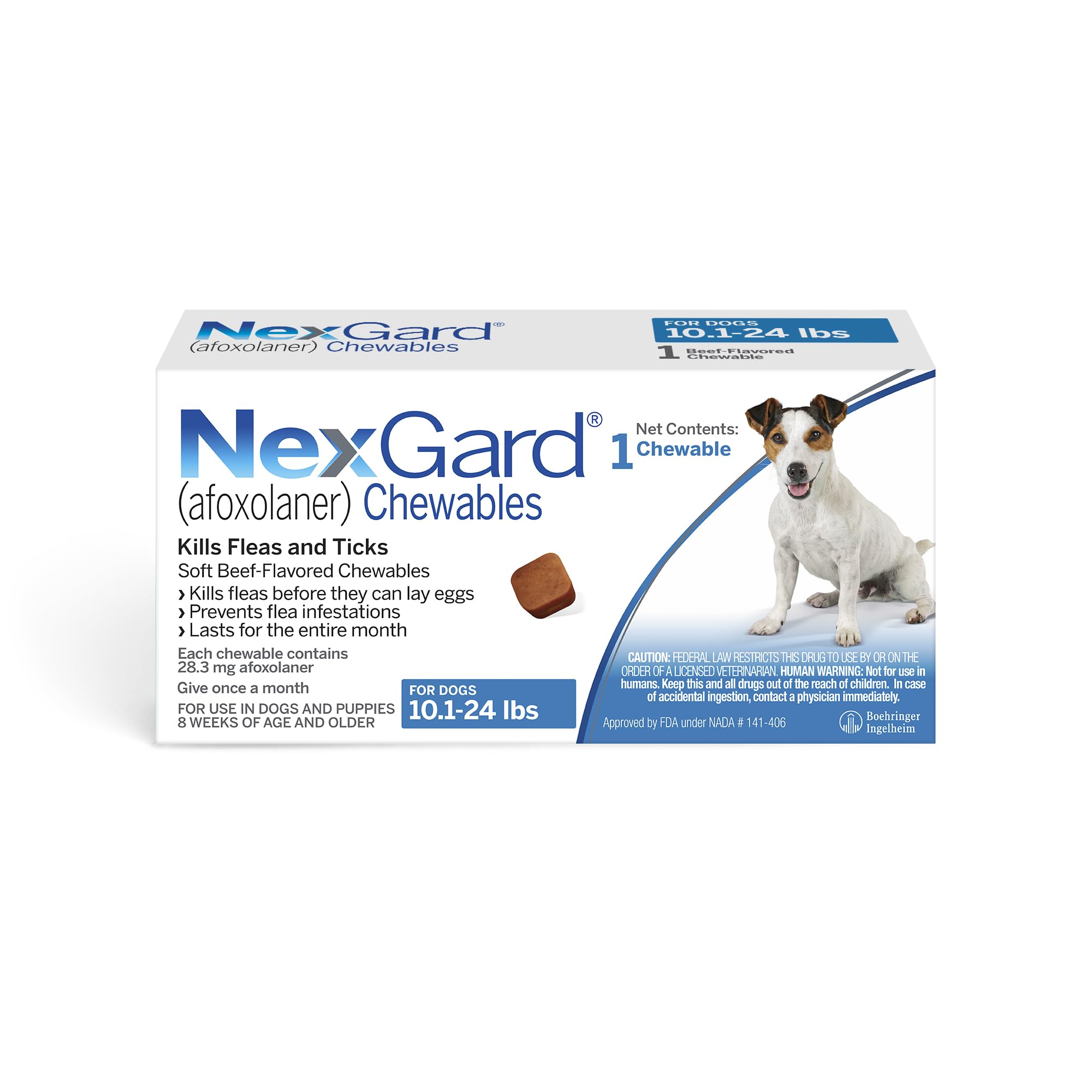
NexGard Chewables (Afoxolaner)
Oral tick preventive that kills ticks quickly after they bite, reducing disease transmission risk.
Best for: Monthly treatment for dogs to prevent tick infestations and lower the chance of tick-borne illness.
Price Range: $50-$90 per 6-month supply