A stripped Allen wrench bolt—also known as a hex socket screw with a rounded-out drive—can bring any project to a frustrating halt. Whether the bolt was over-torqued, corroded, or made from soft metal, the smooth internal hex means your Allen key can no longer grip. For advanced DIYers and professionals, this guide covers reliable methods to extract even the most stubborn stripped bolts. Expect to use a mix of simple tricks and specialized tools; success often comes from progressing through methods in order of invasiveness. You'll learn how to select the right extractor, when to apply heat, and how to avoid damaging the surrounding material.
▸What You'll Need
- •Set of metric and SAE Allen keys (hex keys or bits)
- •Rubber band (large, thick) or piece of latex glove
- •Torx (star) bit that is slightly larger than the stripped hex socket
- •Thread-locking compound (medium strength) or epoxy (optional)
- •Left-handed drill bit set (preferably cobalt or carbide)
- •Screw extractor set (spiral flute or square taper type)
- •Hammer (ball-peen or dead blow)
- •Electric drill or impact driver
- •Penetrating oil (e.g., WD-40 Specialist, PB Blaster, or Kroil)
- •Heat source (butane torch or heat gun)
- •Allen wrench socket set (hex socket) for impact use
- •Vise or clamp to secure the work
- •Safety glasses and gloves
Estimated Time: 15–45 minutes depending on bolt severity and chosen method
Difficulty: advanced
▸Step-by-Step Instructions
Step 1: Assess the Bolt and Clean the Socket
Begin by examining the stripped bolt. Determine the original hex size; if the socket is round but not collapsed, you can likely salvage it with minimal force. Clean out any debris, rust, or thread-locker residue using a pick or compressed air. Apply penetrating oil around the bolt threads and let it sit for 5–10 minutes. This is crucial for reducing friction and preventing further damage during extraction.
Why it matters: Proper cleaning and lubrication greatly increase your chance of success with the least invasive methods. Skipping this step often causes the bolt to seize even more.
Image description: A close-up photo of a stripped hex socket bolt with a dirty, rounded interior, next to a clean version with penetrating oil applied.
💡 Tips:
- •Use a fine wire brush or brake cleaner to remove stubborn deposits.
- •Warm the bolt with a heat gun before applying oil to improve penetration.
⚠️ Warnings:
- •Never use a punch or chisel on the bolt head without protecting the surrounding surface.
Step 2: Try the Rubber Band Trick
Place a thick rubber band or a piece of latex glove over the stripped socket. Insert the correct size Allen key (or hex bit) and push firmly while turning counterclockwise. The rubber fills the gaps and provides temporary grip. This works best on bolts that are not completely rounded.
What to expect: If the bolt turns, finish removing it with the rubber band still in place. If the key spins, remove the rubber and proceed to a more aggressive method.
Image description: A hand holding an Allen key inserted into a bolt head covered with a rubber band.
💡 Tips:
- •Use a larger rubber band (like one from a broccoli bunch) for better bite.
- •Apply downward pressure as you turn to maximize friction.
⚠️ Warnings:
- •This method may fail on bolts with very shallow sockets or severe damage.
Step 3: Hammer in a Torx Bit
Select a Torx (star) bit that is one size larger than the original hex opening. The Torx bit should be tight enough that you must hammer it in. Place the bit into the socket and tap it firmly with a hammer until it is fully seated. Then use a ratchet or impact driver to turn counterclockwise.
Why this works: The sharp flutes of the Torx bit dig into the soft metal of the stripped hex, creating new purchase points. This is one of the most effective non-destructive methods.
Image description: A Torx bit being hammered into a stripped hex bolt using a ball-peen hammer.
💡 Tips:
- •If the Torx bit bottoms out in the socket, add a thin spacer or use a longer bit.
- •For very hard bolts, heat the area first to soften the metal slightly.
⚠️ Warnings:
- •Avoid using a chrome vanadium Torx bit; a hardened S2 steel or impact-rated bit is recommended.
- •Hammer blows can damage threads if not properly supported.
Step 4: Use Weld a Nut (for Exposed Bolts)
If the bolt head protrudes above the surface, weld a nut onto it. Place a steel nut of similar size over the bolt head. Use a MIG or stick welder to fill the center of the nut, joining it to the bolt. Let it cool, then turn the nut counterclockwise with a wrench. The weld provides a solid new drive surface.
What to expect: This is a last-resort method that often works when everything else fails. The heat from welding also helps break thread-locker bonds.
Image description: A nut welded onto a bolt head with visible weld beads, and a wrench about to turn it.
💡 Tips:
- •Clean the bolt head thoroughly before welding to avoid porosity.
- •Use a nut with a slightly larger inner diameter than the bolt head.
⚠️ Warnings:
- •Welding can damage nearby paint, electronics, or plastic components.
- •Only attempt if you are experienced with welding; otherwise, seek professional help.
Step 5: Drill a Pilot Hole and Use a Screw Extractor
When the above methods fail, it's time for a screw extractor. Start by center-punching the exact center of the bolt (if it's still proud). Drill a pilot hole using a left-handed drill bit—the left-hand rotation often backs the bolt out while drilling. Once the pilot hole is deep enough, insert a spiral flute or square taper extractor, tap it in, and turn it counterclockwise with a tap handle or ratchet.
Why left-handed bits? They can catch the bolt and unscrew it as you drill, saving you a step.
Image description: A drill with a left-handed bit creating a pilot hole in the center of a rounded bolt, then an extractor seated in the hole.
💡 Tips:
- •Use a drill stop or tape on the bit to avoid drilling too deep and damaging threads.
- •Apply steady, moderate pressure; let the bit cut without forcing.
- •For very hard bolts, use a carbide-tipped drill bit.
⚠️ Warnings:
- •Extractors are brittle; do not apply excessive torque or they may snap.
- •If the extractor breaks, removal becomes significantly more difficult.
Step 6: Drill Out the Bolt Completely (Absolute Last Resort)
If the extractor fails or the bolt is mangled beyond hope, you may need to drill out the entire bolt. Use a drill bit matching the thread's minor diameter (below 1/16" under the thread root). Drill straight through the center of the bolt, then use a tap to clean the threads. Alternatively, use a reverse thread tap to chase the original threads.
What to expect: This destroys the bolt and requires careful alignment to avoid enlarging the hole. After drilling, you may need a thread repair kit (Heli-Coil) if the threads are damaged.
Image description: A drill aligned perpendicular to the bolt, drilling through its center, followed by a tap being used to clean threads.
💡 Tips:
- •Use progressively larger bits, starting with a small pilot and stepping up.
- •Apply cutting oil to reduce heat and prolong bit life.
⚠️ Warnings:
- •Drilling off-center can ruin the threaded hole; clamp the workpiece securely.
- •This method should only be used when the bolt is not critical (e.g., you can re-tap to a larger size or insert a helicoil).
▸Pro Tips
- •Always start with the least invasive method; you have nothing to lose by trying the rubber band trick first.
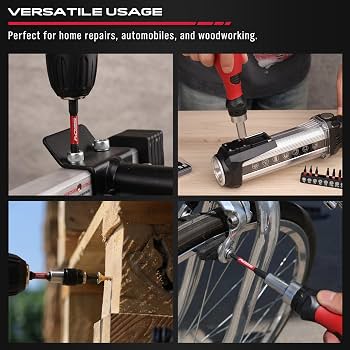
- •Use impact drivers with hex bits—they deliver rotational shock that can break corrosion without stripping the socket further.
- •Apply heat (butane torch) to the bolt head for 30–60 seconds before any extraction attempt; thermal expansion breaks bonds.
- •When using an extractor, tap it in firmly and turn slowly; jerky motions can snap the tool.
- •For bolts in aluminum, use extra caution: aluminum is soft and can gall; consider using a steel bushing or nut method.
- •Keep a set of metric and SAE hex bits in both regular and impact-rated grades; material hardness matters.
- •If the bolt is partially stripped, try using a hex socket (not a key) that is slightly oversized and hammer it on.
▸Common Mistakes to Avoid
- •Using the wrong size Torx bit: too small won't grip; too large can split the bolt head.
- •Applying too much torque with an extractor: it snaps easily. Always use a tap handle or hand wrench initially.
- •Not cleaning the socket before attempting extraction: debris prevents tools from seating properly.
- •Drilling off-center: this leads to a crooked pilot hole, making extraction nearly impossible.
- •Forgetting to apply penetrating oil: even a brief soak can make the difference between success and failure.
▸Troubleshooting
Problem: The extractor bit snapped inside the bolt.
Solution: This is a serious issue. If the extractor is broken flush, try using a carbide burr to grind it out, or drill around it with a diamond bit. Sometimes a left-handed drill can grab the broken piece. If all else fails, the workpiece may need to be replaced or sent to a machine shop.
Problem: The bolt is seized and the head twists off during extraction.
Solution: You now have a stuck stud. Use a stud extractor (reverse threaded collet) or weld a nut onto the broken stud. Alternatively, drill and use a larger extractor for the remaining shaft.
Problem: The bolt is in a blind hole and the socket is completely smooth.
Solution: Try filling the socket with epoxy or thread-locking compound and insert an Allen key. Let it cure fully (24 hours) before turning. This creates a custom-formed key. If that fails, you must drill the bolt out carefully.
Problem: The Torx bit spins inside the stripped socket.
Solution: The bit may be slightly undersized or the socket too shallow. Try a larger Torx bit, or use a hex bit wrapped in thin shim stock (like feeler gauge material) to take up space.
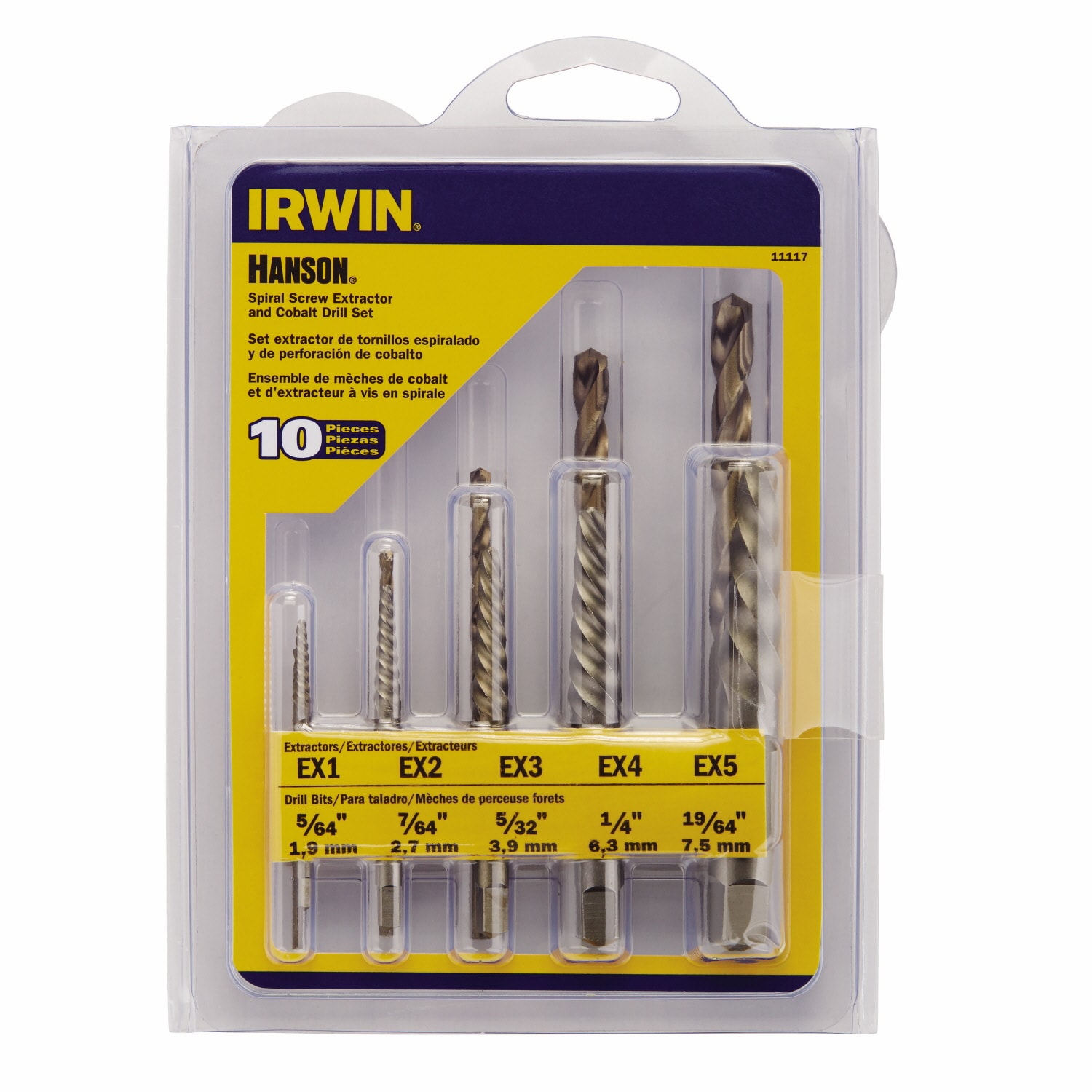
Irwin Hanson Spiral Screw Extractor Set
High-quality spiral flute design bites into the bolt and exerts outward pressure, reducing the chance of flaring the hole. Works on a wide range of sizes.
Best for: General bolt extraction from hard metals
Price Range: $15–$25
CB Tools Proto J2291 Torx Bit Set
Impact-rated S2 steel Torx bits that can withstand hammering and high torque. The sharp flutes are ideal for the 'hammer in a Torx' method.
Best for: Using Torx bits as emergency extractors
Price Range: $20–$35
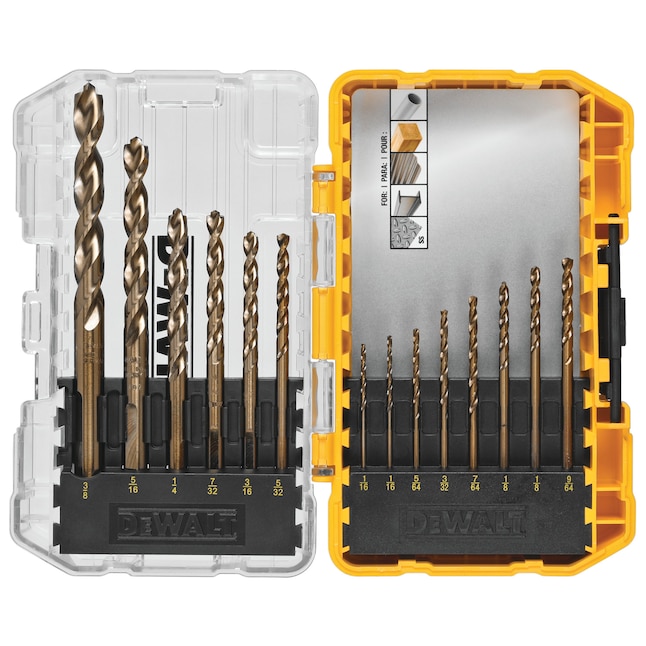
Dewalt DWA1240 Left-Handed Drill Bit Set
Cobalt construction stays sharp and handles heat well. Left-handed spiral often backs out the bolt while drilling, saving you a step.
Best for: Drilling pilot holes for extractors or direct removal
Price Range: $25–$40
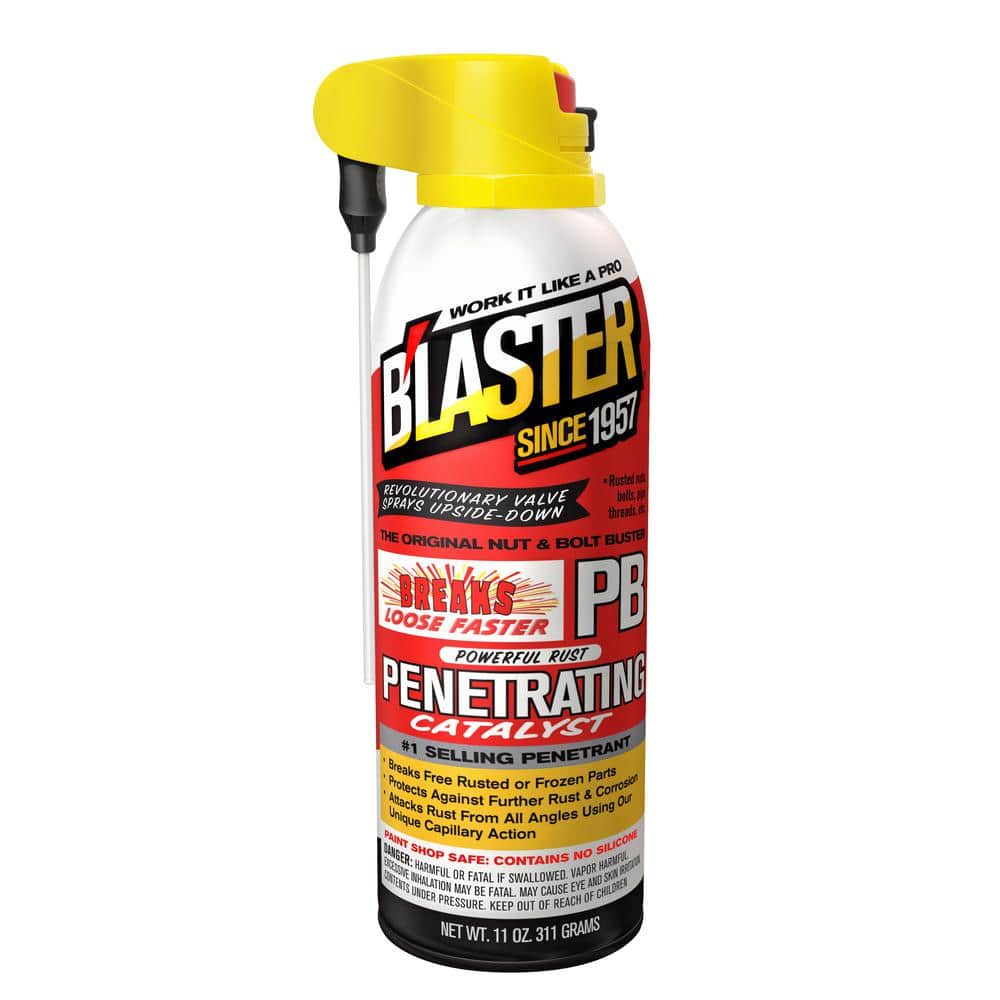
PB Buster Penetrating Oil
One of the most effective penetrants; its proprietary blend creeps into tight spaces and breaks rust and corrosion bonds faster than WD-40.
Best for: Pre-soak before any extraction method
Price Range: $5–$10 per can
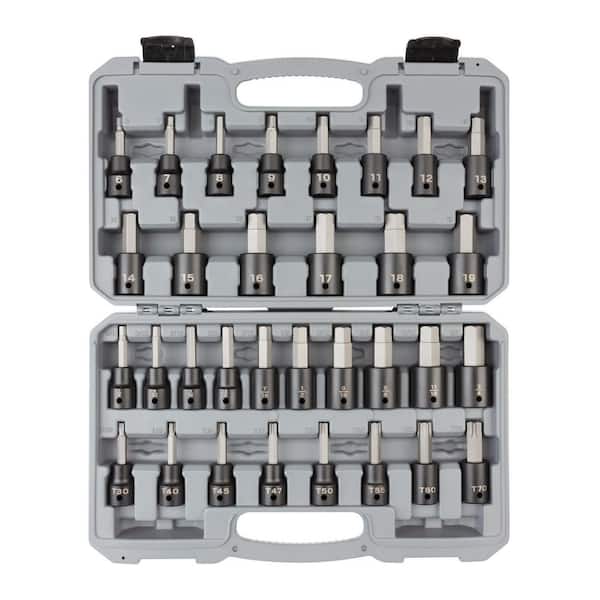
Tekton Hex Key Impact Socket Set
Chrome moly construction with a 6-point hex that grips flats, not corners. Impact-ready for use with drivers. Prevents rounding in the first place.
Best for: Preventative tool for future work; also useful for hammer-on extraction
Price Range: $30–$50