
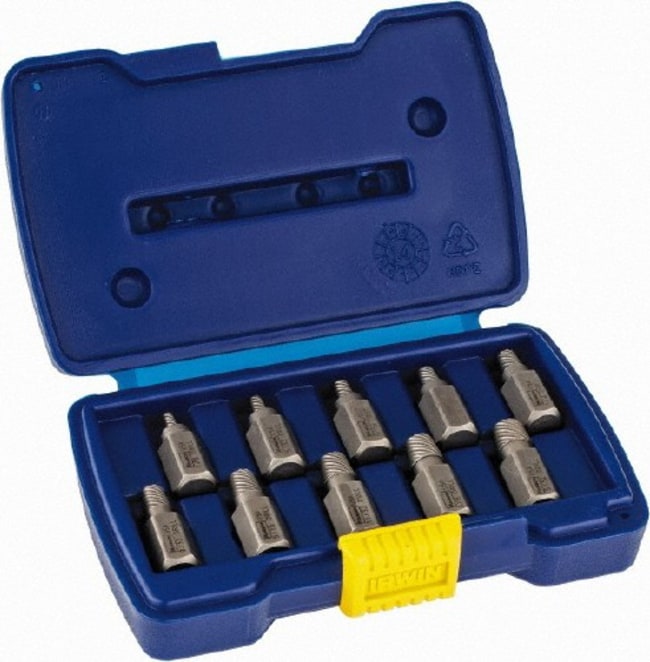
Irwin Hanson Spiral Flute Screw Extractor Set
For extracting broken bolts in aluminum or cast iron engine blocks.
$15–$30
Irwin Hanson Spiral Flute Screw Extractor Set Reliable extractors with a self-tapping design that reduces the risk of breakage.
Get the App
Better experience on mobile
Expert techniques to extract snapped bolts from lawn mower engines without damaging the block.
A broken bolt in your lawn mower engine can bring your mowing season to a grinding halt. Whether it's a sheared-off mounting bolt or a snapped head bolt, extracting it without causing further damage requires the right tools and techniques. This guide covers advanced methods like using spiral flute extractors, welding a nut, and drilling with carbide bits. You'll learn step-by-step how to assess the break, prepare the area, and successfully remove the broken bolt—saving you a trip to the repair shop.
Estimated Time: 1-2 hours (depending on location and condition) Difficulty: advanced
Examine how the bolt broke. If it's flush with the surface or below, you'll need an extractor or welding. If a stub protrudes, you might grab it with locking pliers or weld a nut onto it. Check if the bolt is in a blind hole or a through-hole—this affects drilling depth and chip removal. Also assess the material (steel or hardened?). For hardened bolts, consider carbide bits. Decide on the method: extractor (simplest), welding (most secure), or left-hand drill bit (sometimes backs out on its own).
💡 Tips:
⚠️ Warnings:
Clean the area around the broken bolt with brake cleaner or degreaser. If the break is jagged, use a flat file or die grinder to create a flat, centered dimple. This ensures your center punch won't wander. Use a center punch to create a small indent exactly in the middle of the broken bolt. For a welded nut method, grind the broken end flat and clean it down to bare metal to ensure a solid weld.
💡 Tips:
⚠️ Warnings:
Select a left-hand drill bit slightly smaller than the minor diameter of the bolt. For a 3/8" bolt, use a 5/16" left-hand bit. Apply cutting oil and drill slowly with firm, steady pressure. Left-hand bits sometimes grab and thread the bolt out on their own. If it doesn't back out, continue drilling to the proper depth for your extractor. The pilot hole should be deep enough to allow the extractor to bite (at least 3/4 of the bolt length, but avoid bottoming out).
💡 Tips:
⚠️ Warnings:
Choose a spiral flute extractor that matches the pilot hole size (e.g., an EZ Out set). Tap the extractor gently into the hole using a hammer—it should be snug. Attach a tap handle or T-handle wrench. Turn the extractor counterclockwise (lefty-loosey) with steady, increasing pressure. The flutes will bite into the bolt and (hopefully) back it out. If the bolt doesn't move, apply heat to the area around the bolt to expand the aluminum/cast iron, then try again.
💡 Tips:
⚠️ Warnings:
If the extractor fails or the bolt is flush, welding a nut is often more reliable. Set your welder (MIG or stick) to appropriate settings for the bolt material. Place a nut (slightly larger than the bolt diameter) over the broken end. Weld through the nut's center to fuse it to the bolt. Allow the weld to cool (shrinkage helps break corrosion). Then use a wrench on the nut to turn the bolt out. This works well even on seized bolts.
💡 Tips:
⚠️ Warnings:
Once the bolt is out, inspect the threads in the engine block. Use a thread chaser (not a tap) to clean any debris or slight damage. Chase the threads by hand or with a tap handle. If the threads are heavily damaged, you may need a heli-coil or time-sert thread repair kit. Apply anti-seize compound to the new bolt before reinstallation to prevent future seizing.
💡 Tips:
⚠️ Warnings:
Problem: The extractor broke inside the bolt.
Solution: If the extractor is hardened, you may need to use a carbide burr to grind it out, or have the block electric discharge machined (EDM) professionally. Try welding a nut onto the broken extractor stub if possible.
Problem: The bolt is stuck even after welding a nut.
Solution: Apply more heat to the block around the bolt, then quench the bolt with penetrating oil. Alternate tighten-loosen cycles. If still stuck, consider drilling out the entire bolt and using a thread insert.
Problem: Drilling didn't produce a centered hole.
Solution: Use a small diamond burr to correct the drift, or switch to a larger extractor that can still engage. If the hole is too far off, you may need to oversize and tap for a larger bolt or use a thread repair kit.
Problem: The bolt is in a very tight spot with no room for a drill.
Solution: Use a right-angle drill attachment or a flexible shaft. Alternatively, weld a long nut onto the broken stub and use a crow's foot wrench. Sometimes removing adjacent parts (e.g., the engine shroud) provides access.
Reliable extractors with a self-tapping design that reduces the risk of breakage.
Best for: For extracting broken bolts in aluminum or cast iron engine blocks.
Price Range: $15–$30
Highly effective at creeping into threads and breaking rust/corrosion bonds.
Best for: Apply to the broken bolt and let it soak before extraction.
Price Range: $10–$20
Cobalt steel withstands high temperatures and cuts through hardened bolts.
Best for: Drilling pilot holes; left-hand spiral may back out the bolt automatically.
Price Range: $15–$25
Cleans threads without cutting them, preserving the original thread form.
Best for: Restoring threads after bolt removal.
Price Range: $30–$50
Provides a permanent thread repair for stripped or damaged holes.
Best for: When the original threads are damaged beyond chasing.
Price Range: $50–$80
For extracting broken bolts in aluminum or cast iron engine blocks.
Irwin Hanson Spiral Flute Screw Extractor Set Reliable extractors with a self-tapping design that reduces the risk of breakage.
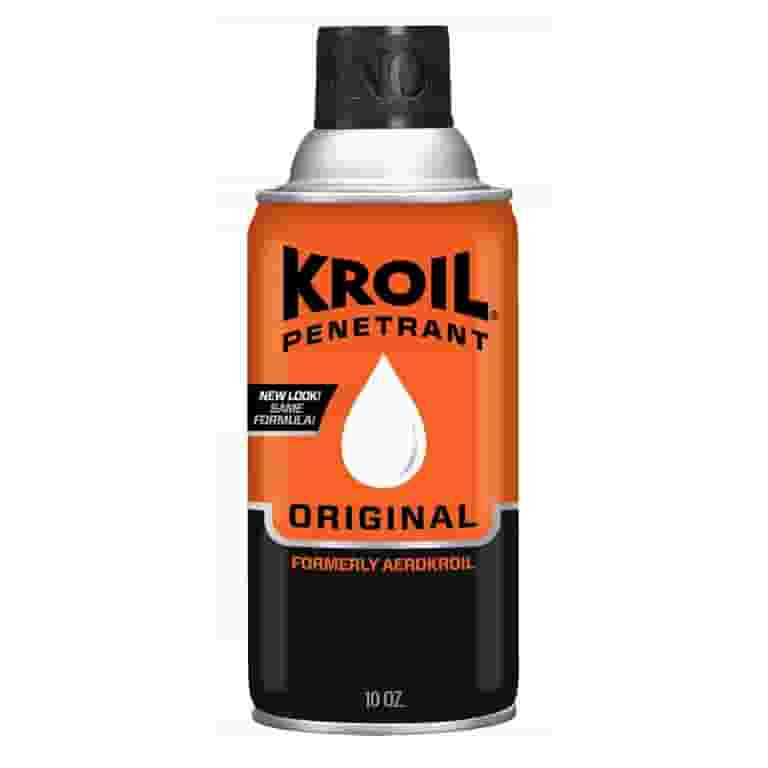
Apply to the broken bolt and let it soak before extraction.
Kroil Penetrating Oil (Aerosol) Highly effective at creeping into threads and breaking rust/corrosion bonds.

Drilling pilot holes; left-hand spiral may back out the bolt automatically.
Neiko Cobalt Left-Hand Drill Bit Set Cobalt steel withstands high temperatures and cuts through hardened bolts.
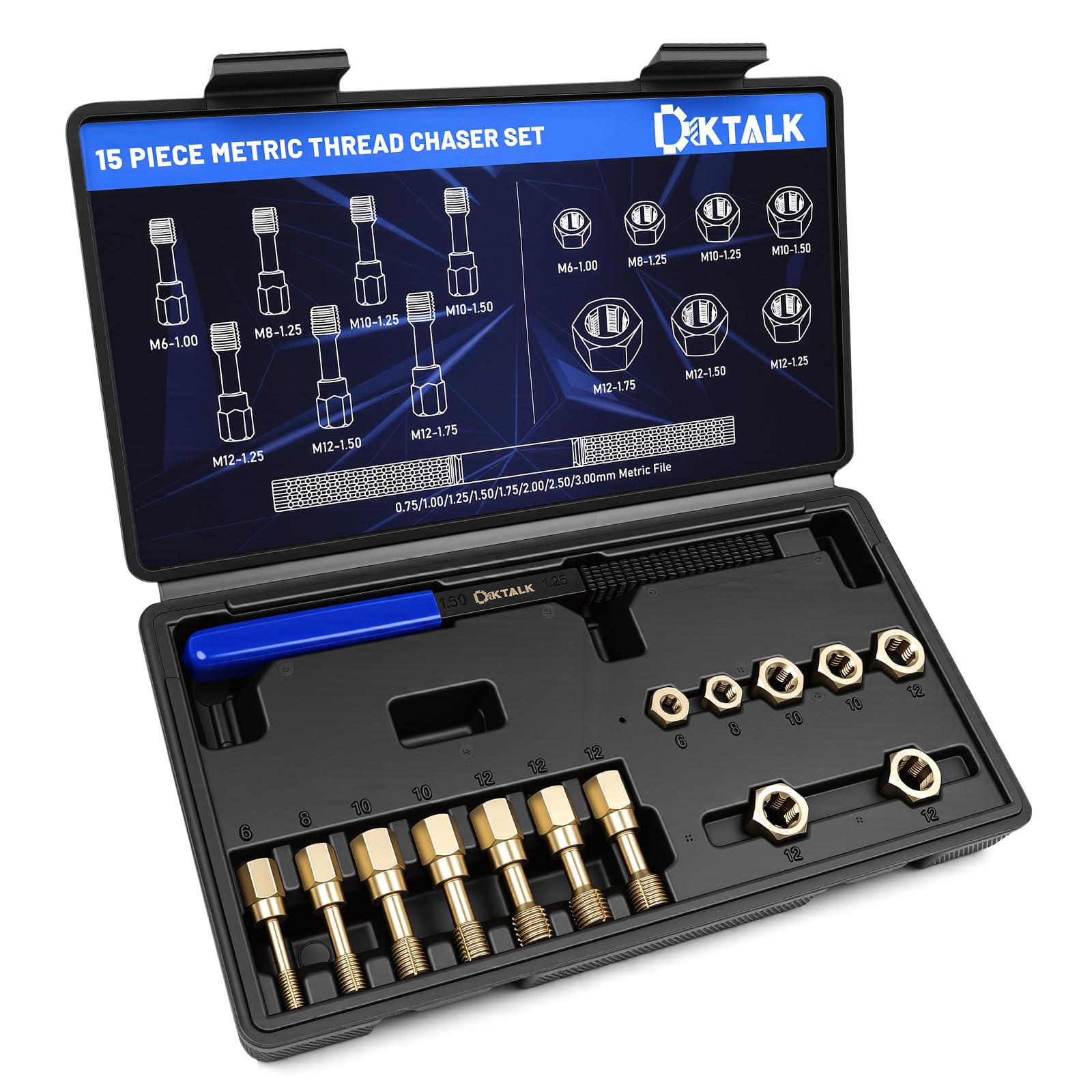
Restoring threads after bolt removal.
OTC 4605 Thread Chaser Set (Metric and SAE) Cleans threads without cutting them, preserving the original thread form.
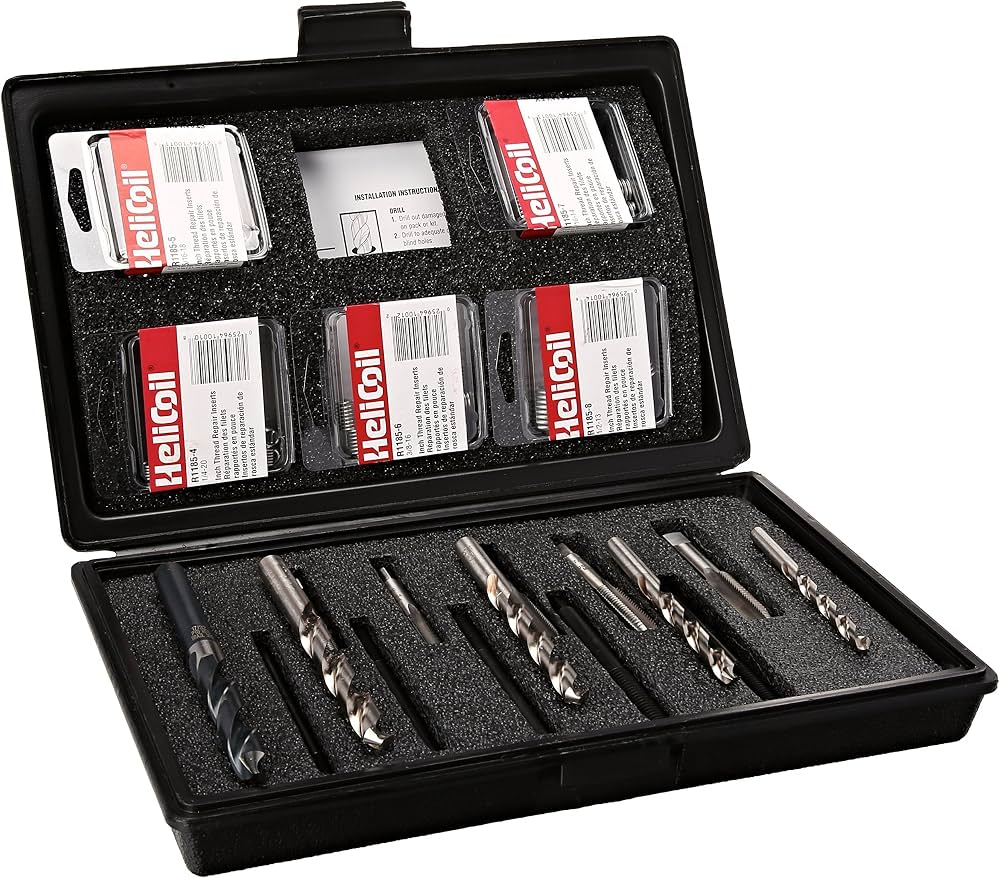
When the original threads are damaged beyond chasing.
Helicoil Thread Repair Kit (Master Assortment) Provides a permanent thread repair for stripped or damaged holes.