
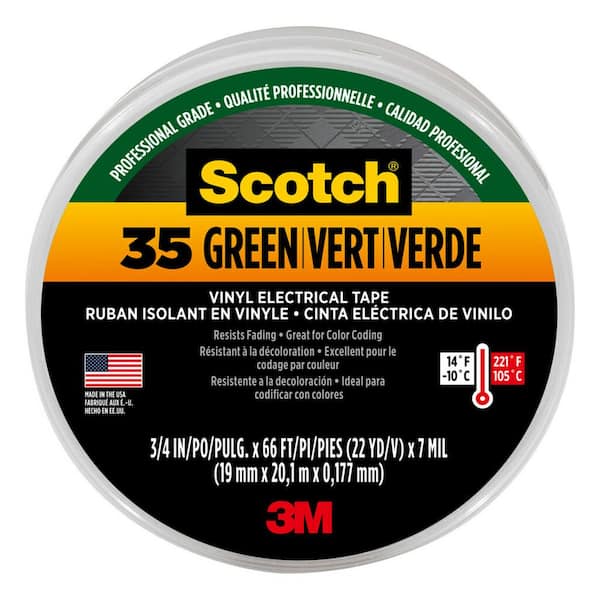
3M Scotch Vinyl Electrical Tape (3/4-in x 66-ft)
Wrapping battery ends before storage/transport.
$6-8
3M Scotch Vinyl Electrical Tape (3/4-in x 66-ft) Perfect non-conductive tape for safely insulating terminals—fire prevention gold standard.
Get the App
Better experience on mobile
Master the safe, step-by-step process to recycle AA batteries, prevent environmental harm, and comply with local laws in just 20 minutes.
Throwing used AA batteries in the trash might seem convenient, but it's a huge no-no. These little powerhouses contain toxic heavy metals like cadmium, mercury, and lithium that can leach into soil and water, harming wildlife and contaminating drinking water. With billions of batteries discarded yearly, proper recycling is crucial for a cleaner planet.
In this beginner-friendly guide, you'll learn how to identify, prepare, and recycle your used AA batteries correctly. Whether they're alkaline, NiMH rechargeables, or lithium, we'll cover it all with simple steps. Expect 20-30 minutes total, including finding a drop-off spot—no special skills needed.
By the end, you'll have your batteries safely recycled, reducing landfill waste and earning eco-hero status.
Estimated Time: 20-30 minutes (plus travel time to recycling center) Difficulty: beginner
Start by checking if your AA batteries are alkaline (single-use), rechargeable NiMH/NiCd, or lithium. Look at the label: alkaline says 'alkaline' or no recharge symbol; rechargeables have 'NiMH', 'NiCd', or recycling symbols; lithium often marked 'Li' or 'lithium'.
Why it matters: Different types have unique recycling rules—rechargeables are hazardous and must be recycled everywhere, while alkaline can sometimes go in trash (but recycling is better).
Success looks like: Batteries sorted into piles by type. Expect most household AAs to be alkaline.
💡 Tips:
⚠️ Warnings:
Use a battery tester to check voltage. Insert the battery—good ones read above 1.2V (NiMH) or 1.5V (alkaline); dead ones below 1.0V.
Why it matters: Partially charged batteries can short-circuit during transport, causing fires or leaks.
Success looks like: Confirmed dead batteries only. Dispose of viable rechargeables in a charger first.
💡 Tips:
⚠️ Warnings:
Cover both positive (+) and negative (-) ends with non-conductive electrical tape (vinyl, not duct tape). Wrap fully to prevent contact.
Why it matters: Exposed terminals can spark or heat up in trash/recycling bins, risking fires—insulation is the #1 safety step.
Success looks like: Each battery mummified in tape, no metal exposed. Test by trying to touch terminals (shouldn't conduct).
💡 Tips:
⚠️ Warnings:
Place taped batteries in a plastic ziplock bag or rigid plastic container. Label it 'Used AA Batteries for Recycling' with date.
Why it matters: Contains leaks and prevents movement during transport.
Success looks like: Bag sealed, no batteries rattling inside.
💡 Tips:
⚠️ Warnings:
Search 'AA battery recycling near me' or visit Call2Recycle.org (for rechargeables), Earth911.com, or check stores like Home Depot, Best Buy, Lowe's, or Staples. Many accept AA batteries free.
Why it matters: Laws vary—e.g., California bans all battery trash disposal.
Success looks like: List of 2-3 nearby spots with hours.
💡 Tips:
⚠️ Warnings:
Wear gloves, place container in trunk (not passenger area), and deliver promptly. Follow center rules—some weigh or scan.
Why it matters: Safe handling prevents accidents en route.
Success looks like: Receipt or confirmation from staff; batteries accepted.
💡 Tips:
⚠️ Warnings:
Ask for recycling proof if available, or note on Call2Recycle app. Switch to rechargeables long-term.
Why it matters: Ensures proper processing into new batteries/materials.
Success looks like: Empty container, good feeling— you've diverted toxins!
💡 Tips:
Problem: Battery is leaking
Solution: Wipe with gloves/vinegar-water, double-tape, recycle ASAP. Don't touch skin.
Problem: No local center found
Solution: Use mail-back via Call2Recycle.org or ship to specialty recyclers like Battery Solutions (prepaid labels available).
Problem: Unsure if recyclable
Solution: Contact Poison Control (1-800-222-1222) or EPA hotline for guidance.
Problem: Batteries get hot in storage
Solution: Separate immediately, cool in fire-safe area, recycle professionally.
Perfect non-conductive tape for safely insulating terminals—fire prevention gold standard.
Best for: Wrapping battery ends before storage/transport.
Price Range: $6-8
Quickly confirms dead batteries, avoiding transport risks and waste.
Best for: Testing before recycling to recharge viable ones.
Price Range: $8-12
Reduces future recycling needs—recharge 2100x, eco-friendly alternative to disposables.
Best for: Replace used AAs to minimize waste long-term.
Price Range: $15-20
Secure storage for dead batteries pre-recycling, includes tester for convenience.
Best for: Home organization to keep taped batteries safe until drop-off.
Price Range: $12-18
Advanced voltage testing for precise confirmation, great for pros.
Best for: Accurate testing of tricky batteries.
Price Range: $50-70
Wrapping battery ends before storage/transport.
3M Scotch Vinyl Electrical Tape (3/4-in x 66-ft) Perfect non-conductive tape for safely insulating terminals—fire prevention gold standard.
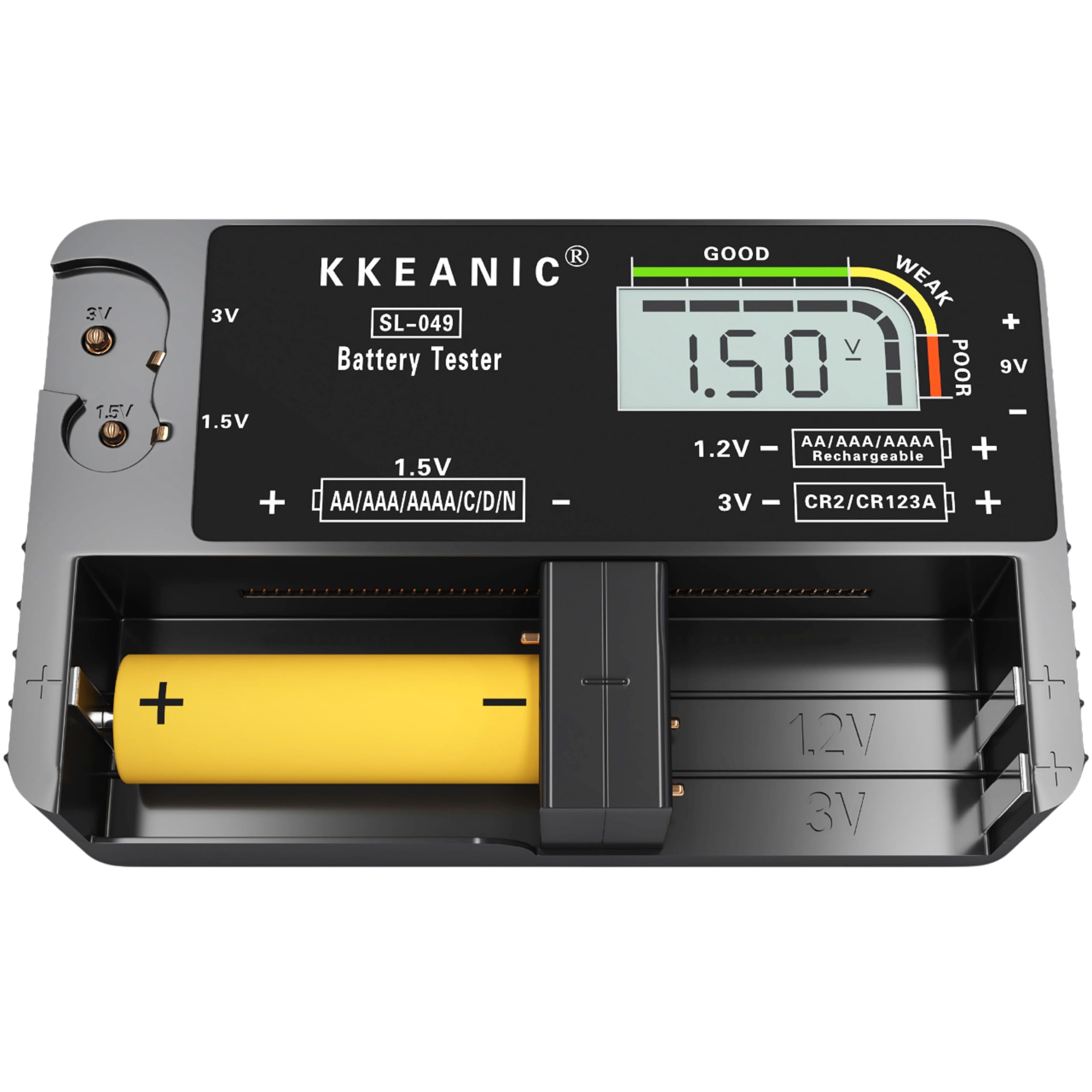
Testing before recycling to recharge viable ones.
Eversame Digital LCD Battery Tester (AA/AAA/C/D/9V) Quickly confirms dead batteries, avoiding transport risks and waste.
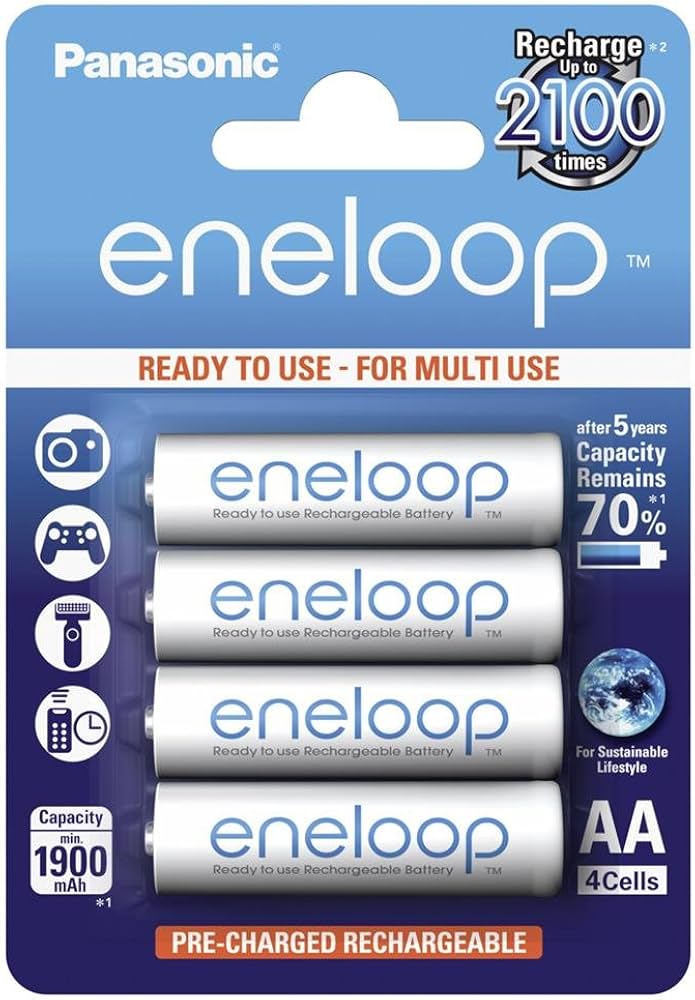
Replace used AAs to minimize waste long-term.
Panasonic Eneloop AA Rechargeable Batteries (4-Pack, 1900mAh) Reduces future recycling needs—recharge 2100x, eco-friendly alternative to disposables.
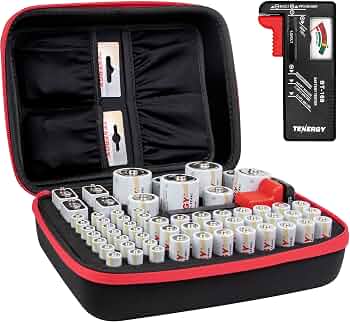
Home organization to keep taped batteries safe until drop-off.
Portage Plastics Battery Organizer with Tester (AA/AAA/C/D) Secure storage for dead batteries pre-recycling, includes tester for convenience.
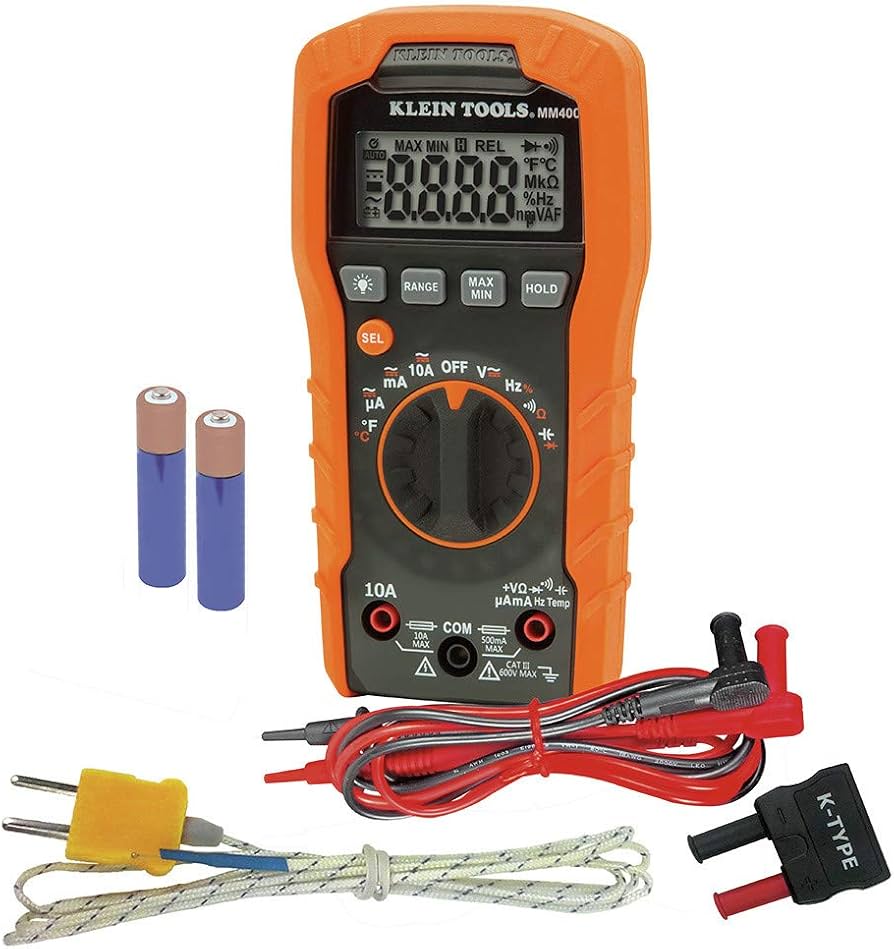
Accurate testing of tricky batteries.
Klein Tools MM400 Digital Multimeter Advanced voltage testing for precise confirmation, great for pros.