
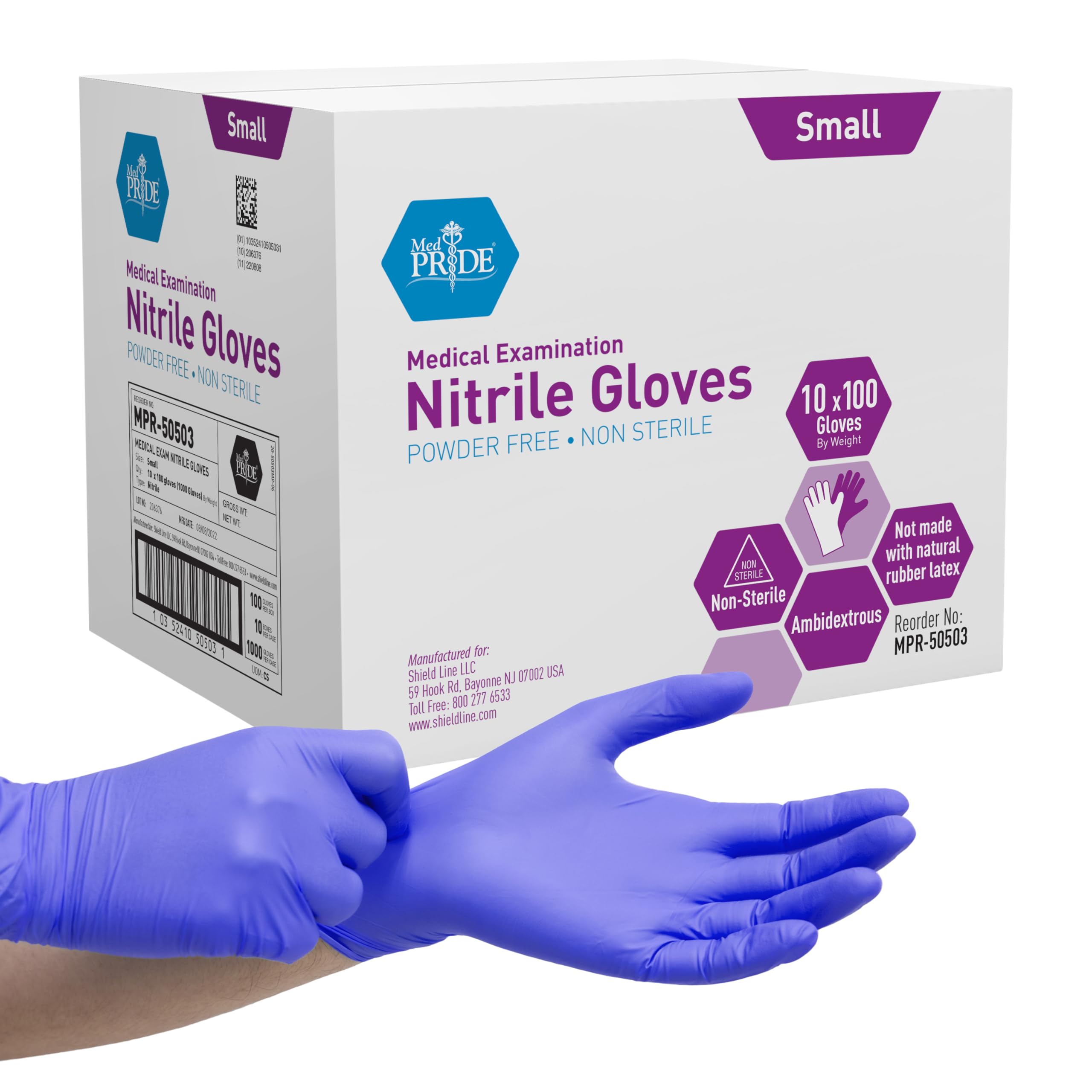
Powder-Free Nitrile Gloves (100-pack)
During removal and prep steps to protect hands.
$12-15
Powder-Free Nitrile Gloves (100-pack) Essential for safe handling without residue transfer or skin contact with chemicals.
Get the App
Better experience on mobile
Safely dispose of used AAAA batteries from hearing aids to protect the environment and comply with regulations in simple steps.
Every year, millions of small batteries like AAAA sizes from hearing aids end up in landfills, leaching toxic chemicals such as mercury and zinc into soil and water. Proper recycling prevents this environmental harm and is often required by law in many areas. As a hearing aid user, knowing how to handle these tiny power sources correctly keeps you safe and contributes to sustainability.
In this guide, you'll learn a complete step-by-step process to remove, store, and recycle AAAA batteries (often zinc-air type like PR-48). Expect a straightforward routine that's safe for intermediate users familiar with basic device handling. The core process takes 15-30 minutes, plus time to reach a recycling site.
We'll cover safety prep, preparation, finding drop-offs via programs like Call2Recycle, and pro tips to avoid fines or hazards.
Estimated Time: 15-30 minutes (plus travel to recycling center) Difficulty: intermediate
Before recycling, verify the AAAA batteries (typically yellow-tabbed zinc-air PR-48) are fully depleted to avoid wasting usable ones.
Pull the tab to activate if new, but for used ones, insert into a battery tester or replace in your hearing aid. If no sound or power after 1-2 minutes, they're ready for recycling. This step matters because partially charged batteries can be reused, saving money and resources.
Success looks like: Tester shows no voltage, or hearing aid fails to power on.
💡 Tips:
⚠️ Warnings:
Turn off your hearing aid by opening the battery door fully. This prevents accidental activation during removal.
Consult your hearing aid manual (or model-specific app) for safe opening—most use a simple slide or flip mechanism. Why it matters: Active batteries can drain or spark if mishandled.
Success looks like: Battery door open, no humming or lights from device.
💡 Tips:
⚠️ Warnings:
Wear nitrile gloves and use tweezers if needed to gently extract the AAAA batteries. Slide them out without touching terminals to other metals.
Zinc-air batteries have exposed terminals that can corrode; handle by edges. Expect tiny size (about 1cm long), so work over a soft surface.
Success looks like: Batteries out, intact, no residue on hands or aid.
💡 Tips:
⚠️ Warnings:
Apply a small piece of electrical tape over the positive (+) terminal of each battery. For zinc-air, cover the air holes lightly if leaking.
This prevents accidental discharge or fire during storage/transport. It's crucial for safety, as shorted batteries can ignite.
Success looks like: Each battery has tape securely covering one end, labeled if multiple.
💡 Tips:
⚠️ Warnings:
Write "Used AAAA Batteries - Recycle" with date on the container using marker. Place taped batteries inside a plastic bag or dedicated case.
Store in a cool, dry place away from kids/pets until drop-off (within 1 month ideal). Why: Proper labeling ensures handlers know contents.
Success looks like: Sealed container with clear label, batteries separated.
💡 Tips:
Visit Call2Recycle.org or BatterySolutions.com, enter ZIP code for AAAA-accepting sites (hearing aid stores, pharmacies like Walgreens, Best Buy, or Staples often take them).
Hearing aid brands like Phonak or ReSound have mail-back programs. Download prepaid label if mailing.
Success looks like: List of 2-3 nearby free drop-offs confirmed.
💡 Tips:
⚠️ Warnings:
Place container in a stable bag, drive/walk to site. Hand over to staff, mention AAAA/hearing aid type.
For mail-back, print label and ship via USPS. Get receipt if available for records.
Success looks like: Confirmation of receipt, empty container, peace of mind.
💡 Tips:
⚠️ Warnings:
Problem: Battery stuck in hearing aid
Solution: Use wooden toothpick gently; if broken, contact audiologist for repair.
Problem: No local drop-off found
Solution: Use mail-back via Call2Recycle or Starkey Hearing mailer; ship in small quantities.
Problem: Leaking battery
Solution: Wipe with vinegar, tape heavily, recycle ASAP; neutralize spill.
Problem: Hearing aid won't open
Solution: Check manual video online; seek pro help if under warranty.
Essential for safe handling without residue transfer or skin contact with chemicals.
Best for: During removal and prep steps to protect hands.
Price Range: $12-15
Quickly confirms dead batteries, preventing premature recycling.
Best for: Step 1 verification for multiple batteries.
Price Range: $8-12
Organized, non-conductive storage prevents shorts and easy transport.
Best for: Steps 5-7 for holding taped batteries securely.
Price Range: $10-20
Prepaid mail-back option for easy home recycling without travel.
Best for: Alternative to drop-off for remote users.
Price Range: $5-10
Reliable for terminal covering, heat-resistant and non-conductive.
Best for: Step 4 to safely insulate batteries.
Price Range: $6-9
During removal and prep steps to protect hands.
Powder-Free Nitrile Gloves (100-pack) Essential for safe handling without residue transfer or skin contact with chemicals.
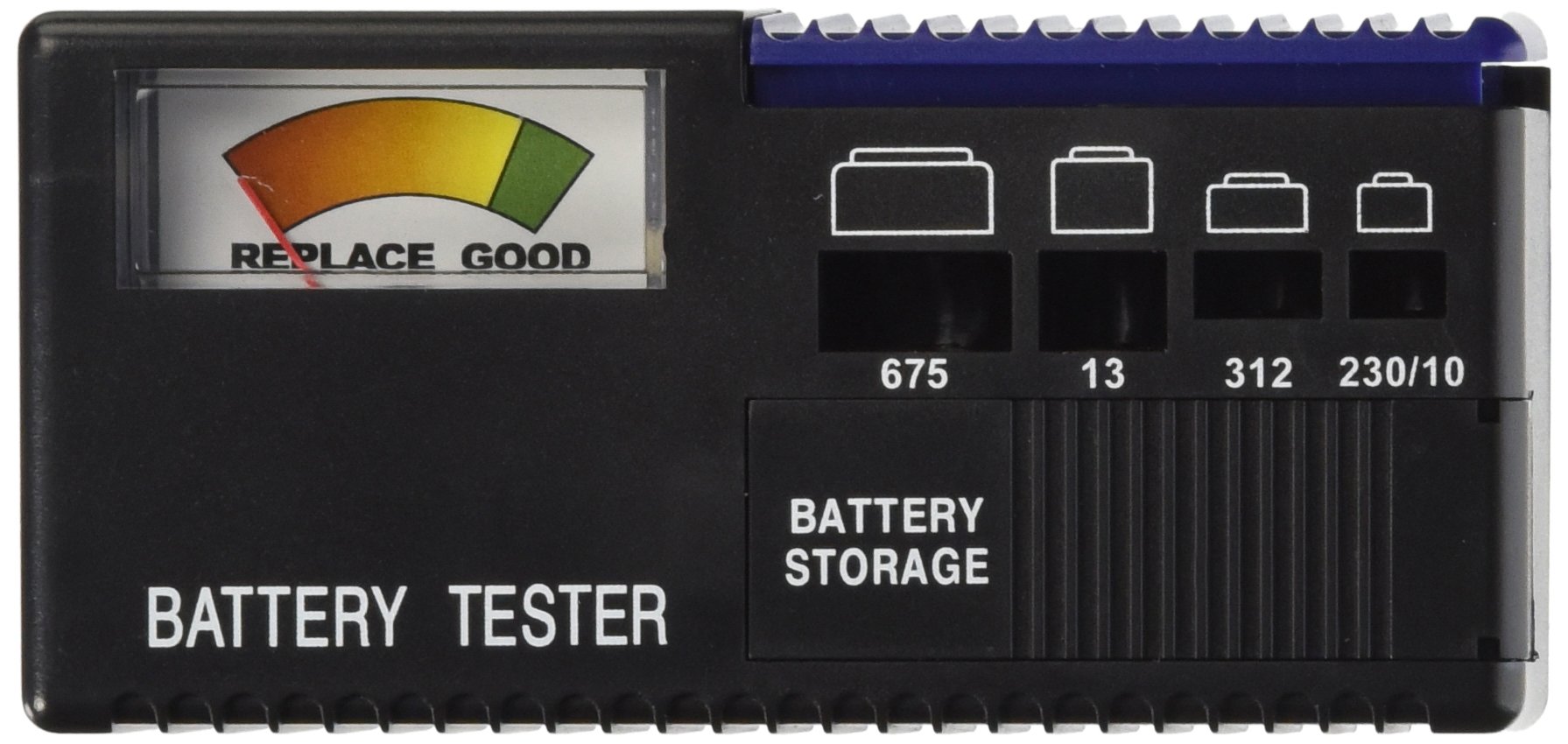
Step 1 verification for multiple batteries.
Hearing Aid Battery Tester Quickly confirms dead batteries, preventing premature recycling.
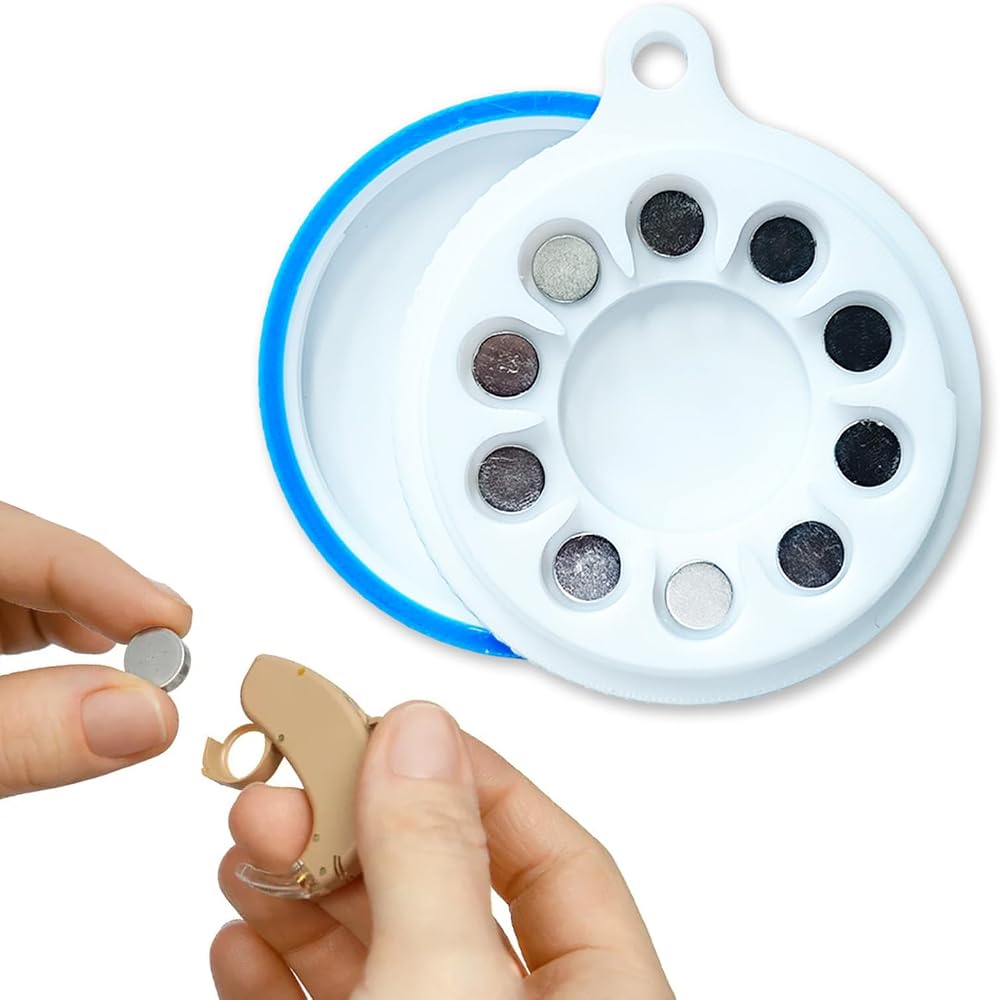
Steps 5-7 for holding taped batteries securely.
Portable Hearing Aid Battery Storage Case Organized, non-conductive storage prevents shorts and easy transport.
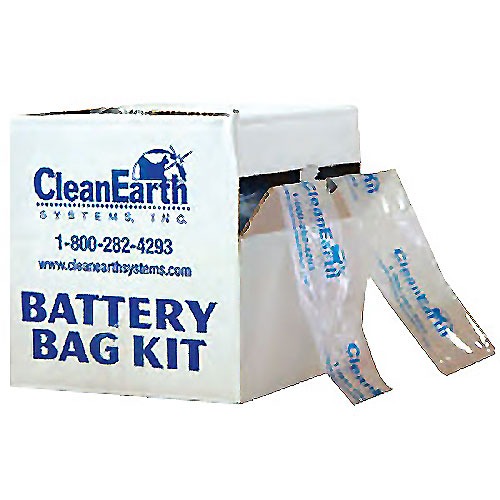
Alternative to drop-off for remote users.
Interstate Batteries Recycling Pouch Kit Prepaid mail-back option for easy home recycling without travel.
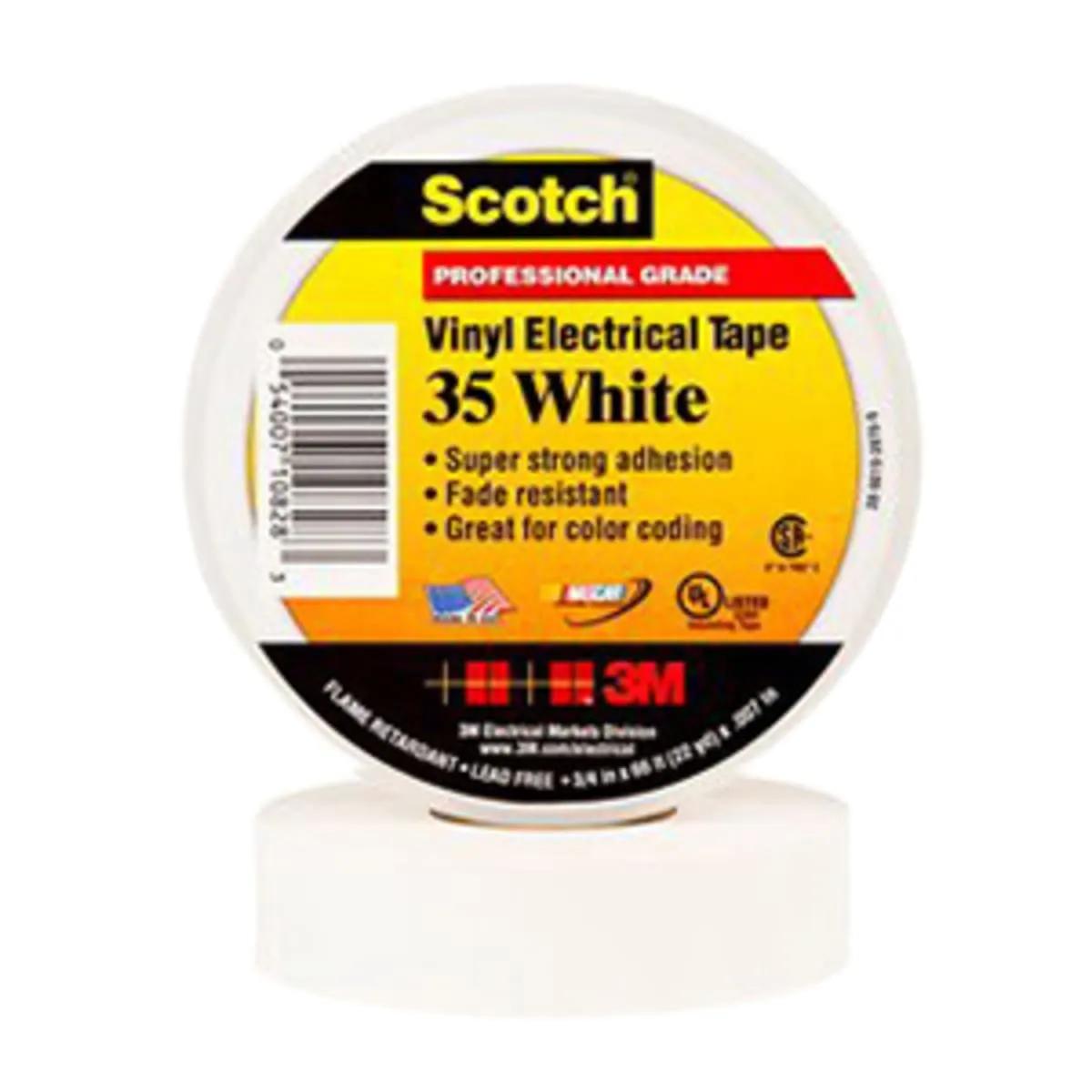
Step 4 to safely insulate batteries.
3M Scotch Electrical Tape Reliable for terminal covering, heat-resistant and non-conductive.