
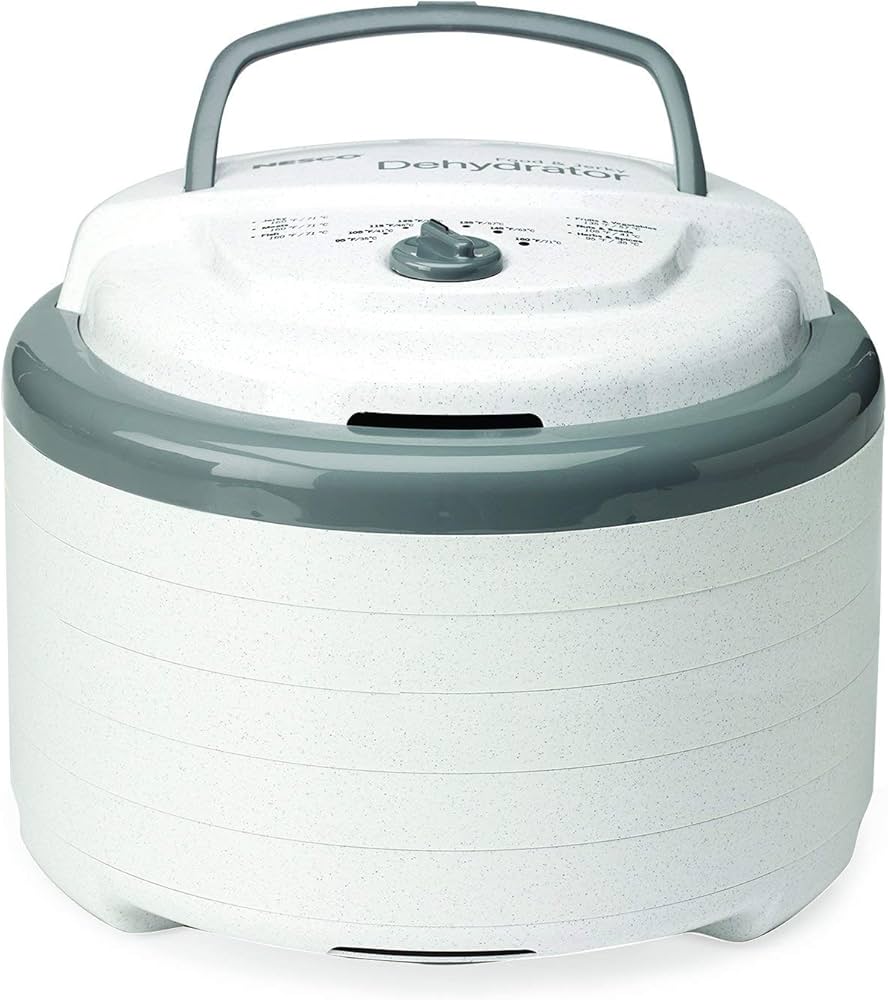
Nesco FD-75A 5-Tray Food Dehydrator
Drying step—handles 500g+ batches overnight.
$60-$70
Nesco FD-75A 5-Tray Food Dehydrator Efficiently dries cleaned waste at precise low temps without degrading PLA, essential for moisture-free pellets.
Get the App
Better experience on mobile
Recycle filament waste, supports, and failed prints step-by-step to cut costs, reduce landfill waste, and go green with your 3D printing hobby.
3D printing is addictive, but it generates a lot of waste—failed prints, support structures, rafts, and leftover filament scraps add up quickly, contributing to plastic pollution. With sustainable recycling, you can turn that waste back into usable filament, saving money and minimizing your environmental footprint. This guide is perfect for intermediate makers ready to level up their eco-game.
You'll learn to identify, sort, clean, process, and extrude recycled filament from common supplies like PLA and PETG. The process uses accessible tools and focuses on home-scale recycling. Expect 1-2 hours for your first batch, with difficulty suited to those familiar with basic 3D printing maintenance—no advanced engineering required.
By the end, you'll have fresh filament spools from your trash, ready for your next print. Let's turn waste into wins!
Estimated Time: 1-3 hours per batch (setup 30 min, processing 1-2.5 hours) Difficulty: intermediate
Start by collecting all your 3D printing byproducts: failed prints, support structures, brims, rafts, and filament scraps. Focus on thermoplastics like PLA (most common and easiest to recycle), PETG, or TPU. Avoid mixing with non-plastics like wood fills, metals, or PVA supports (which dissolve in water).
Why it matters: Proper assessment prevents contamination, ensuring high-quality recycled filament. Expect to gather 100-500g per batch for a starter test. Success looks like piles sorted by material type on your workbench.
Tip: Weigh your waste with a digital scale to track recycling efficiency—aim for 80-90% yield.
💡 Tips:
⚠️ Warnings:
Separate waste into bins by polymer type (PLA, PETG, etc.) and color. PLA is ideal as it's widely recyclable at home. Remove any embedded nuts, bolts, or bed adhesive.
This step is crucial because different plastics have unique melting points (PLA ~180-220°C, ABS ~220-250°C)—mixing causes weak, brittle filament. Success: Uniform bins ready for cleaning, no cross-contamination.
Use gloves to handle sharp edges from broken prints.
💡 Tips:
⚠️ Warnings:
Rinse scraps in warm soapy water, scrub off adhesive or oils with a brush, then rinse and air-dry. For stubborn residue, soak in isopropyl alcohol (90%+).
Cleaning removes contaminants that cause nozzle clogs or bubbles in filament. Expect slightly faded colors but cleaner material. Dry completely before next steps to avoid hydrolysis.
Pro tip: Use an ultrasonic cleaner for efficiency if available.
💡 Tips:
⚠️ Warnings:
Place cleaned pieces in a food dehydrator at 45-50°C for 4-6 hours or an oven at lowest setting (monitor closely). PLA absorbs moisture easily, leading to steam pops during extrusion if not dry.
Success: Brittle, dry snaps when bent—no flexibility. This step boosts filament quality significantly.
💡 Tips:
⚠️ Warnings:
Feed dried scraps into a shredder or granulator to create 3-5mm pellets. Process in small batches to avoid jams.
Uniform pellets ensure even melting. Expect 10-20% volume reduction. Manual shredders work for starters; electric for volume.
Safety first: Use guards and eye protection.
💡 Tips:
⚠️ Warnings:
Load pellets into your extruder hopper. Set temp to 190-210°C for PLA, extrude at 5-7 RPM, aiming for 1.75mm diameter. Use calipers to check and adjust speed/tension.
This core step rebirths waste as filament. Success: Smooth, round strand ±0.05mm tolerance, no bubbles.
Monitor for first 10m, tweak as needed.
💡 Tips:
⚠️ Warnings:
Guide extruded filament through a cooling fan or water bath, then wind onto a spool using a winder. Cut and label (e.g., 'Recycled PLA v1').
Proper spooling prevents tangles. Store in a dry box. Success: Full spool ready for printer.
💡 Tips:
⚠️ Warnings:
Load spool into your 3D printer, print a calibration cube or benchy. Adjust slicer settings: +5-10°C nozzle temp, slower speeds (40-50mm/s).
Testing validates quality—expect slight brittleness first time. Success: Printable without major stringing or breakage. Iterate for perfection.
💡 Tips:
⚠️ Warnings:
Problem: Extruder clogs or jams
Solution: Clear with nylon brush or cold pull; ensure pellets are dry and uniform. Lower temp by 10°C.
Problem: Filament diameter inconsistent
Solution: Adjust extruder RPM/speed; check pellet moisture. Use calipers and steady tension.
Problem: Brittle or stringy prints
Solution: Increase nozzle temp +5°C, slow print speed. Blend with virgin filament.
Problem: Fumes or odors
Solution: Improve ventilation, use enclosure with filter. Switch to low-odor PLA.
Problem: Low yield (<70%)
Solution: Minimize fines in shredding, perfect cleaning. Seek pro recycler if persistent.
Efficiently dries cleaned waste at precise low temps without degrading PLA, essential for moisture-free pellets.
Best for: Drying step—handles 500g+ batches overnight.
Price Range: $60-$70
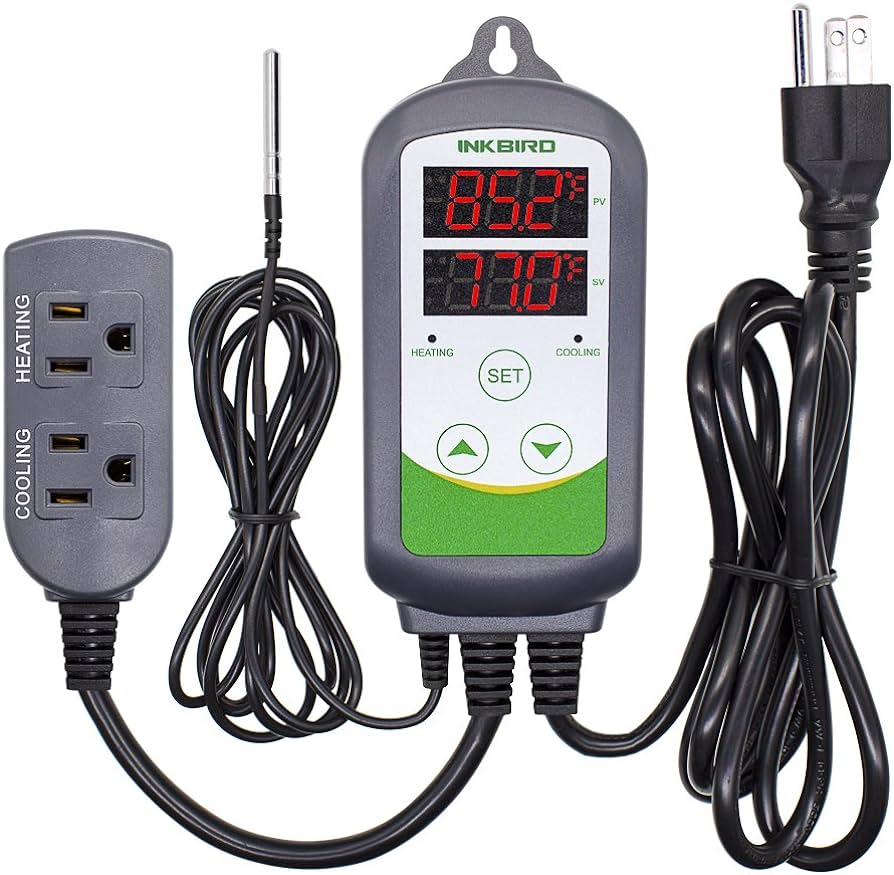
Provides accurate temp control for extruders or ovens, preventing overheating and ensuring consistent results.
Best for: Extrusion and drying—DIY or machine setups.
Price Range: $30-$35
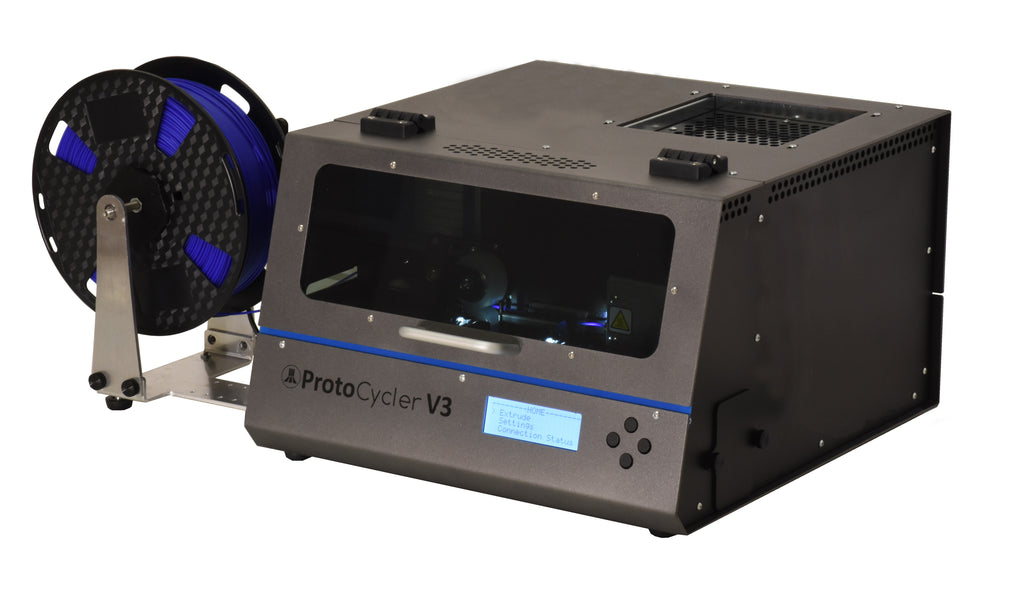
All-in-one shredder + extruder designed for 3D waste, user-friendly for intermediates with high yield.
Best for: Full recycling batches of PLA/PETG waste at home.
Price Range: $2,000-$2,500
Affordable entry-level shredder repurposable for small plastic waste, powerful for hobbyists.
Best for: Shredding dried scraps into pellets before extrusion.
Price Range: $140-$160
Compact, affordable desktop extruder perfect for beginners scaling to recycling.
Best for: Extruding pellets into 1.75mm filament from home waste.
Price Range: $450-$550
Drying step—handles 500g+ batches overnight.
Nesco FD-75A 5-Tray Food Dehydrator Efficiently dries cleaned waste at precise low temps without degrading PLA, essential for moisture-free pellets.
Extrusion and drying—DIY or machine setups.
Inkbird ITC-308 Digital Temperature Controller Provides accurate temp control for extruders or ovens, preventing overheating and ensuring consistent results.
Full recycling batches of PLA/PETG waste at home.
ProtoCycler Filament Recycler All-in-one shredder + extruder designed for 3D waste, user-friendly for intermediates with high yield.
Shredding dried scraps into pellets before extrusion.
Sun Joe CJ601E 14-Amp Electric Wood Chipper Shredder Affordable entry-level shredder repurposable for small plastic waste, powerful for hobbyists.
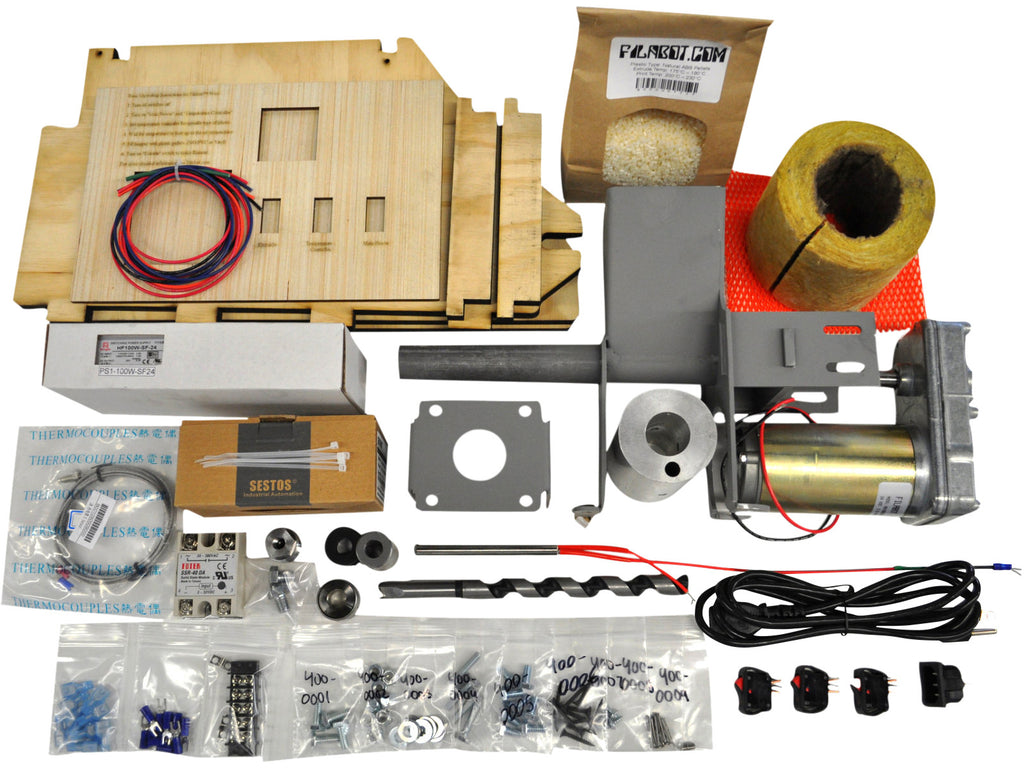
Extruding pellets into 1.75mm filament from home waste.
Filabot Wee Extruder Compact, affordable desktop extruder perfect for beginners scaling to recycling.