
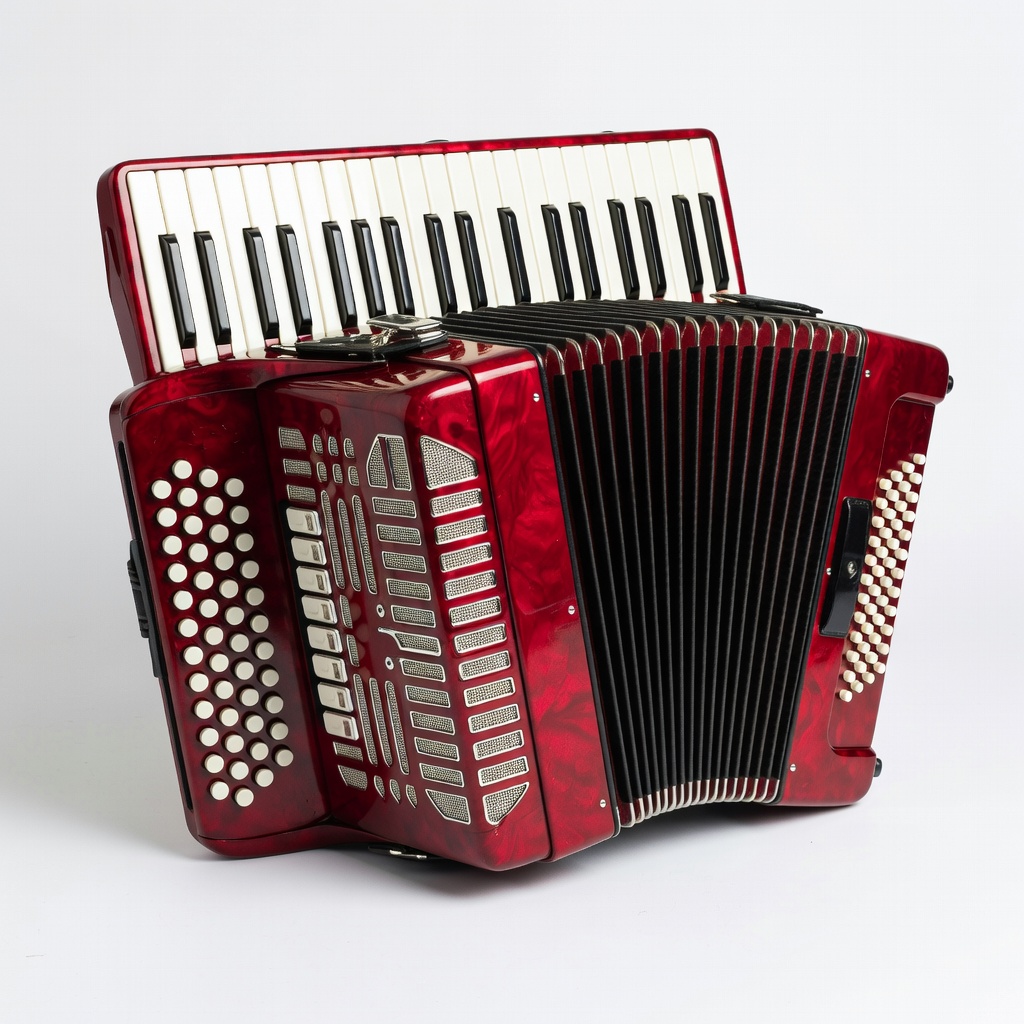
Box 26-Key 120 Bass Piano Accordion (Red)
Daily home practice for left-hand chord work.
$150-$170
Box 26-Key 120 Bass Piano Accordion (Red) Affordable beginner model with full Stradella bass for practicing all basic chords without overwhelming size.
Get the App
Better experience on mobile
Master reading and playing essential accordion chords as a beginner with this simple step-by-step guide—no prior music knowledge needed.
Struggling to make sense of those mysterious chord symbols on accordion sheet music? You're not alone—many beginners feel overwhelmed by the left-hand button layout and chord notation. But reading basic accordion chords is a game-changer that unlocks simple songs and folk tunes in minutes.
In this guide, you'll learn the Stradella bass system (standard on most piano accordions), common chord symbols, and how to play major, minor, and seventh chords. By the end, you'll confidently read and play a basic 12-bar blues progression. Expect 20-30 minutes of practice for solid results—perfect for daily sessions.
We'll use clear diagrams, real-world tips, and avoid jargon, assuming you have a piano accordion. Let's get you strumming those bellows!
Estimated Time: 20-30 minutes Difficulty: beginner
Hold your accordion correctly: right hand on the piano keyboard, left hand under the bass/chord buttons. The left side has 4 rows of 10 buttons each (Stradella system)—bottom row for major chords, second for minor, third for dominant 7ths, top for diminished 7ths. Columns represent root notes (C, G, D, etc., from left to right).
Why it matters: Understanding this grid is key to locating any chord instantly. Expect a 'aha' moment when buttons click into place—no more random pressing.
Image description: Close-up of left-hand Stradella bass buttons labeled with rows (Major, Minor, 7th, Dim) and columns (C, G, D, A, etc.).
💡 Tips:
⚠️ Warnings:
Chord symbols look like C (C major), Am (A minor), G7 (G dominant seventh). Major = happy sound, minor = sad, 7th = bluesy tension.
Print a chord chart: Columns for roots (C, Dm, Em...), rows for types. Match symbol to button row/column. Success: You can verbally identify 5 common chords (C, G, F, Am, Dm).
This foundation lets you read 80% of beginner songs without tabs.
💡 Tips:
Press the C bass (bottom-left button) + major chord button (same column, bottom row). Pull bellows gently while pressing.
Listen for a full C major triad (C-E-G). Why? Builds muscle memory. Success: Clean, ringing chord without buzz—hold for 4 beats.
Pro move: Use pinky on bass, index/middle on chord buttons.
💡 Tips:
⚠️ Warnings:
Repeat Step 3 for G (2nd column), F (6th column), D (3rd column). Cycle: C-G-C-F (I-IV-I-V progression).
Play with steady bellows rhythm. Expect smoother transitions after 5 mins—chords blend like a folk tune.
Why: These cover most simple songs (e.g., 'Twinkle Twinkle').
💡 Tips:
Same column, SECOND ROW up. E.g., Am: A bass (4th column) + minor chord button.
Compare to majors—hear the mood shift. Practice Am-Dm-Em with majors: C-Am-F-G.
Success: Fluid switches, emotional depth in sound.
💡 Tips:
⚠️ Warnings:
THIRD ROW: G7 (2nd column, 3rd row). Adds 'pull' to resolve to C.
Progression: G7-C (V-I). Play ||C-F-C-G7|| x4. Expect resolution satisfaction!
Why: Essential for blues/rock on accordion.
💡 Tips:
Grab a simple chart (e.g., 'House of the Rising Sun': Am-C-D-F-Am...). Left hand only first, then add right-hand melody notes.
Follow symbols row-by-row. Success: Play full song chorus without looking at buttons.
Time to celebrate—record yourself!
💡 Tips:
⚠️ Warnings:
Problem: Chords buzz or don't ring clear
Solution: Tune accordion (use clip-on tuner); check button alignment. Clean reeds if persistent—seek tech if new.
Problem: Can't find buttons quickly
Solution: Practice blindfolded or eyes closed after 10 reps. Use tactile feel.
Problem: Bellows leak air
Solution: Tighten straps; wax edges if needed. Pro repair for >1 week issue.
Problem: Fingers cramp
Solution: Warm-up stretches; shorter sessions. Better accordion if buttons too stiff.
Affordable beginner model with full Stradella bass for practicing all basic chords without overwhelming size.
Best for: Daily home practice for left-hand chord work.
Price Range: $150-$170
Includes clear chord charts, diagrams, and songs tailored for Stradella beginners.
Best for: Reference for Step 7 and beyond—progress to full pieces.
Price Range: $10-$15
Super accurate for accordion reeds; chromatic mode tunes bass/chords precisely.
Best for: Before every session to ensure chords sound right.
Price Range: $12-$16
Visual wall reference speeds up learning columns/rows—no flipping pages.
Best for: Mounted near practice spot for instant lookup.
Price Range: $15-$20
Tiny, stays on accordion; perfect for on-the-go tuning during chord practice.
Best for: Mobile players or group jams.
Price Range: $14-$18
Daily home practice for left-hand chord work.
Box 26-Key 120 Bass Piano Accordion (Red) Affordable beginner model with full Stradella bass for practicing all basic chords without overwhelming size.
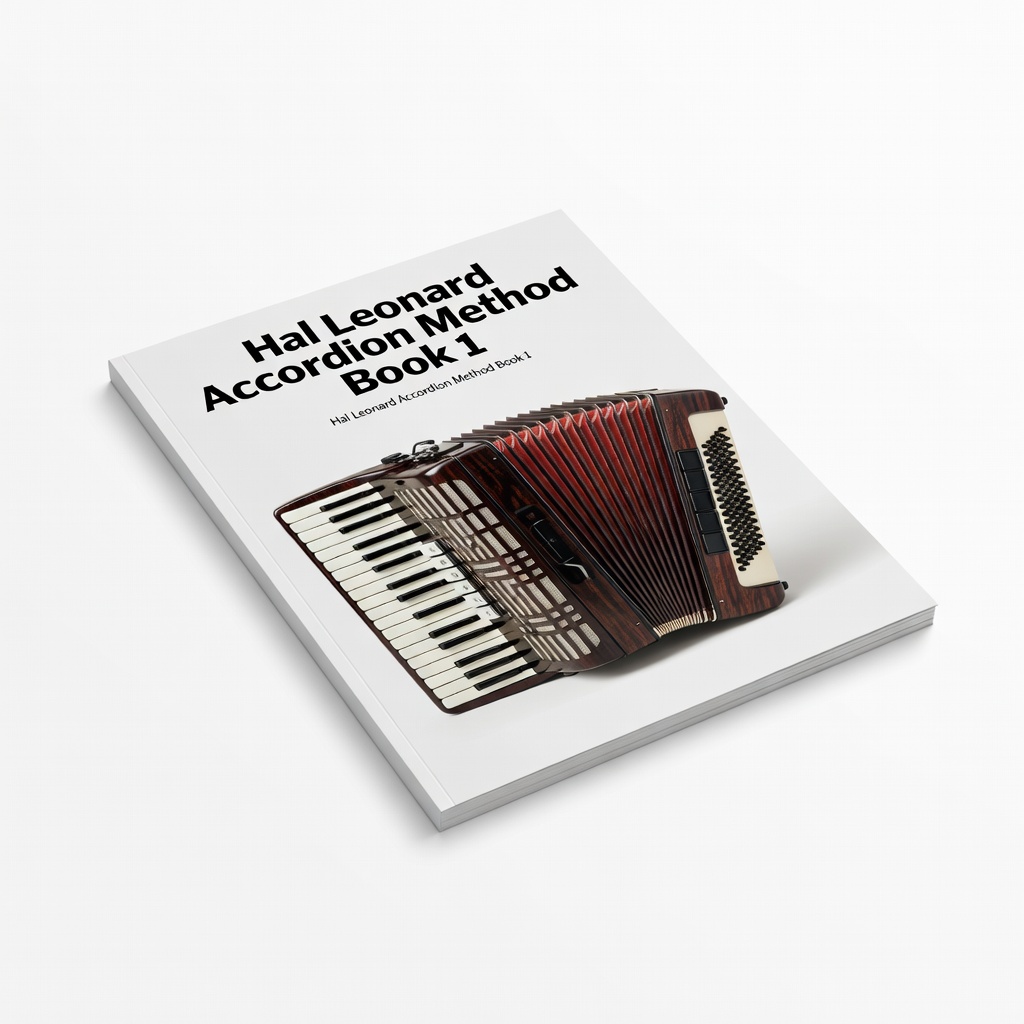
Reference for Step 7 and beyond—progress to full pieces.
Hal Leonard Accordion Method Book 1 Includes clear chord charts, diagrams, and songs tailored for Stradella beginners.
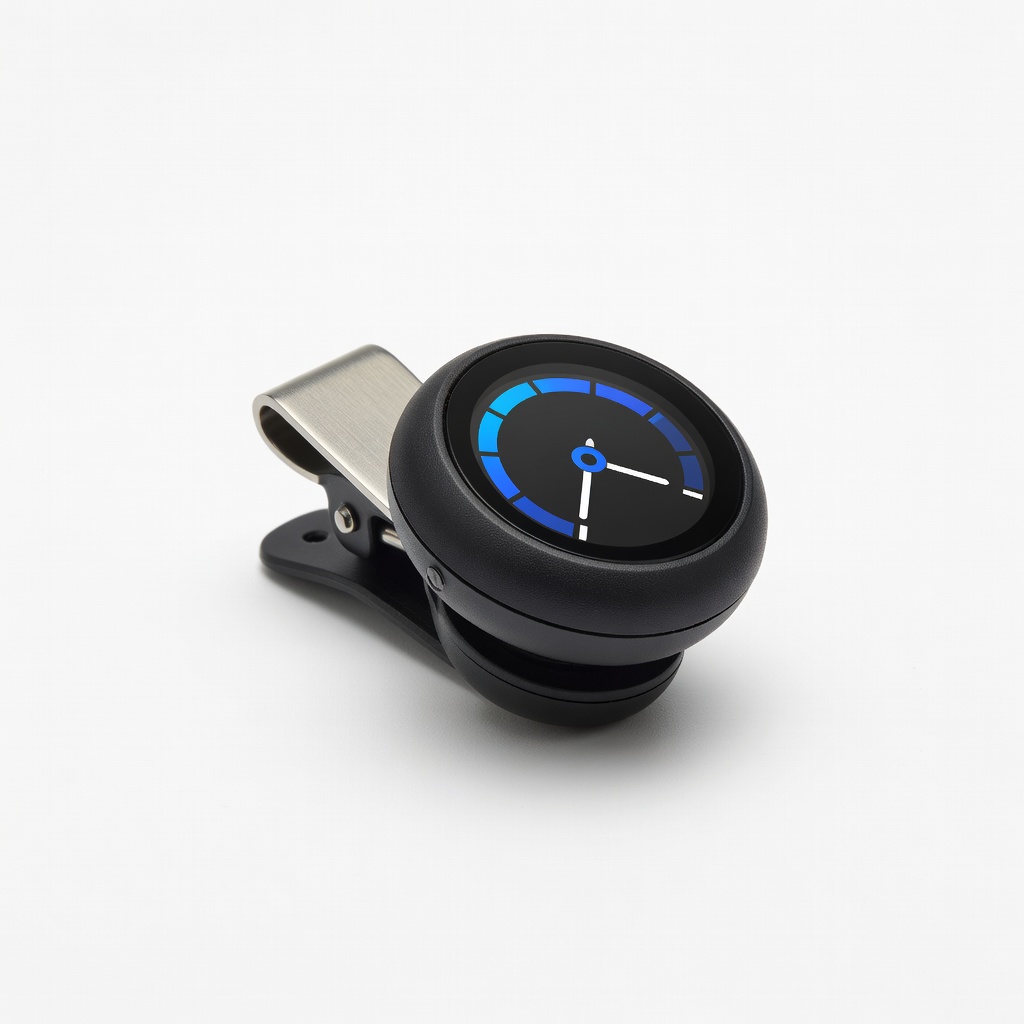
Before every session to ensure chords sound right.
Snark SN5X Clip-On Tuner Super accurate for accordion reeds; chromatic mode tunes bass/chords precisely.
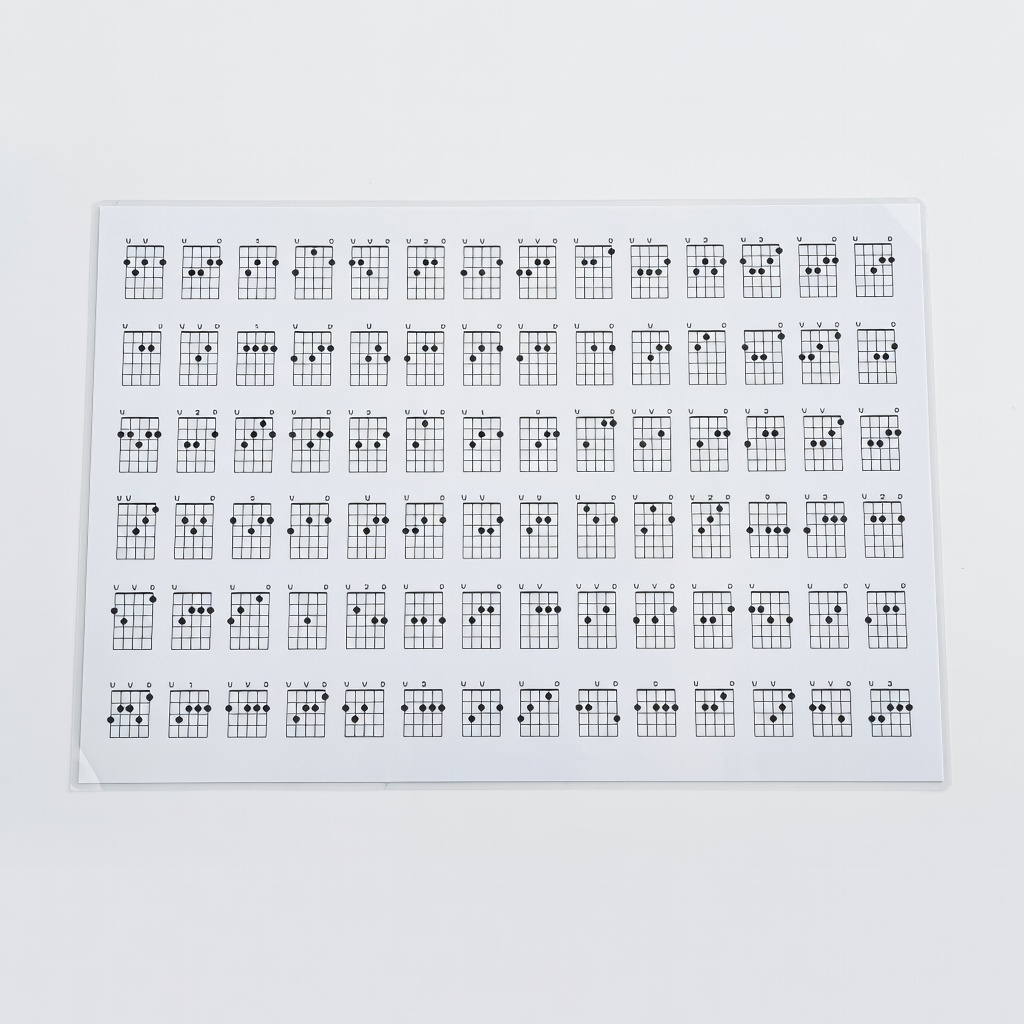
Mounted near practice spot for instant lookup.
Accordion Chord Chart Poster (Laminated) Visual wall reference speeds up learning columns/rows—no flipping pages.
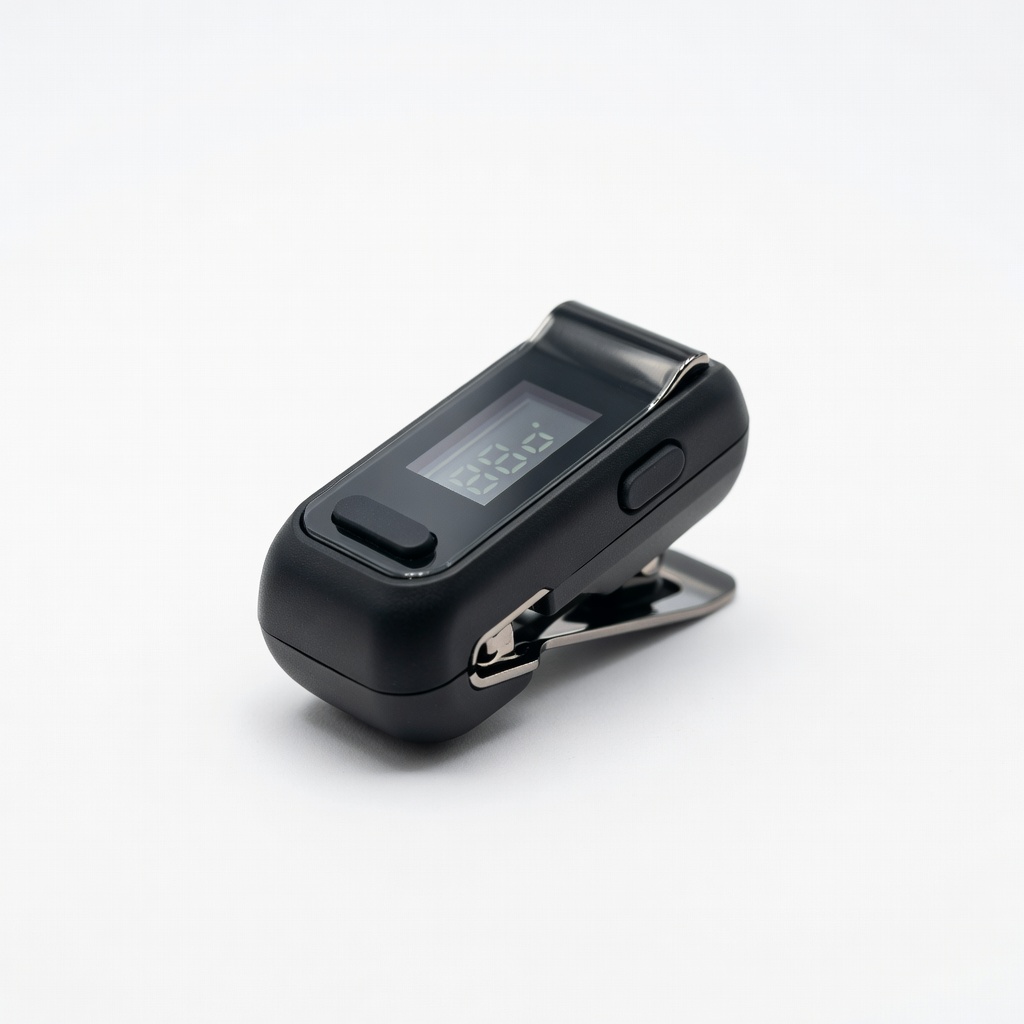
Mobile players or group jams.
D'Addario NS Micro Tuner Tiny, stays on accordion; perfect for on-the-go tuning during chord practice.