
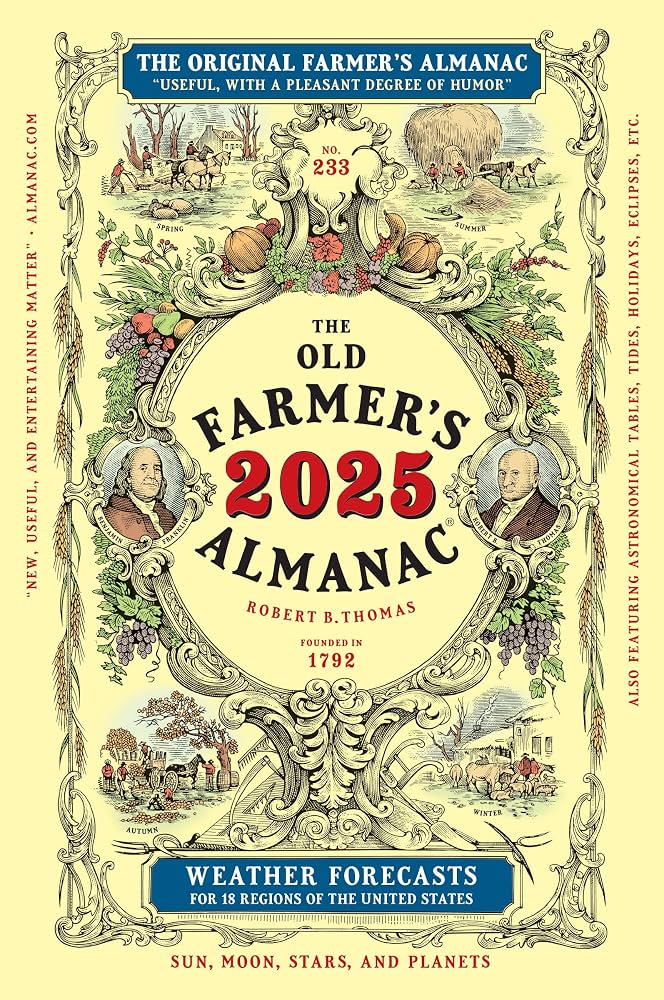
The Old Farmer's Almanac 2025
Daily reference for predictions during planning season.
$8.99
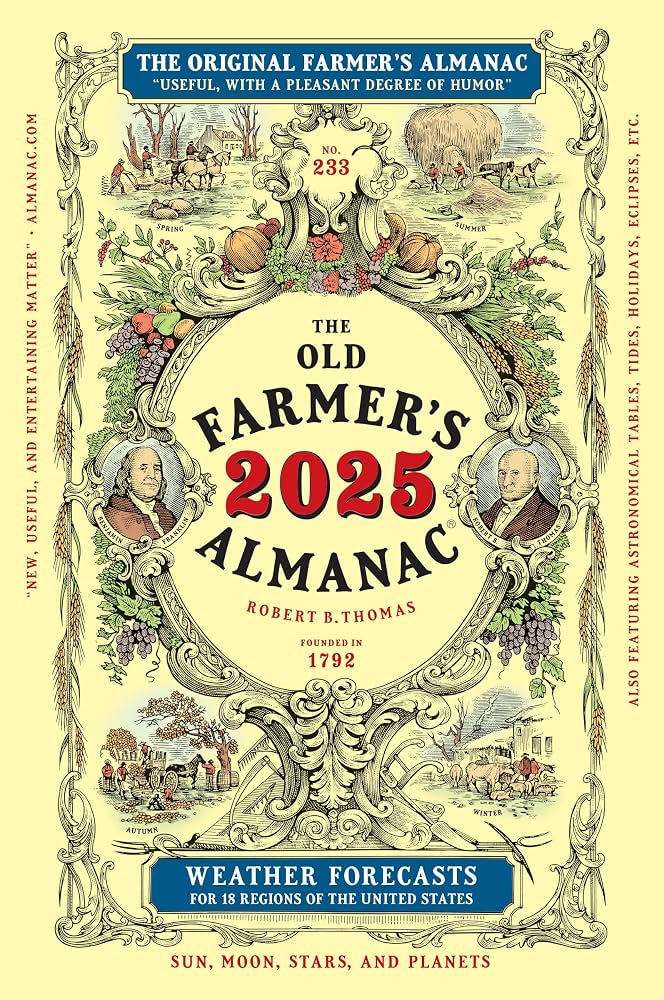
The Old Farmer's Almanac 2025 Gold standard for U.S. gardeners with zone-specific planting calendars and moon tables.
Get the App
Better experience on mobile
Master almanac charts to predict planting times, weather, and harvests for a thriving garden without guesswork.
Gardening enthusiasts often struggle with unpredictable weather and mistimed plantings, leading to failed crops and wasted effort. Traditional almanacs like the Old Farmer's Almanac offer time-tested predictions based on astronomy, history, and meteorology, helping you plant smarter. This guide teaches you how to decode these resources for accurate gardening forecasts.
You'll learn to interpret planting calendars, moon phases, and weather outlooks tailored to your zone. By the end, you'll create a personalized garden plan that boosts yields. The process takes 30-45 minutes initially, with ongoing reference—perfect for intermediate gardeners familiar with basic planting but new to predictive tools.
Expect straightforward steps with real-world examples; no advanced math required, just observation and application.
Estimated Time: 30-45 minutes to learn and plan your first season Difficulty: intermediate
Start by selecting a reputable almanac suited to your region. Popular options include the Old Farmer's Almanac (U.S.-focused) or Farmers' Almanac (Canada/U.S.). Look for the current year edition with detailed gardening sections.
Why it matters: Almanacs use 200+ years of data for predictions accurate to 80-85%. Flip through for zones, moon tables, and planting guides. Success: You have a book open to the table of contents, confirming gardening-specific content.
Image description: Open almanac on table showing table of contents with 'Gardening' highlighted.
💡 Tips:
⚠️ Warnings:
Find the zone map in the front or appendix—usually USDA zones 1-13. Match your ZIP code or city to determine your zone (e.g., Zone 6B for much of the Midwest).
This is crucial because predictions are zone-specific; ignoring it leads to off-season planting. Expect color-coded maps with frost dates. Note your first/last frost dates.
Success: Jot down your zone (e.g., 'Zone 7A, last frost May 1').
💡 Tips:
Turn to the 'Best Days to Plant' or gardening calendar. Columns list months, crops (e.g., tomatoes, beans), and signs like 'Plant Above Ground' or 'Harvest'.
These are based on moon positions for root vs. leaf growth. Why: Aligns with lunar cycles for 20-30% better germination. Scan rows for your zone.
Success: Highlight 3-5 crops with dates matching your season.
⚠️ Warnings:
Find the moon phase calendar (full/new moon dates). Notes indicate 'fertile' periods (waxing) for sowing, barren (waning) for weeding.
Matters for timing transplants; old farmers swear by it for pest resistance. Expect icons or abbreviations (e.g., Wax=Good for seeds).
Success: Mark full moon nearest your planting window.
💡 Tips:
Go to long-range forecasts (3-12 months). Coded as 'Fair', 'Snowy', 'Wet' by region/zone.
These use solar cycles; accurate for trends, not daily. Note patterns like 'Cold Early Spring'.
Success: Summarize your area's outlook (e.g., 'Mild winter, rainy June').
⚠️ Warnings:
Overlay calendar, moon, and weather for your crops. E.g., Zone 5 tomatoes: Best day post-last frost during waxing moon, if forecast dry.
Builds reliable plan. Expect some conflicts—prioritize frost dates.
Success: List of 5 plantings with dates.
💡 Tips:
Transfer dates to your calendar/journal. Include backups (e.g., ±3 days).
Locks in predictions. Success: Full-season plan ready.
As season unfolds, log actuals vs. predictions in journal.
Improves future use. Success: Data for next year.
💡 Tips:
Problem: Predictions don't match local weather
Solution: Cross-check with NOAA.gov; almanacs excel in trends, use apps for short-term.
Problem: Conflicting best days for crops
Solution: Prioritize frost-safe dates; rotate plantings over 2 weeks.
Problem: Poor germination despite dates
Solution: Check seed quality/soil pH; almanac handles timing only.
Problem: Hard to read tiny tables
Solution: Use magnifier or digital PDF version.
Gold standard for U.S. gardeners with zone-specific planting calendars and moon tables.
Best for: Daily reference for predictions during planning season.
Price Range: $8.99
Excellent alternative with extended forecasts and gardener tips.
Best for: For Northern climates or Canadian gardeners needing regional accuracy.
Price Range: $9.99
Perfect companion for tracking almanac predictions vs. results.
Best for: Logging actual harvests to refine future almanac use.
Price Range: $15.99
Validates almanac frost predictions with real-time soil/air data.
Best for: Confirming 'safe to plant' before sowing.
Price Range: $24.99
Deep dive supplement focused solely on moon-based planting.
Best for: Enhancing almanac moon tables for organic growers.
Price Range: $12.99
Daily reference for predictions during planning season.
The Old Farmer's Almanac 2025 Gold standard for U.S. gardeners with zone-specific planting calendars and moon tables.
For Northern climates or Canadian gardeners needing regional accuracy.
Farmers' Almanac 2025 Excellent alternative with extended forecasts and gardener tips.
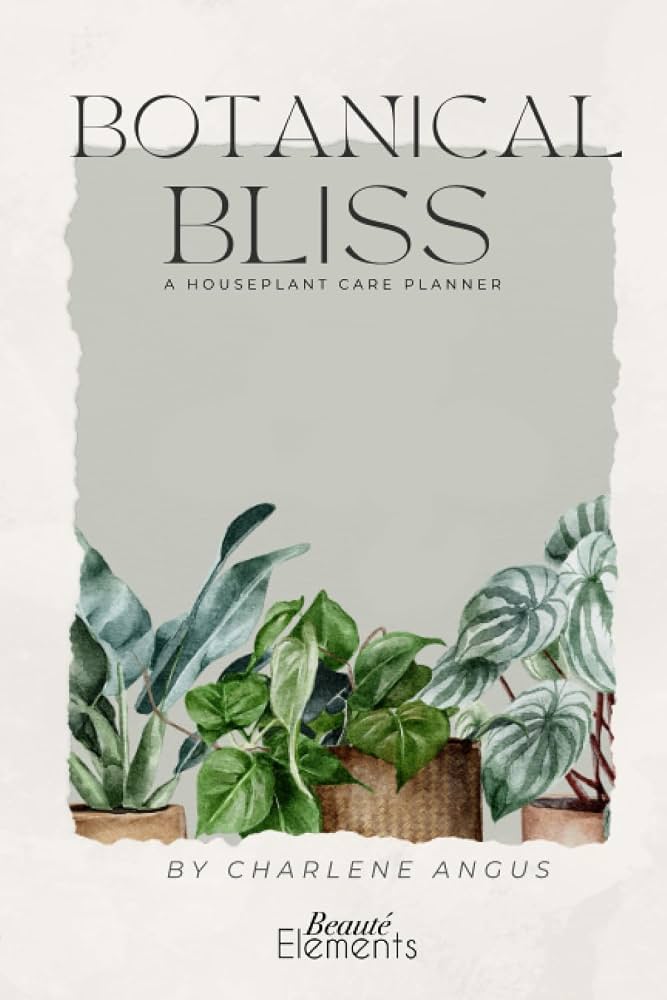
Logging actual harvests to refine future almanac use.
Bliss Gardens Garden Planner and Journal Perfect companion for tracking almanac predictions vs. results.
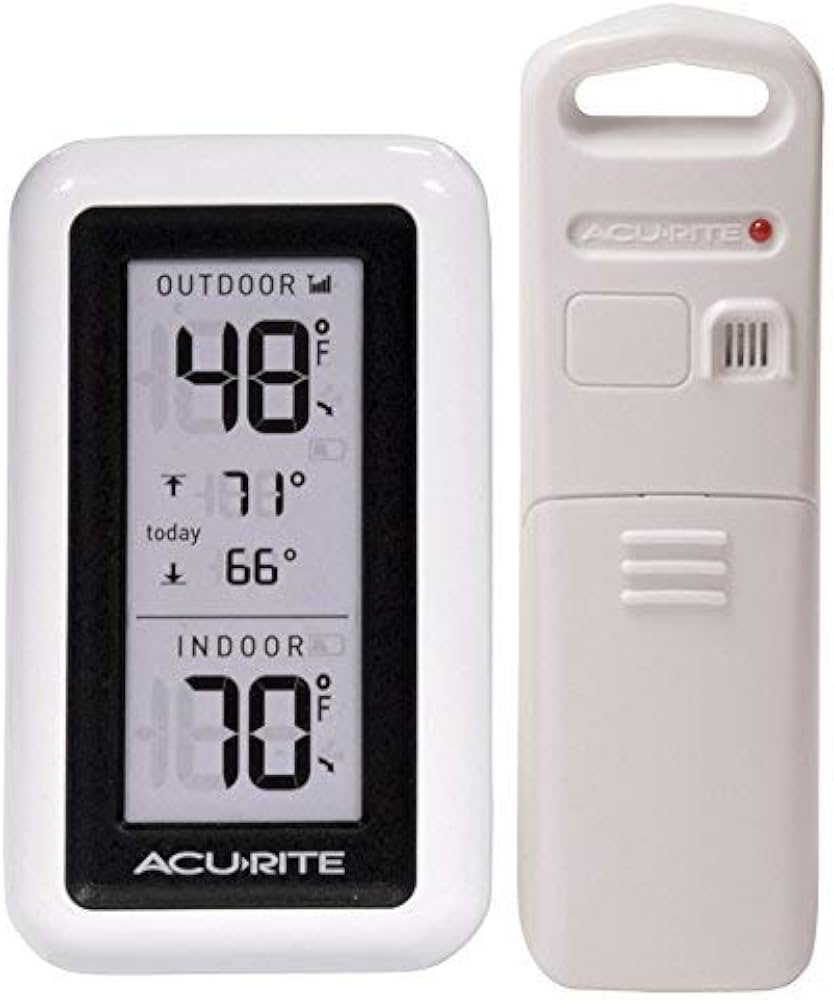
Confirming 'safe to plant' before sowing.
AcuRite Garden Thermometer/Hygrometer Validates almanac frost predictions with real-time soil/air data.
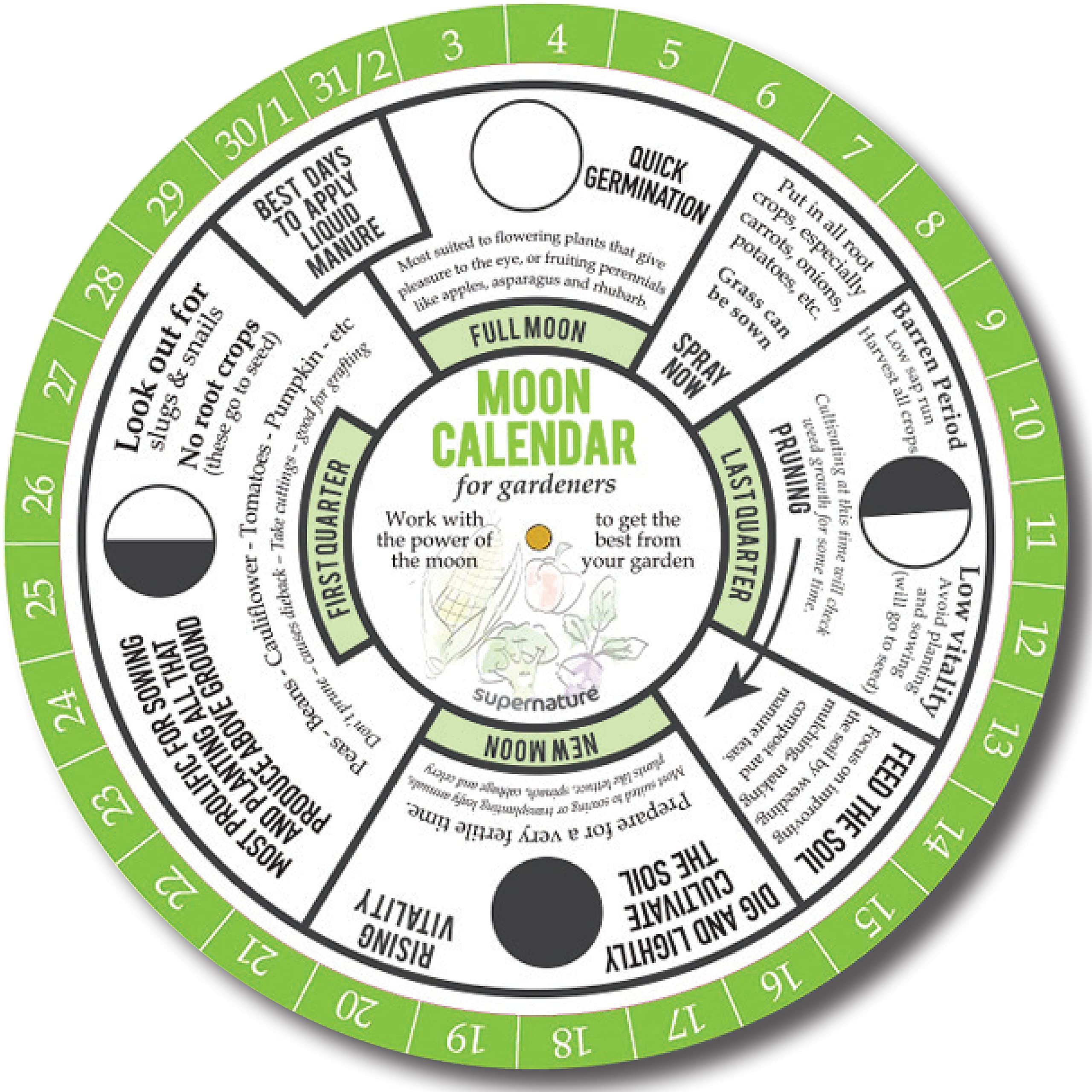
Enhancing almanac moon tables for organic growers.
Lunar Calendar Gardening Guide Deep dive supplement focused solely on moon-based planting.