

The Old Farmer's Almanac 2025
Primary reference for all steps; durable print edition.
$9.99
The Old Farmer's Almanac 2025 Gold standard for accurate zone forecasts and planting tables trusted by gardeners for 232 years.
Get the App
Better experience on mobile
Master almanac forecasts to time your plantings perfectly, avoid weather pitfalls, and maximize your garden's yield this season.
Gardening success hinges on timing—plant too early or late, and your crops suffer from frost or heat. Traditional almanacs like the Old Farmer's Almanac have provided reliable long-range forecasts for centuries, blending astronomy, history, and meteorology. If you're tired of guesswork and failed harvests, this guide shows you how to decode them accurately.
You'll learn a step-by-step process to interpret planting calendars, weather predictions, moon phases, and zone-specific advice. Whether you're growing veggies, flowers, or herbs, this method helps intermediate gardeners plan with confidence. Expect to spend 30-45 minutes your first time, then just minutes per season to chart your garden calendar.
No advanced skills needed—just curiosity and basic gardening knowledge. By the end, you'll have a personalized planting schedule ready to boost your harvest.
Estimated Time: 30-45 minutes for first-time setup; 10 minutes per planning session Difficulty: intermediate
Start by selecting a reputable almanac tailored to gardening. Popular options include The Old Farmer's Almanac or Farmers' Almanac, which provide zone-based forecasts for North America. Look for the latest edition (e.g., 2025) with detailed garden sections.
Why it matters: Almanacs use proprietary formulas for 80% accurate long-range weather predictions, far better than generic apps for seasonal planning. Expect colorful charts, tables, and essays on topics like best planting days.
Flip through the table of contents for 'Gardening,' 'Planting Calendar,' and 'Astronomical Data' sections.
💡 Tips:
⚠️ Warnings:
Find your planting zone using the USDA Hardiness Zone map (search 'USDA zone finder'). Note your zone number (e.g., 6b) and any sub-details like frost dates.
This is crucial because almanacs divide forecasts by zones or regions (Northeast, Pacific Northwest, etc.). Without it, advice won't match your climate. Success looks like: 'Zone 7a, last frost May 1, first frost Oct 15.'
Cross-check with local extension service for precision.
💡 Tips:
Turn to the 'Best Days to Plant' or 'Gardening Calendar' section. These tables list crops by month, day, and phase (above/below ground).
Why it matters: Based on moon phases and weather patterns, they predict optimal days for sowing seeds or transplanting to minimize failure. Expect columns for 'Plant,' 'Zone,' 'Good Days,' and symbols like + for favorable.
Scan for your zone and crop (e.g., tomatoes in June).
💡 Tips:
Navigate to 'Long-Range Weather Forecasts' or 'Regional Predictions.' These predict temperature, precipitation, and storminess by month/season per zone.
Interpret codes: 'Fair' (mild), 'Stormy' (wet/cold), numbers for temp deviations. Why? Align planting with dry spells or avoid wet periods to prevent rot. Success: 'June: Warm, fair—ideal for heat-loving peppers.'
Note extremes like 'Cold snap' risks.
⚠️ Warnings:
Find the 'Astronomical Calendar' for moon phases, signs, and void-of-course times. Full/new moons affect tides and sap flow.
Plant above-ground crops during waxing moon in air signs (Gemini, etc.); roots in waning earth signs. This folk science boosts growth per tradition. Expect calendars marking 'Fertile' periods.
Track for 1-2 weeks ahead.
💡 Tips:
In your notebook, chart crops x dates from steps 3-5. List: Crop, Best Days, Weather Notes, Moon Phase.
Example: 'Carrots: April 15-20 (Zone 6), waning moon, fair weather.' Transfer to calendar. This integrates data for foolproof planning.
Review quarterly.
Compare almanac predictions with current weather apps. Plant as scheduled, then log outcomes (e.g., 'Planted beets April 18—germinated fast!').
Adjust next year based on hits/misses. Success: Data-driven gardening with 20-30% better yields.
Revisit almanac updates.
💡 Tips:
⚠️ Warnings:
Problem: Forecasts contradict local weather
Solution: Prioritize almanac for long-term trends; use apps for daily tweaks. Blend 70/30.
Problem: No zone match
Solution: Average adjacent zones or contact almanac support/email.
Problem: Poor germination despite best days
Solution: Check soil pH/moisture; retry next cycle. Log variables.
Gold standard for accurate zone forecasts and planting tables trusted by gardeners for 232 years.
Best for: Primary reference for all steps; durable print edition.
Price Range: $9.99
Alternative with unique forecasts and more U.S./Canada zones for precise regional advice.
Best for: Cross-check Old Farmer's for consensus on tricky months.
Price Range: $8.49
Structured notebook with prompts matching almanac data for easy scheduling.
Best for: Step 6: Build and track your plan without blank-page overwhelm.
Price Range: $22.99
Validates almanac predictions with backyard data like temp/humidity.
Best for: Troubleshoot discrepancies in real-time.
Price Range: $49.99
Visual wall chart simplifies astronomy step without flipping pages.
Best for: Quick moon reference during planning.
Price Range: $12.99
Primary reference for all steps; durable print edition.
The Old Farmer's Almanac 2025 Gold standard for accurate zone forecasts and planting tables trusted by gardeners for 232 years.
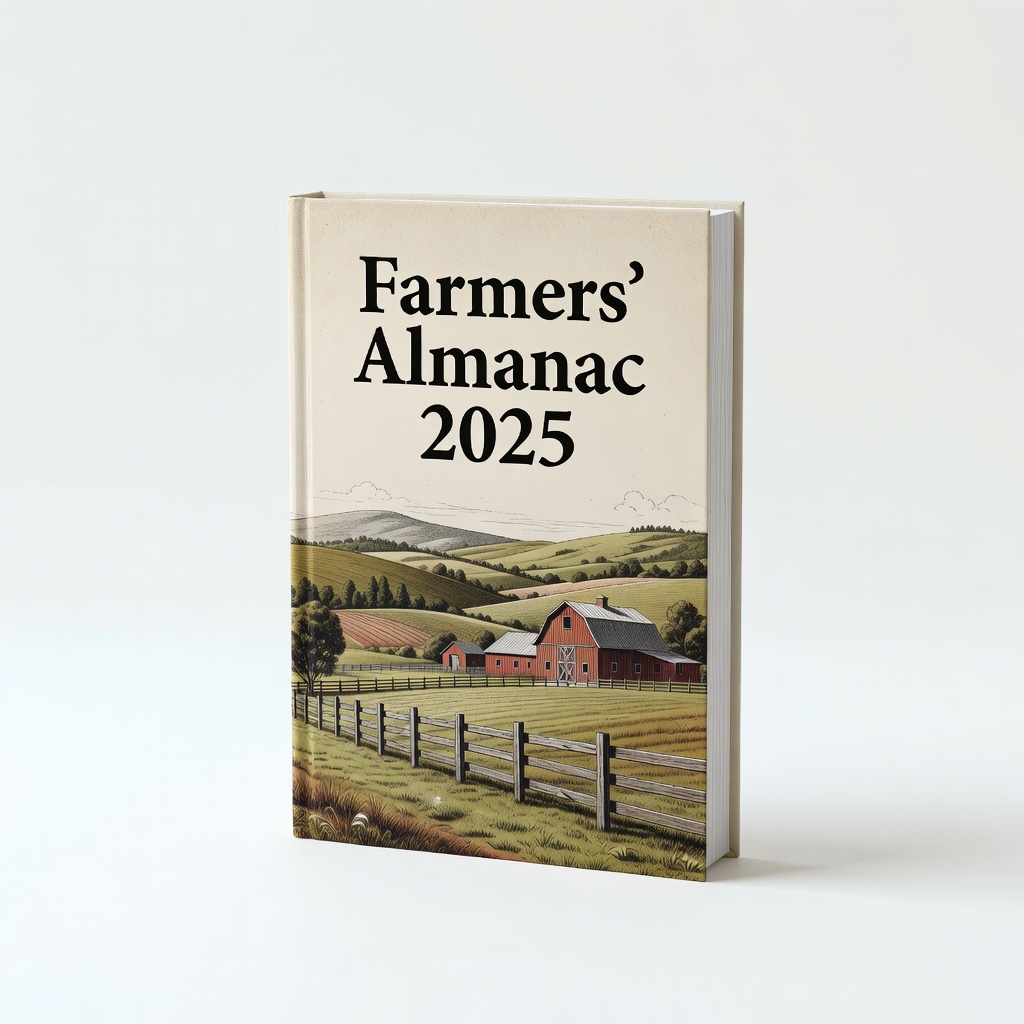
Cross-check Old Farmer's for consensus on tricky months.
Farmers' Almanac 2025 Alternative with unique forecasts and more U.S./Canada zones for precise regional advice.
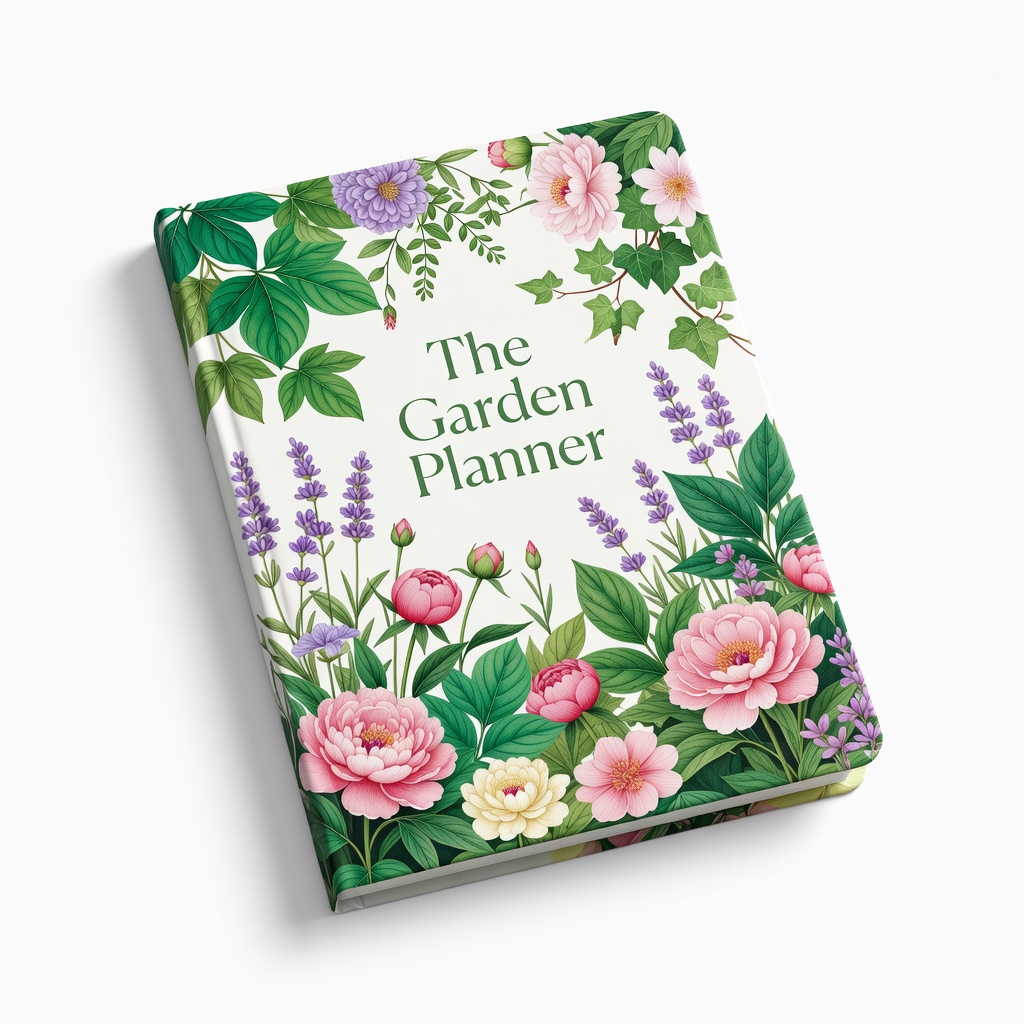
Step 6: Build and track your plan without blank-page overwhelm.
Bloom Daily Planners The Garden Planner Structured notebook with prompts matching almanac data for easy scheduling.
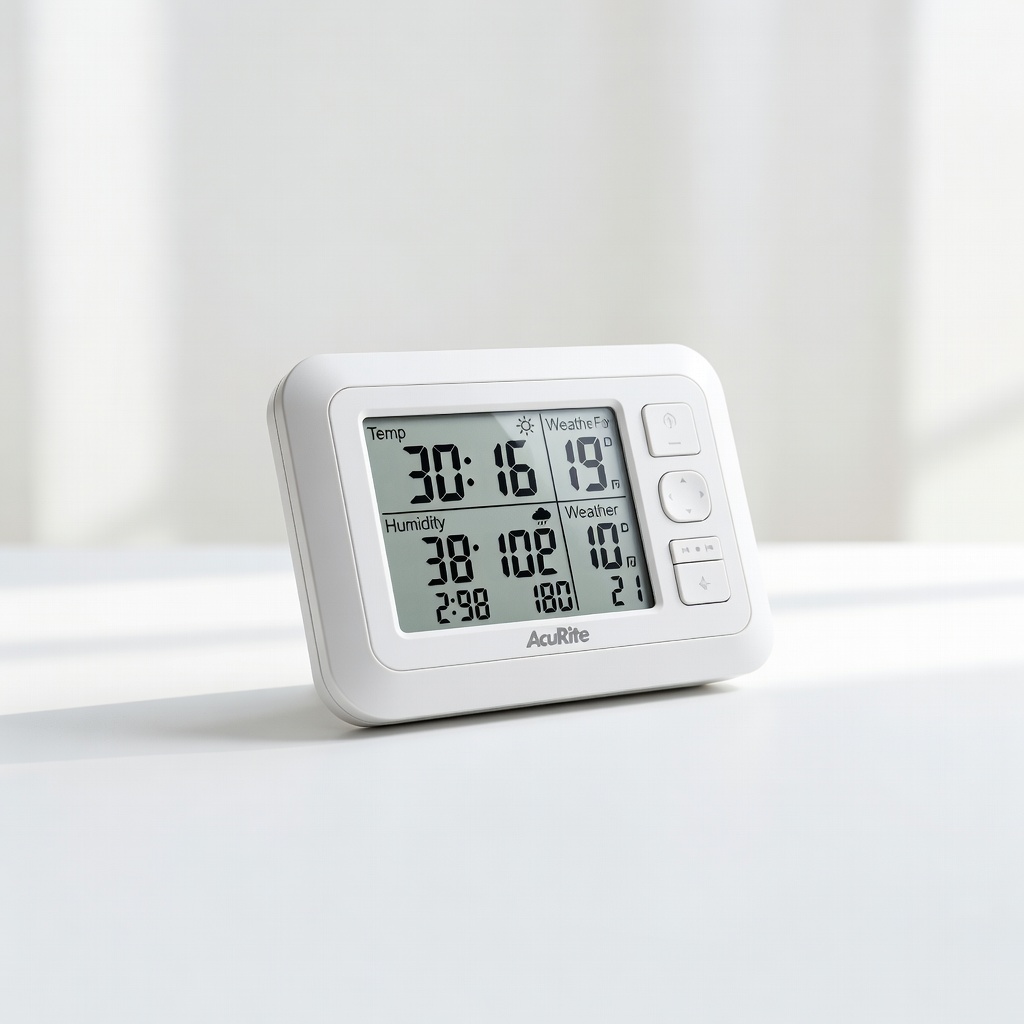
Troubleshoot discrepancies in real-time.
AcuRite 01512 Wireless Weather Station Validates almanac predictions with backyard data like temp/humidity.
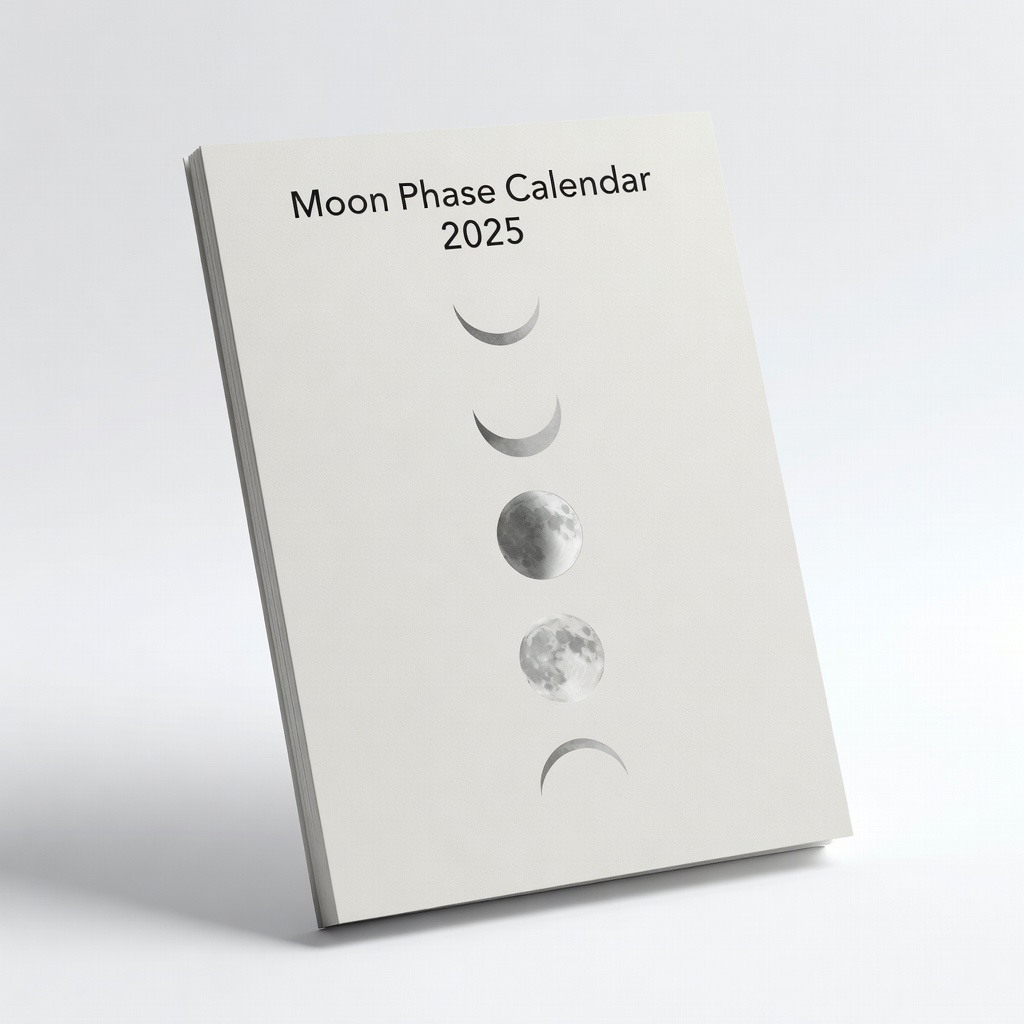
Quick moon reference during planning.
Moon Phase Calendar 2025 Visual wall chart simplifies astronomy step without flipping pages.