Ever finished an edge-of-your-seat adventure novel feeling pumped but forgetting the goldmine of survival wisdom hidden inside? Books like Hatchet or Robinson Crusoe aren't just entertainment—they pack real-world skills for wilderness survival, from fire-starting to foraging. Many readers miss this, treating stories as pure escapism instead of skill-building tools.
In this guide, you'll learn a systematic way to read adventure fiction critically, spot survival techniques, verify them, and even practice them safely. Whether you're prepping for camping trips or just love action-packed reads, this method turns passive reading into active learning. Expect 1-2 hours per reading session, with ongoing practice—perfect for intermediate readers comfortable with analysis.
By the end, you'll have a personalized survival skill notebook from your favorite books, ready to boost your outdoor confidence.
▸What You'll Need
- •Adventure fiction books with survival themes (e.g., Hatchet by Gary Paulsen)
- •Notebook or reusable smart notebook for notes
- •Highlighters or erasable pens for marking passages
- •Internet access for research and verification
- •Optional: Survival reference book like SAS Survival Handbook
- •Optional: Kindle or e-reader for easy highlighting and notes
Estimated Time: 1-2 hours per reading session + 30-60 minutes practice time weekly
Difficulty: intermediate
▸Step-by-Step Instructions
Step 1: Select Survival-Rich Adventure Books
Start by choosing novels known for authentic survival elements. Look for stories involving wilderness isolation, like plane crashes, shipwrecks, or lost expeditions. Classics such as Hatchet, My Side of the Mountain, or The Swiss Family Robinson are ideal—they blend thrilling plots with practical skills.
Why it matters: Not all adventure fiction teaches survival; fantasy epics might inspire grit but lack specifics. Aim for 1-2 books to start. Success looks like a shortlist of 3-5 titles with real-world reviews praising their accuracy.
Tip: Check Goodreads or Amazon reviews for 'survival lessons' mentions.
💡 Tips:
- •Prioritize young adult fiction for straightforward skills.
- •Mix classics with modern like The River by Gary Paulsen.
⚠️ Warnings:
- •Avoid pure fantasy (e.g., no dragons) unless it has grounded survival arcs.
Step 2: Prepare Your Reading Toolkit
Gather your notebook, highlighters (one color per skill type, e.g., yellow for shelter, green for food), and a pen. Divide your notebook into sections: Skills Log, Verification Notes, Practice Plans. If digital, use Kindle's highlight feature or apps like Goodreads.
This setup turns casual reading into structured learning. Expect a 10-minute prep; success is a distraction-free zone with tools at hand.
Why it matters: Organized notes prevent forgetting key details amid plot twists.
💡 Tips:
- •Use sticky notes for quick flags if you can't write in the book.
Step 3: Read Actively: Scan for Survival Scenes
Dive in but read purposefully—pause at survival challenges (e.g., finding water, building fire). Highlight descriptions of techniques, tools improvised, and character reasoning. Note page numbers and quotes like 'He struck the hatchet against the flint...' from Hatchet.
Expect to slow down; a 200-page book might take 1-2 hours this way. Success: 5-10 highlighted passages per chapter.
Pro move: Ask 'What problem? What solution? Why did it work?' for each scene.
💡 Tips:
- •Read in 30-minute bursts to maintain focus.
⚠️ Warnings:
- •Don't spoil the plot—focus on skills, not just outcomes.
Step 4: Log and Categorize Skills
Transfer highlights to your notebook. Categorize: Shelter, Fire, Water, Food/Foraging, Navigation, First Aid, Mindset. For each, note: Skill name, Book example, Key steps.
E.g., Fire-starting: Friction method, dry tinder crucial. This organizes chaos into actionable intel. Success: A table with 10+ skills.
💡 Tips:
- •Use bullet points or mind maps for visual learners.
Step 5: Verify Skills for Real-World Accuracy
Cross-check with reliable sources—Google 'hatchet fire starting real life' or consult survival guides. Note if fictional (e.g., exaggerated speed) vs. viable.
Why crucial: Fiction dramatizes; verify to avoid myths. Spend 20-30 mins/skill. Success: 70%+ skills marked 'practical'.
⚠️ Warnings:
- •Skip unverified skills until proven.
Step 6: Plan Safe Practice Drills
For top 3-5 skills, outline backyard or park tests (e.g., bow drill fire with adult supervision). Include safety: water nearby, first aid kit.
This bridges book to life. Success: Scheduled 30-min sessions.
💡 Tips:
- •Start small—shelter from trash bags before wild.
Step 7: Reflect and Iterate
After practice, journal: What worked? Gaps? Next book? Review monthly.
Builds expertise over time. Success: Growing skill log.
💡 Tips:
- •Share on Reddit r/Survival for feedback.
Step 8: Expand Your Library and Track Progress
Repeat with new books, tracking mastered skills. Aim for a 'survival portfolio'.
Long-term win: Confident outdoorsman from fiction.
▸Pro Tips
- •Pair reading with podcasts like 'Survival Stories' for context.
- •Use voice notes on phone for hands-free logging during hikes.
- •Color-code by urgency: Red for life-saving (water), blue for comfort (shelter).
- •Join book clubs focused on adventure/survival for discussions.
- •Re-read key chapters yearly to reinforce.
- •Digitize notes in Notion for searchable database.
- •Combine with movies of the books for visual reinforcement.
▸Common Mistakes to Avoid
- •Reading passively without notes—leads to forgetting 80% in a week. Fix: Always log immediately.
- •Assuming all fiction is accurate—dramatization kills realism. Fix: Always verify.
- •Overloading with too many books at once—causes burnout. Fix: One book/month.
- •Skipping practice—knowledge unused fades. Fix: Weekly micro-drills.
- •Ignoring mindset skills like resilience—fiction's hidden gem. Fix: Dedicate a category.
▸Troubleshooting
Problem: Can't find survival skills in the book
Solution: Switch to more grounded fiction like wilderness tales; skim plot summaries first.
Problem: Overwhelmed by notes or boredom
Solution: Limit to 3 skills/book; mix with pure fun reads.
Problem: Practice fails due to weather/safety
Solution: Use simulations indoors (e.g., tarp shelter) or join guided workshops.
Problem: Motivation dips after first book
Solution: Set mini-rewards; track progress visually.
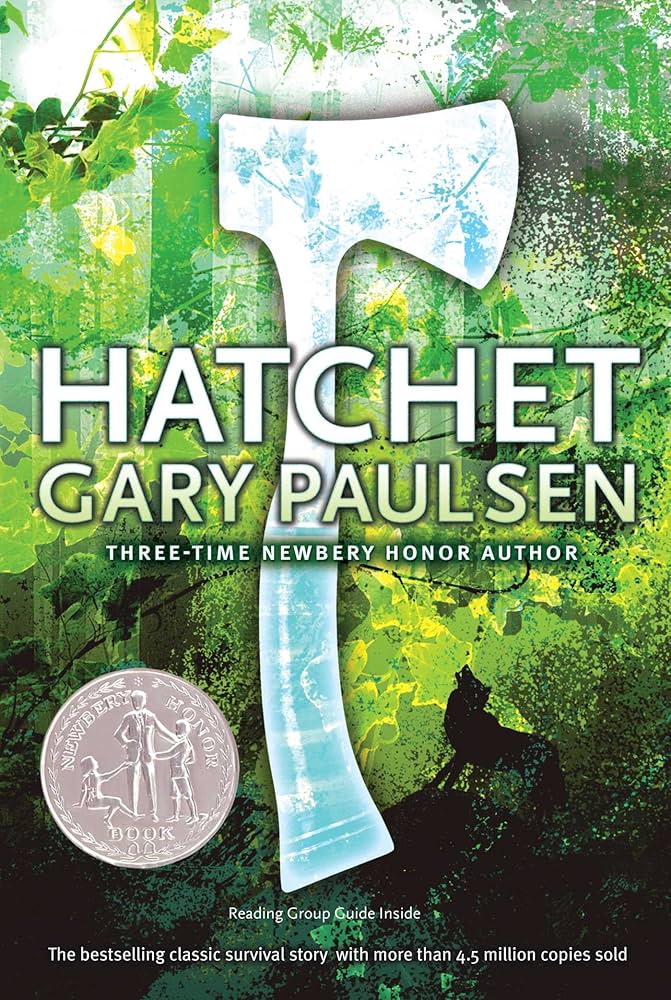
Hatchet by Gary Paulsen (Kindle Edition)
Iconic survival fiction with hyper-realistic wilderness skills like fire-starting and shelter-building.
Best for: Core reading material for Step 1; highlights transfer easily on Kindle.
Price Range: $7.99
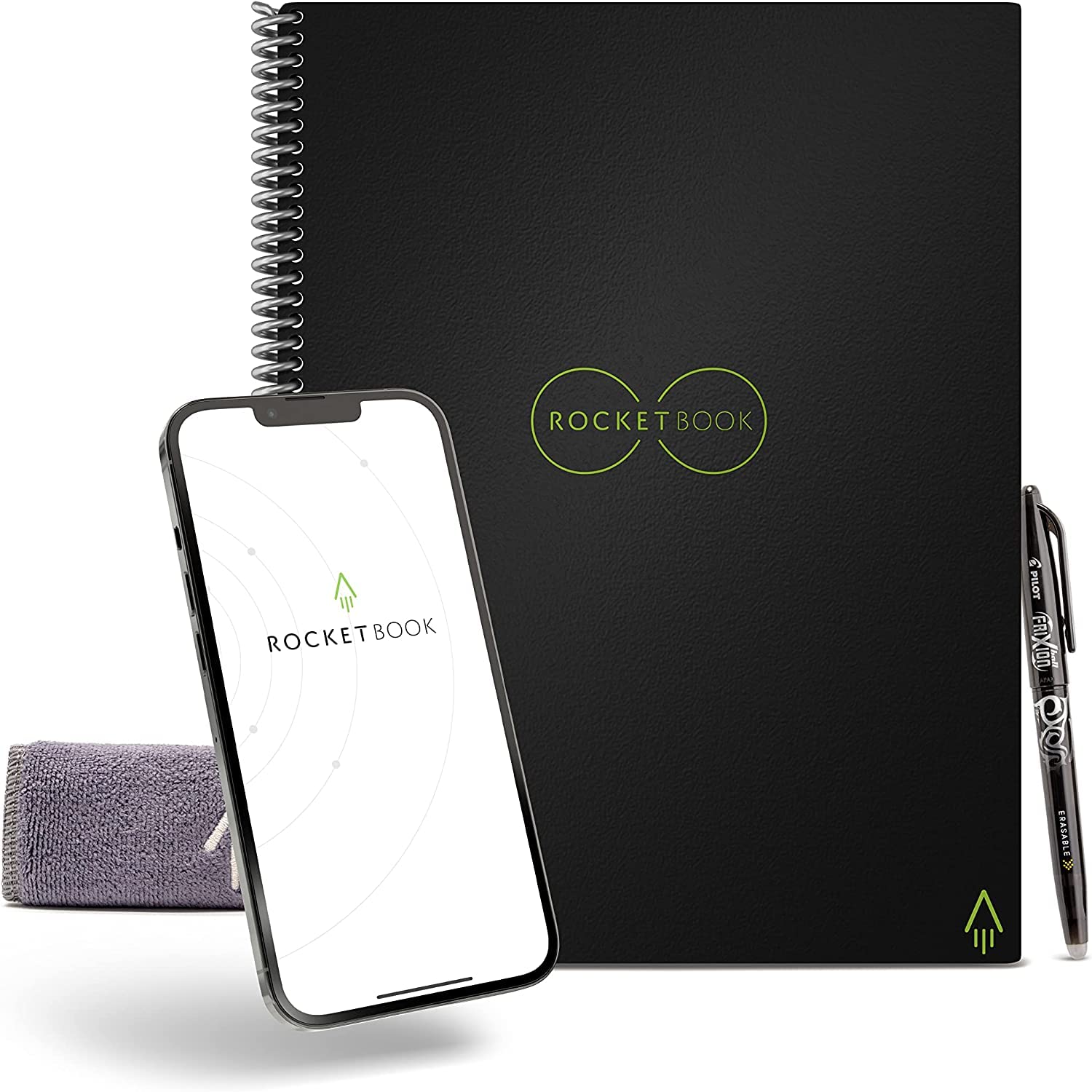
Rocketbook Core Reusable Smart Notebook
Eco-friendly, erasable pages sync to cloud—perfect for logging skills without paper waste.
Best for: Note-taking in Steps 2-4; reuse for multiple books.
Price Range: $25-$35
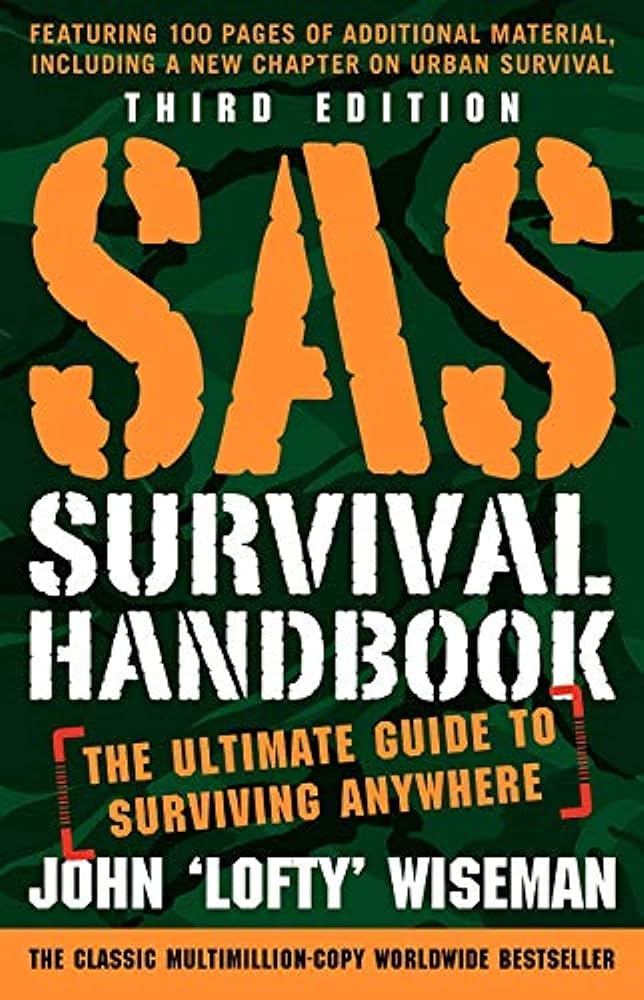
SAS Survival Handbook by John 'Lofty' Wiseman
Gold-standard reference to verify fiction skills accurately.
Best for: Cross-checking in Step 5; portable for field use.
Price Range: $15-$20
Kindle Paperwhite (2024)
Built-in dictionary, highlights, and X-Ray for quick skill lookups in ebooks.
Best for: Active reading in Steps 3-4; waterproof for outdoor inspo.
Price Range: $150-$160
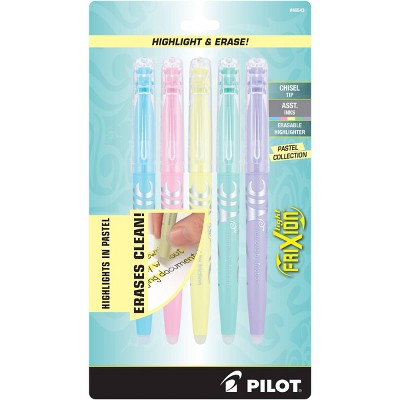
Pilot Frixion Erasable Highlighters (Set of 5)
Mistake-proof for physical books; erasable ink won't ruin pages.
Best for: Marking passages in Step 3.
Price Range: $10-$15