
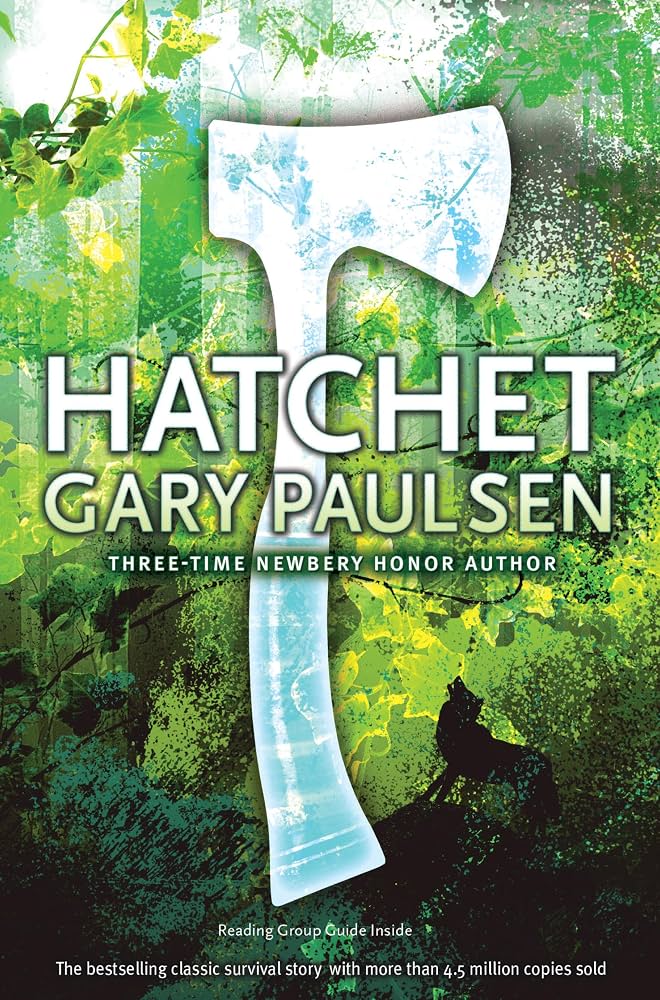
Hatchet by Gary Paulsen (Kindle Edition)
Starter book for solo survival lessons
$7.99
Hatchet by Gary Paulsen (Kindle Edition) Iconic survival fiction with detailed wilderness skills like tool-making and signaling
Get the App
Better experience on mobile
Extract practical survival techniques from action and adventure novels to boost your real-world preparedness in this step-by-step guide.
Imagine being stranded in the wilderness with nothing but your wits—skills straight from the pages of your favorite action and adventure books could save the day. Many readers dismiss fiction as pure entertainment, but books like Hatchet or The Survivalist series embed authentic survival wisdom from authors drawing on real expertise. This guide shows you how to mine these stories for actionable skills.
You'll learn to select books, read actively, note skills, verify them, and practice safely. Whether prepping for camping, emergencies, or just curiosity, this method turns passive reading into skill-building. As an intermediate reader, expect 1-2 hours to start, then 20-30 minutes per session over weeks.
No prior survival experience needed—just an open mind and consistent practice for results that stick.
Estimated Time: 1-2 hours to set up + 20-30 minutes per reading session; ongoing over 1-3 months for mastery Difficulty: intermediate
Start by curating a reading list of action and adventure fiction known for realistic survival elements. Look for stories involving wilderness survival, disaster scenarios, or tactical escapes. Classics like Hatchet by Gary Paulsen teach fire-starting and shelter-building, while Jack London's The Call of the Wild covers cold-weather endurance.
Why it matters: Not all fiction is equal—choose ones based on real events or expert input to ensure valuable skills. Expect to spend 15-20 minutes researching lists like 'best survival fiction.'
Pro tip: Prioritize series for repeated skill reinforcement.
💡 Tips:
⚠️ Warnings:
Before diving in, define 3-5 survival skills to focus on, like shelter-building, foraging, or navigation. Write them in your notebook: 'Extract 2 fire-starting methods from Chapter 5.'
This primes your brain for active learning, turning entertainment into education. You'll notice details you might otherwise skim.
💡 Tips:
Read slowly, highlighting passages describing skills. Use colors: yellow for techniques, green for tools, red for risks. Pause after key scenes to visualize: 'How would I rub sticks for friction fire?'
Active reading boosts retention by 50-70%. Expect interruptions for notes, extending read time but deepening insight.
💡 Tips:
⚠️ Warnings:
Organize notes into categories: Shelter, Fire, Water, Food, First Aid, Mindset. For each, note the scenario, method, and outcome from the book.
Example from Hatchet: Shelter - lean-to from branches; why: wind protection.
This structure reveals patterns across books, building a personal survival manual.
💡 Tips:
Cross-check book techniques online or with non-fiction sources. Search 'hatchet friction fire real?' to confirm viability. Note adaptations, like using a ferro rod instead of bow drill.
Fiction dramatizes, so verify to avoid danger—e.g., some plants are toxic despite book portrayal.
⚠️ Warnings:
Recreate skills step-by-step: Build a debris shelter in your backyard. Start small, film for review.
Practice cements knowledge (80% retention vs. 20% reading alone). Track progress in your journal.
💡 Tips:
After each book, review notes: What worked in practice? Update your 'survival playbook.' Reread highlights quarterly.
Iteration turns knowledge into instinct, preparing you for real adventures.
💡 Tips:
Problem: Skill doesn't work in practice (e.g., fire-starting fails)
Solution: Check environmental factors like moisture; try video tutorials and simpler methods first
Problem: Can't find realistic books
Solution: Use lists from SurvivalBlog or Goodreads; ask in r/booksuggestions
Problem: Notes become disorganized
Solution: Switch to a digital tool like Notion or indexed notebook; review weekly
Problem: Motivation wanes mid-book
Solution: Set micro-goals, like 1 skill per chapter; reward with related YouTube demos
Iconic survival fiction with detailed wilderness skills like tool-making and signaling
Best for: Starter book for solo survival lessons
Price Range: $7.99
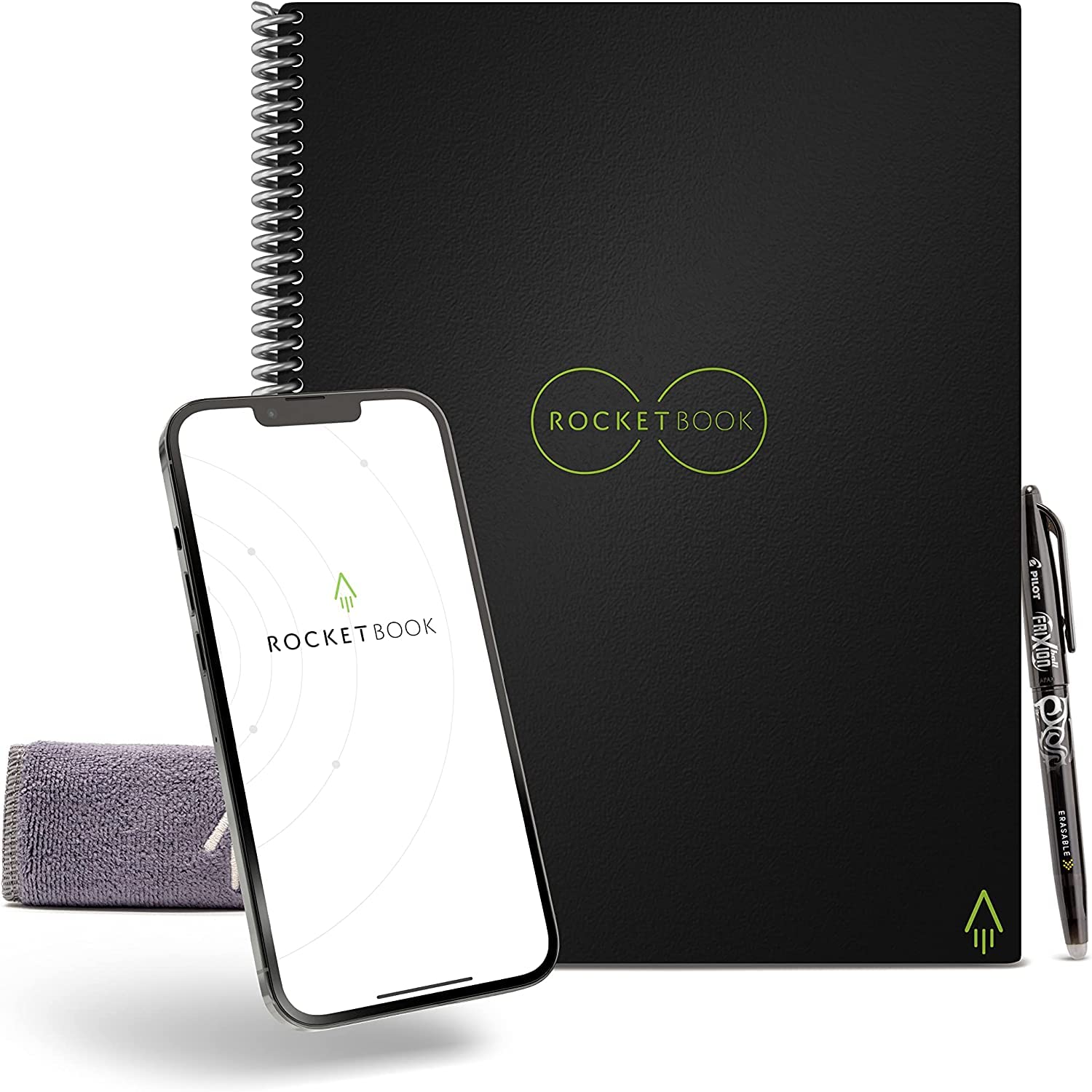
Eco-friendly, scannable pages perfect for organizing and digitizing survival notes
Best for: Note-taking during reading and practice sessions
Price Range: $25-$35
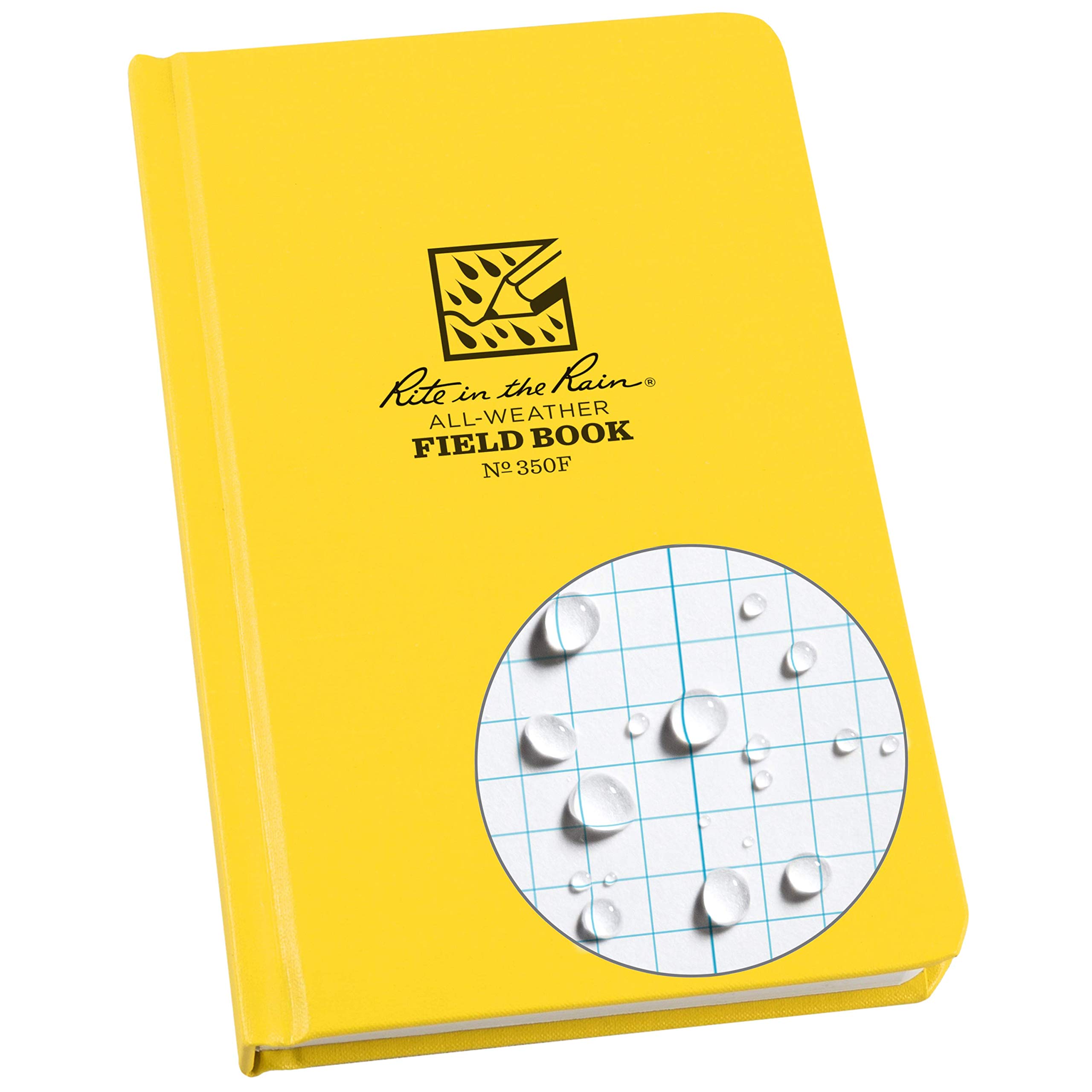
Weatherproof for outdoor note-taking on real survival tests
Best for: Field practice where regular paper fails
Price Range: $10-$15
Holds your entire fiction library with adjustable light for late-night skill mining
Best for: Portable reading during travel or camping prep
Price Range: $189.99
Matches multitools in adventure books; 18 tools for practicing book-inspired fixes
Best for: Hands-on survival gear testing
Price Range: $100-$120
Starter book for solo survival lessons
Hatchet by Gary Paulsen (Kindle Edition) Iconic survival fiction with detailed wilderness skills like tool-making and signaling
Note-taking during reading and practice sessions
Rocketbook Core Reusable Notebook Eco-friendly, scannable pages perfect for organizing and digitizing survival notes
Field practice where regular paper fails
Rite in the Rain All-Weather Field Notebook Weatherproof for outdoor note-taking on real survival tests

Portable reading during travel or camping prep
Kindle Paperwhite Signature Edition Holds your entire fiction library with adjustable light for late-night skill mining

Hands-on survival gear testing
Leatherman Wave+ Multitool Matches multitools in adventure books; 18 tools for practicing book-inspired fixes