
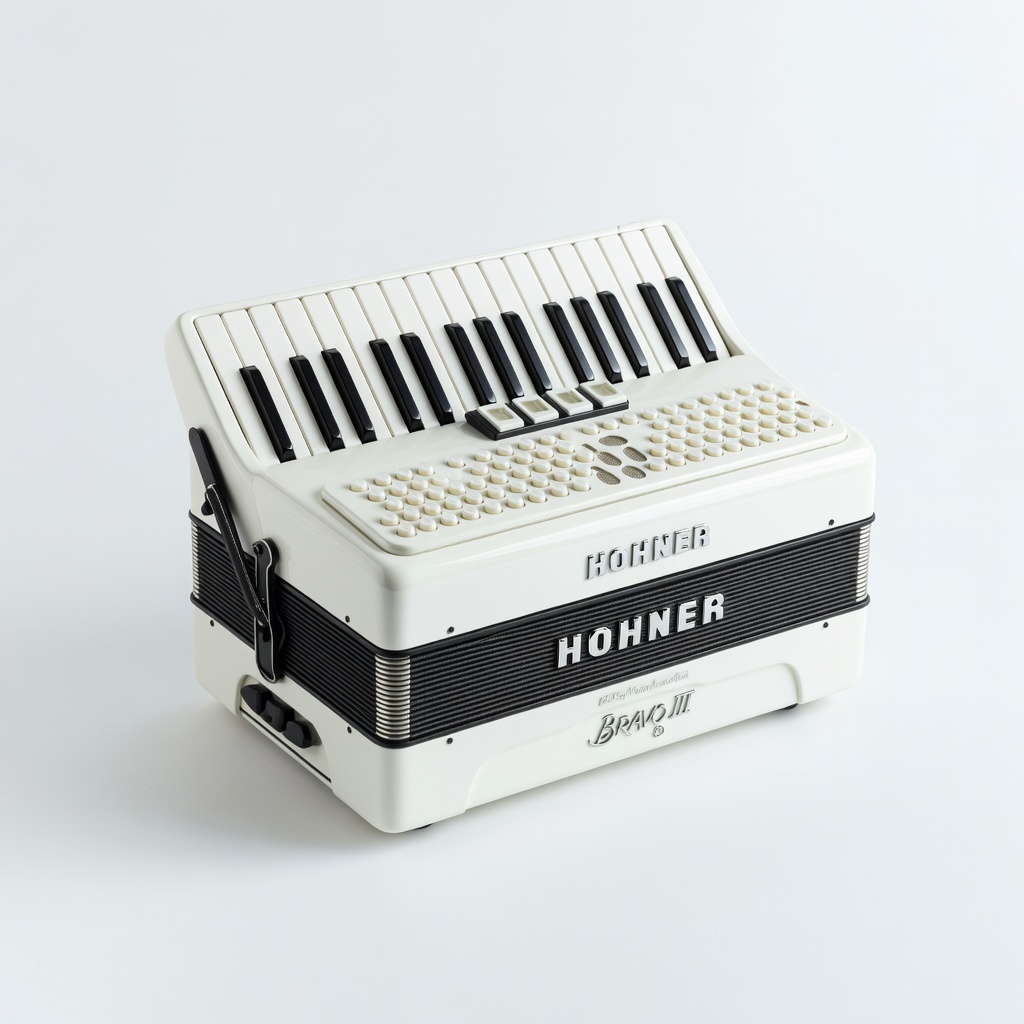
Hohner Bravo III 80 26-Key Piano Accordion
Daily practice of treble/bass reading.
$200-$250
Hohner Bravo III 80 26-Key Piano Accordion Perfect beginner piano-key accordion with clear bass/chord buttons for practicing sheet music.
Get the App
Better experience on mobile
Learn to decode accordion notation, understand bass chords and treble melodies, and play simple songs confidently in under an hour.
Struggling to make sense of those squiggly lines and symbols on accordion sheet music? You're not alone—many beginners feel overwhelmed by the dual staves and chord notations unique to accordion music. But once you crack the code, you'll unlock a world of tunes to play.
In this guide, you'll master the essentials: treble clef for melody, bass clef for chords, rhythms, and key signatures. By the end, you'll read and play basic sheet music like 'Twinkle Twinkle Little Star' on your accordion.
Expect a beginner-friendly process taking 30-45 minutes, with no prior music theory needed beyond basic note names.
Estimated Time: 30-45 minutes Difficulty: beginner
Accordion sheet music uses a grand staff: treble clef on top for right-hand melody, bass clef on bottom for left-hand bass/chords. The treble clef looks like a fancy 'G' curling around the G line; bass clef resembles a backwards 'C' with dots for F.
Why it matters: Accordions play melody and accompaniment simultaneously, so both hands read from this dual setup. Expect lines (staves) with 5 lines/spaces each, connected by a brace.
Hold your sheet vertically like a book.
💡 Tips:
Treble clef notes (right hand): Lines from bottom are E-G-B-D-F ('Every Good Boy Does Fine'), spaces F-A-C-E ('FACE'). Ledger lines extend below/above for low/high notes.
Practice: Find middle C (below staff on ledger line). Play each note slowly on your accordion's right keyboard, matching pitch by ear or tuner.
Success: You hum a note, find it on staff, play it correctly.
⚠️ Warnings:
Bass clef (left hand) shows single bass notes (solid notehead) or chords (stacked notes or brackets). Lines bottom-up: G-B-D-F-A; spaces A-C-E-G.
Accordion bass: Buttons or keys produce root + chord (major/minor/seventh). Symbols like 'C' mean C major triad (C-E-G).
Expect: Short stems up for bass, practice pressing left bass buttons while reading.
💡 Tips:
At sheet top: time signature like 4/4 (4 beats/bar, quarter note =1 beat) or 3/4 (waltz). Note values: whole=4, half=2, quarter=1, eighth=0.5.
Count aloud: '1-2-3-4' while tapping. Rests mean silence—match duration.
Success: Clap rhythms accurately before playing.
Key signature (sharps/flats after clef) sets the scale, e.g., 1 sharp = G major. Common for beginners: C (no sharps/flats), G (1 sharp), F (1 flat).
Why: Tells accidentals (temporary sharps/flats marked with ♯/♭). Circle them in pencil.
Practice: Play scale in that key first.
💡 Tips:
Symbols: Repeat signs (double bars with dots), ties (curved lines joining notes), dynamics like f (forte=loud), p (piano=soft).
Articulations: > for staccato (short), legato (smooth slur).
Success: Play a measure with correct volume changes.
Pick easy sheet like 'Ode to Joy'. Read slowly: left hand bass/chords first, add right melody, then rhythm.
Go measure-by-measure, use metronome at 60 BPM. Mark fingerings.
Success: Play through without stopping, 80% accurate.
💡 Tips:
⚠️ Warnings:
Review steps 1-7 daily. Increase tempo gradually. Transpose to new keys.
Why: Fluency comes from muscle memory + recognition.
Problem: Can't match note to accordion key/button.
Solution: Label your keyboard with note names (sticker kit) and use a tuner app like Tuner Lite.
Problem: Bass chords sound wrong.
Solution: Check button type (major/minor)—practice isolated bass patterns from tutorials.
Problem: Rhythm feels off.
Solution: Slow to half-speed with metronome; clap before playing.
Problem: Sheet too hard.
Solution: Downgrade to single-line melody sheets first; seek pro lessons if stuck.
Perfect beginner piano-key accordion with clear bass/chord buttons for practicing sheet music.
Best for: Daily practice of treble/bass reading.
Price Range: $200-$250
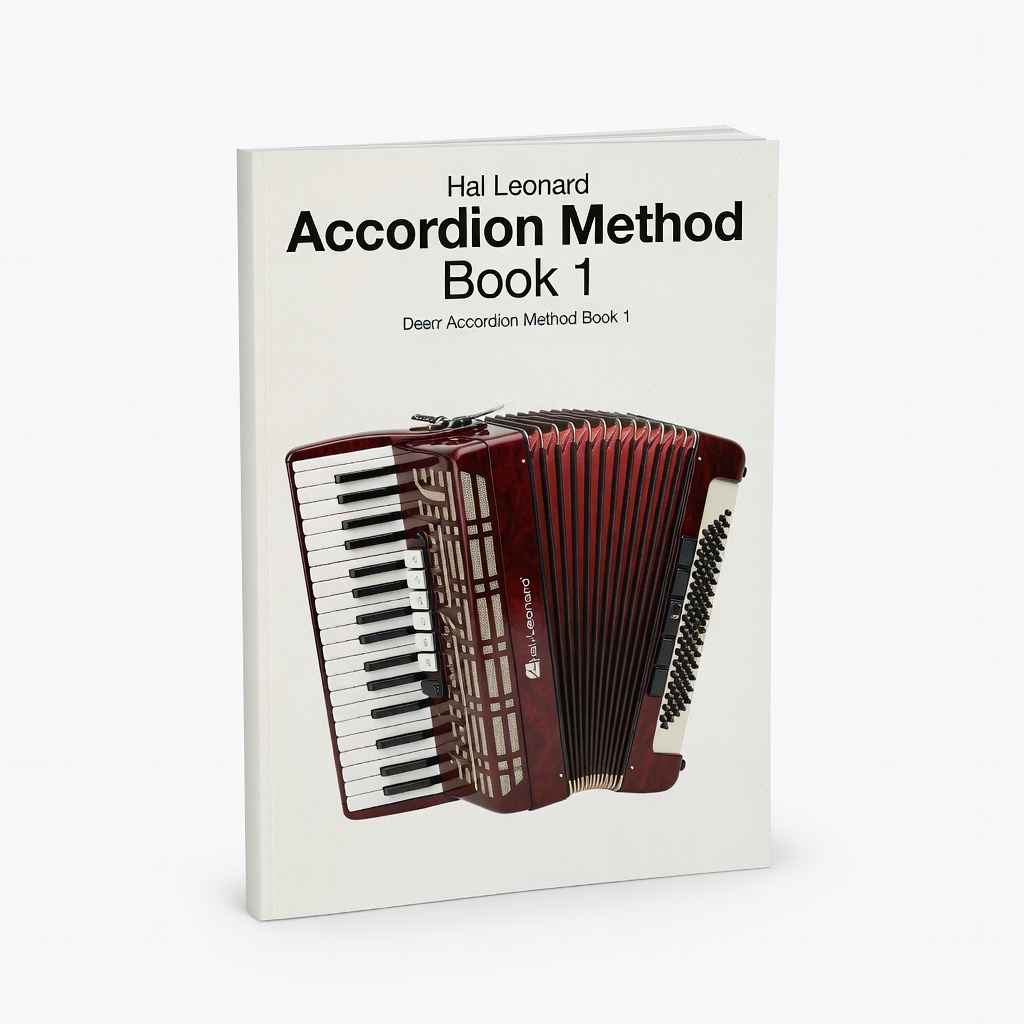
Step-by-step sheets with notation explanations tailored for accordion beginners.
Best for: Follow-along reading exercises.
Price Range: $10-$15
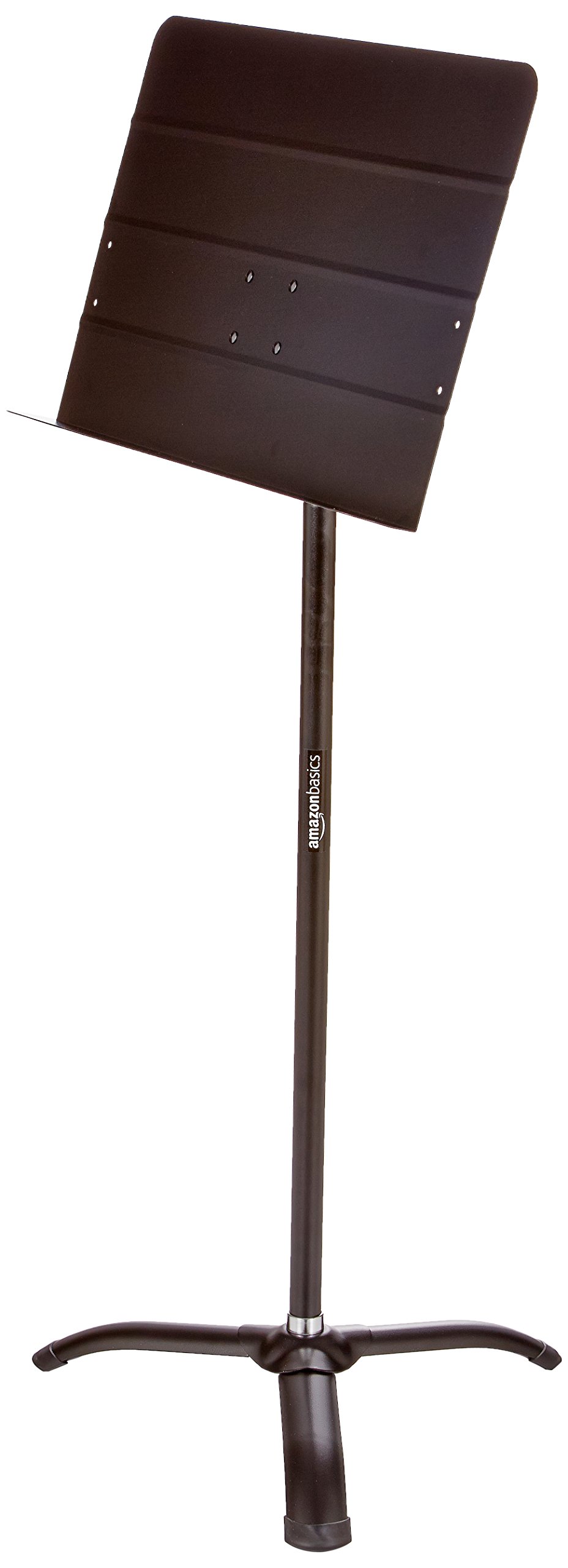
Adjustable height keeps sheets eye-level, reducing strain during long sessions.
Best for: Hands-free reading while playing.
Price Range: $15-$20
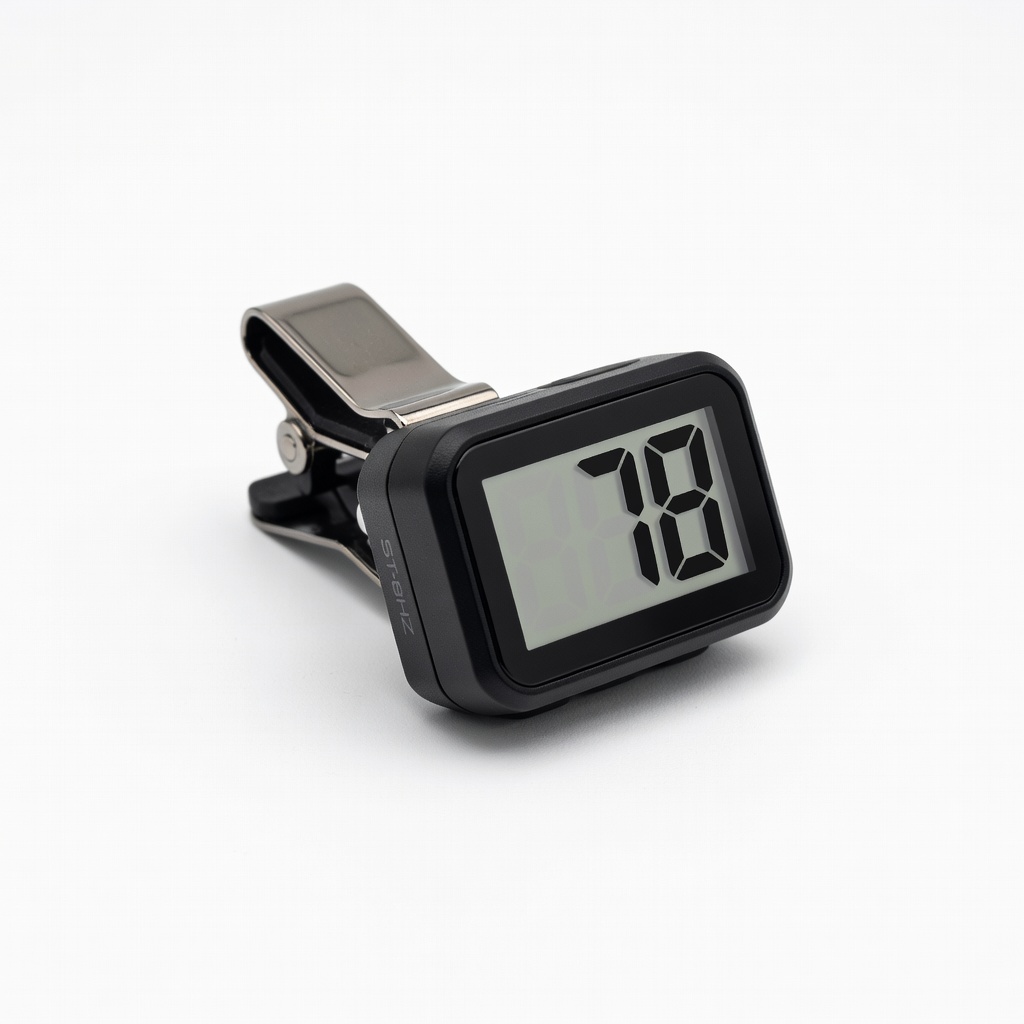
Accurate tuning for right notes when learning sheet music pitches.
Best for: Tune before each practice.
Price Range: $15-$20
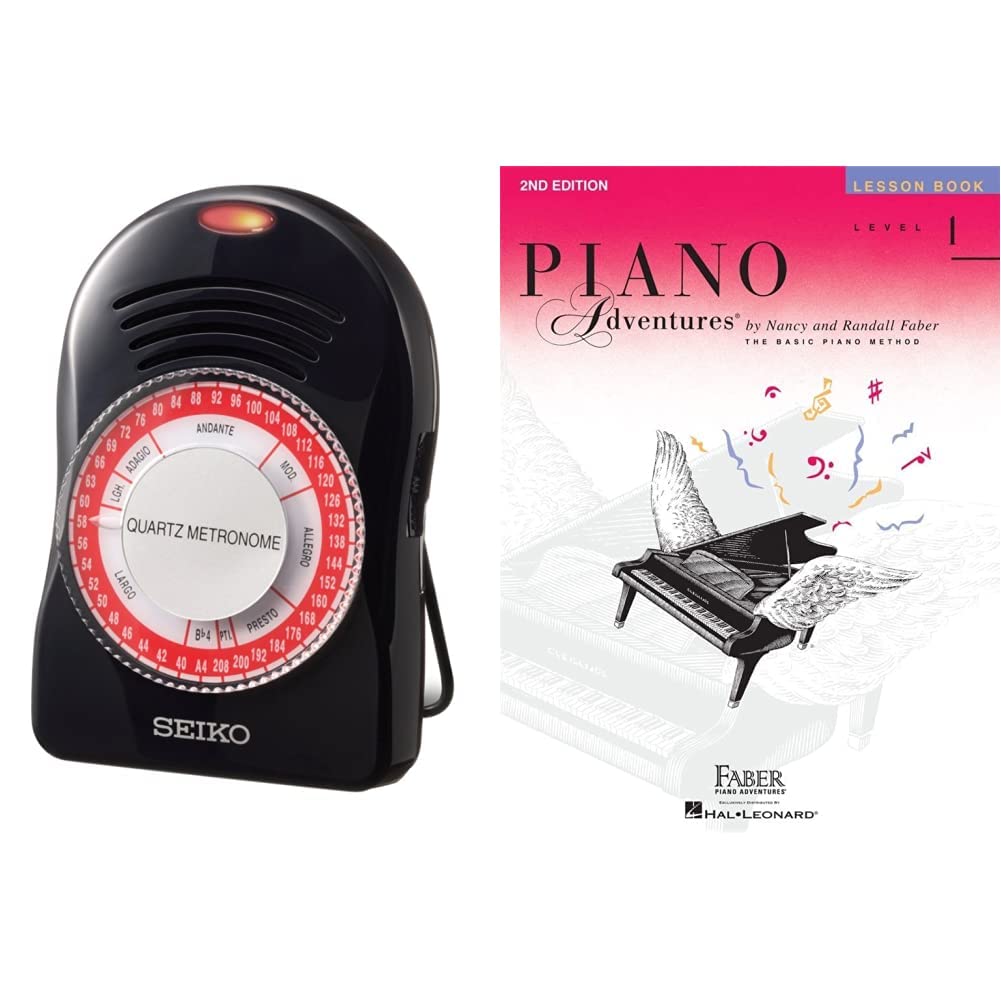
Quartz precision for perfect rhythm reading.
Best for: Build tempo control.
Price Range: $30-$40
Daily practice of treble/bass reading.
Hohner Bravo III 80 26-Key Piano Accordion Perfect beginner piano-key accordion with clear bass/chord buttons for practicing sheet music.
Follow-along reading exercises.
Hal Leonard Accordion Method Book 1 Step-by-step sheets with notation explanations tailored for accordion beginners.
Hands-free reading while playing.
Amazon Basics Portable Sheet Music Stand Adjustable height keeps sheets eye-level, reducing strain during long sessions.
Tune before each practice.
Snark ST-8HZ Clip-On Tuner Accurate tuning for right notes when learning sheet music pitches.
Build tempo control.
Seiko SQ50V Metronome Quartz precision for perfect rhythm reading.