
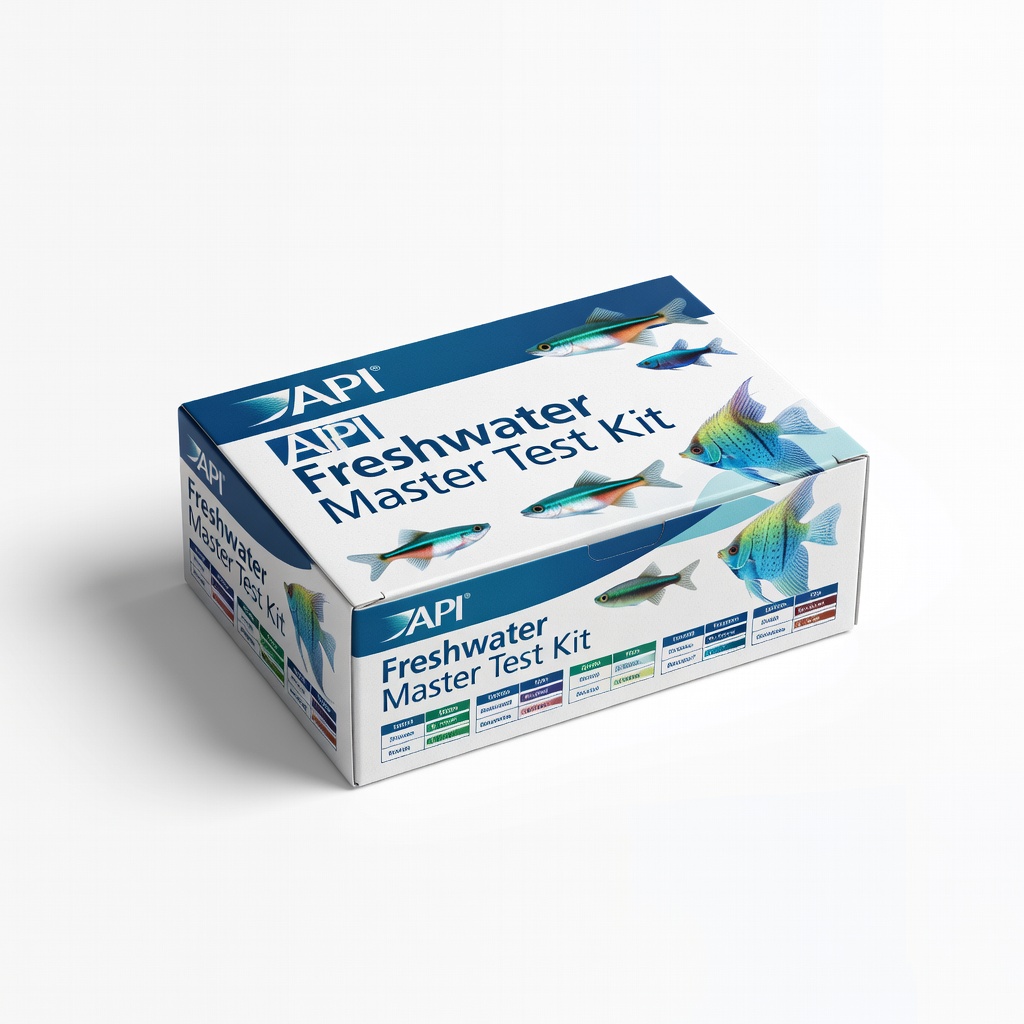
API Freshwater Master Test Kit
Testing ammonia, nitrite, nitrate, pH in QT and main tank.
$30-$35
API Freshwater Master Test Kit Essential for daily parameter checks to match main tank and catch issues early.
Get the App
Better experience on mobile
Protect your main tank from diseases with this step-by-step guide to setting up and maintaining a quarantine tank for new fish.
Adding new fish to your aquarium without quarantine is like inviting unvetted guests to a party—they could bring parasites, bacteria, or viruses like ich or velvet, wiping out your entire tank overnight. Intermediate aquarists know the heartbreak of a tank crash from one sick fish. This guide teaches you how to quarantine effectively, ensuring healthy introductions.
You'll learn to set up a dedicated quarantine tank (QT), acclimate fish, monitor health, and treat issues before transfer. The process takes 1-2 hours to set up plus 2-4 weeks of monitoring—straightforward for intermediate hobbyists with basic tank cycling knowledge.
Expect stable parameters, healthy fish behavior, and peace of mind when adding to your display tank.
Estimated Time: 1-2 hours setup + 2-4 weeks monitoring (15-30 min daily checks) Difficulty: intermediate
Choose a 5-10 gallon tank dedicated solely to quarantine—never reuse for display without thorough cleaning. Rinse with hot water and a mild bleach solution (1:20 ratio), then triple-rinse to remove residues. Place it in a stable, draft-free location near your main tank for easy parameter matching.
Why it matters: A clean, bare tank minimizes cross-contamination risks and simplifies disinfection later. Expect a neutral setup ready for cycling—no gravel or decor needed to avoid harboring pathogens.
Fill halfway with dechlorinated water matched to your main tank's temperature (78-82°F for tropicals).
💡 Tips:
⚠️ Warnings:
Add heater, thermometer, sponge filter powered by air pump, and light (timer for 8-12 hours/day). Plug in and set heater to match main tank temp.
Cycle the tank: Use seeded media from main filter or add stability bacteria. Test daily until ammonia/nitrite=0, nitrates<20ppm (3-7 days). Why? Prevents new tank syndrome stressing fish.
Success: Stable 0-0-10 parameters, steady temp.
💡 Tips:
Test and adjust QT water to mirror main tank: pH, hardness, salinity if applicable. Use conditioner like Prime for chlorine/chloramine. Add 1 tsp/gal non-iodized salt if treating freshwater fish (boosts slime coat).
Why crucial: Parameter shock kills faster than diseases. Expect crystal-clear water, params within 10% of main tank.
⚠️ Warnings:
Float the fish bag in QT for 15-20 min to equalize temp. Open bag, add 1/2 cup QT water every 5 min for 30-45 min, then net fish into QT (discard bag water).
Why? Gradual osmosis prevents shock. Expect fish swimming normally within hours, hiding initially is ok.
💡 Tips:
Feed small amounts 1-2x/day what they eat in 2 min. Observe for 14-28 days: flashing, lethargy, white spots, clamped fins.
Daily checks: Log behavior, test params. Why? Early disease detection. Success: Active fish, no symptoms, stable params.
⚠️ Warnings:
25-50% changes 2-3x/week with matched, temp-equalized water. Vacuum substrate lightly.
Why? Maintains params, removes waste/pathogens. Expect clearer water post-change.
💡 Tips:
If symptoms: Dose per med instructions (e.g., ParaGuard for parasites). Repeat as directed, with water changes between.
Isolate aggressive cases. Why? Stops spread. Success: Symptoms gone in 7-10 days.
⚠️ Warnings:
After 2-4 weeks symptom-free: Acclimate drip method to main tank. Repeat observation 1 week.
Disinfect QT: Bleach soak, rinse, dry. Success: Thriving fish in display.
💡 Tips:
Problem: Fish gasping at surface
Solution: Check oxygen (add airstone), ammonia (water change). If ich, treat with meds.
Problem: Ammonia spike post-addition
Solution: 50% water change, dose bacteria booster. Reduce feeding.
Problem: Fish not eating
Solution: Fast 2 days, offer varied foods. Stress? Improve hiding spots.
Problem: White spots appear
Solution: Ich: Raise temp to 86°F + meds like ParaGuard. Quarantine strictly.
Problem: QT too cold/hot
Solution: Calibrate thermometer/heater. Backup heater recommended.
Essential for daily parameter checks to match main tank and catch issues early.
Best for: Testing ammonia, nitrite, nitrate, pH in QT and main tank.
Price Range: $30-$35
Broad-spectrum treatment for parasites, bacteria, fungus—safe for most fish.
Best for: Proactive or reactive treatment during quarantine for ich, velvet.
Price Range: $13-$16
Reliable temp control crucial for tropical fish; shatter-resistant.
Best for: Maintaining 78-82°F in 5-10 gal QT.
Price Range: $20-$25
Dechlorinates, detoxifies ammonia/nitrite, promotes slime coat healing.
Best for: Every water change and initial setup.
Price Range: $10-$15
Gentle biological filtration ideal for QT—won't suck up fry or stressed fish.
Best for: Primary filtration with air pump for 5-10 gal.
Price Range: $10-$15
Testing ammonia, nitrite, nitrate, pH in QT and main tank.
API Freshwater Master Test Kit Essential for daily parameter checks to match main tank and catch issues early.

Proactive or reactive treatment during quarantine for ich, velvet.
Seachem ParaGuard Broad-spectrum treatment for parasites, bacteria, fungus—safe for most fish.
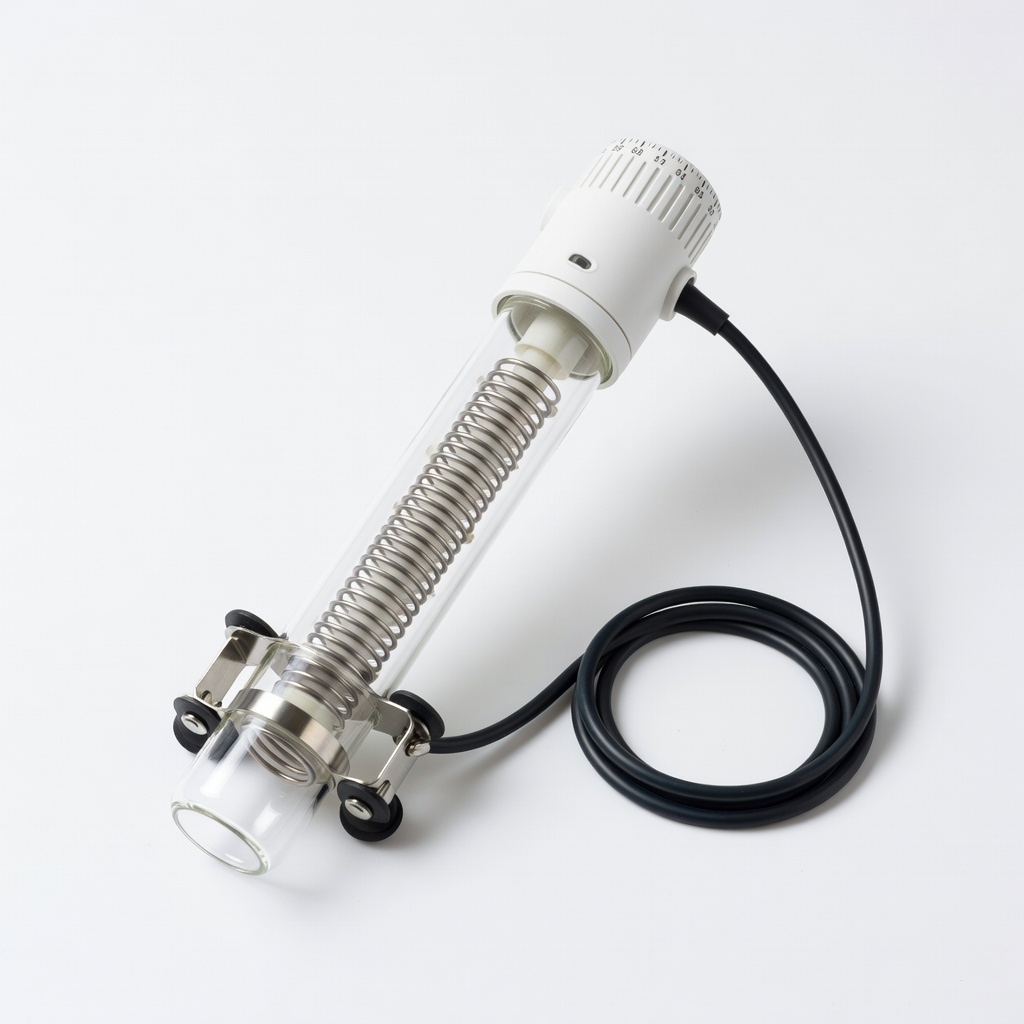
Maintaining 78-82°F in 5-10 gal QT.
Aqueon Submersible Aquarium Heater 50W Reliable temp control crucial for tropical fish; shatter-resistant.
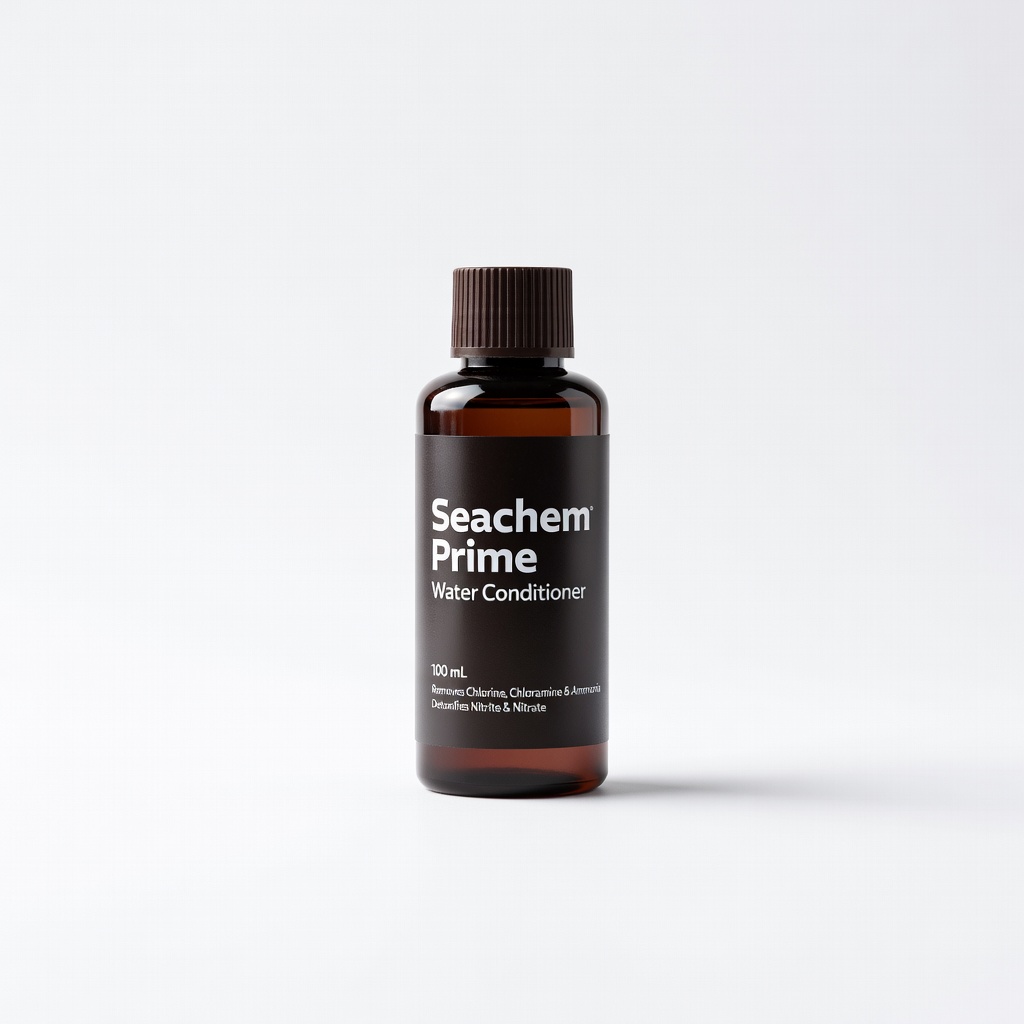
Every water change and initial setup.
Seachem Prime Water Conditioner Dechlorinates, detoxifies ammonia/nitrite, promotes slime coat healing.
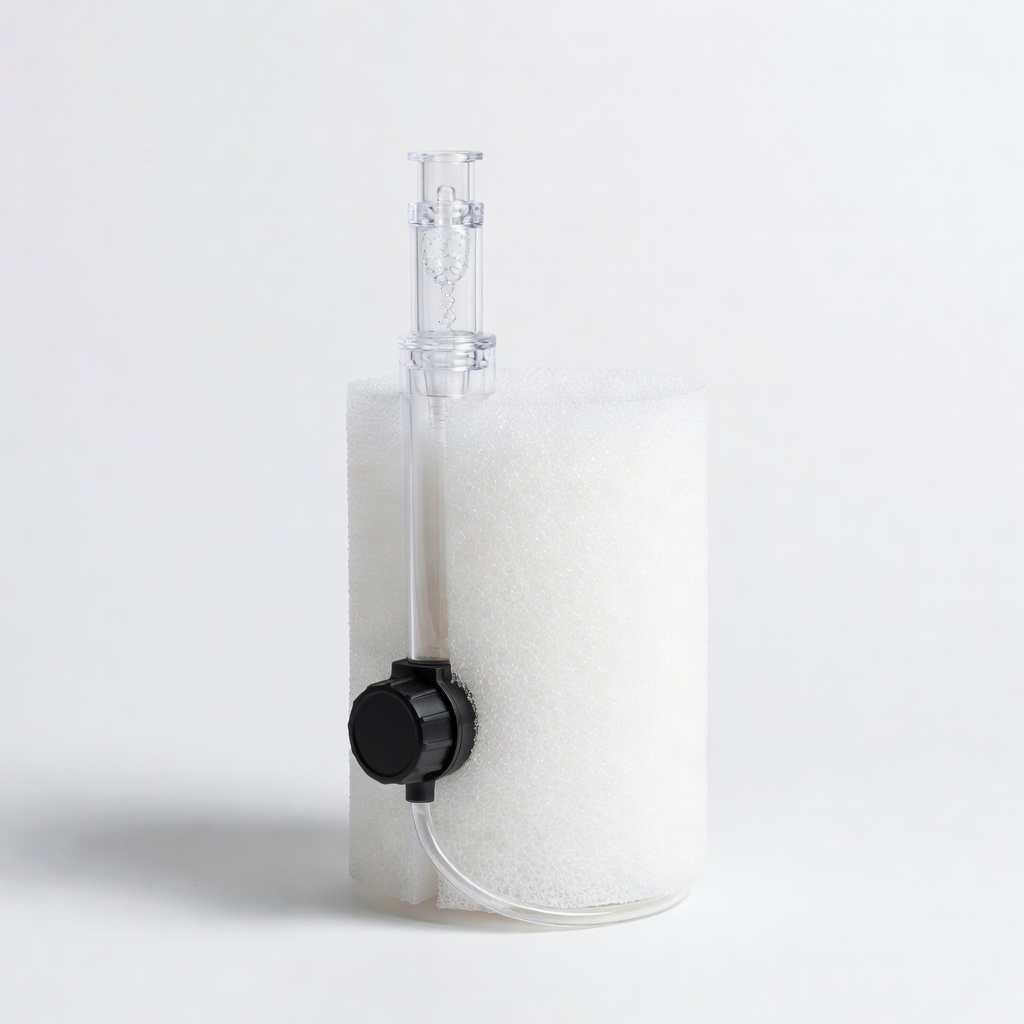
Primary filtration with air pump for 5-10 gal.
hygger Aquarium Sponge Filter Gentle biological filtration ideal for QT—won't suck up fry or stressed fish.