
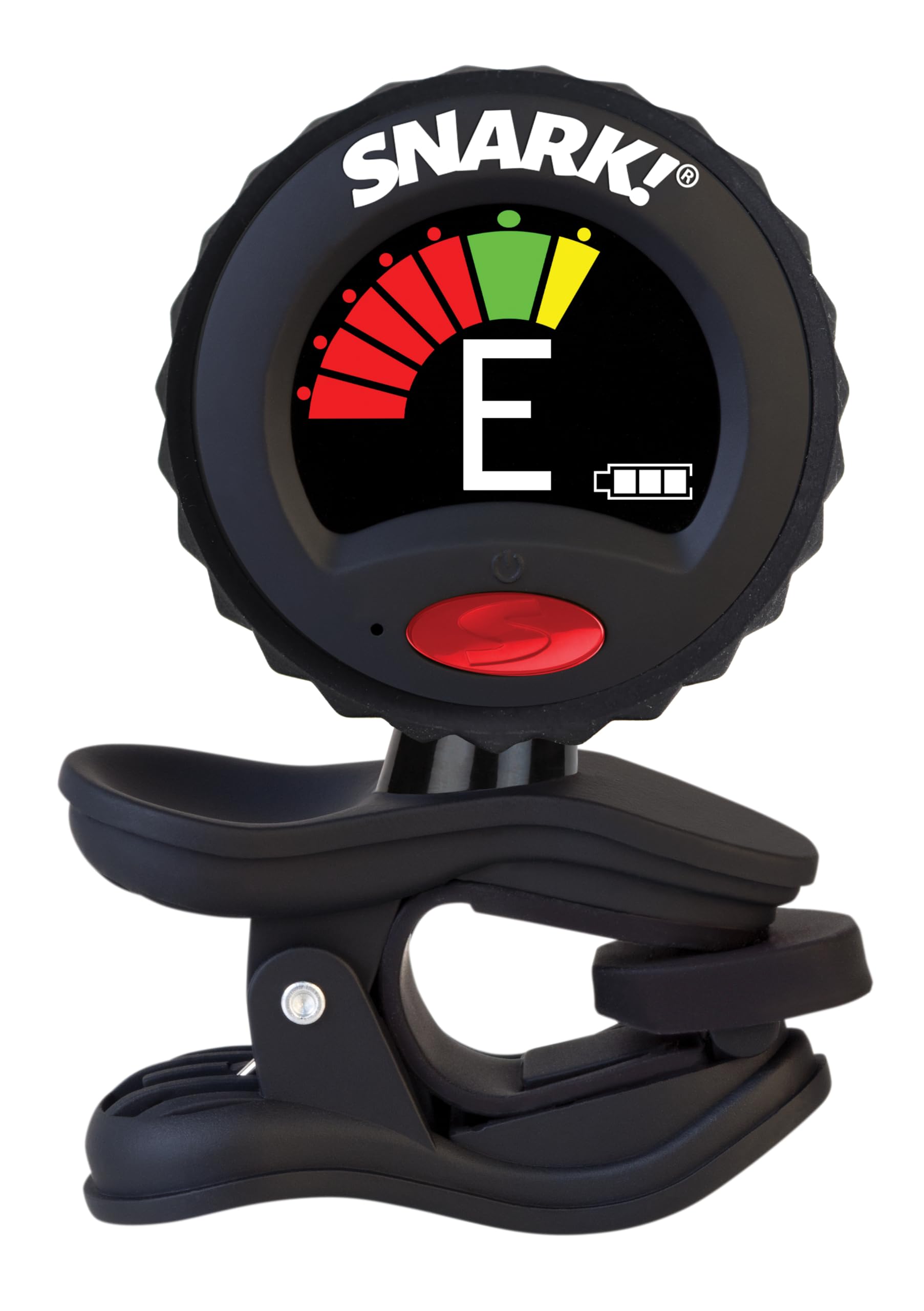
Snark SN-2 Clip-On Chromatic Tuner
All tuning and testing steps—clip on and go.
$14.99
Snark SN-2 Clip-On Chromatic Tuner Ultra-accurate cents display essential for precise intonation checks; stays put on headstock.
Get the App
Better experience on mobile
Master perfect intonation on your acoustic-electric guitar for spot-on tuning across the fretboard and pro-level playability in under an hour.
Ever notice your acoustic-electric guitar tunes perfectly open but sounds off up the neck? That's classic intonation issues—common after string changes, temperature shifts, or factory setups. Poor intonation kills playability, especially for recording or live piezo pickup use where accuracy matters most.
In this guide, you'll learn to diagnose and fix intonation step-by-step. We'll cover checking notes with a tuner, removing/adjusting the bridge saddle, and verifying results. Perfect for intermediate players comfortable with basic setups like truss rod tweaks.
Expect 45-90 minutes total, depending on adjustments needed. No advanced luthier skills required, but precision counts—grab the right tools and follow closely for a guitar that stays in tune everywhere.
Estimated Time: 45-90 minutes Difficulty: intermediate
Start with new strings—old ones stretch unevenly, ruining intonation checks. Install your preferred gauge (e.g., 12-53 for acoustics) using proper tension winding.
Tune to standard EADGBE using a chromatic tuner (not just guitar mode). Strum lightly and let notes settle for 1-2 minutes per string. Success: All open strings hit exact pitches (E=82.41Hz, etc.).
Why? Intonation is relative to scale length; stretched strings mislead readings.
💡 Tips:
⚠️ Warnings:
Place a capo at fret 1. At fret 8-9, hold down the low E string and measure gap to fret top with feeler gauge: 0.010-0.015" ideal.
Check action at 12th fret: 3/32" bass, 2/32" treble. Adjust truss rod if needed (quarter-turn max).
Success: Slight upward curve without buzzing. Why? Excessive relief or high action affects fret pressure and intonation readings.
💡 Tips:
⚠️ Warnings:
For each string: Play open (note it), 12th fret harmonic (should match), 12th fret fretted (compare).
Sharp fretted note = saddle too close to nut (move back). Flat = too far (move forward). Note worst offenders (often G/B strings).
Success: All three notes align within 5 cents on tuner. Repeat 2-3x per string.
💡 Tips:
⚠️ Warnings:
Detune all strings to low E (or slack). Gently rock saddle side-to-side with thumbs or screwdriver to pop it out of bridge slot.
Inspect: Note individual saddle pieces (compensated for A/D/G/B). Measure distances from bridge front to each saddle rear.
Success: Saddle out undamaged. Why? Allows position tweaks.
💡 Tips:
⚠️ Warnings:
For sharp strings: Sand rear bottom evenly (tape sandpaper to glass). 1/32" shortens scale ~3 cents.
For flat: Shim front bottom with brass (cut to fit, thin layers). Test-fit dry.
Success: Visual even taper; measure scale (nut to saddle rear should be ~2x nut-to-12th).
💡 Tips:
⚠️ Warnings:
Drop saddle back in slot (taper forward). Retune to pitch, pulling up firmly.
Tap lightly to seat. Play-test immediately.
Success: Saddle snug, no rocking.
💡 Tips:
⚠️ Warnings:
Repeat Step 3. Adjust iteratively (max 2-3 rounds). If piezo output clips, check saddle height.
Success: <3 cents deviation all strings. Play full neck—chords ring true.
Why? Ensures stability post-adjustment.
💡 Tips:
⚠️ Warnings:
Wipe bridge/neck. Play scales, chords up neck. Record if possible.
Success: In-tune everywhere, balanced piezo tone.
💡 Tips:
Problem: Saddle won't budge
Solution: Apply heat (hairdryer 30sec) or dental floss under edge. If glued, seek luthier.
Problem: Intonation still off after adjust
Solution: Check fret wear/leveling or nut slots. Measure full scale length.
Problem: High action post-shim
Solution: Sand top of shim or lower bridge overall (pro job).
Problem: Piezo sounds dead
Solution: Realign saddle over pickup; check battery.
Problem: Notes sharp only high frets
Solution: Frets leaning—needs pro setup.
Ultra-accurate cents display essential for precise intonation checks; stays put on headstock.
Best for: All tuning and testing steps—clip on and go.
Price Range: $14.99
Perfect grits for flat, even saddle sanding without gouging.
Best for: Rear sanding for sharp strings; tape to glass for straight edge.
Price Range: $9.99
Thin, cuttable brass for precise forward shims; doesn't compress like paper.
Best for: Flat strings needing scale extension.
Price Range: $8.99
Fine files shape saddle edges cleanly for compensated tweaks.
Best for: Refining uneven saddles post-sand.
Price Range: $10.49
Compact, swivel design for fretboard visibility; chromatic for harmonics.
Best for: Tight spaces during saddle reinstall checks.
Price Range: $14.99
All tuning and testing steps—clip on and go.
Snark SN-2 Clip-On Chromatic Tuner Ultra-accurate cents display essential for precise intonation checks; stays put on headstock.

Rear sanding for sharp strings; tape to glass for straight edge.
3M Wetordry Sandpaper Assortment (400-2000 grit) Perfect grits for flat, even saddle sanding without gouging.

Flat strings needing scale extension.
K&S Precision Metals Brass Shim Stock 0.010" Thin, cuttable brass for precise forward shims; doesn't compress like paper.
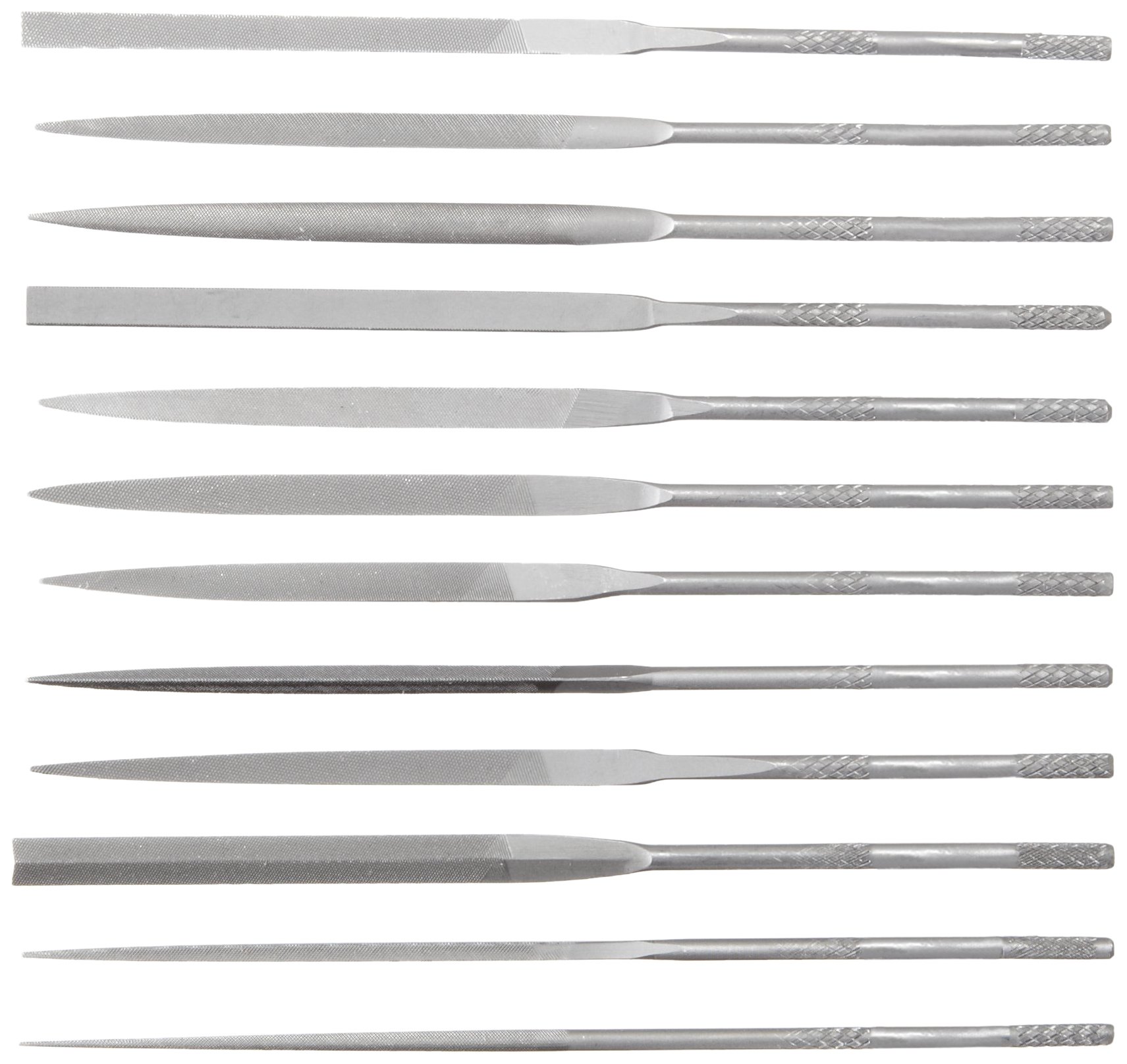
Refining uneven saddles post-sand.
Nicholson Needle File Set (4-Piece) Fine files shape saddle edges cleanly for compensated tweaks.

Tight spaces during saddle reinstall checks.
D'Addario NS Micro Clip-On Tuner Compact, swivel design for fretboard visibility; chromatic for harmonics.