
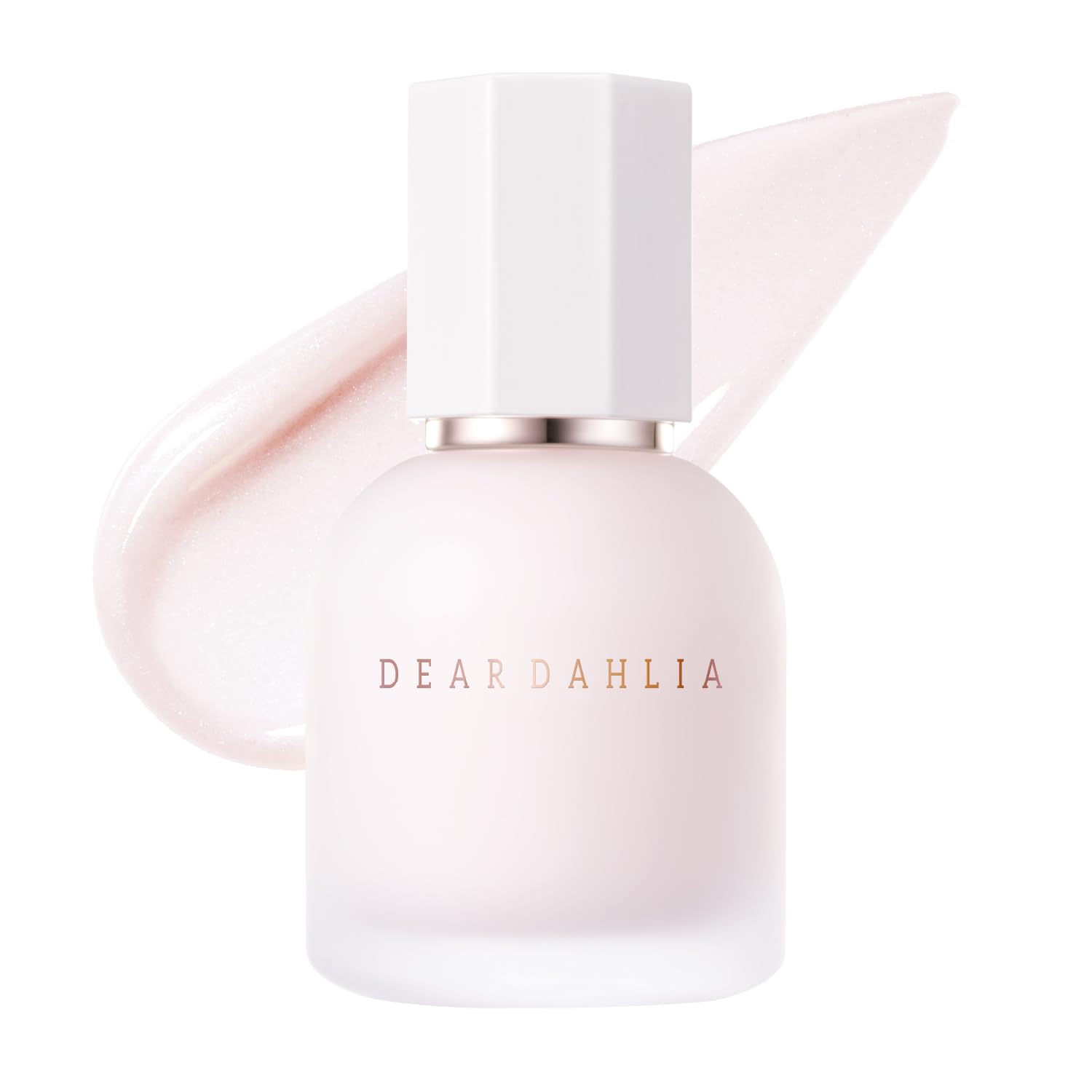
3M 94 Primer (051131-06951)
Auto trim, signage, tape applications needing quick dry (1 min touch).
$28-32
3M 94 Primer (051131-06951) Universal promoter excels on plastics, rubber, and composites; activates hard-to-bond surfaces like PP/PE.
Get the App
Better experience on mobile
Master surface priming with adhesive primers to create unbreakable bonds on plastics, metals, and composites in under an hour.
Struggling with adhesives that fail prematurely? Weak surface preparation is the #1 culprit behind peeling tape, delaminating bonds, and costly rework. Whether you're bonding auto trim, marine parts, or DIY projects, proper priming transforms slick, contaminated surfaces into adhesive magnets for bonds that withstand extreme conditions.
In this intermediate guide, you'll learn a foolproof step-by-step process to apply adhesive primers effectively. From cleaning and abrading to precise application and curing, we'll cover everything for professional results. Expect 30-60 minutes per square foot, depending on surface size—no advanced tools required, just intermediate DIY skills like sanding and masking.
By the end, your primed surfaces will pass the 'thumb test' (no wipe-off) and deliver 2-5x stronger bonds, saving time and frustration on your next project.
Estimated Time: 30-60 minutes per square foot (plus 5-30 minutes drying time) Difficulty: intermediate
Choose a well-ventilated area, ideally outdoors or under a fume hood, to avoid inhaling primer vapors. Lay down drop cloths and mask off surrounding areas with painter's tape and plastic sheeting to prevent overspray.
Put on PPE: nitrile gloves, safety glasses, and a respirator rated for organic vapors. Why? Primers contain solvents that can irritate skin, eyes, and lungs. Success looks like a contained workspace ready for mess-free work.
💡 Tips:
⚠️ Warnings:
Wipe the surface with a lint-free cloth soaked in isopropyl alcohol (IPA) to remove oils, waxes, dirt, and residues. Use multiple wipes until the cloth comes away clean—no streaks or residue.
Why it matters: Contaminants create a barrier, reducing bond strength by up to 80%. Expect a shiny, dry surface that's free of fingerprints. For stubborn grime, use a plastic scraper first, avoiding metal tools that scratch.
💡 Tips:
Sand the surface lightly with 220-400 grit sandpaper or a red Scotch-Brite pad in circular motions until it's uniformly dull—no glossy spots. This creates micro-roughness for the primer to grip.
Why: Chemical primers need a textured base; smooth surfaces fail adhesion tests. Wipe away dust immediately after. Success: A frosted, matte finish without deep gouges.
⚠️ Warnings:
Use a tack cloth or IPA-dampened lint-free cloth to pick up sanding dust. Then, blow off with compressed air if available, and final wipe with dry cloth.
Dust trapped under primer causes bubbles and weak spots. Expect a pristine, static-free surface ready for priming.
💡 Tips:
Shake aerosol primer vigorously for 1-2 minutes or stir brush-on primer well. Check compatibility: e.g., 3M 94 for plastics/PP/PE, Loctite SF 770 for plastics.
Why: Proper mixing activates adhesion promoters. Hold can 8-12 inches away. Success: Even spray mist, no clogs.
⚠️ Warnings:
Spray or brush a light, misty coat—aim for 'wet but see-through' coverage. Overlap passes 50% for uniformity. One coat often suffices for tapes; two for structural adhesives (wait 1-5 min between).
Why thin?: Thick films crack or pool, weakening bonds. Expect tacky feel in 1-3 min.
💡 Tips:
Let primer dry to touch (1-5 min), then tack-free (5-30 min per label). Avoid dust or handling.
Full cure: 24 hrs for max strength. Test: Press thumb—no transfer. Now ready for adhesive application.
⚠️ Warnings:
Problem: Primer bubbles or fisheyes
Solution: Surface not fully degreased—re-clean with IPA, let evaporate 10 min, re-prime.
Problem: Poor final bond strength
Solution: Check cure time exceeded? Abrade more aggressively or use compatible primer.
Problem: Primer won't spray evenly
Solution: Can too cold/shaken wrong—warm to 70°F, shake 2 min, test on scrap.
Problem: White haze or chalking
Solution: Over-application or high humidity—sand lightly, re-prime thinner.
Universal promoter excels on plastics, rubber, and composites; activates hard-to-bond surfaces like PP/PE.
Best for: Auto trim, signage, tape applications needing quick dry (1 min touch).
Price Range: $28-32
Low-viscosity for deep penetration into porous plastics; boosts cyanoacrylate and epoxy bonds.
Best for: Model making, electronics, small parts assembly.
Price Range: $20-25
Fast-evaporating solvent cleans and primes in one; affordable for metal/plastic.
Best for: Quick automotive repairs, gasket sealing.
Price Range: $10-15
Black formula for dark surfaces, hides coverage; strong for VHB tapes.
Best for: Outdoor/marine bonds, construction panels.
Price Range: $18-22
Auto trim, signage, tape applications needing quick dry (1 min touch).
3M 94 Primer (051131-06951) Universal promoter excels on plastics, rubber, and composites; activates hard-to-bond surfaces like PP/PE.
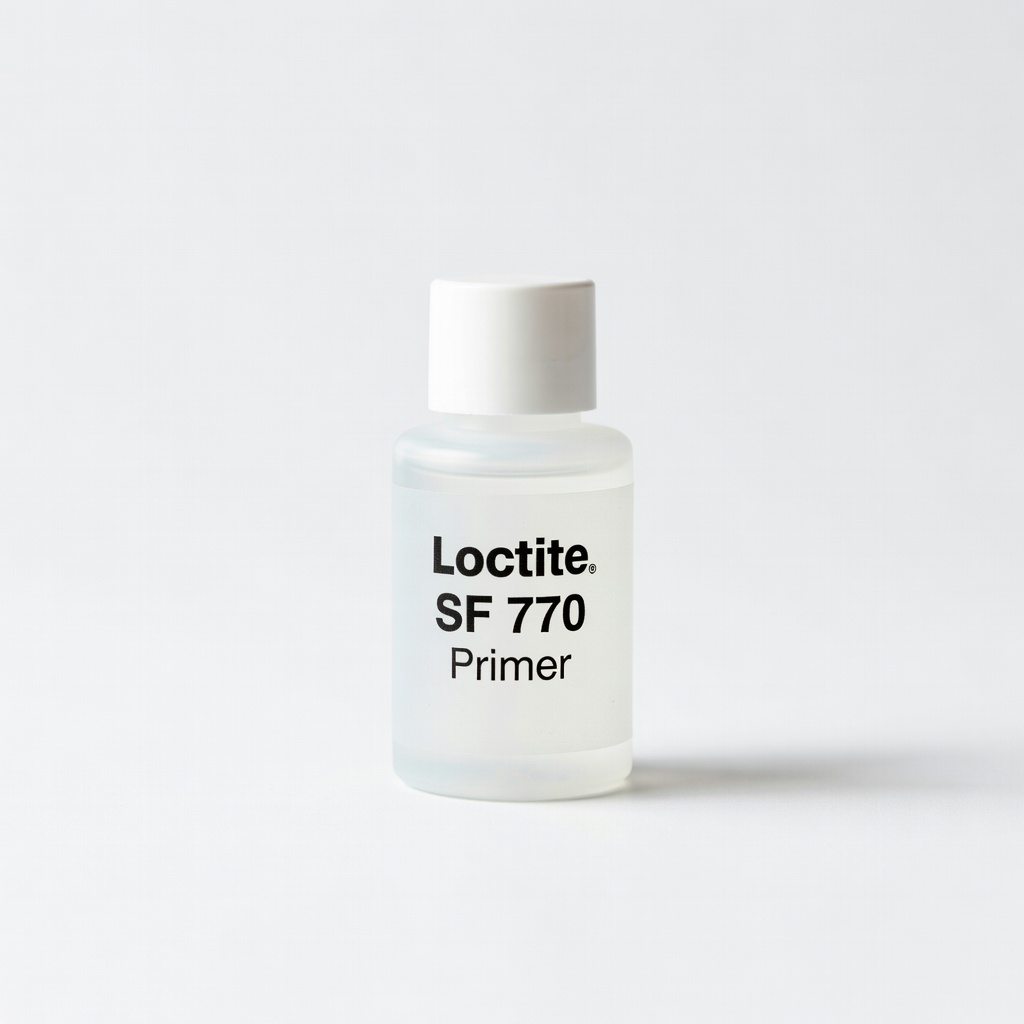
Model making, electronics, small parts assembly.
Loctite SF 770 Primer Low-viscosity for deep penetration into porous plastics; boosts cyanoacrylate and epoxy bonds.
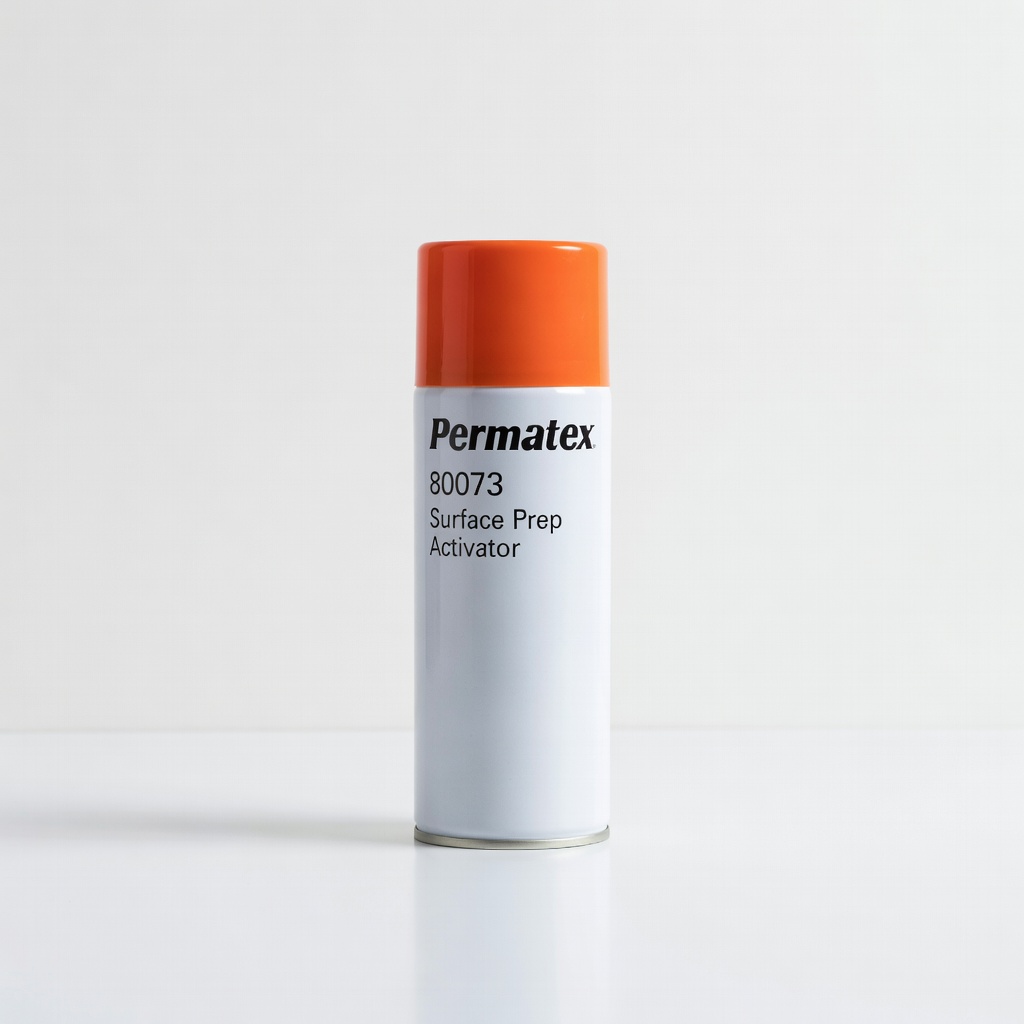
Quick automotive repairs, gasket sealing.
Permatex 80073 Surface Prep Activator Fast-evaporating solvent cleans and primes in one; affordable for metal/plastic.
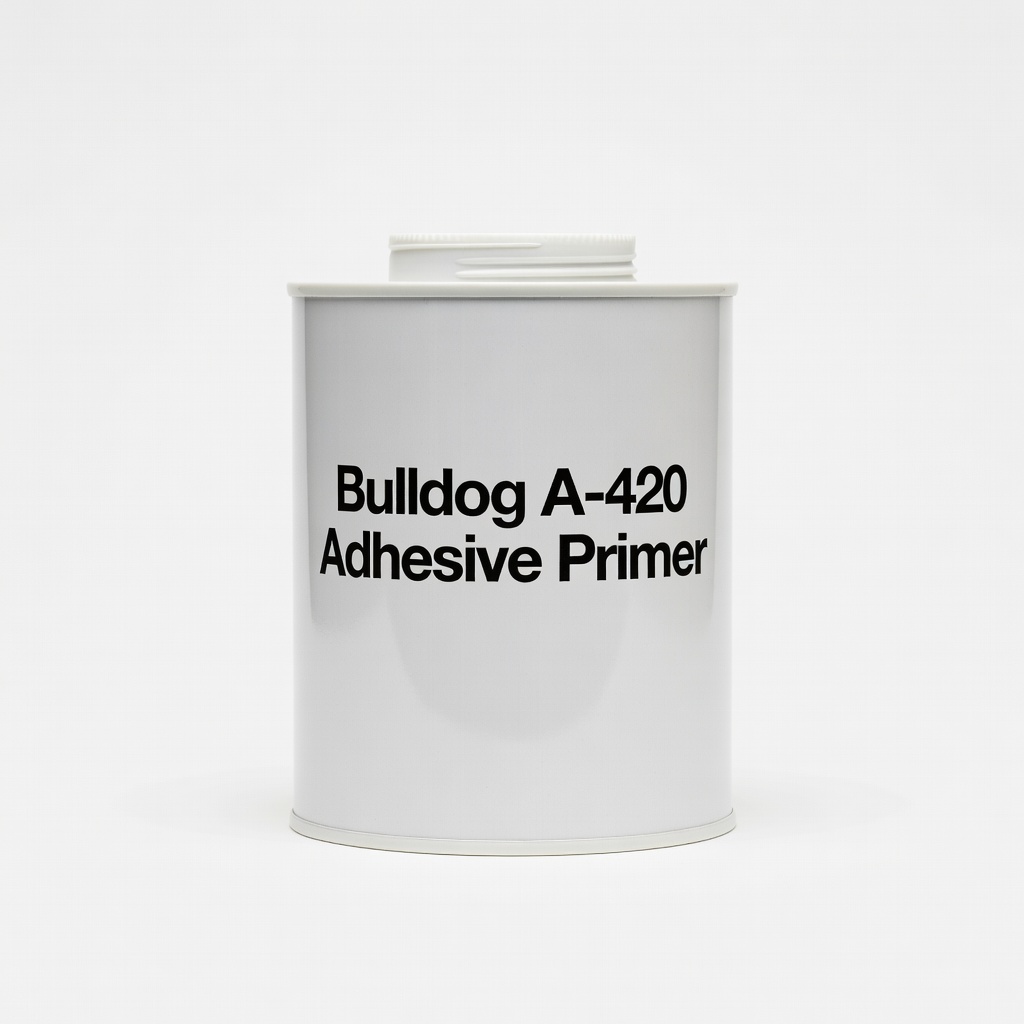
Outdoor/marine bonds, construction panels.
Bulldog A-420 Adhesive Primer Black formula for dark surfaces, hides coverage; strong for VHB tapes.