

3M Primer 94 Surface Primer
Automotive repairs, signage, general plastic bonding.
$24.99
3M Primer 94 Surface Primer Industry gold standard for polyolefins like PP/PE; promotes adhesion for tapes/epoxies without abrasion.
Get the App
Better experience on mobile
Master surface priming with adhesive primers to achieve unbreakable bonds on tricky plastics like PP and PE in under 45 minutes.
Plastics like polyethylene (PE), polypropylene (PP), and PTFE are notoriously hard to bond because they're low-surface-energy materials that repel adhesives. Without proper priming, your bonds fail quickly, wasting time and materials—common in automotive repairs, crafts, or manufacturing. This guide solves that pain point.
You'll learn a foolproof step-by-step process to apply adhesive primers, ensuring maximum adhesion for tapes, epoxies, or cyanoacrylates. Expect 20-30 minutes of active work plus drying time. Perfect for intermediate DIYers or pros handling plastic fabrication.
By the end, your primed surfaces will pass the 'tape test' with flying colors, ready for permanent bonding.
Estimated Time: 30-45 minutes active time + 5-10 minutes drying Difficulty: intermediate
Choose a well-ventilated area, ideally outdoors or under a fume hood, to avoid inhaling primer vapors. Cover your work surface with drop cloths to catch overspray. Put on nitrile gloves, safety glasses, and a respirator rated for organic vapors.
Why it matters: Primers contain solvents that are flammable and irritating. Proper setup prevents health risks and mess.
Success looks like: A clean, protected area with you fully geared up.
💡 Tips:
⚠️ Warnings:
Wipe the plastic with a dry lint-free cloth to remove dust, dirt, or loose particles. Then, soak a cloth in isopropyl alcohol and wipe vigorously, changing cloths as they get dirty.
Why it matters: Contaminants block primer adhesion; alcohol evaporates quickly without residue.
Success looks like: Surface feels dry, clean, and slightly tacky from alcohol—no streaks or residue.
💡 Tips:
⚠️ Warnings:
For greasy surfaces (e.g., automotive parts), use more IPA or a plastic-safe degreaser. Scrub lightly with a swab and let dry completely (1-2 minutes).
Why it matters: Fingerprints or mold release agents on plastics kill bonds.
Success looks like: Water beads off untreated plastic but sheets evenly on cleaned areas (test with water drop).
💡 Tips:
For intermediate users, scuff the surface with 220-400 grit sandpaper in a crosshatch pattern. Wipe away dust with IPA.
Why it matters: Creates micro-roughness for mechanical interlocking, boosting primer grip on smooth plastics.
Success looks like: Uniform dull matte finish, no deep scratches.
💡 Tips:
⚠️ Warnings:
Shake the aerosol can vigorously for 1 minute. If brush-on, stir well. Test spray on scrap cardboard to check flow.
Why it matters: Ensures even primer consistency without clogs.
Success looks like: Steady mist from nozzle, no sputtering.
💡 Tips:
Hold can 6-8 inches away and apply thin, even coats in sweeping motions. Cover the bond area fully but avoid drips—1-2 light coats suffice.
Why it matters: Thin layers activate surface energy without pooling.
Success looks like: Uniform wet sheen drying to clear film.
💡 Tips:
⚠️ Warnings:
Let air dry for 5-10 minutes (check product label). Surface should feel dry to touch.
Why it matters: Primer needs time to chemically etch the plastic.
Success looks like: Clear, non-tacky film ready for adhesive.
💡 Tips:
Examine for even coverage, no bubbles or runs. Apply a small test adhesive patch and tug after cure.
Why it matters: Catches issues before full assembly.
Success looks like: Primer film intact, test bond holds firmly.
💡 Tips:
Problem: Primer puddles or runs
Solution: Apply thinner coats; hold can farther away. Wipe excess immediately with IPA.
Problem: Bond still fails after priming
Solution: Re-clean and abrade more; verify plastic type matches primer. Test cure time.
Problem: Nozzle clogs
Solution: Invert can and spray until clear. Soak in solvent if needed.
Problem: Primer doesn't dry
Solution: Improve ventilation/airflow; check temp >60°F. Humidity too high?
Industry gold standard for polyolefins like PP/PE; promotes adhesion for tapes/epoxies without abrasion.
Best for: Automotive repairs, signage, general plastic bonding.
Price Range: $24.99
Fast-drying, low-odor formula excels on difficult plastics for cyanoacrylate glues.
Best for: Model making, crafts, quick repairs.
Price Range: $18.99-$25
Dual-purpose cleaner/primer combo; budget-friendly for light prep.
Best for: DIY auto plastics, smaller projects.
Price Range: $12.99
Precision applicator for spot priming; no overspray mess.
Best for: Electronics, detailed work.
Price Range: $15-$20
Heavy-duty for tapes on HDPE/PP; economical bulk option.
Best for: Industrial packaging, large surfaces.
Price Range: $35-$50
Automotive repairs, signage, general plastic bonding.
3M Primer 94 Surface Primer Industry gold standard for polyolefins like PP/PE; promotes adhesion for tapes/epoxies without abrasion.
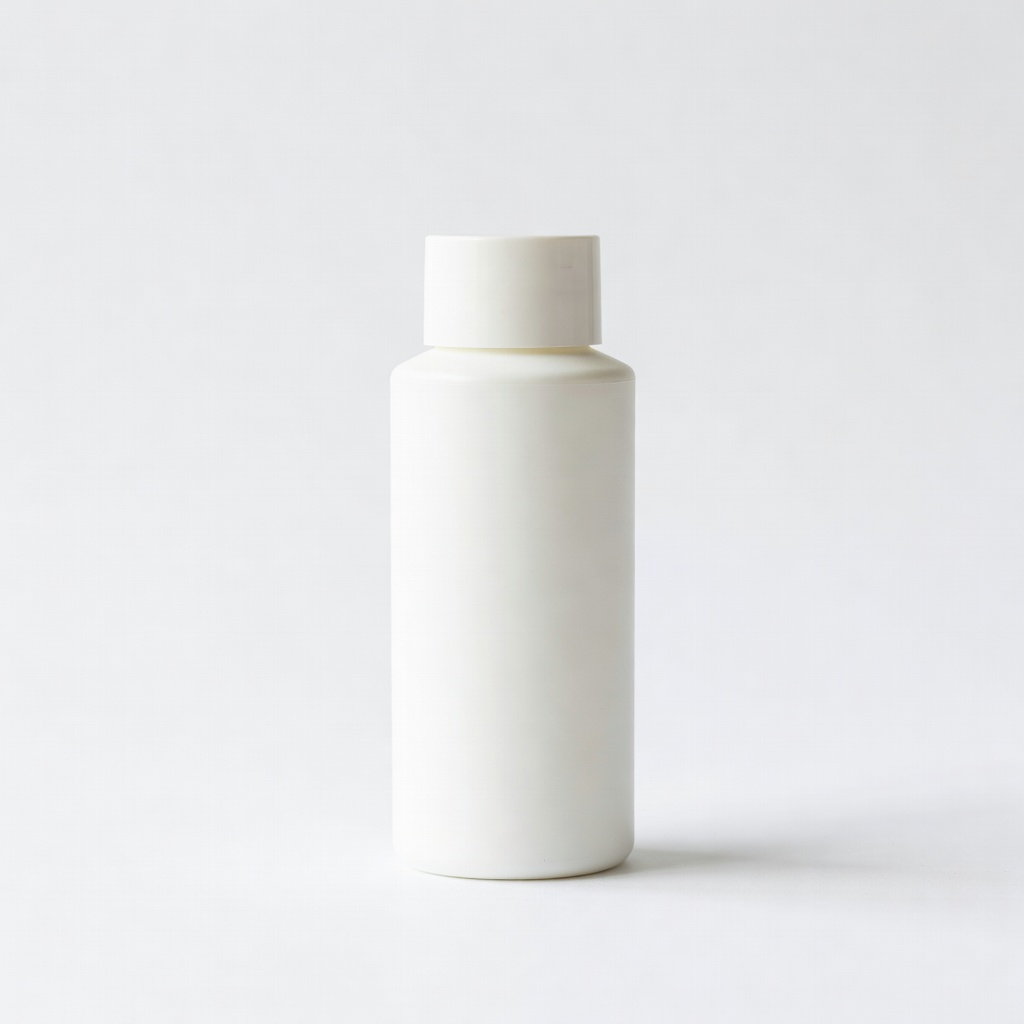
Model making, crafts, quick repairs.
Loctite SF 770 Plastics Primer Fast-drying, low-odor formula excels on difficult plastics for cyanoacrylate glues.
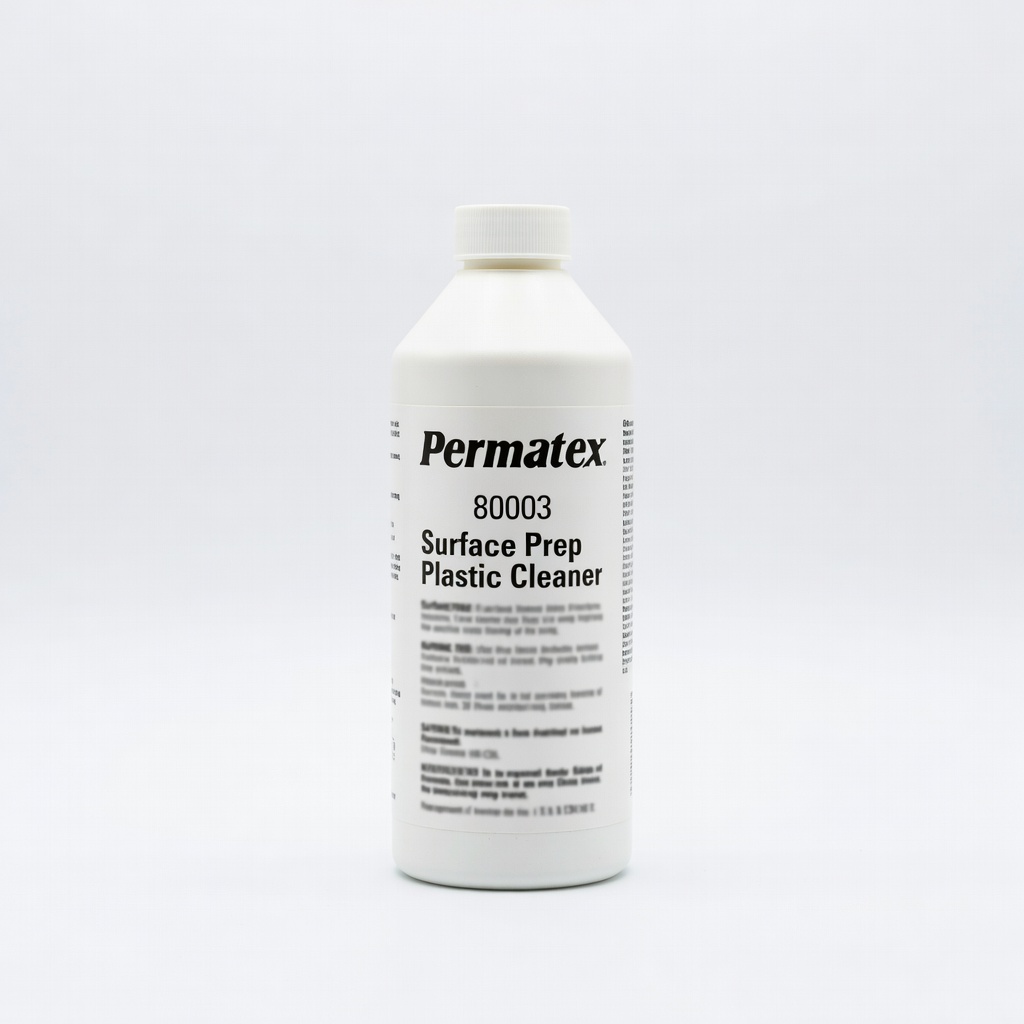
DIY auto plastics, smaller projects.
Permatex 80003 Surface Prep Plastic Cleaner Dual-purpose cleaner/primer combo; budget-friendly for light prep.
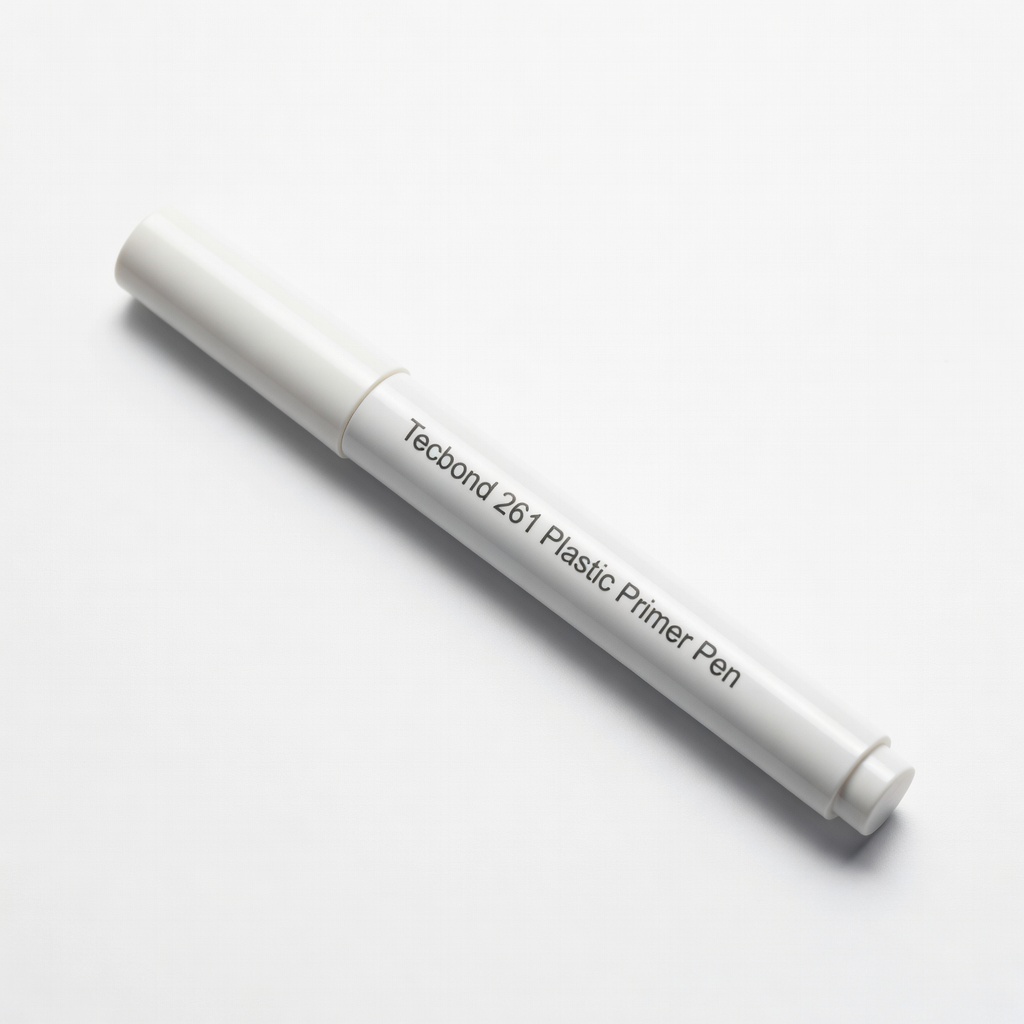
Electronics, detailed work.
Tecbond 261 Plastic Primer Pen Precision applicator for spot priming; no overspray mess.
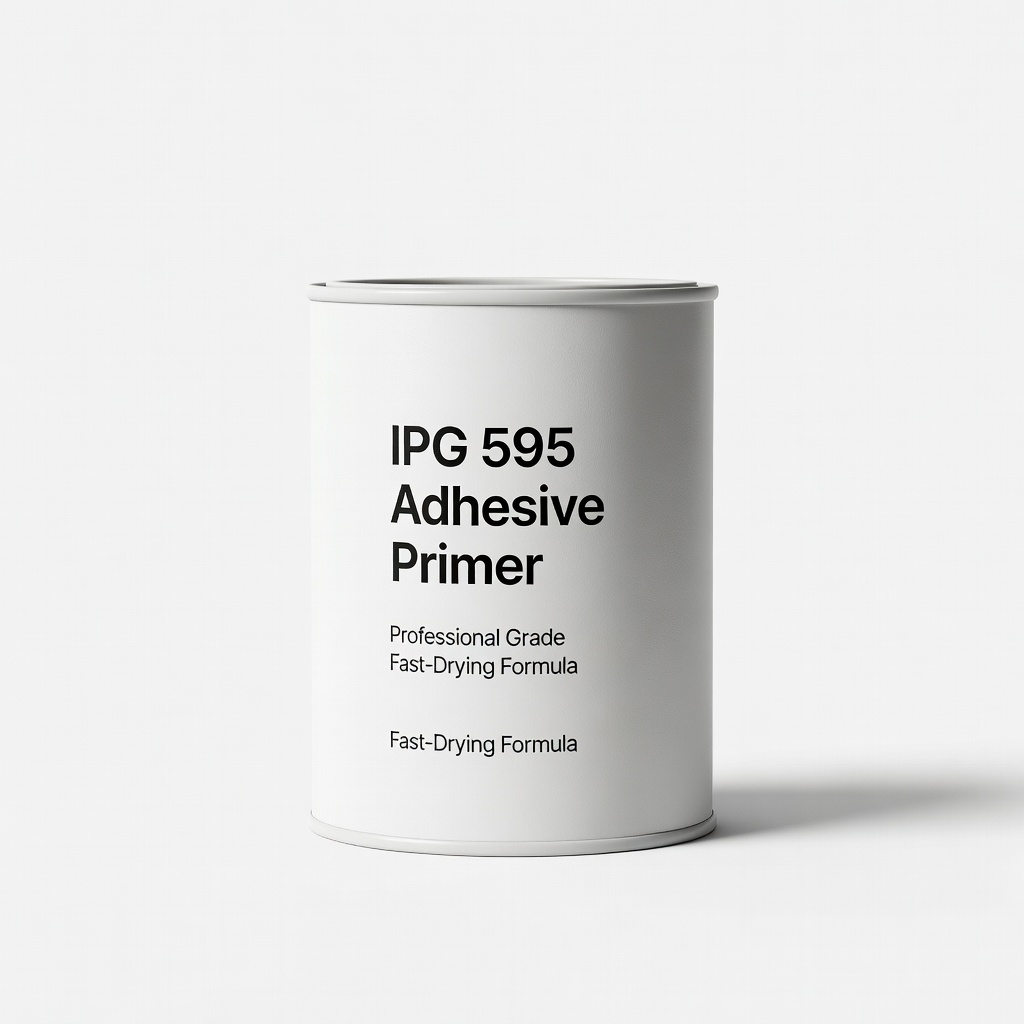
Industrial packaging, large surfaces.
IPG 595 Adhesive Primer Heavy-duty for tapes on HDPE/PP; economical bulk option.