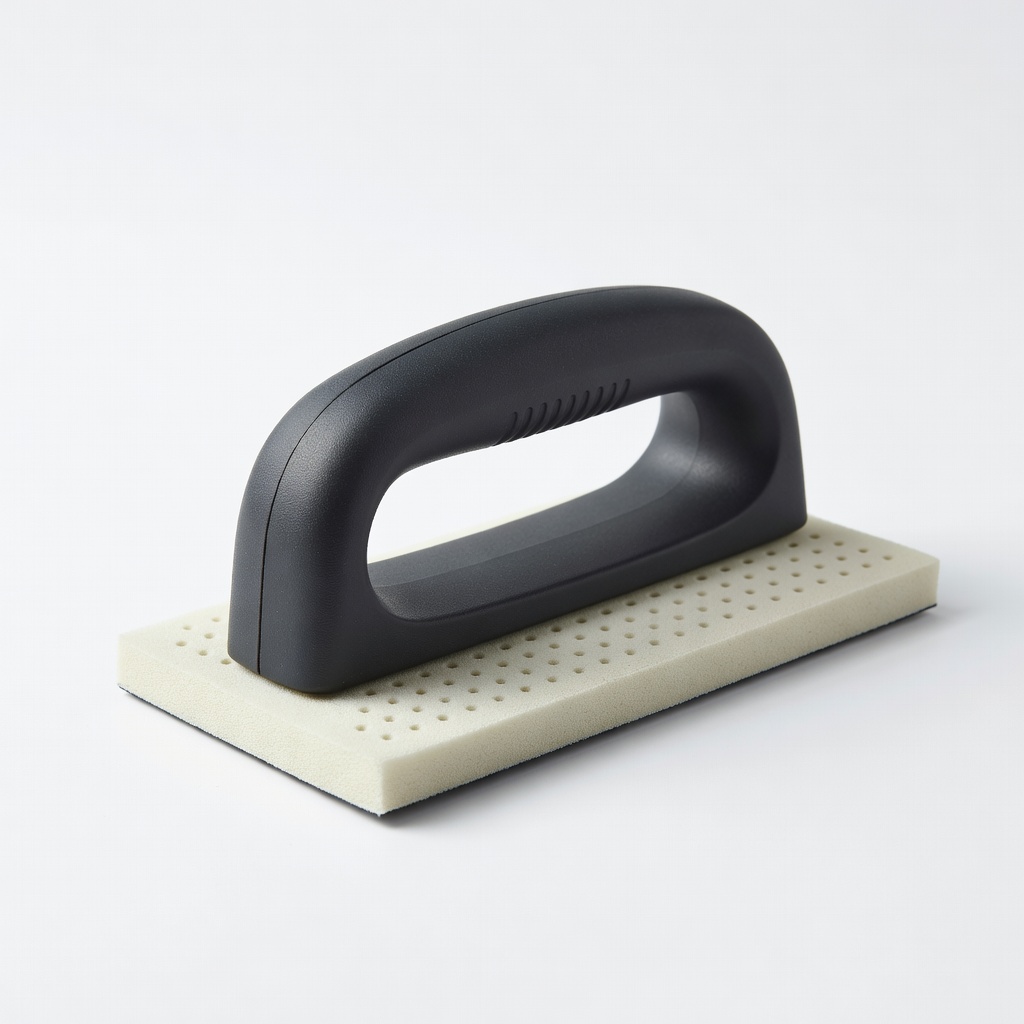
Dust from abrasive finishing products like sandpaper, discs, and grinding wheels is a major hassle—it's unhealthy to breathe, clogs tools, ruins finishes, and turns your workspace into a mess. Intermediate woodworkers, metal fabricators, and auto body pros know the struggle, but with the right setup, you can capture 90-99% of airborne dust.
In this guide, you'll learn a complete system for dust prevention: from tool selection to containment and maintenance. Expect a one-time setup of 45-60 minutes, plus ongoing habits that take seconds per session. No more post-project cleanups that last hours!
We'll cover dust extraction, enclosures, PPE, and pro tips tailored for intermediate users familiar with power tools.
▸What You'll Need
- •Shop vacuum or dust extractor with HEPA filter (required)
- •Cyclone separator/pre-filter (highly recommended)
- •Dust collection hoods/shrouds for sanders (tool-specific)
- •P100 or N95 respirator mask (required for health)
- •Plastic sheeting or sanding tent (for containment)
- •Duct tape and zip ties (for securing)
- •Anti-static additives or wet sanding lubricant (optional for advanced control)
Estimated Time: 45-60 minutes for setup; 2-5 minutes per session
Difficulty: intermediate
▸Step-by-Step Instructions
Step 1: Assess Your Workspace and Tools
Start by evaluating your current setup. Identify all abrasive tools (random orbital sanders, belt sanders, angle grinders) and note their dust ports. Measure hose lengths needed for a central vac connection.
Why it matters: Mismatched tools lead to poor extraction. Success looks like a list of tools with port sizes (e.g., 1-1/4" for most sanders).
Walk your shop: Is it enclosed? Good airflow? This prevents redesigning later.
💡 Tips:
- •Photograph ports for buying adapters.
- •Prioritize high-dust tools like 80-grit orbital sanders.
⚠️ Warnings:
- •Avoid open garages—wind spreads dust uncontrollably.
Step 2: Choose or Upgrade to Dust-Extracting Tools
Select tools with built-in dust ports. For sanders, use random orbital models with switchable extraction. Replace standard discs with hook-and-loop ones compatible with shrouds.
Why it matters: Non-extracting tools release 80% more dust. Expect 50% immediate reduction just from tool choice.
Test: Run a sanding pass with vac attached—dust at ports should be minimal.
💡 Tips:
- •Look for 'dust-rated' tools from Festool, Mirka, or Bosch.
Step 3: Install a Cyclone Separator
Attach a cyclonic pre-separator (like Dust Deputy) between your sander and shop vac. It spins out 99% of heavy dust/chips before they clog the filter.
Why it matters: Extends filter life 5x and maintains suction. Success: Dump full cyclone bucket with barely dirty vac filter.
Mount it permanently near your bench using brackets.
💡 Tips:
- •Seal all connections with foil tape for max suction.
⚠️ Warnings:
- •Skip this and your $200 vac filter dies in weeks.
Step 4: Add Hoods and Shrouds to Tools
Fit universal or tool-specific dust hoods over sanding pads/discs. Secure with velcro or magnets; connect to vac hose.
Why it matters: Captures dust at the source. Expect near-zero visible plume during use.
Adjust skirt height for surface clearance—too tight scratches workpieces.
💡 Tips:
- •For angle grinders, use 4-1/2" diamond cup shrouds.
Step 5: Set Up Dust Containment Barriers
Hang plastic sheeting from ceiling/walls to create a 10x10 ft 'sanding tent.' Use zip doors for access; seal edges.
Why it matters: Traps escapee dust. Success: Post-session wipe-down yields only light film.
Add a box fan with furnace filter for positive pressure outflow.
💡 Tips:
- •Reuse painter's plastic—cheap and fire-retardant.
⚠️ Warnings:
- •Don't fully seal—needs vent to avoid vacuum collapse.
Step 6: Gear Up with Proper PPE
Wear P100 cartridges in a half-face respirator, safety goggles, and Tyvek coveralls. Fit-test mask for seal.
Why it matters: Inhalation causes silicosis long-term. Expect comfortable breathing even in heavy sanding.
Layer with hearing protection if noisy.
💡 Tips:
- •Store PPE in sealed bin to avoid pre-contamination.
Step 7: Incorporate Wet Methods Where Possible
For wood/auto finishing, mist water or use lubricant sprays during sanding. Connect wet vac for slurry.
Why it matters: Dust becomes mud—95% reduction. Success: No airborne particles, just wet slurry.
Dry immediately after to avoid raised grain.
💡 Tips:
- •Use dustless wet sanding kits for flawless results.
⚠️ Warnings:
- •Not for electrics without wet-rated tools.
Step 8: Test and Maintain the System
Run a full sanding test: Monitor visible dust, suction strength. Clean filters weekly; empty cyclone daily.
Why it matters: Neglect drops efficiency 50%. Success: Consistent low-dust sessions over months.
Log maintenance in a notebook.
💡 Tips:
- •Use compressed air for filter blows—never water on HEPA.
Step 9: Proper Cleanup Routine
Vacuum surfaces/tools first, then HEPA-sweep floors. Dispose chips in sealed bags.
Why it matters: Prevents re-suspension. End with spotless shop.
💡 Tips:
- •Microfiber tack cloths for final wipe.
▸Pro Tips
- •Use anti-static ionizers on hoses to prevent clumping.
- •Progressive grit sanding (80-220) reduces total dust volume.
- •Position vac hose over shoulder for tangle-free mobility.
- •Invest in auto-start vacs synced to tool power.
- •Add blast gates for multi-tool switching.
- •For metal, use diamond abrasives—they dust less.
- •Monitor airflow with manometer app for peak performance.
▸Common Mistakes to Avoid
- •Using standard shop vacs without HEPA—lets fine dust escape and ruins health.
- •Loose hose connections—leaks 30% suction; always tape/seal.
- •Skipping PPE thinking extraction is enough—always double up.
- •Overloading cyclones with metal shavings—dedicate vacs by material.
- •Ignoring maintenance—clogged filters create pressure back-up, blowing dust everywhere.
▸Troubleshooting
Problem: Low suction after 10 minutes
Solution: Empty cyclone and shake/blow filter. Check for blockages in hoods.
Problem: Dust escaping shroud
Solution: Tighten skirt and ensure pad doesn't lift it. Upgrade to magnetic hood.
Problem: Static buildup shocking you
Solution: Ground vac with copper wire or use anti-static hose liner.
Problem: Wet slurry too messy
Solution: Use polymer additives to flocculate dust; vacuum immediately.
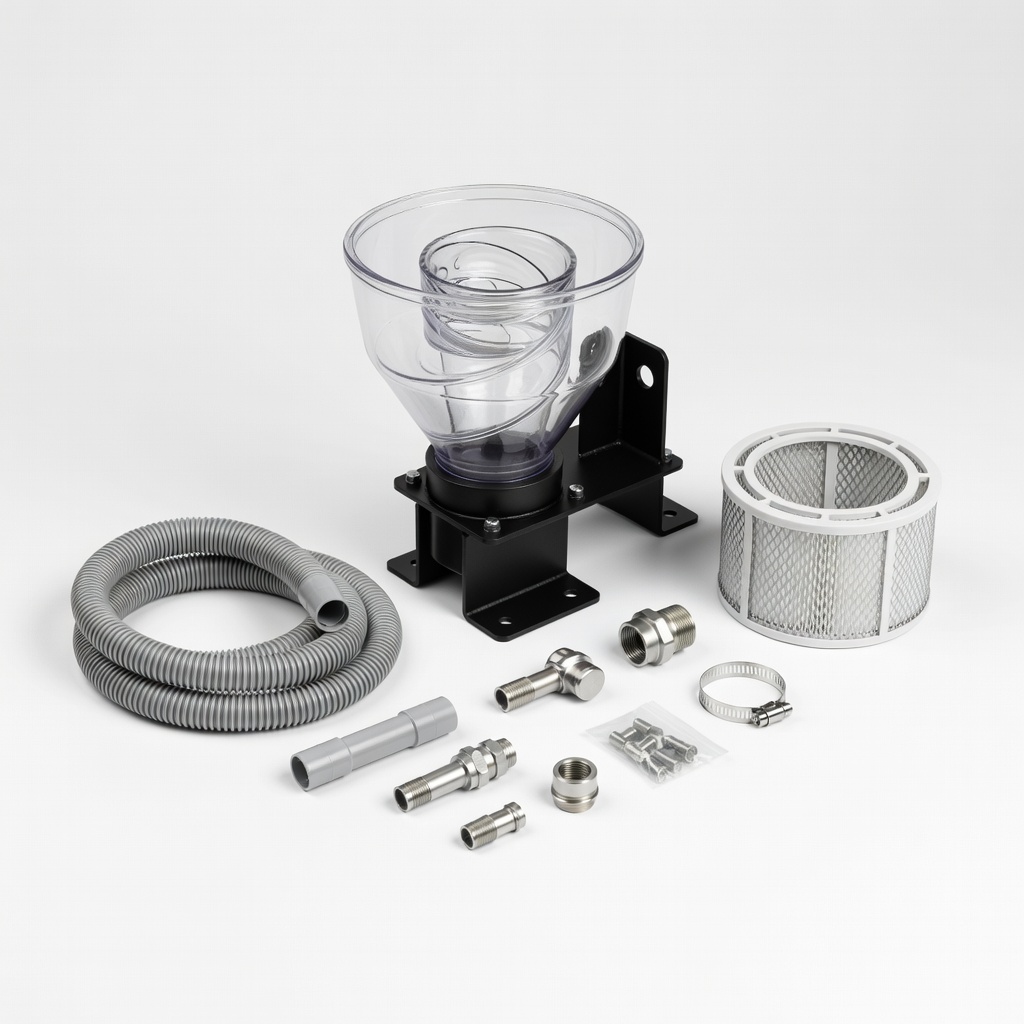
Oneida Air Systems Dust Deputy Deluxe Kit
Cyclone separator captures 99% dust pre-vac, extending filter life dramatically for any shop vac.
Best for: Attach to orbital sanders/belt sanders for woodworking or metal finishing.
Price Range: $69.99
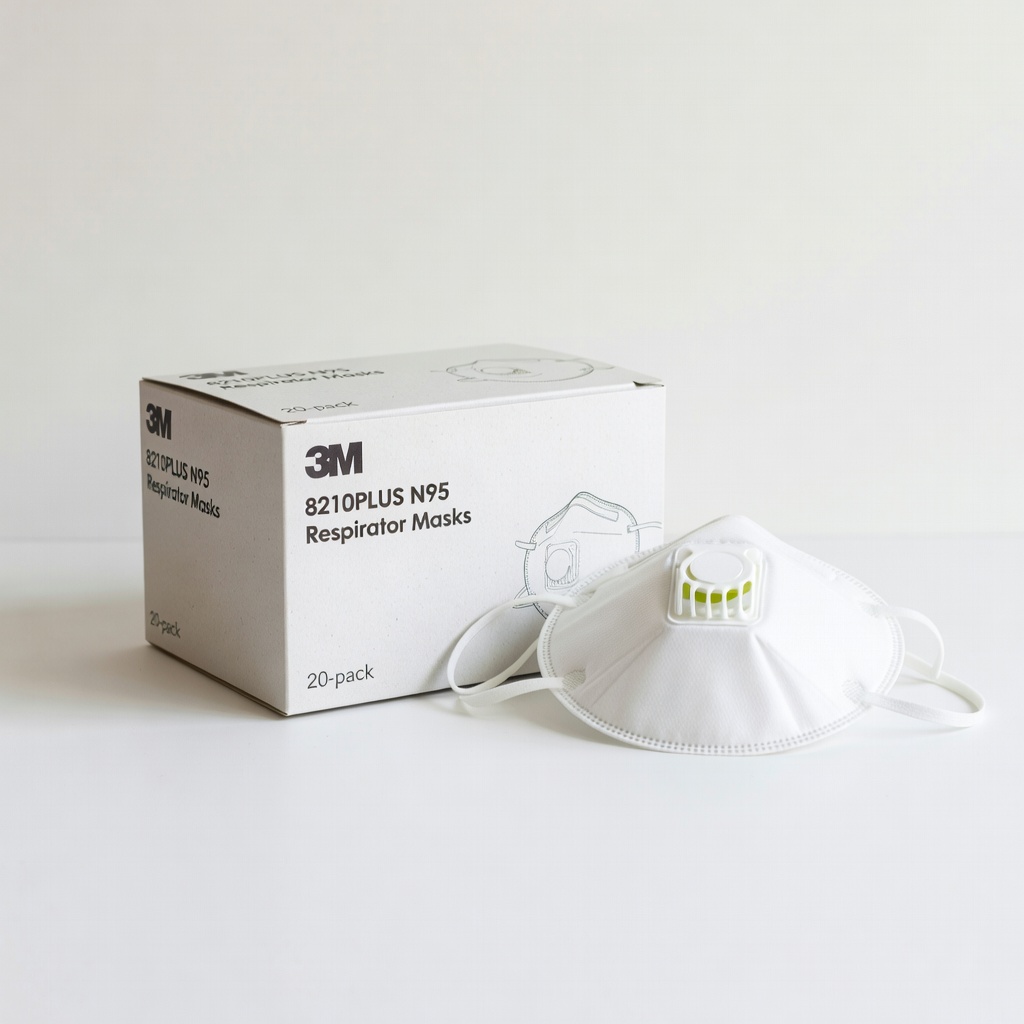
3M 8210PLUS N95 Respirator Masks (20-pack)
Reliable filtration for fine sanding dust; comfortable for long sessions.
Best for: Daily PPE during abrasive finishing to protect lungs.
Price Range: $15.99
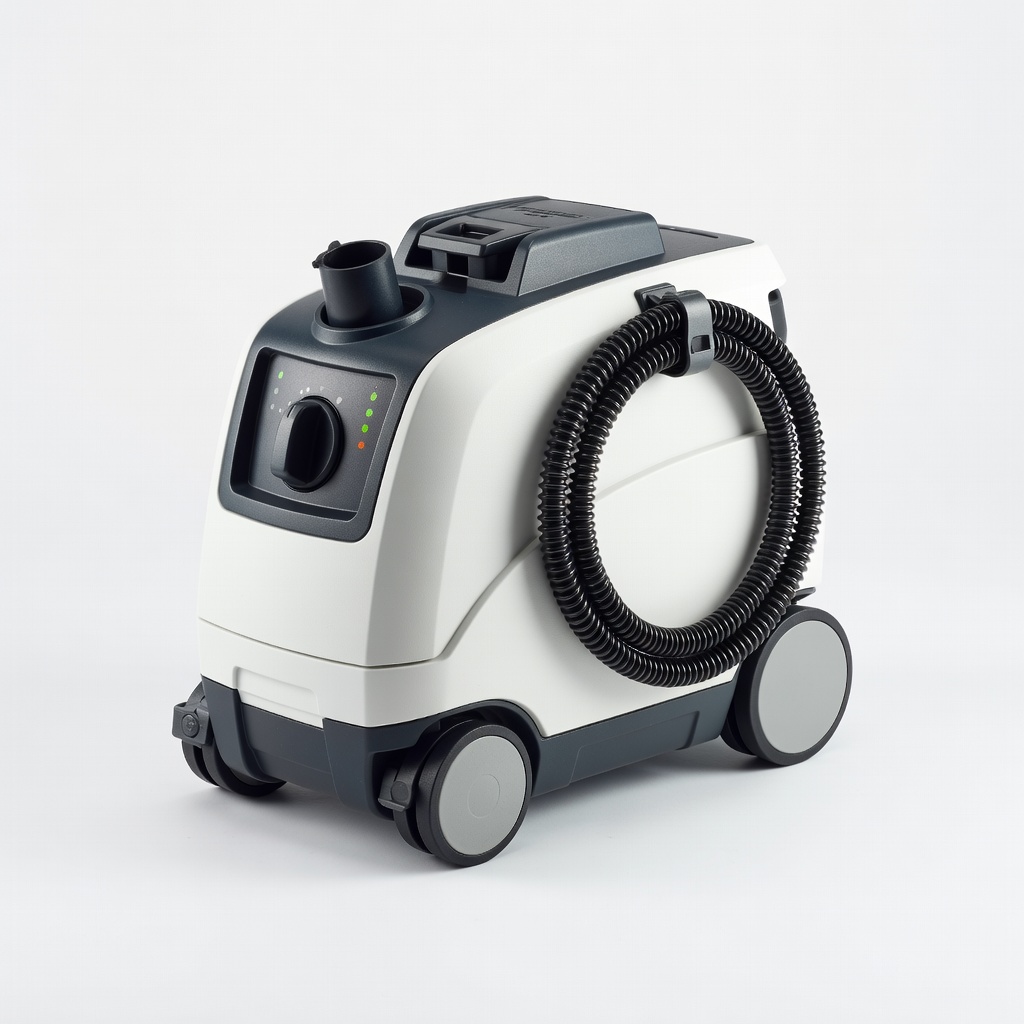
Festool CT 15 E HEPA Dust Extractor
Pro-grade auto-start vac with tool-triggered suction and HEPA for near-100% capture.
Best for: High-volume sanding in professional shops; pairs with Festool tools.
Price Range: $575-$625
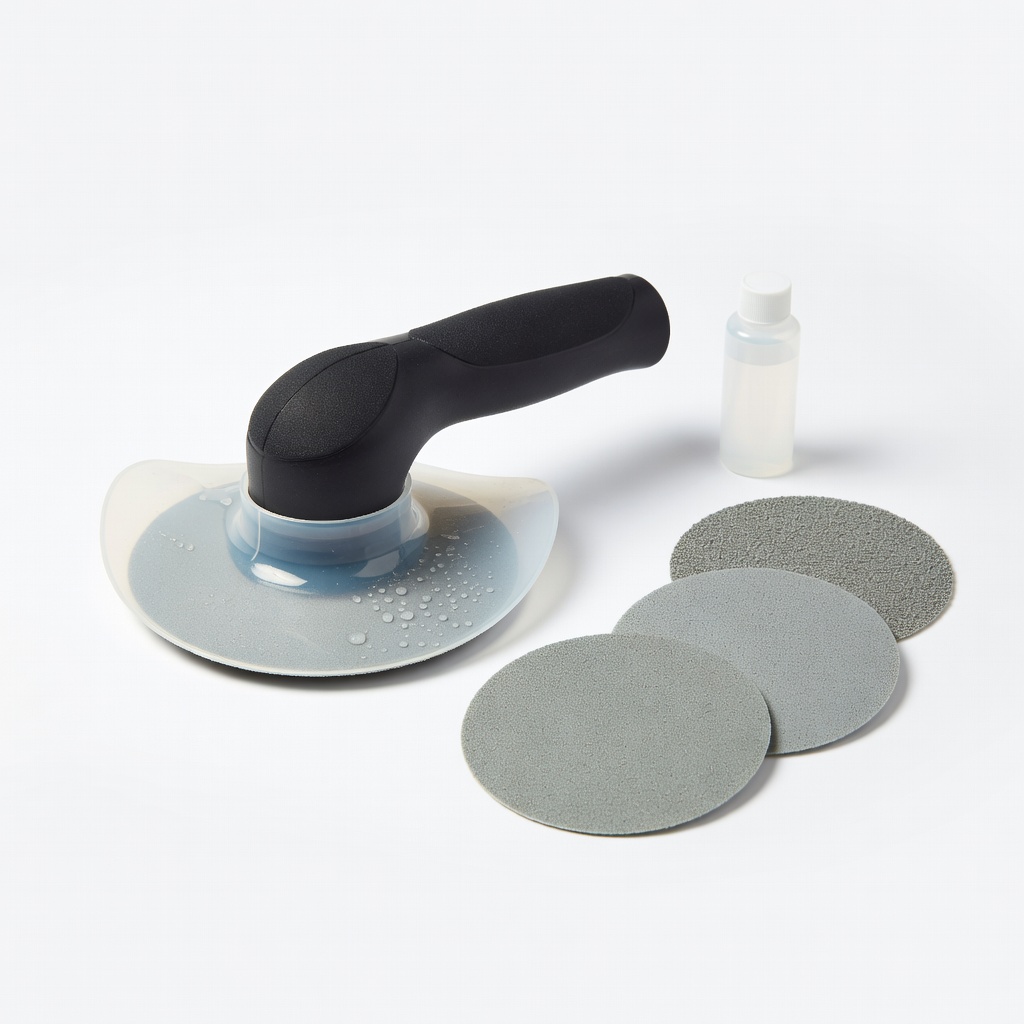
Dustless Technologies 5 in. Wet Sanding Kit
Enables water-fed sanding to eliminate airborne dust entirely.
Best for: Auto body or wood priming where dry dust is hazardous.
Price Range: $99-$120
Mirka D-Handle Dust-Free Sanding Pad
Low-profile hood integrates perfectly with Mirka net abrasives for max extraction.
Best for: Random orbital sanding with minimal escape dust.
Price Range: $45-$55