Nothing ruins a fresh car paint job faster than using the wrong adhesive remover and ending up with faded or stripped spots. Whether you're tackling bumper stickers, tape residue, or bug splatter, many DIYers accidentally damage their paint because harsh solvents like acetone eat through clear coats.
In this guide, you'll learn proven steps to test, apply, and clean adhesive removers safely on painted surfaces like cars, furniture, or walls. By following these methods, you'll remove adhesives effectively while protecting your paint's shine. The process is simple, takes just 10-20 minutes per spot, and requires no special skills—perfect for beginners.
Expect clear results: residue gone, paint intact and glossy. We'll cover tools, step-by-step actions, and pro tips to avoid common pitfalls.
▸What You'll Need
- •Paint-safe adhesive remover (citrus- or soy-based, e.g., automotive formula)
- •Microfiber cloths (soft, lint-free)
- •Isopropyl alcohol (70% or less, for testing)
- •Mild dish soap and water
- •Painter's tape (for masking areas)
- •Spray bottle (optional, for dilution)
- •Car wax or polish (for aftercare)
- •Gloves (nitrile, to protect skin)
Estimated Time: 10-20 minutes per affected area
Difficulty: beginner
▸Step-by-Step Instructions
Step 1: Choose a Paint-Safe Adhesive Remover
Start by selecting a remover specifically labeled as safe for paint, such as citrus-based or automotive formulas. Avoid harsh chemicals like acetone, toluene, or gasoline, which dissolve clear coats.
Why it matters: Paint-safe options dissolve adhesives without penetrating the paint layers. Read labels for 'safe on clear coat' or 'automotive use.' Dilute strong removers 50/50 with water if instructed.
Success looks like: Product in hand, confirmed safe via label or reviews.
💡 Tips:
- •Opt for gel formulas—they stay in place without running onto unpainted areas.
⚠️ Warnings:
- •Never use household solvents like nail polish remover on vehicles.
Step 2: Test in an Inconspicuous Area
Apply a small drop of remover to a hidden spot, like inside the door jamb or under the hood.
Wait 1-2 minutes, then wipe gently with a microfiber cloth. Check for color change, dulling, or stickiness.
Why it matters: Paints vary (factory vs. aftermarket), and testing prevents widespread damage. If no issues after 5 minutes, proceed.
Success: Spot unchanged, shiny, and residue-free.
💡 Tips:
- •Use isopropyl alcohol first as a milder test.
⚠️ Warnings:
- •Skip if paint is fresh (under 30 days)—wait or consult pro.
Step 3: Clean the Surface Thoroughly
Wash the area with mild dish soap and water to remove dirt, wax, or oils. Dry completely with a microfiber cloth.
Why it matters: Contaminants can react with remover, worsening damage or leaving streaks.
Success: Surface clean, dry, and ready—no residue or shine variation.
💡 Tips:
- •Use a two-bucket method: one soapy, one rinse for scratch-free cleaning.
Step 4: Mask Surrounding Areas
Apply painter's tape around the adhesive spot to protect adjacent paint or trim.
Why it matters: Prevents accidental drips or overspray. Press tape firmly but remove gently later.
Success: Clean edges taped, adhesive isolated.
⚠️ Warnings:
- •Don't use duct tape—it leaves more residue.
Step 5: Apply Remover Sparingly
Put on gloves. Dab remover onto a microfiber cloth (not directly on surface) and gently dab the residue. Use minimal amount.
Let sit 1-3 minutes (per product instructions)—adhesive softens without soaking paint.
Why it matters: Less is more; excess runs and penetrates.
Success: Residue bubbling/softening, no pooling.
💡 Tips:
- •Work in small sections (2x2 inches) for control.
Step 6: Wipe Gently and Rinse
Wipe in straight lines (not circles) with a fresh cloth section. Reapply if needed, but sparingly.
Rinse immediately with soapy water, then plain water. Dry with clean microfiber.
Why it matters: Removes residue and neutralizes chemicals before they etch paint.
Success: Adhesive gone, paint glossy.
⚠️ Warnings:
- •No scrubbing—use light pressure to avoid micro-scratches.
Step 7: Inspect and Protect
Check under good light for haze or dullness. If ok, apply car wax or polish.
Buff lightly. Repeat steps if residue lingers.
Why it matters: Wax seals paint, restoring protection.
Success: Surface matches surrounding paint, shiny.
💡 Tips:
- •Test wax on small area too.
▸Pro Tips
- •Work in shade—heat makes removers evaporate too fast or penetrate deeper.
- •Use plastic scraper for thick residue before remover, angled 90° to paint.
- •Dilute remover with water for delicate paints.
- •Multiple light applications beat one heavy soak.
- •Clean tools immediately to avoid dried residue.
- •For walls/furniture, same rules apply but test longer (5 mins).
- •Pro tip: Warm soapy water alone lifts 50% of light residues first.
▸Common Mistakes to Avoid
- •Using non-paint-safe removers like acetone—melts clear coat; always check labels.
- •Rubbing aggressively—causes swirls/scratches; dab and wipe gently.
- •Skipping the test spot—different paints react uniquely; wastes time fixing damage.
- •Not rinsing promptly—residues etch paint over time.
- •Applying in direct sun—accelerates drying and damage.
▸Troubleshooting
Problem: Paint dulled or hazy after wiping
Solution: Polish immediately with cutting compound, then wax. If deep, seek auto detailer.
Problem: Residue not budging
Solution: Let sit longer (up to 5 mins), reapply sparingly, or switch to clay bar after.
Problem: Remover dripped onto trim/plastic
Solution: Wipe fast with soapy water; plastics tolerate more but clean anyway.
Problem: Streaks remain
Solution: Clay bar lubricated with detailer spray, then wax.
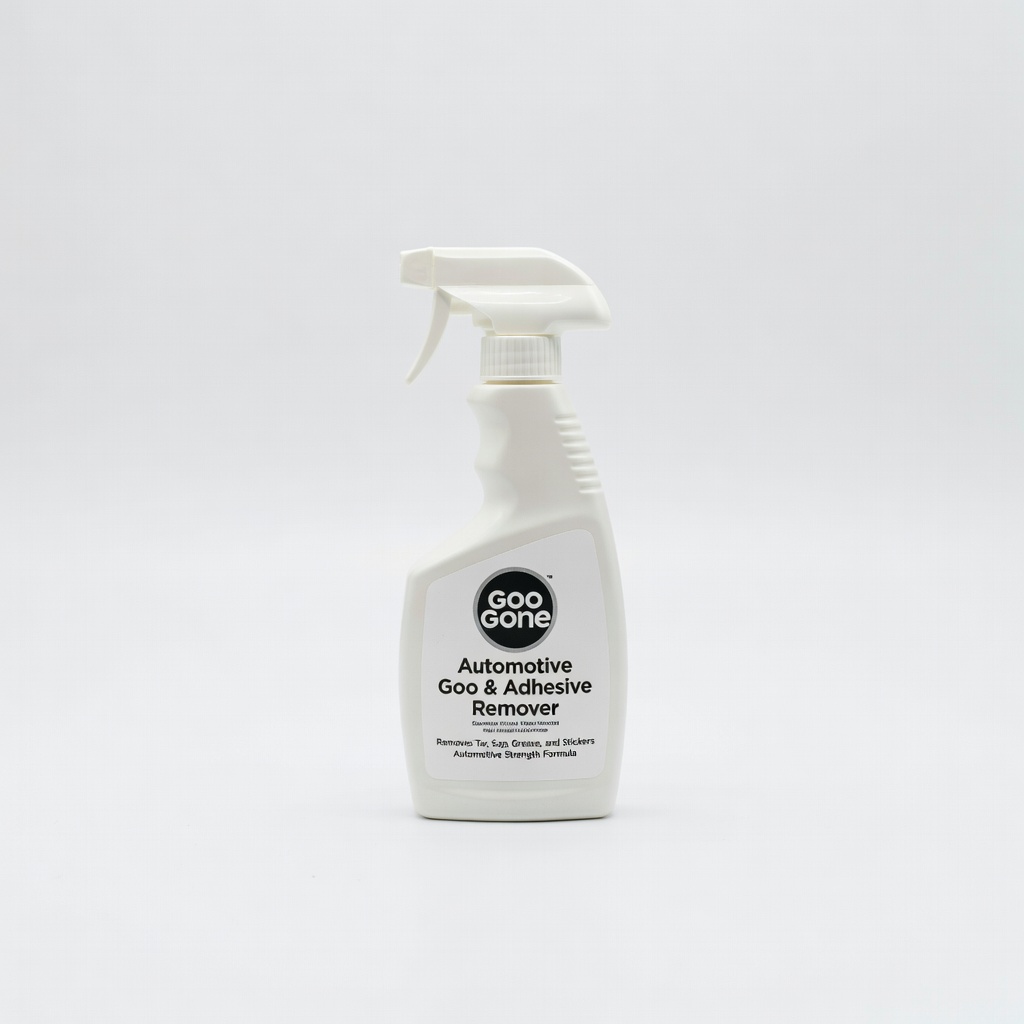
Goo Gone Automotive Goo & Adhesive Remover
Formulated safe for automotive paint and clear coats, citrus-based for gentle action without harsh fumes.
Best for: Ideal for car stickers, tape, or tar on bumpers and body panels.
Price Range: $9.99 - $12
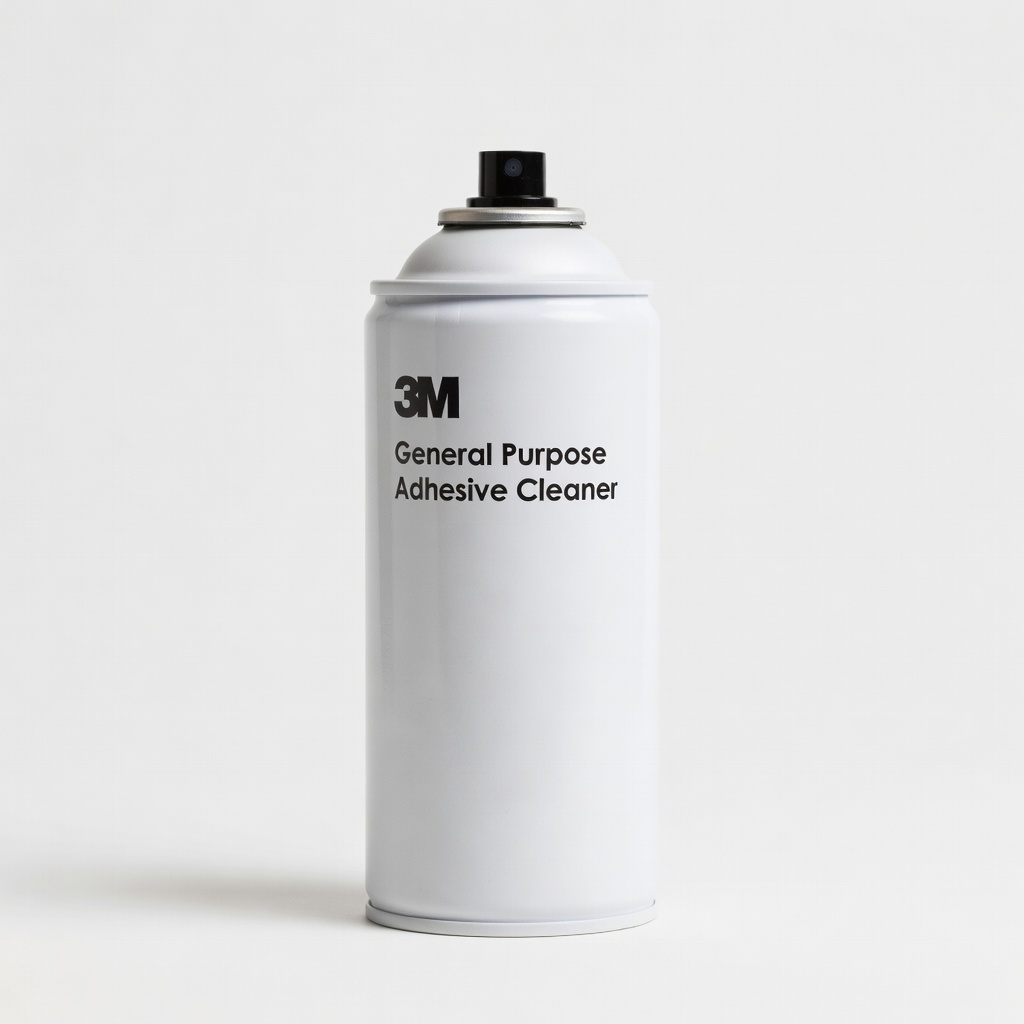
3M General Purpose Adhesive Cleaner
Professional-grade, fast-evaporating, non-chlorinated formula proven safe on most paints.
Best for: Quick jobs on vehicles or painted metals where precision is needed.
Price Range: $15 - $20
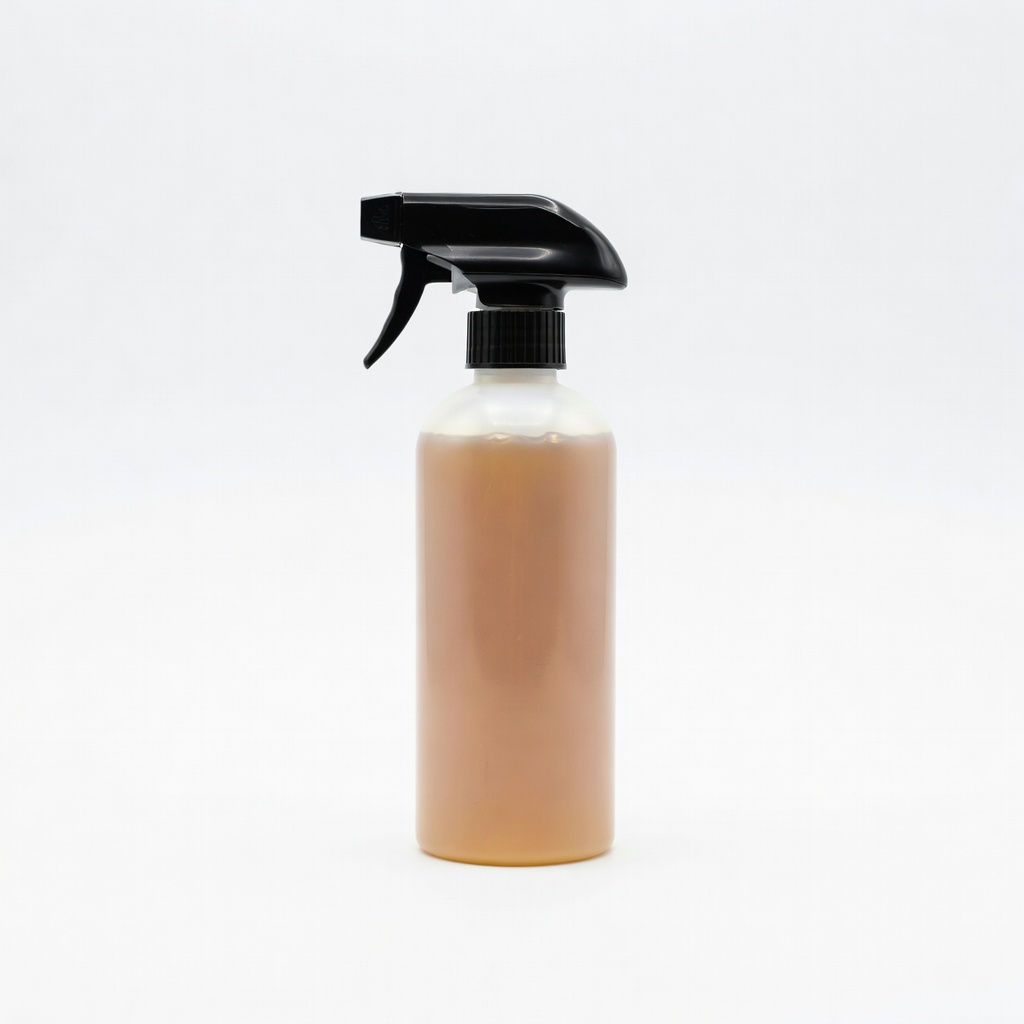
Chemical Guys Sticky Remover
Water-based, non-toxic, rinses clean without residue—great for beginners.
Best for: Household painted surfaces or sensitive car paints.
Price Range: $12 - $15
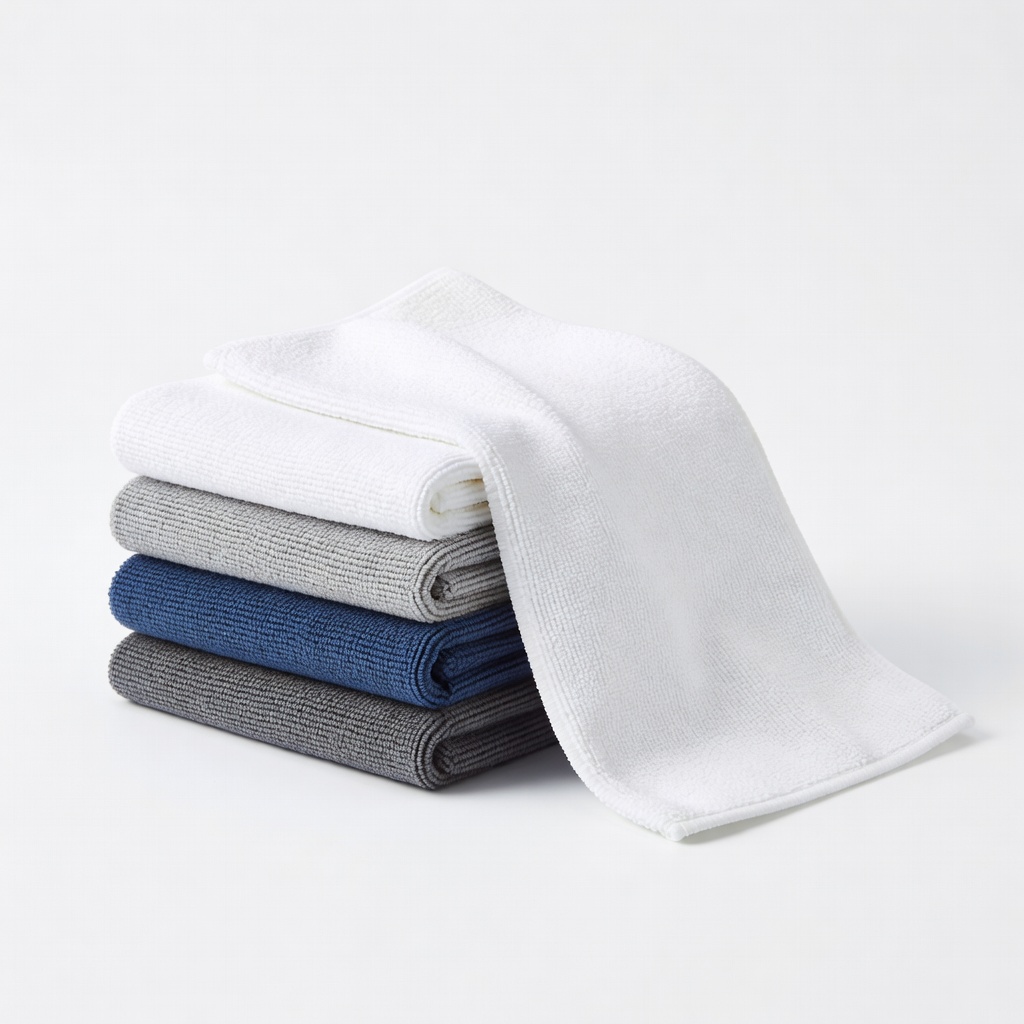
AmazonBasics Microfiber Cleaning Cloths
Ultra-soft, lint-free for scratch-free wiping; essential for safe application.
Best for: All steps involving cloth contact.
Price Range: $13 for 24-pack
Meguiar's Ultimate Compound
Restores dull paint post-removal; mild abrasive for light correction.
Best for: Aftercare if minor haze appears.
Price Range: $20 - $25