
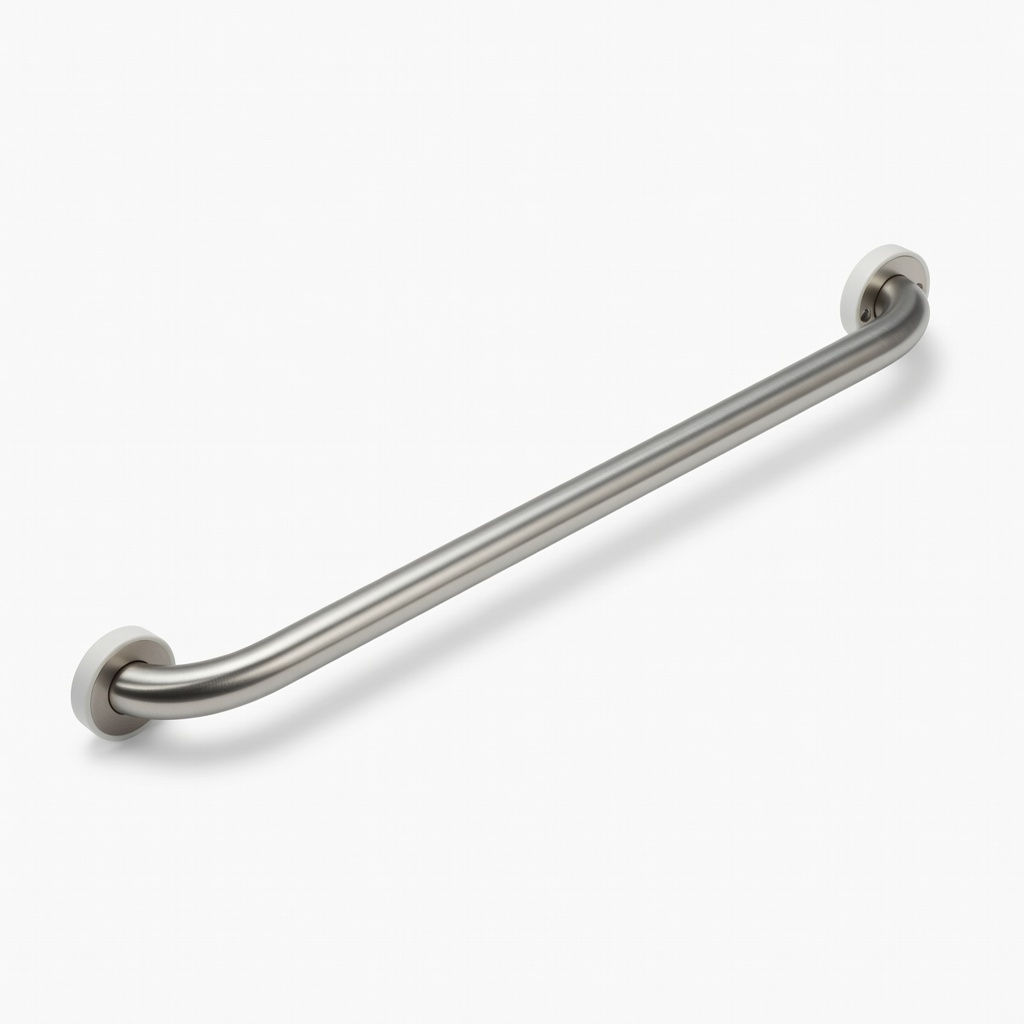
Moen Home Care 42-Inch Grab Bar
Install by toilet/shower to prevent slips during transfers.
$50-$70
Moen Home Care 42-Inch Grab Bar Sturdy, ADA-compliant stainless steel with lifetime warranty for secure bathroom support.
Get the App
Better experience on mobile
Transform your home into a safe, accessible haven for your aging parents with this beginner-friendly step-by-step guide to essential modifications.
Watching your aging parents' mobility decline can be heartbreaking, and the idea of them moving in often brings worry about safety and comfort. Falls are the leading cause of injury for seniors, but simple home preparations can reduce risks by up to 50% according to CDC data. This guide empowers you to create a welcoming, hazard-free space without a full remodel.
You'll learn how to assess needs, make key safety upgrades, and add comfort features tailored to seniors. From grab bars to better lighting, we'll cover everything in clear steps. Expect 10-20 hours of work over 1-2 weekends, mostly DIY-friendly for beginners with basic tools—no contractor needed unless adding ramps.
By the end, your home will be senior-ready, giving you peace of mind and helping your parents stay independent longer.
Estimated Time: 10-20 hours over 1-2 weekends Difficulty: beginner
Start by observing and discussing your parents' daily routines, mobility issues, and health conditions. Walk through the house with them to identify pain points like steep stairs, slippery floors, or hard-to-reach cabinets. Create a checklist of priorities: balance problems? Need grab bars. Arthritis? Lever handles over knobs.
Why it matters: Customizing prevents one-size-fits-all mistakes and ensures changes match real needs. Expect to spend 1-2 hours here; success looks like a prioritized list (e.g., 'bathroom safety first').
Document with photos or notes for reference.
💡 Tips:
⚠️ Warnings:
Remove rugs, cords, and obstacles from high-traffic areas like hallways and doorways. Secure loose carpets with double-sided tape and ensure at least 36 inches of clear walking space.
Why it matters: Clutter causes 30% of senior falls. After this, pathways should feel wide open and trip-free—test by walking backward with eyes closed.
Rearrange furniture to create straight shots to bathroom, bedroom, and kitchen.
💡 Tips:
⚠️ Warnings:
Install bright LED bulbs (at least 100 lumens per sq ft) in all rooms, plus motion-sensor night lights in hallways, bathrooms, and bedrooms. Add under-cabinet lights in the kitchen.
Why it matters: Poor lighting contributes to 40% of falls. Success: No dark corners, lights auto-on at night.
Opt for warm white LEDs to reduce glare.
💡 Tips:
Install grab bars near the toilet and shower (use a stud finder for secure mounting). Add a raised toilet seat and non-slip mats. Consider a foldable shower bench.
Why it matters: Bathrooms are high-risk zones. After install, test stability—bars shouldn't budge.
Apply non-slip strips to tub/shower floors.
💡 Tips:
⚠️ Warnings:
Add bed rails or assist handles if needed. Position the bed near a light/outlet. Use a bedside commode if mobility is very limited.
Why it matters: Bedrooms need quick access for nighttime needs. Success: Easy in/out of bed without strain.
Lower bed height with risers if too high.
💡 Tips:
Install pull-out shelves, lower frequently used items, and swap to lever faucets. Add non-slip mats under standing areas.
Why it matters: Kitchens promote independence. Expect easier reach—no stool needed.
Label cabinets for quick finds.
💡 Tips:
Add handrails if stairs exist (continuous on both sides). Install a ramp for entry if steps are present—portable ones for starters.
Why it matters: Entries/stairs are fall hotspots. Test: Smooth grip and no gaps.
Clear snow/ice paths outside.
⚠️ Warnings:
Install medical alert buttons, smoke/CO detectors with strobe lights, and ensure clear emergency contacts. Test all systems.
Why it matters: Quick response saves lives. Success: Everything beeps/tests perfectly.
Program speed dials on phones.
💡 Tips:
Have your parents walk through and simulate routines. Fix any issues on the spot.
Why it matters: Real-user testing catches oversights. Home is ready when they feel confident.
Celebrate with a trial overnight stay.
💡 Tips:
Problem: Parents resist changes
Solution: Frame as temporary trials; involve them in choices. Show stats on fall prevention.
Problem: Budget overruns
Solution: Start with $100 essentials like mats/lights. Use portable items.
Problem: Renter restrictions (no drilling)
Solution: Opt for tension-pole grab bars or adhesive alternatives.
Problem: Walls too weak for grab bars
Solution: Use backer boards or freestanding options; consult contractor.
Sturdy, ADA-compliant stainless steel with lifetime warranty for secure bathroom support.
Best for: Install by toilet/shower to prevent slips during transfers.
Price Range: $50-$70
Tool-free install, fits most toilets, adds 5 inches height for easier sitting/standing.
Best for: Ideal for arthritis or post-surgery; supports up to 300 lbs.
Price Range: $25-$35
Adjustable, lightweight, supports 400 lbs—no-slip feet for shower safety.
Best for: For seated bathing to reduce fall risk in slippery tubs.
Price Range: $40-$60
Extra-long, medical-grade suction cups prevent slips on any surface.
Best for: Cover full tub floor for ultimate traction.
Price Range: $15-$25
Folds down, tool-free assembly, helps with sitting up in bed.
Best for: For low-mobility seniors needing nighttime support.
Price Range: $45-$55
Install by toilet/shower to prevent slips during transfers.
Moen Home Care 42-Inch Grab Bar Sturdy, ADA-compliant stainless steel with lifetime warranty for secure bathroom support.
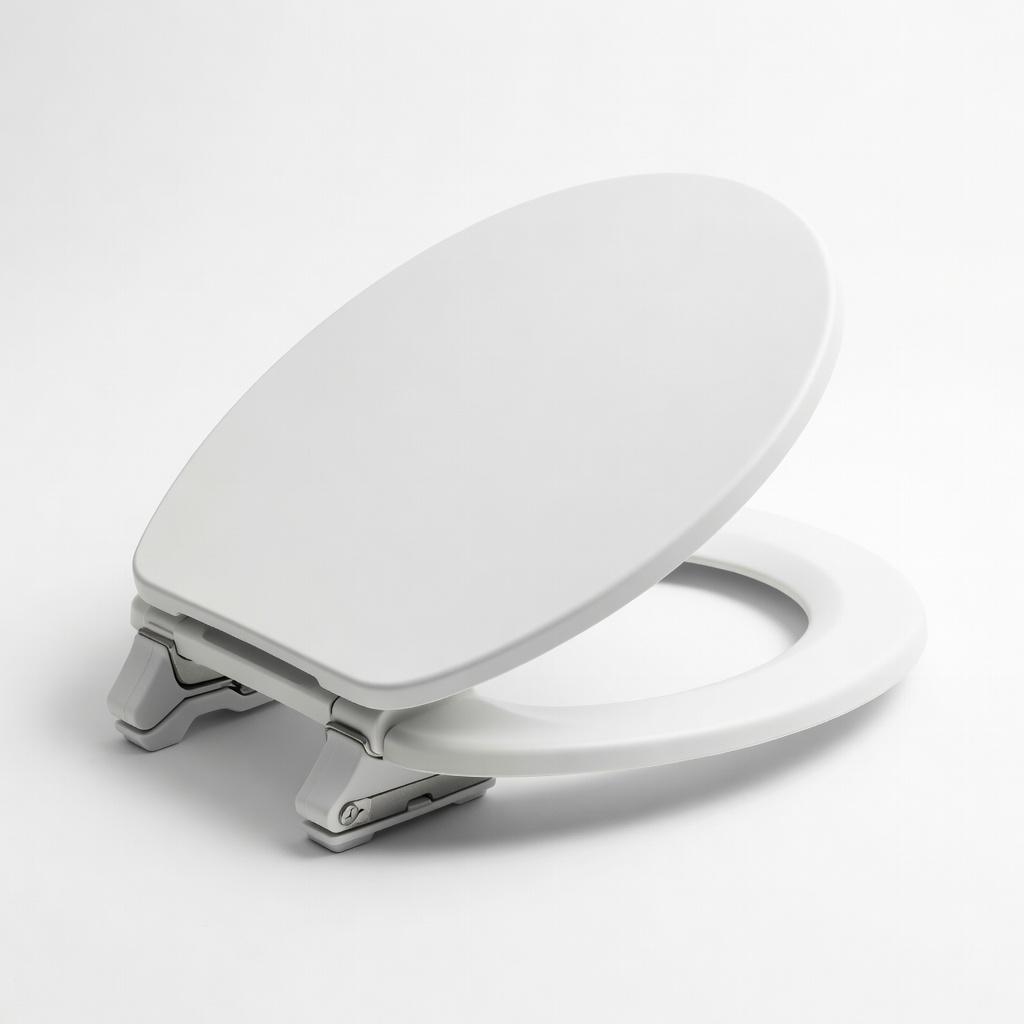
Ideal for arthritis or post-surgery; supports up to 300 lbs.
Carex E-Z Lock Raised Toilet Seat Tool-free install, fits most toilets, adds 5 inches height for easier sitting/standing.
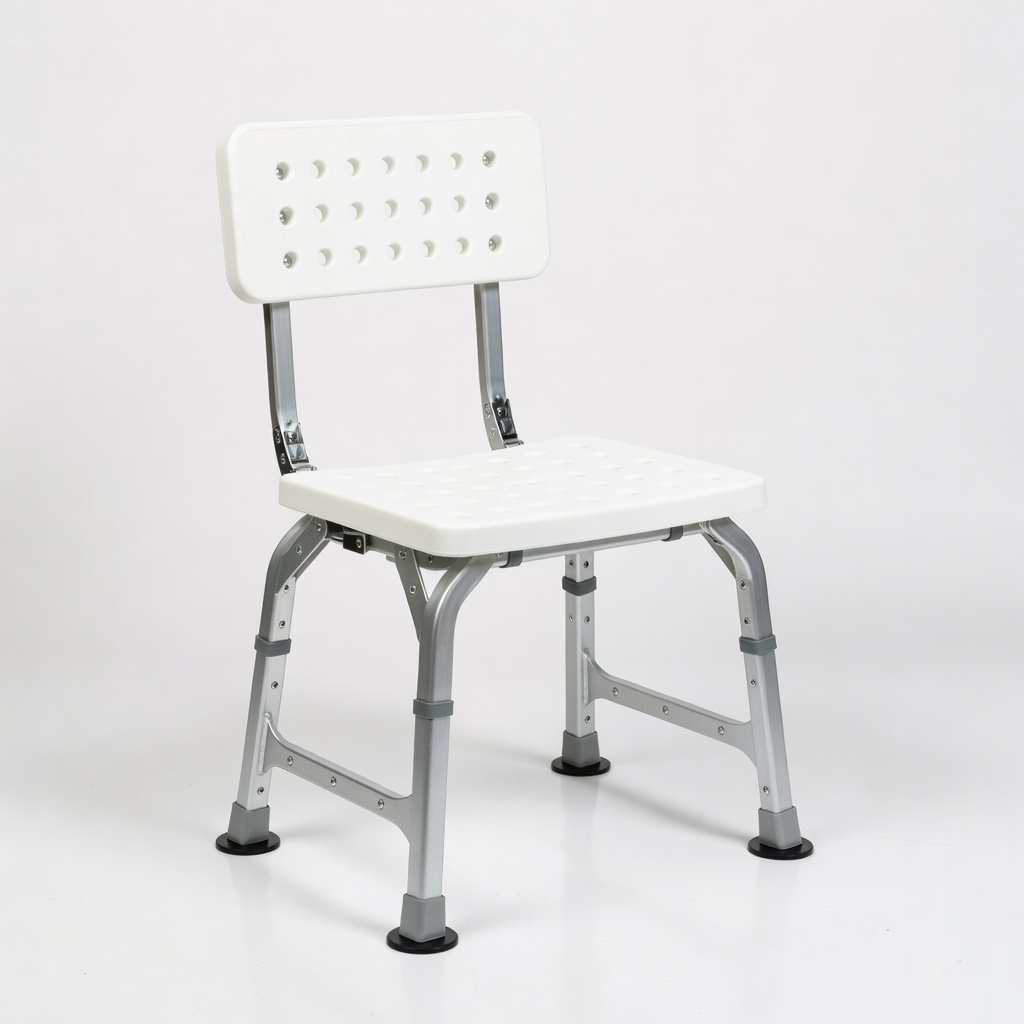
For seated bathing to reduce fall risk in slippery tubs.
Drive Medical Deluxe Folding Heavy Duty Shower Bench Adjustable, lightweight, supports 400 lbs—no-slip feet for shower safety.
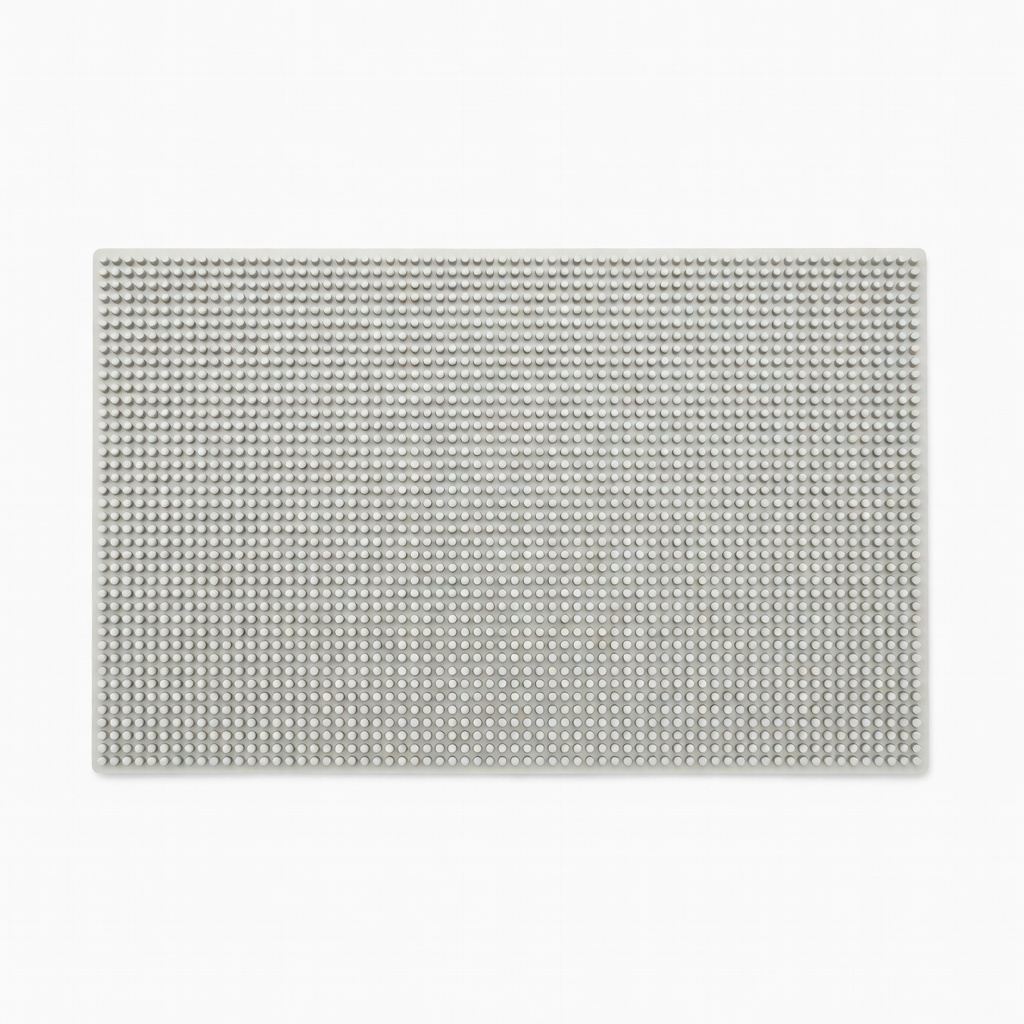
Cover full tub floor for ultimate traction.
Gorilla Grip Bathtub and Shower Mat Extra-long, medical-grade suction cups prevent slips on any surface.

For low-mobility seniors needing nighttime support.
Drive Medical Bedside Assist Rail Folds down, tool-free assembly, helps with sitting up in bed.