Administrative law hearings can determine critical outcomes like licenses, benefits, or regulatory compliance, yet many pro se litigants or counsel falter due to poor preparation. The stakes are high—losing could mean denied claims or penalties—and agencies like the SSA, NLRB, or EPA enforce strict procedural rules. This guide equips advanced legal practitioners or self-representers with a battle-tested roadmap to preparation.
You'll master gathering evidence, researching agency-specific precedents, preparing witnesses, and simulating the hearing. Expect a structured process covering discovery to dress rehearsal, tailored for hearings under the Administrative Procedure Act (APA) or agency rules. With 20-40 hours over 4-6 weeks, you'll enter confident and compliant.
This advanced tutorial assumes familiarity with basic admin law concepts like burdens of proof and due process; if not, review agency manuals first.
▸What You'll Need
- •Access to case files and notice of hearing (required)
- •Computer with internet for PACER/ agency dockets (required)
- •Legal research tools (Westlaw/Lexis or free like Google Scholar, required)
- •Binder or digital organizer for documents (required)
- •Legal pads and highlighters (required)
- •Witness statements and exhibits (required)
- •Optional: Audio recorder for practice sessions
- •Prerequisite knowledge: APA basics, agency-specific rules (e.g., 5 CFR for federal)
Estimated Time: 20-40 hours over 4-6 weeks
Difficulty: advanced
▸Step-by-Step Instructions
Step 1: Review the Notice of Hearing Thoroughly
Start by dissecting the notice of hearing (NOH) from the agency. Identify the hearing date, location (virtual/in-person), administrative law judge (ALJ), key issues, deadlines for pre-hearing submissions, and discovery rules. Note burdens of proof—e.g., preponderance for most claims.
Why it matters: Missing deadlines triggers default judgments. Cross-reference with agency rules (e.g., 20 CFR § 404 for SSA). Create a timeline calendar using Google Calendar or Excel.
Success: A marked-up NOH with flagged deadlines and issues list.
💡 Tips:
- •Scan for amendments or continuances immediately.
- •Email agency clerk for clarifications.
⚠️ Warnings:
- •Don't assume virtual; confirm format to avoid no-shows.
Step 2: Identify Key Issues and Legal Standards
List disputed facts and legal elements from the NOH. Research governing statutes, regulations, and agency precedents via the agency's website or Federal Register.
Map your burden: For example, in permit denials, prove substantial evidence supports your position. Use tools like Cornell LII for free access.
Success: A one-page issue chart linking facts to law.
💡 Tips:
- •Prioritize top 3 issues; agencies focus there.
⚠️ Warnings:
- •Avoid irrelevant arguments; stick to record.
Step 3: Gather and Organize Evidence
Collect all documents, affidavits, and data. Request discovery if allowed (e.g., FOIA for agency records). Authenticate via affidavits.
Organize into binders or digital folders by exhibit number. Index with tabs. Redact sensitive info per agency rules.
Success: Numbered exhibits ready for submission, with proof of relevance.
💡 Tips:
- •Digitize everything for backups; use OCR for searches.
⚠️ Warnings:
- •Hearsay often inadmissible; get live witnesses.
Step 4: Research Precedents and Agency Decisions
Search for similar ALJ decisions on agency site or Westlaw. Analyze patterns in rulings. Note policy changes via Federal Register.
Draft a pre-hearing brief citing 5-10 key cases. Why? Persuades ALJ pre-hearing.
Success: Annotated bibliography of 10+ authorities.
💡 Tips:
- •Use Boolean searches: 'hearing AND [issue] site:agency.gov'.
⚠️ Warnings:
- •Out-of-circuit cases weak; prioritize agency precedent.
Step 5: Prepare Witnesses and Testimony
Identify witnesses; get signed statements. Prep direct exams with open-ended questions. Anticipate cross-exam.
Conduct mock sessions. For experts, ensure qualifications.
Success: Witness prep sheets with Q&A scripts.
💡 Tips:
- •Record practice; review for filler words.
⚠️ Warnings:
- •Coach but don't script—perjury risk.
Step 6: Draft Pre-Hearing Submissions
File motions (e.g., summary judgment), pre-hearing statement, exhibit list per deadlines. Use clear headings, citations.
Serve opposing party via certified mail/email.
Success: Filed-stamped copies with certificates of service.
💡 Tips:
- •Use templates from Nolo or agency sites.
⚠️ Warnings:
- •Late filings often rejected.
Step 7: Prepare Your Presentation
Outline opening (facts/law preview), closing (recap, relief sought). Script objections (e.g., 'relevance').
Visual aids if allowed (charts, timelines).
Success: 5-10 page outline with timed sections.
💡 Tips:
Step 8: Conduct Mock Hearings and Final Rehearsal
Simulate full hearing 2-3 times with colleagues as ALJ/opponent. Time it; refine based on feedback.
Review logistics: attire, tech for virtual.
Success: Polished delivery under time.
💡 Tips:
- •Video record; critique posture/pace.
⚠️ Warnings:
- •Don't read scripts—speak naturally.
▸Pro Tips
- •Create a 'war room' folder for all docs to avoid scrambling.
- •Use agency pre-hearing conferences to gauge ALJ leanings.
- •Track all communications in a log for the record.
- •Practice brevity: ALJs hate verbose arguments.
- •Backup digital files on cloud + USB.
- •Wear business attire even for virtual hearings.
- •Anticipate oral arguments with 1-minute elevator pitch.
▸Common Mistakes to Avoid
- •Ignoring deadlines: Leads to evidence exclusion; use calendar alerts.
- •Overloading irrelevant evidence: Dilutes case; focus on probative material.
- •Poor witness prep: Leads to damaging testimony; mock cross-exams essential.
- •Neglecting agency precedent: Courts defer to it; always cite.
- •No mock practice: Nerves derail live performance; rehearse relentlessly.
▸Troubleshooting
Problem: Evidence rejected as untimely
Solution: File motion for good cause showing; have affidavits ready. Appeal post-hearing if needed.
Problem: Witness no-shows
Solution: Secure backups or affidavits in advance. Subpoena if critical.
Problem: Tech fails in virtual hearing
Solution: Test platform 48 hours prior; have phone backup. Join 30 min early.
Problem: ALJ hostile to pro se
Solution: Stay professional, cite rules politely. Seek recess if overwhelmed.
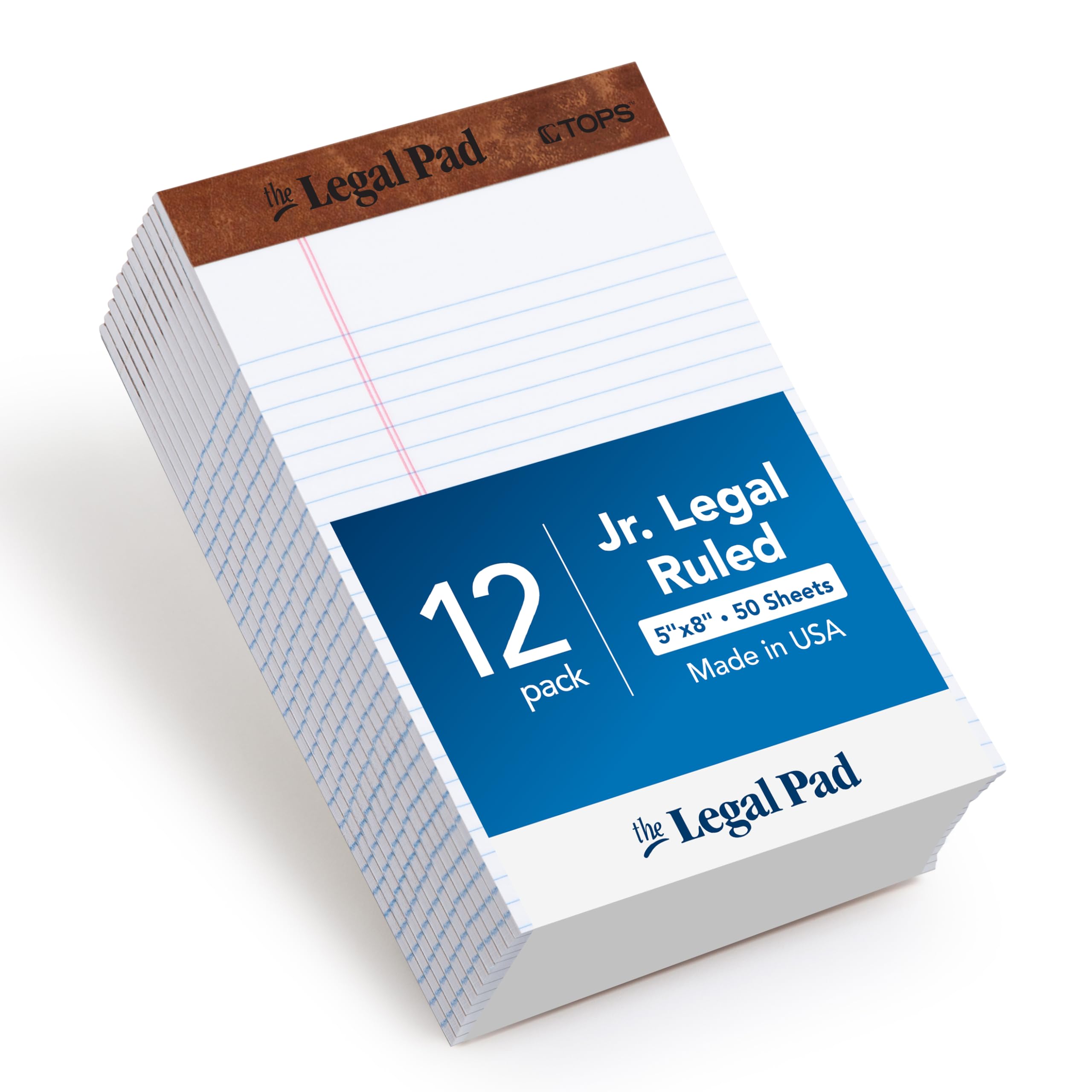
TOPS Oxford Legal Pads, 50 Sheets, 12-Pack
Ideal for jotting notes, outlining arguments, and witness prep with ruled lines and legal headers.
Best for: During research and mock hearings for quick organization.
Price Range: $20-$25
Avery Legal Exhibit Dividers, 25-Tab Set
Pre-printed tabs for organizing exhibits professionally, ensuring quick ALJ reference.
Best for: Binding evidence packets for submission.
Price Range: $15-$20
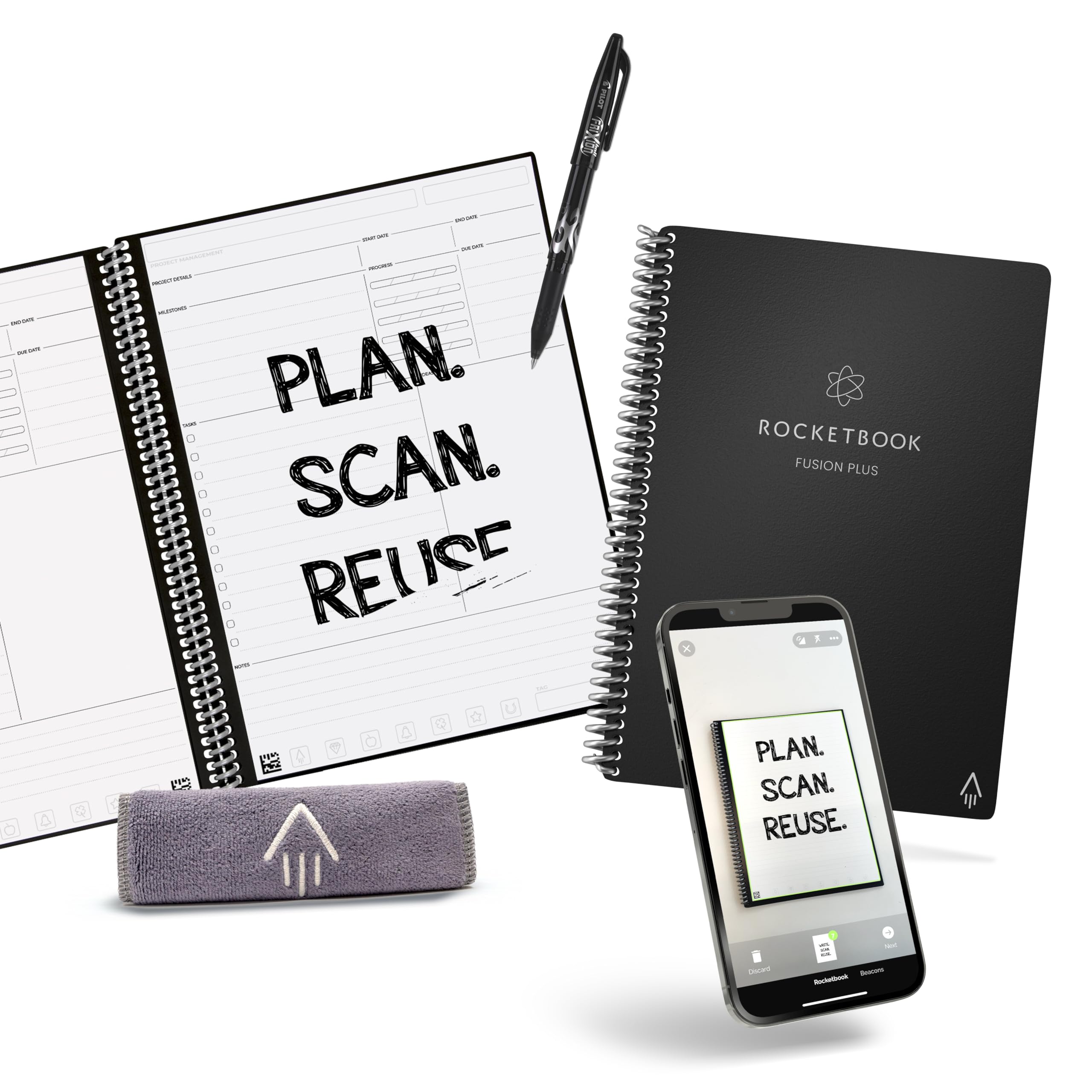
Rocketbook Fusion Smart Reusable Notebook
Scan notes to cloud, erase and reuse—perfect for iterative prep without paper waste.
Best for: Drafting timelines and issue charts digitally.
Price Range: $35-$40
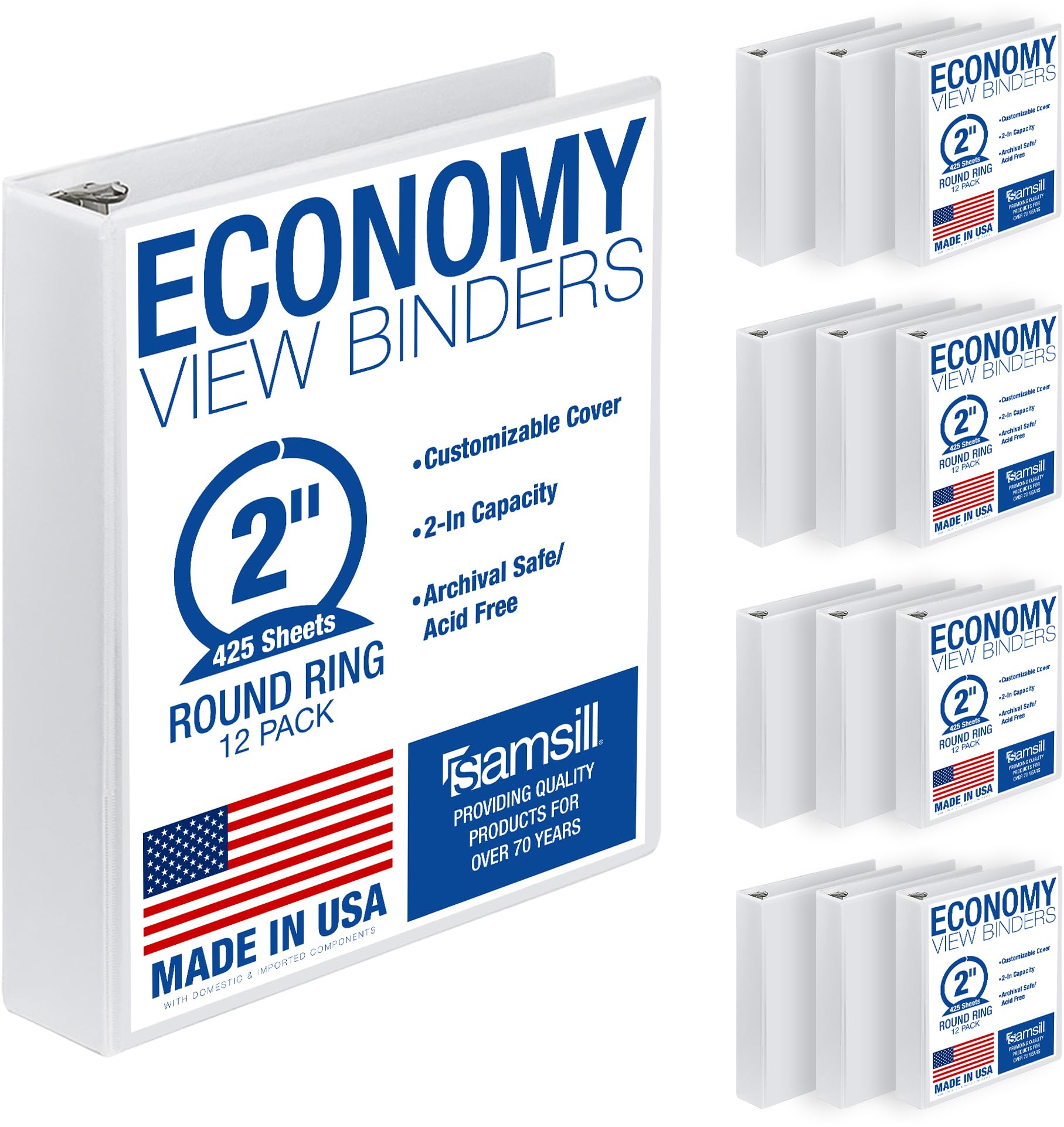
Samsill Heavy-Duty 3-Ring Binder, 2-Inch
Durable for thick case files; clear pockets for indexes.
Best for: Master binder for all docs at hearing.
Price Range: $20-$30
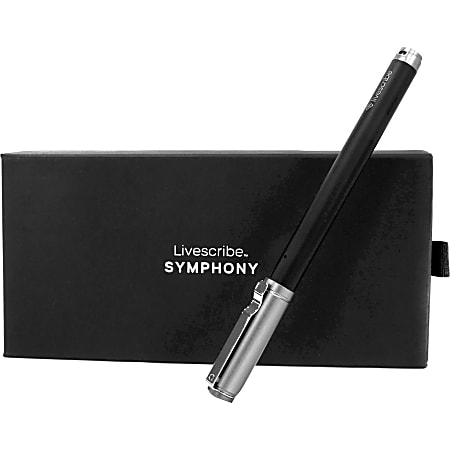
Livescribe Symphony Smartpen
Records audio synced to handwritten notes for witness prep reviews.
Best for: Mock hearings to playback testimony.
Price Range: $90-$110