Struggling with harsh inner criticism, especially after experiencing abuse? You're not alone—self-compassion is a proven antidote that fosters healing, reduces anxiety, and builds resilience. Developed by researcher Dr. Kristin Neff, self-compassion involves treating yourself with the same kindness you'd offer a friend during tough times.
In this guide, you'll learn a daily routine of beginner-friendly exercises that take just 10-15 minutes. No prior experience needed; you'll start seeing calmer thoughts and more self-acceptance within a week of consistent practice. Expect gentle emotional shifts—some days may feel emotional, but that's part of the healing.
We'll break it down into clear steps, drawing from evidence-based practices, so you can integrate self-compassion effortlessly into your day.
▸What You'll Need
- •Quiet, comfortable space (chair or floor)
- •Journal and pen (required for reflection)
- •Timer or phone app (free)
- •Optional: Meditation cushion for comfort
- •Optional: Guided audio app like Insight Timer (free version)
Estimated Time: 10-15 minutes daily
Difficulty: beginner
▸Step-by-Step Instructions
Step 1: Create Your Daily Practice Space
Choose a quiet spot in your home where you won't be disturbed, like a corner of your bedroom or living room. Clear any clutter to signal to your mind that this is a sacred time for you. Sit comfortably—cross-legged on the floor, in a chair, or propped with pillows.
Why it matters: A dedicated space cues your brain for self-care, making the habit stick faster. Expect a sense of calm just from this setup.
Light a candle or play soft instrumental music if it helps, but keep it simple to avoid overwhelm.
💡 Tips:
- •Do this at the same time daily, like morning or bedtime, for habit formation.
- •Personalize with a comforting item, like a soft blanket.
⚠️ Warnings:
- •Avoid forcing a 'perfect' zen setup—simplicity is key for beginners.
Step 2: Start with Mindful Breathing (2 minutes)
Set your timer for 2 minutes. Close your eyes and take slow, deep breaths: inhale for 4 counts, hold for 4, exhale for 4. Notice the rise and fall of your chest without judgment.
Why it matters: This grounds you in the present, activating the self-compassion response by quieting the inner critic. You'll feel your body relax, heart rate slow—what success looks like is a gentle ease entering your awareness.
If your mind wanders (it will!), kindly note it and return to breath.
💡 Tips:
- •Use a free app like Insight Timer for a guided breath audio.
- •Place a hand on your heart for soothing touch.
Step 3: Acknowledge Your Struggle Mindfully
Identify one current pain or self-critical thought, e.g., 'I'm not good enough' or 'I failed today.' Say aloud or silently: 'This is a moment of suffering. Suffering is part of life.'
Why it matters: Mindfulness validates your pain without suppression, a core pillar of self-compassion. Expect tears or relief—this means it's working; your emotions are being seen.
Be specific but gentle; no need to dwell deeply yet.
💡 Tips:
- •Keep a 'struggle list' in your journal for recurring themes.
- •Phrase it as 'This hurts' to stay neutral.
⚠️ Warnings:
- •Don't analyze why— just acknowledge to prevent rumination.
Step 4: Invoke Common Humanity
Remind yourself: 'Others feel this way too. I'm not alone.' Think of friends, strangers, or even online communities facing similar struggles.
Why it matters: This shifts isolation to connection, reducing shame common in abuse recovery. Success: A softening feeling, like shared burden lightening yours.
Visualize a wave of universal human experience washing over you.
💡 Tips:
- •Read self-compassion quotes daily for reinforcement.
- •Connect to abuse survivor stories (anonymously) for relatability.
Step 5: Offer Self-Kindness
Place hands on your heart or hug yourself. Say: 'May I be kind to myself. May I give myself the compassion I need.' Imagine a warm light enveloping you.
Why it matters: Kindness soothes the nervous system, countering abuse-induced self-hate. Expect warmth or tingling—sign of activation.
Repeat 3-5 times, slowly.
💡 Tips:
- •Record yourself saying phrases for playback.
- •Adapt to 'May I accept myself as I am.'
⚠️ Warnings:
- •If it feels awkward, that's normal—fake it till it feels real.
Step 6: Journal Your Experience
Write 3 things: What I felt, one compassionate phrase, tomorrow's intention. E.g., 'Felt tense, but kindness helped. Intention: Repeat at lunch.'
Why it matters: Writing solidifies learning, tracks progress. Success: Journal filling with evidence of growth over weeks.
Keep it brief—3-5 sentences.
💡 Tips:
- •Use prompts from a guided journal for ease.
- •Review weekly for patterns.
Step 7: End and Commit to Tomorrow
Take 3 final breaths. Affirm: 'I deserve compassion every day.' Stand, stretch, resume your day.
Why it matters: Ritual closure builds habit momentum. Expect increased motivation and less self-judgment throughout the day.
Track streaks in your journal.
💡 Tips:
- •Pair with a reward like tea.
- •Scale to twice daily if ready.
▸Pro Tips
- •Consistency beats intensity—5 minutes daily trumps 30 sporadically.
- •Pair with bedtime to process day's emotions.
- •Use phone reminders with compassionate phrasing like 'Time for your kindness break.'
- •Adapt exercises for walks: Breathe mindfully outdoors.
- •Share anonymously in support groups for accountability.
- •Pro tip: Record progress photos of your journal to visualize growth.
- •Time-saver: Laminate key phrases on a card for quick access.
▸Common Mistakes to Avoid
- •Forcing positivity—avoid 'good vibes only'; true compassion honors pain.
- •Judging imperfect practice—treat slip-ups with more compassion, not criticism.
- •Overloading with too many exercises—stick to 10 minutes to prevent burnout.
- •Skipping journaling—it's the glue; without it, insights fade.
- •Expecting instant change—give it 21 days for habit wiring.
▸Troubleshooting
Problem: Overwhelming emotions surface
Solution: Pause, breathe, ground with senses (name 5 things you see). Shorten to 5 minutes. Journal safely afterward.
Problem: Forget to practice daily
Solution: Set multi-place alarms or habit-stack with brushing teeth. Use a streak app like Habitica.
Problem: Feels fake or insincere
Solution: Start with friend-directed phrases, then shift to self. Normal for beginners—persistence builds authenticity.
Problem: No time feels available
Solution: Micro-dose: Do steps 2-5 in line at grocery (silently). Expand later.
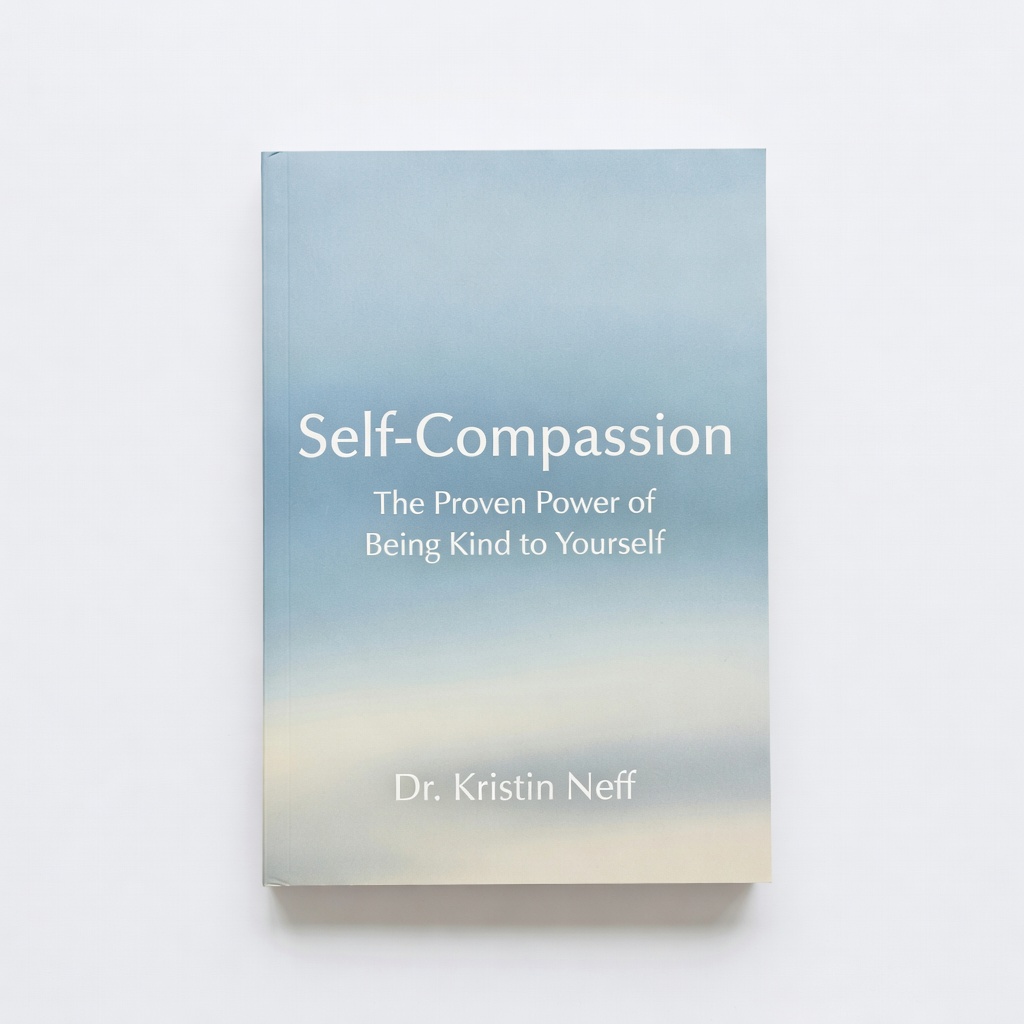
Self-Compassion: The Proven Power of Being Kind to Yourself by Dr. Kristin Neff
Foundational book with exercises and research backing every step in this guide.
Best for: Read chapters on core practices before starting; reference during journaling.
Price Range: $14.99
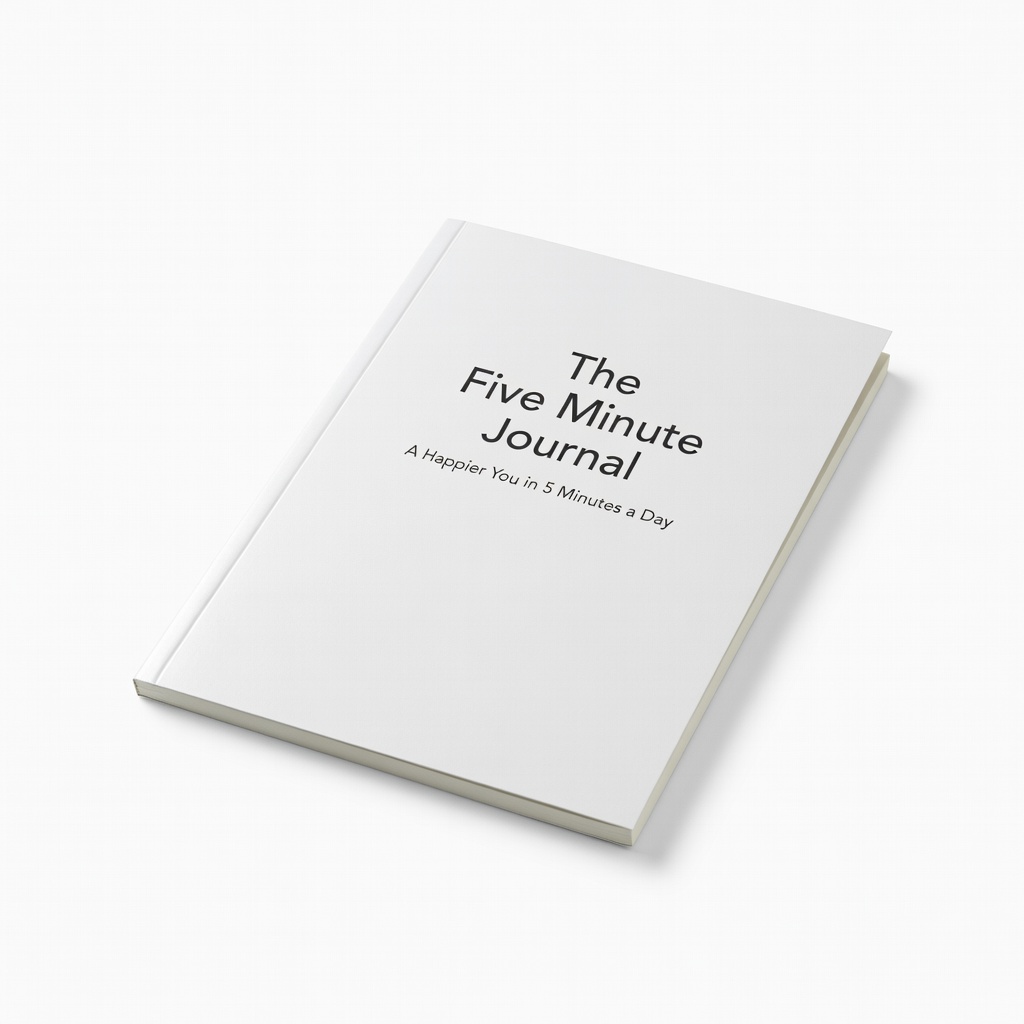
The Five Minute Journal: A Happier You in 5 Minutes a Day
Structured prompts perfect for self-compassion reflection without blank-page paralysis.
Best for: Use daily for step 6 journaling; gratitude sections amplify kindness.
Price Range: $24.99
BLISSFOX Meditation Cushion and Bench for Floor Sitting
Ergonomic support reduces physical discomfort, helping beginners sustain longer sessions.
Best for: For steps 1-2 in seated practice; portable for any room.
Price Range: $29.99
Soundcore by Anker Life Q20 Hybrid Active Noise Cancelling Headphones
Blocks distractions for deeper focus; great for guided audios on self-compassion.
Best for: Listen to free Insight Timer meditations during breathing or kindness steps.
Price Range: $59.99
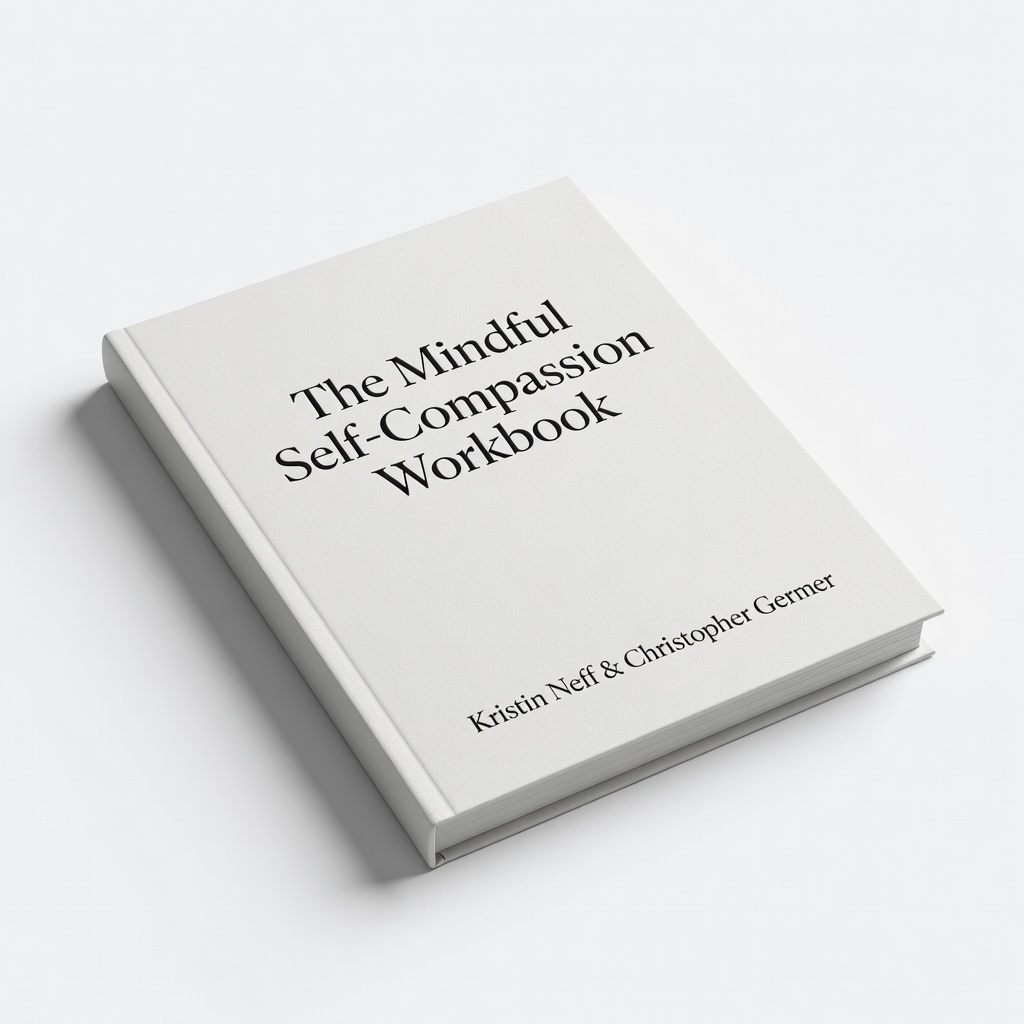
The Mindful Self-Compassion Workbook by Kristin Neff & Christopher Germer
50+ exercises expanding this daily routine with worksheets.
Best for: Weekly deep dives beyond basics; track long-term progress.
Price Range: $18.00