
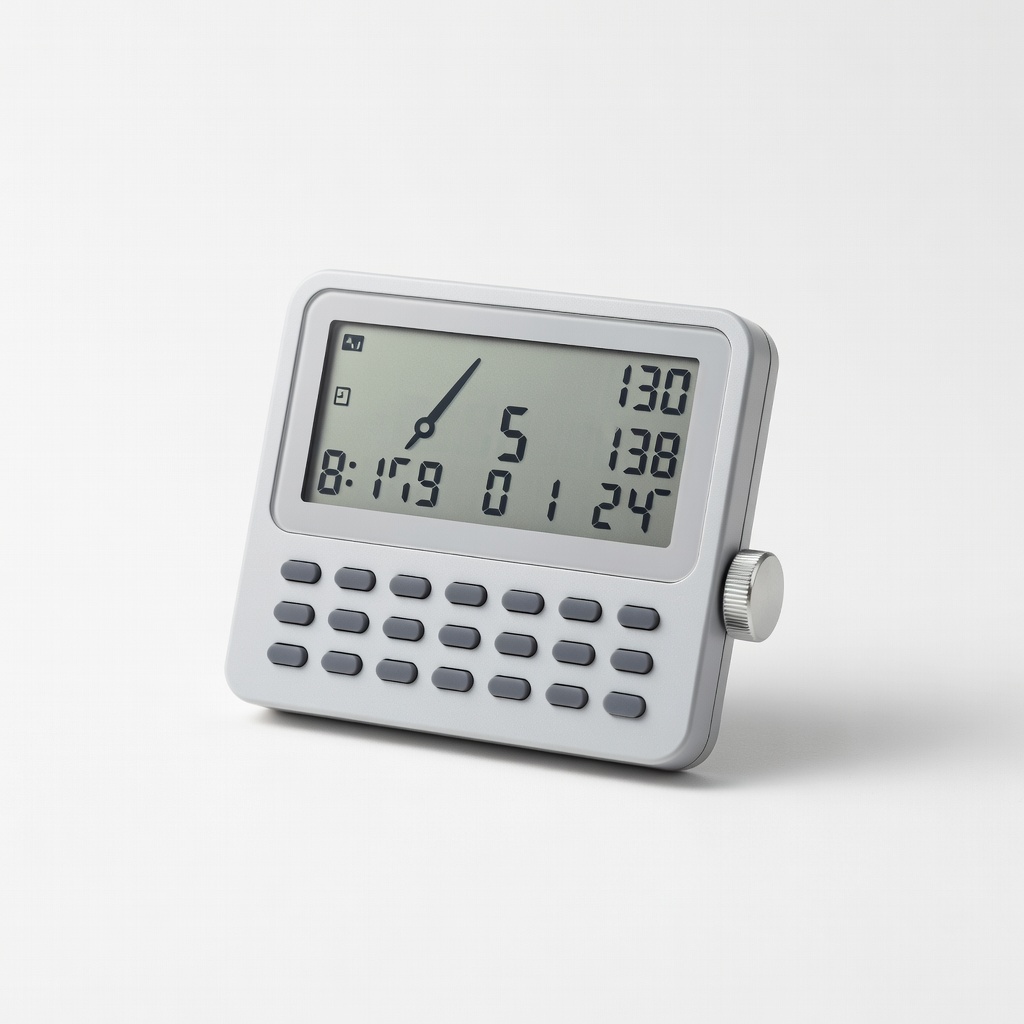
Korg TM60 Combo Tuner Metronome
Daily practice sessions to sync bellows speed and monitor note stability.
$39.99
Korg TM60 Combo Tuner Metronome Precise tempo and pitch feedback essential for rhythmic bellows drills and steady tones.
Get the App
Better experience on mobile
Master smooth, dynamic bellows control with step-by-step exercises tailored for intermediate accordion players to elevate your musical expression.
Struggling with uneven airflow, jerky bellows movements, or inconsistent dynamics on your accordion? Bellows control is the heartbeat of expressive playing, allowing you to shape phrases, build tension, and convey emotion. Without it, even flawless fingerwork falls flat.
In this guide, you'll learn proven exercises to develop precise bellows technique, from basic steady pulls to advanced swells and shakes. Expect noticeable improvement in 1-2 weeks of daily practice. Each step builds on the last, with clear markers of success.
Perfect for intermediate players familiar with basic scales and tunes—this 20-30 minute routine requires only your accordion and a metronome. Let's get those bellows singing!
Estimated Time: 20-30 minutes per daily session; 1-2 weeks for proficiency Difficulty: intermediate
Sit or stand comfortably with your accordion strapped securely at chest height. Feet flat on the floor, back straight, shoulders relaxed. Grip the bass handstrap firmly but not tightly, and place your right thumb and pinky on the bellows grips.
Why it matters: Poor posture leads to uneven bellows pressure and fatigue. Success looks like effortless movement without hunching or straining—your elbows should form a natural triangle with the instrument.
Practice holding for 1 minute, breathing steadily.
💡 Tips:
⚠️ Warnings:
Set metronome to 60 BPM. Extend bellows fully on beats 1-2 (push out), then compress fully on 3-4 (pull in). Keep movements smooth, no jerking.
Focus on even speed and resistance feel. Why? Builds muscle memory for consistent air flow. Success: Bellows move like a piston—steady, no trembling, lasting 2 minutes without pause.
Repeat 5x, eyes closed to feel the motion.
💡 Tips:
⚠️ Warnings:
Continue push-pull at 80 BPM. Add quarter-note pulses: slight resistance changes per beat while maintaining even flow.
This trains timing under control. Expect initial wobbles—success is locking in rhythm after 3 minutes. Why essential: Real music demands synced bellows and melody.
💡 Tips:
Push: Extend while pressing palms evenly—feel uniform reed response. Pull: Compress with fingers relaxed, thumbs guiding.
Test by listening for consistent 'shhh' sound. Uneven pressure causes pitch waver. Success: No 'dead spots' in folds, 4-minute endurance.
💡 Tips:
⚠️ Warnings:
No keys yet. Metronome 60 BPM: Push out swelling volume (crescendo) over 4 beats, then pull in fading (decrescendo).
Why? Dynamics are bellows' voice. Success: Smooth volume arc like ocean waves, repeatable 10x without breaks.
💡 Tips:
Play a single right-hand button/note (e.g., C). Match note duration to bellows: long tone on full extension.
Vary dynamics per note. Success: Pitch steady, no air leaks or fading—hold 8 beats cleanly. Builds note-to-bellows sync.
💡 Tips:
⚠️ Warnings:
Play C major scale: Even bellows per note, breathing at phrase ends. Then a tune like 'Twinkle Twinkle' with swells on long notes.
Success: Fluid phrasing, no gasps. Why key: Transfers control to music.
💡 Tips:
Rapid push-pull oscillations (shakes) on single note for vibrato effect. Then full routine at 120 BPM.
Success: Controlled shakes (16th notes), clean fast scales. Record yourself weekly to track progress.
💡 Tips:
Problem: Pitch wavers or notes cut out
Solution: Check even pressure; clean reeds/valves if chronic. Retune accordion.
Problem: Arm fatigue after 5 minutes
Solution: Loosen straps, improve posture. Build endurance gradually.
Problem: Bellows leak air audibly
Solution: Inspect/tape folds. Use valve oil sparingly. Seek luthier if persistent.
Problem: Uneven dynamics
Solution: Practice isolated cre/dec without notes first. Use recordings.
Precise tempo and pitch feedback essential for rhythmic bellows drills and steady tones.
Best for: Daily practice sessions to sync bellows speed and monitor note stability.
Price Range: $39.99
Ultra-sensitive clip-on detects subtle pitch shifts from poor bellows pressure.
Best for: Clip to accordion grill during single-note and scale exercises.
Price Range: $14.99
Holds sheet music or phone for recordings, keeping focus on bellows without clutter.
Best for: Position for scales/melodies; stable for video self-review.
Price Range: $24.99
Full-view posture monitoring prevents bad habits in bellows technique.
Best for: Wall/stand mount for real-time grip and alignment checks.
Price Range: $49.99
Padded comfort reduces fatigue during extended bellows sessions.
Best for: Intermediate players needing secure, adjustable fit for all exercises.
Price Range: $79.99-$99.99
Daily practice sessions to sync bellows speed and monitor note stability.
Korg TM60 Combo Tuner Metronome Precise tempo and pitch feedback essential for rhythmic bellows drills and steady tones.
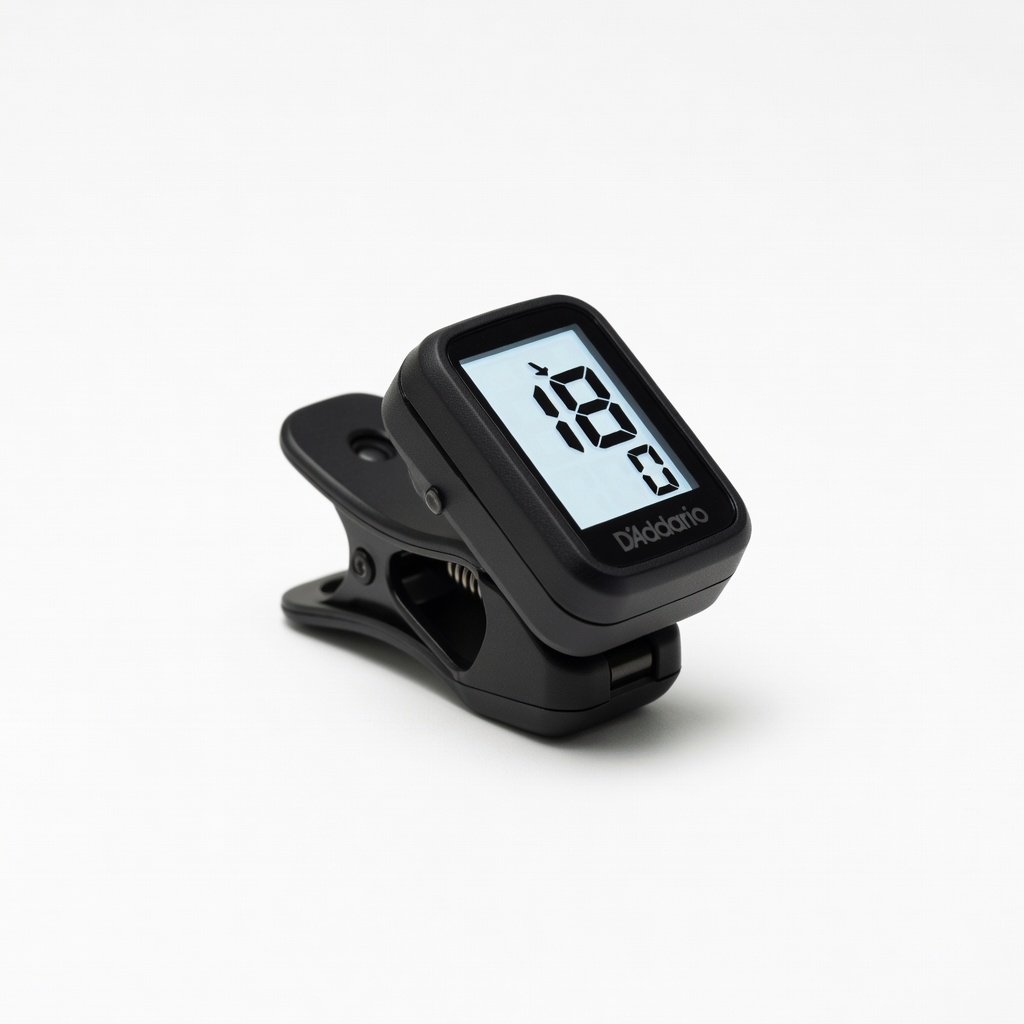
Clip to accordion grill during single-note and scale exercises.
D'Addario NS Micro Clip-On Tuner Ultra-sensitive clip-on detects subtle pitch shifts from poor bellows pressure.
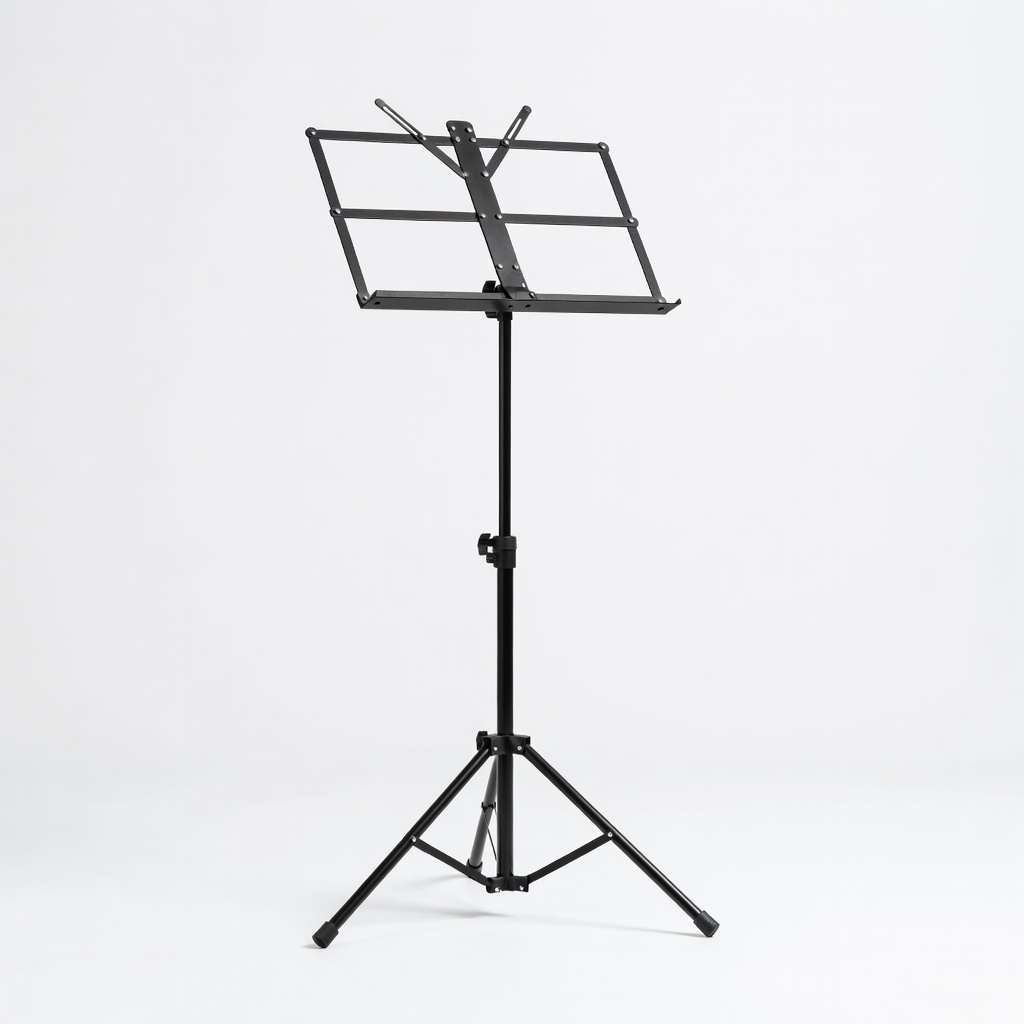
Position for scales/melodies; stable for video self-review.
Neewer Collapsible Music Stand Holds sheet music or phone for recordings, keeping focus on bellows without clutter.
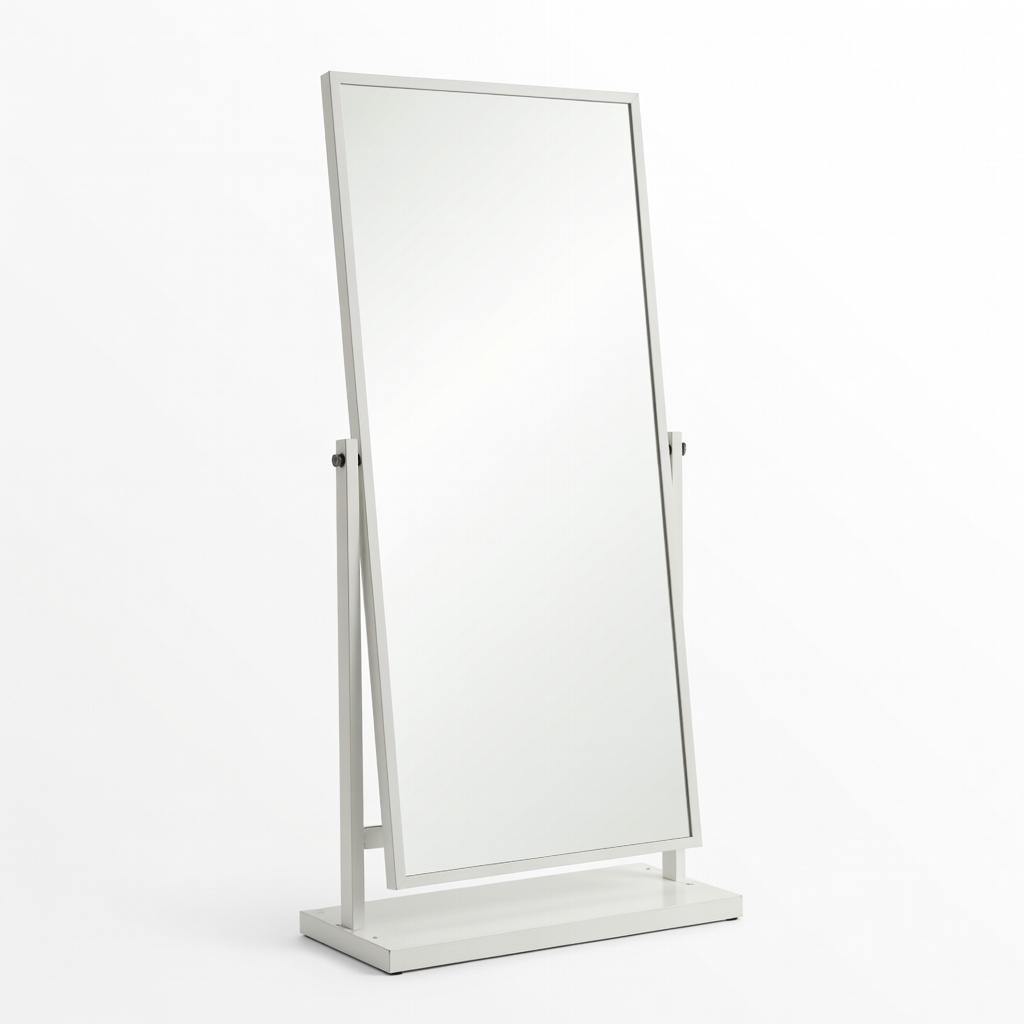
Wall/stand mount for real-time grip and alignment checks.
Hollywood Home FHD1330-B 30x60 Adjustable Mirror Full-view posture monitoring prevents bad habits in bellows technique.
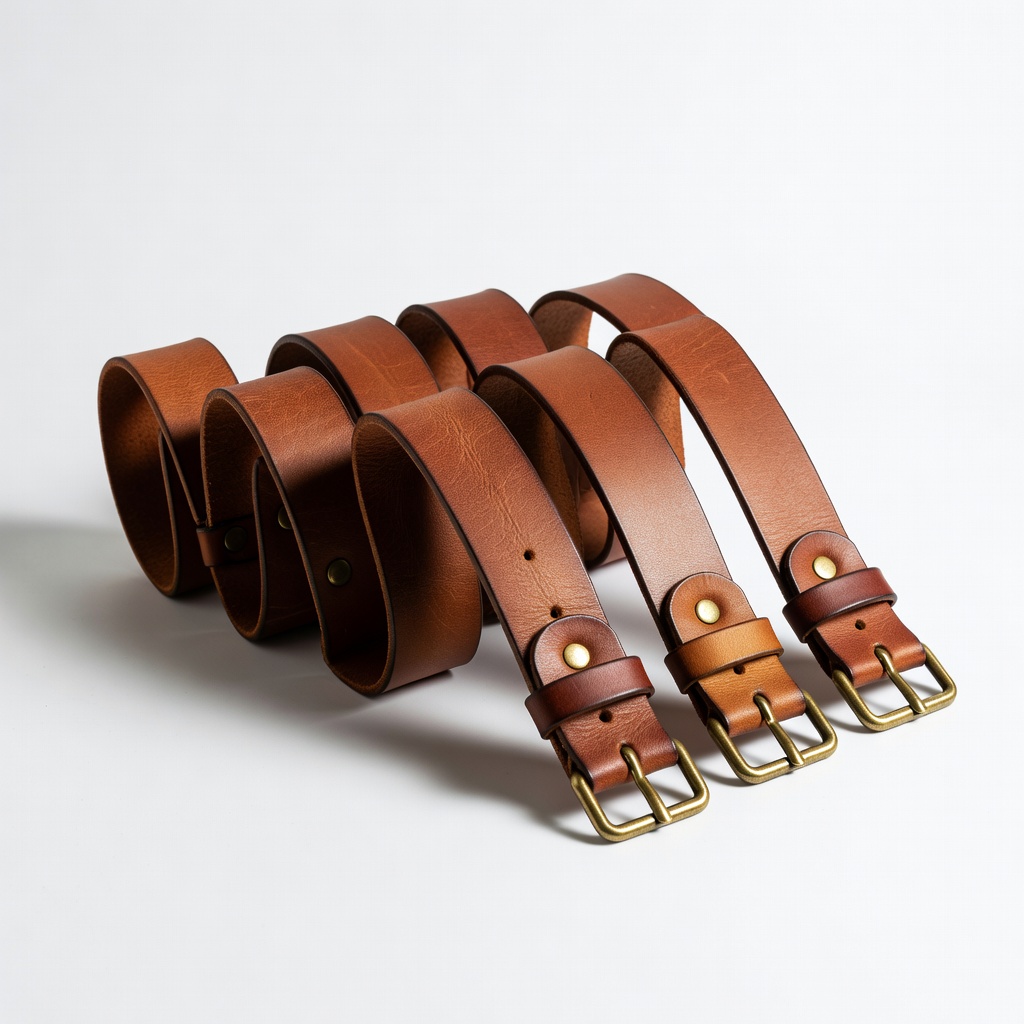
Intermediate players needing secure, adjustable fit for all exercises.
Origin Leather Accordion Straps (Universal) Padded comfort reduces fatigue during extended bellows sessions.