Potty training a new puppy can feel overwhelming, but the crate training method is one of the most effective ways to teach your puppy where and when to go. By leveraging your puppy’s natural instinct to keep their sleeping area clean, you’ll establish a routine that leads to consistent success. This guide will walk you through everything you need to know, from choosing the right crate to handling accidents. Expect to invest a few weeks of patience and consistency, but the result is a reliably house-trained dog.
▸What You'll Need
- •A properly sized crate (large enough to stand, turn, and lie down, but not too big)
- •Soft bedding or a crate mat
- •High-value puppy treats (small, soft, and delicious)
- •Enzymatic cleaner for accidents (e.g., Nature’s Miracle)
- •Pee pads (optional, for long absences or apartment living)
- •A leash and collar
- •A schedule chart or timer
- •Patience and consistency
Estimated Time: 2–4 weeks of consistent training (15–20 minutes active training sessions each day)
Difficulty: beginner
▸Step-by-Step Instructions
Step 1: Choose and Set Up the Crate Correctly
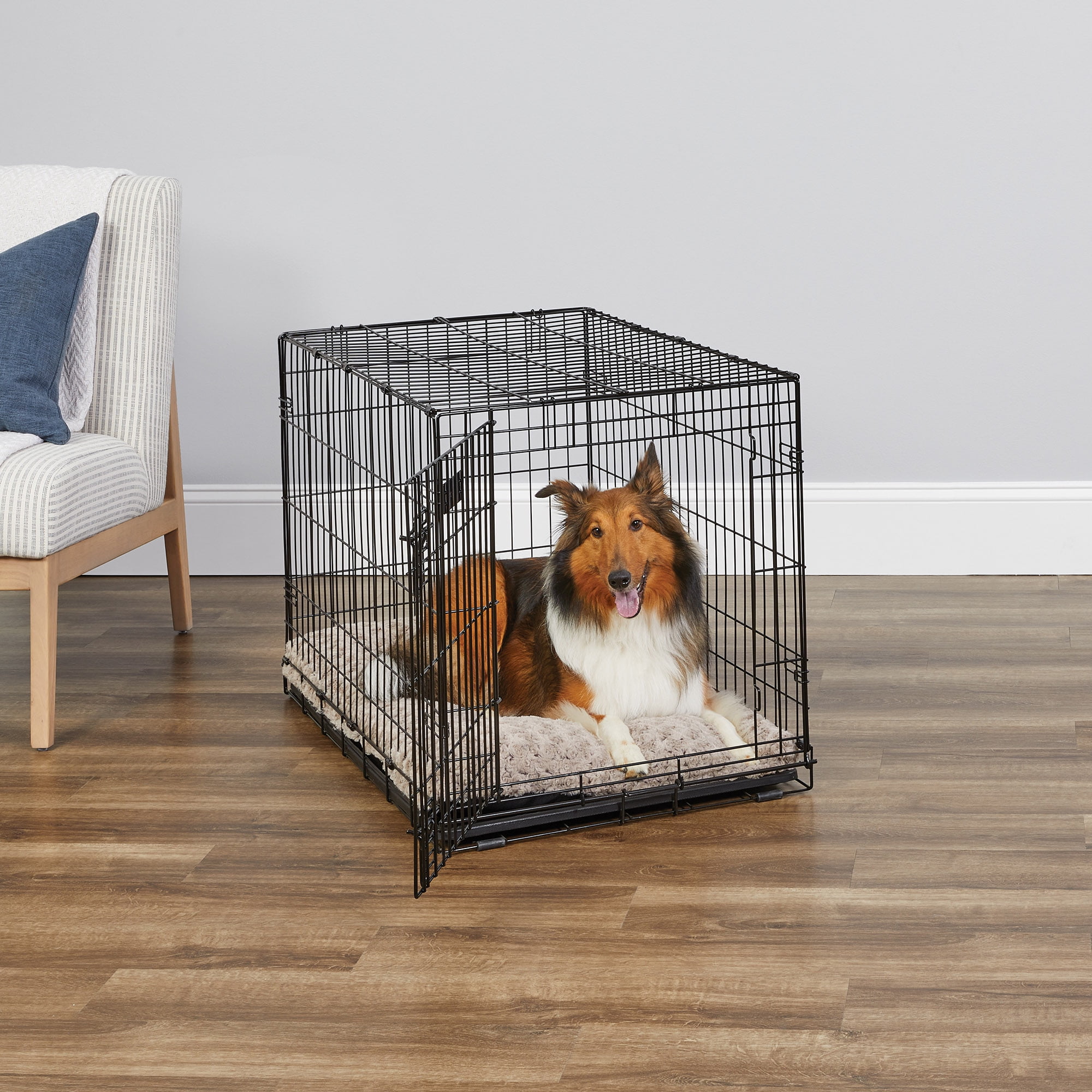
Select a crate that’s just large enough for your puppy to stand, turn around, and lie down comfortably. If the crate is too big, your puppy may use one end as a bathroom. Place a soft bed or mat inside to make it cozy. Position the crate in a quiet but social area of your home, like the living room, so your puppy feels part of the family even when confined.
💡 Tips:
- •Use a divider panel to adjust crate size as your puppy grows.
⚠️ Warnings:
- •Never use the crate as punishment—it should be a safe space.
Step 2: Introduce Your Puppy to the Crate
Make the crate a positive place. Toss treats inside, let your puppy explore on their own, and feed meals near the crate. Gradually increase time inside with the door closed for short periods (starting with 30 seconds). Praise and treat generously. The goal is for your puppy to enter the crate willingly.
💡 Tips:
- •Use a stuffed Kong or chew toy to create a positive association.
⚠️ Warnings:
- •Never force your puppy inside—this can create fear.
Step 3: Establish a Potty Schedule
Puppies need to eliminate frequently: first thing in the morning, after meals, after naps, after play, and before bedtime. Take your puppy out every 1–2 hours during the day (use a timer). Use a consistent door to the potty area and a verbal cue like “Go potty.” Stay with them until they go, then reward immediately.
💡 Tips:
- •Keep a log of potty times to identify patterns.
⚠️ Warnings:
- •Don’t play or distract until after they’ve eliminated.
Step 4: Use the Crate for Short Periods
When you can’t supervise, put your puppy in the crate. The rule of thumb: puppies can hold their bladder for about one hour per month of age (e.g., a 2-month-old can hold for 2 hours). Always take them out immediately after crate time. Never leave a puppy in the crate longer than they can hold it—or expect accidents.
💡 Tips:
- •Set an alarm to remind yourself to let them out.
⚠️ Warnings:
- •Never use the crate as a place to leave a puppy all day while you work.
Step 5: Take Puppy Out Immediately After Crate Time
When you open the crate door, attach a leash and head straight to the potty spot. Don’t give them time to wander or play. Use your potty cue. If they eliminate, praise and treat. If not, bring them back inside and try again in 10–15 minutes. Supervise closely until they go.
💡 Tips:
- •Carry your puppy to the potty spot if they seem groggy.
⚠️ Warnings:
- •Don’t let them off-leash until after they potty.
Step 6: Reward Accidents Outside, Ignore Accidents Inside
When your puppy eliminates outside, give a jackpot of treats and enthusiastic praise. If an accident happens inside, do NOT punish—punishment can cause fear and hiding. Clean the spot thoroughly with an enzymatic cleaner to remove odor. Interrupt accidents calmly by clapping or saying “Oops!” and take them outside immediately.
💡 Tips:
- •Use a special high-value treat only for outdoor potty.
⚠️ Warnings:
- •Never rub your puppy’s nose in an accident—it’s ineffective and cruel.
Step 7: Gradually Increase Freedom and Crate Time
Once your puppy is reliably pottying outdoors and having few accidents, you can start giving them more freedom. Before unsupervised time, take them out. If they have a setback, go back to more crate time and schedule. Slowly increase crate duration by 30-minute increments each week, always respecting their bladder capacity.
💡 Tips:
- •Use baby gates to confine them to a puppy-proofed room.
⚠️ Warnings:
- •Don’t rush—setbacks are normal during growth spurts.
Step 8: Transition to Nighttime Without Accidents
Young puppies need nighttime potty breaks. Set an alarm for once or twice per night (e.g., 2-3 hour intervals if under 4 months). Take them out quietly without play, reward, and return to crate. As they get older, gradually lengthen the interval. By 4-5 months, many puppies can sleep through the night (6-8 hours).
💡 Tips:
- •Withhold water 1-2 hours before bedtime.
⚠️ Warnings:
- •If your puppy cries at night, it may mean they need to potty—take them out.
▸Pro Tips
- •Feed meals on a consistent schedule to predict potty times.
- •Use a bell on the door to teach your puppy to signal when they need to go out.
- •Keep a potty log to identify progress and patterns.
- •For apartment dwellers, designate a balcony or pee pad spot as a backup.
- •Always bring treats when you go outside—instant reward is key.
- •If you work long hours, hire a dog walker or use a playpen with pee pads.
- •Be consistent with the same door and same spot every time.
▸Common Mistakes to Avoid
- •Crate is too big, allowing the puppy to potty in one corner and sleep in another.
- •Leaving the puppy in the crate too long, leading to accidents and crate aversion.
- •Punishing accidents inside, which can make the puppy afraid to potty in front of you.
- •Not cleaning accidents thoroughly with enzymatic cleaner, so the smell encourages repeat offenses.
- •Giving too much freedom too soon before the puppy is fully reliable.
▸Troubleshooting
Problem: My puppy cries in the crate at night.
Solution: First, ensure the puppy has gone potty recently. If they cry after a few hours, they likely need to go out. Take them out quickly and quietly, then return to crate. If they cry for attention, ignore (if you’re sure they don’t need potty) or use a crate cover.
Problem: My puppy has accidents in the crate.
Solution: Check crate size—it may be too large. Also review schedule: are you taking them out often enough? Clean the crate thoroughly with enzymatic cleaner. If the problem persists, consult your vet to rule out a UTI.
Problem: My puppy refuses to enter the crate.
Solution: Go back to step 2: positive association. Feed meals in the crate, toss treats, and never force. Use a favorite toy or blanket. Make sure the crate is comfortable and in a good location.
Problem: My puppy holds it until we get inside after a walk.
Solution: Stay outside longer—walk a little to stimulate movement. Use a potty cue and reward immediately when they go. If they don’t go after 10 minutes, bring them inside but confine to a small area (crate or pen) and try again in 15 minutes.
MidWest Homes for Pets iCrate Single Door Collapsible Wire Dog Crate
Durable, foldable, and comes with a divider panel to adjust size as your puppy grows.
Best for: Essential for crate training; provides a safe, den-like space.
Price Range: $50-$100
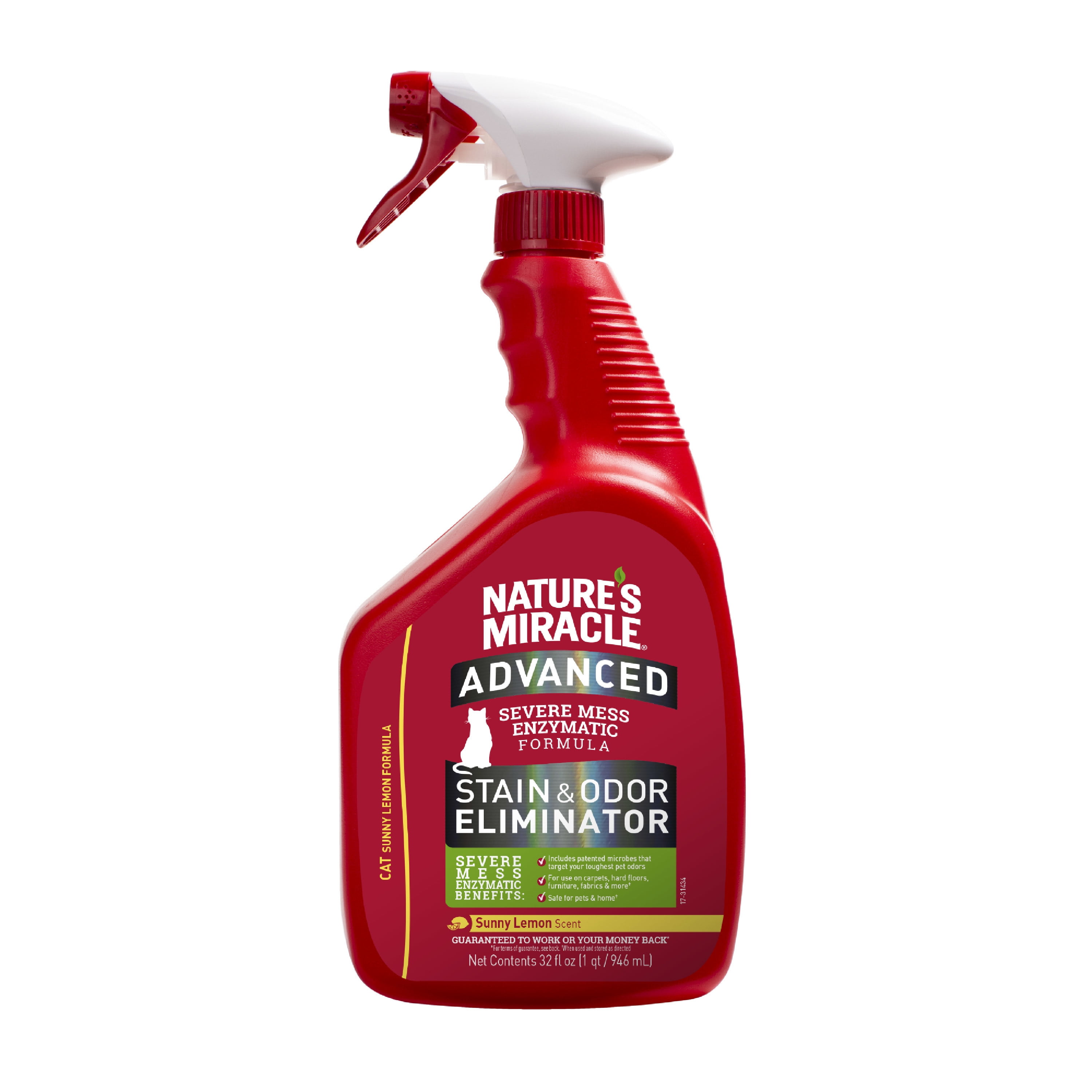
Nature's Miracle Advanced Stain & Odor Eliminator
Enzymatic formula breaks down urine proteins to eliminate odors and discourage remarking.
Best for: Clean up accidents on carpets, floors, and crate bedding.
Price Range: $10-$15
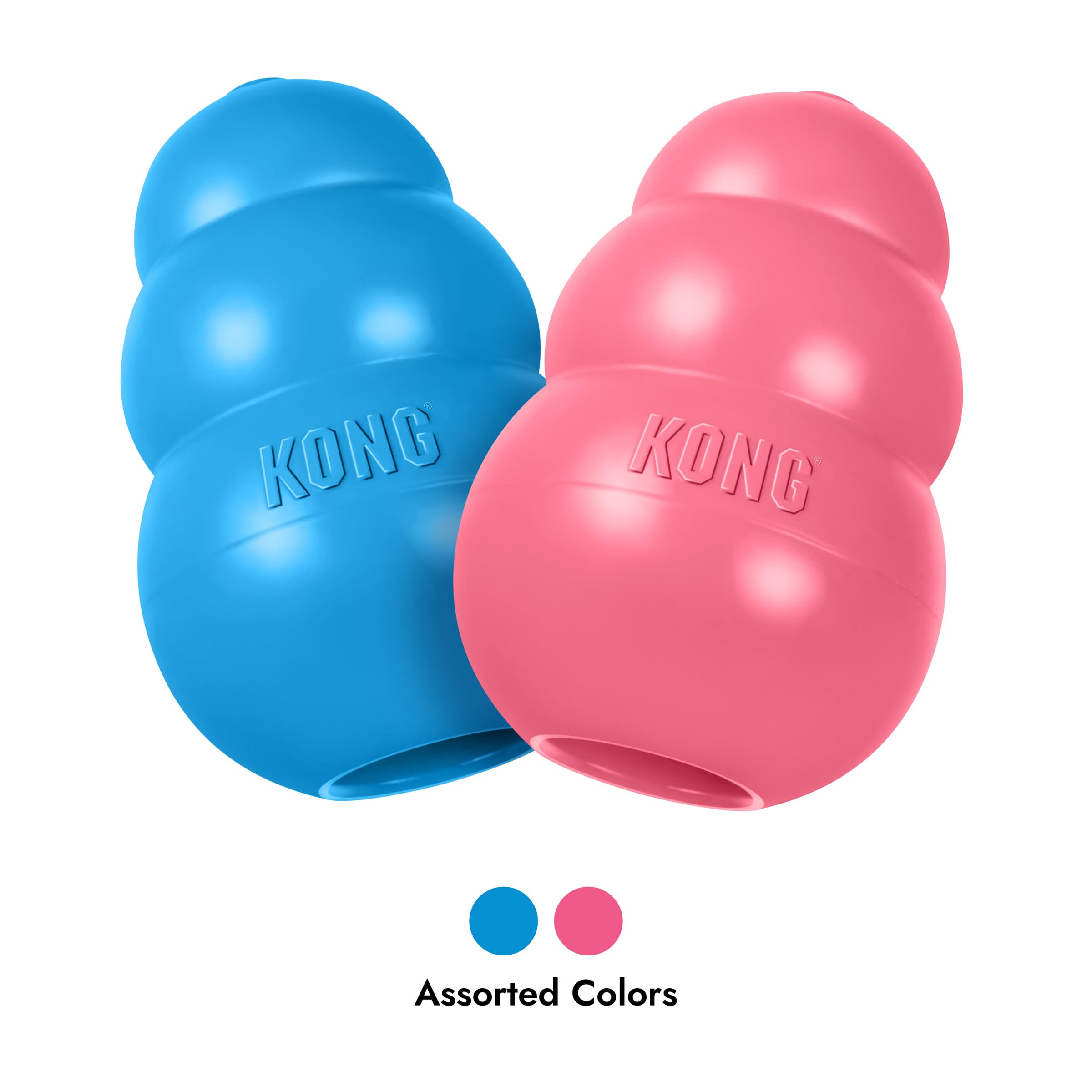
KONG Puppy Toy (Small)
Stuff with treats or peanut butter to keep your puppy occupied in the crate and build positive association.
Best for: Crate enrichment and distraction during training.
Price Range: $10-$15
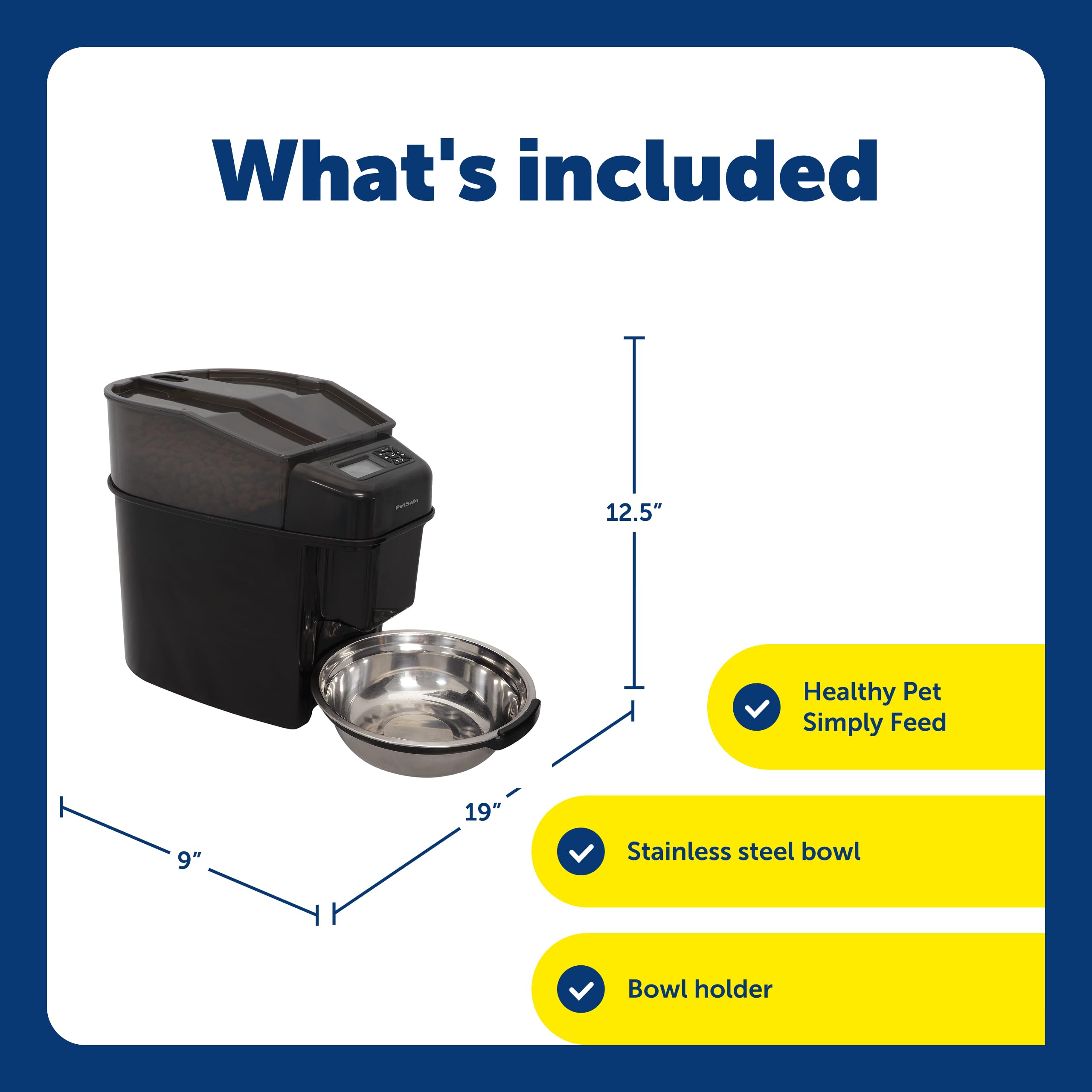
PetSafe Healthy Pet Simply Feed Automatic Feeder
Helps maintain a consistent feeding schedule, which regulates potty times.
Best for: Dispense meals at set times when you’re away or busy.
Price Range: $70-$100
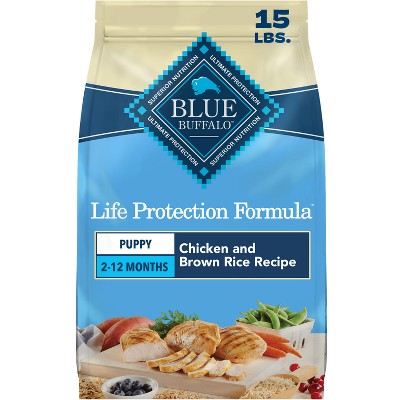
Blue Buffalo Life Protection Formula Puppy Chicken & Brown Rice Recipe
High-quality food with balanced nutrients for growth and firm stools.
Best for: Feed your puppy consistently to support digestive health and predictable potty habits.
Price Range: $20-$30 per bag