Back pain affects millions, disrupting daily life from work to sleep. Traditional Chinese Medicine (TCM) offers relief through acupuncture points that target pain at its source, reducing inflammation and improving energy flow (Qi). This guide empowers intermediate practitioners or self-care enthusiasts to locate and stimulate key points for low back pain relief.
You'll learn to identify and position 5 proven points (like BL23 and GV4) using acupressure—no needles required for safety. Expect noticeable tension release after 1-2 sessions, with cumulative benefits over a week. Sessions take 15-30 minutes; always consult a licensed acupuncturist first, especially if pregnant or with health conditions.
This intermediate guide assumes basic TCM knowledge; follow steps precisely for best results.
▸What You'll Need
- •Acupuncture point chart or anatomical model (required for reference)
- •Acupressure tool like a massage pen or fingers (required)
- •Acupressure mat or pillow (recommended for comfort)
- •Timer or clock (optional)
- •Essential oil like lavender for relaxation (optional)
Estimated Time: 15-30 minutes per session
Difficulty: intermediate
▸Step-by-Step Instructions
Step 1: Prepare Your Space and Body
Find a quiet, warm room. Lie face down on a firm surface or acupressure mat. Breathe deeply for 2-3 minutes to relax muscles—this enhances Qi flow and point sensitivity.
Why it matters: Tension blocks effectiveness. Expect a calm state, ready for precise positioning.
Image description: Person lying prone on acupressure mat in dim room, deep breathing.
💡 Tips:
- •Use dim lighting and soft music for deeper relaxation.
⚠️ Warnings:
- •Avoid if acute injury or fever; stop if dizziness occurs.
Step 2: Locate BL23 (Shenshu) - Kidney Shu Point
BL23 sits 1.5 cun (thumb-width) lateral to the lower border of T2 vertebra (bra level). Place fingers 2 inches below shoulder blades, beside spine.
This point tonifies kidneys, strengthens lower back. Press firmly for 2 minutes; expect warmth or ache signaling 'de Qi' sensation.
Image description: Close-up back view with BL23 marked beside spine.
💡 Tips:
- •Use chart for exact cun measurement.
⚠️ Warnings:
- •Never press directly on spine—stay lateral.
Step 3: Position BL25 (Dachangshu) - Large Intestine Shu
Find BL25 level with L4 vertebra (dimples above buttocks), 1.5 cun lateral. Trace from navel down 2 hand breadths.
Relieves sciatica and stiffness. Apply circular pressure 1-2 minutes per side; success is reduced pain referral.
Image description: Diagram showing BL25 near sacral dimples.
💡 Tips:
- •Combine with deep breaths into the area.
Step 4: Target GV4 (Mingmen) - Gate of Life
GV4 is midline, below L2 vertebra (between iliac crests). Depress navel 1.5 cun, then up 3 vertebrae.
Warms yang, fortifies back. Press with thumbs 2 minutes; feel pulsing or heat.
Image description: Mid-back view with GV4 on spine highlighted.
💡 Tips:
- •Partner can press harder than solo.
⚠️ Warnings:
- •Light pressure if osteoporosis.
Step 5: Stimulate BL40 (Weizhong) - Distal Point
BL40 is center of knee crease, back of leg. Sit or bend knee to access.
Clears lumbar channel obstruction. Pinch or press 1 minute per leg; expect leg tingling.
Image description: Bent knee showing BL40 in popliteal fossa.
💡 Tips:
Step 6: Add KI3 (Taixi) for Kidney Support
KI3 between Achilles tendon and medial malleolus (inner ankle). Press inward 1-2 minutes.
Nourishes kidneys, eases chronic pain. Success: Ankle warmth spreading up.
Image description: Ankle close-up with KI3 marked.
💡 Tips:
- •Great for ongoing maintenance.
Step 7: Session Close and Rest
End with full back sweep massage. Rest 5 minutes, hydrate. Track pain (1-10 scale).
Why: Integrates effects. Expect 20-50% relief initially.
Image description: Person resting post-session, journal nearby.
💡 Tips:
⚠️ Warnings:
- •No relief in 3 days? See pro.
▸Pro Tips
- •Measure in cun using your thumb for personalization.
- •Apply heat pack post-session to prolong relief.
- •Combine with gentle yoga like cat-cow.
- •Use essential oils on points for synergy.
- •Journal sessions to refine pressure/time.
- •Partner assistance doubles efficacy.
- •Morning sessions prevent daily flare-ups.
▸Common Mistakes to Avoid
- •Pressing too hard initially—start gentle to build tolerance.
- •Ignoring anatomy—use chart to avoid wrong spots.
- •Skipping distal points like BL40— they amplify local effects.
- •No rest post-session—rushing negates Qi settling.
- •Daily overuse without breaks—leads to bruising.
▸Troubleshooting
Problem: No 'de Qi' sensation (ache/warmth)
Solution: Increase pressure gradually or use pen tool; ensure relaxation.
Problem: Increased pain after session
Solution: Reduce time/pressure; apply ice and consult pro.
Problem: Can't locate points accurately
Solution: Get a 3D model or app; practice on partner first.
Problem: Persistent pain despite sessions
Solution: Seek licensed acupuncturist; may need full diagnosis.
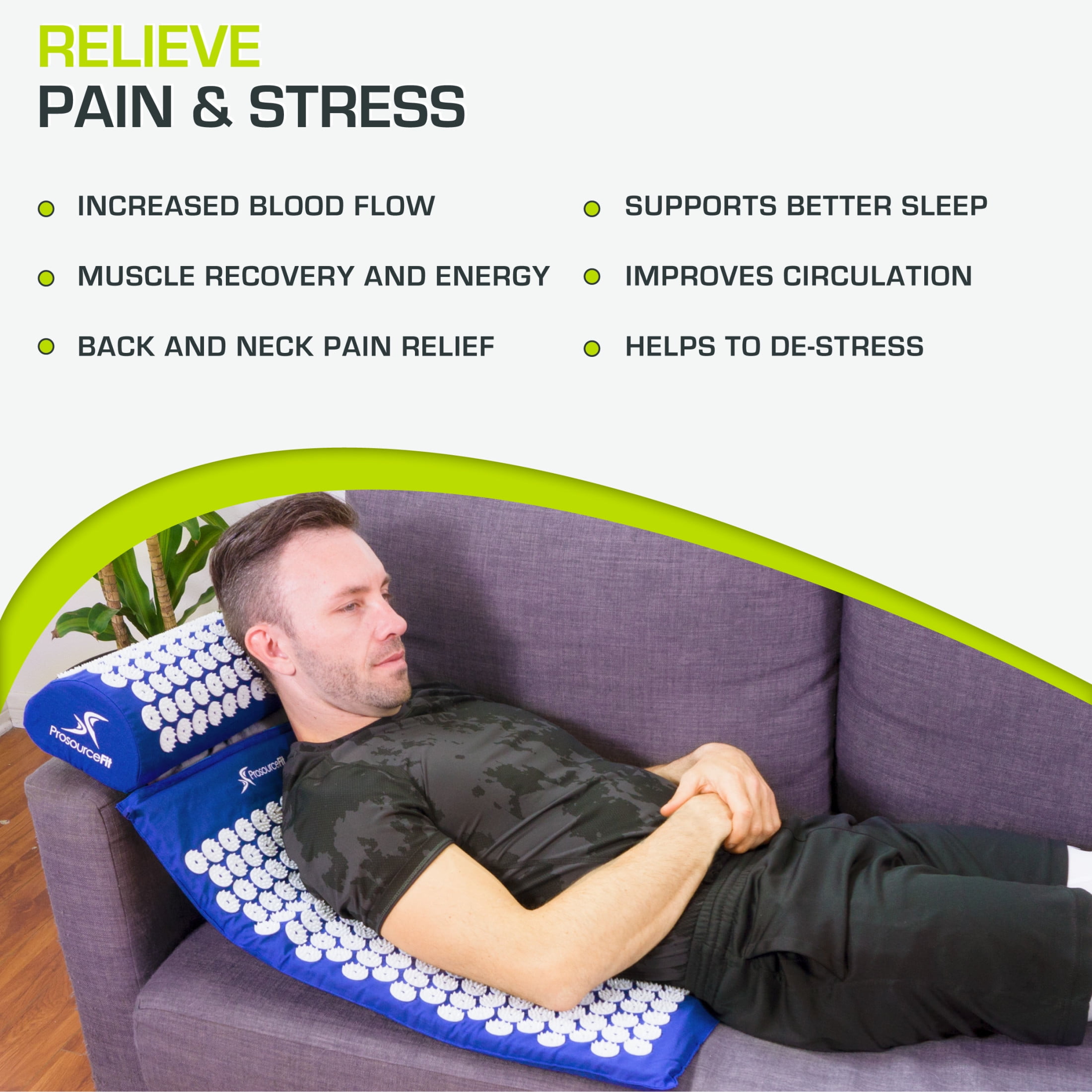
ProSource JiFit Acupressure Mat and Pillow Set
Provides full-back stimulation while positioning points; spikes hit multiple shu points passively.
Best for: During sessions for enhanced relaxation and point access.
Price Range: $25-$35
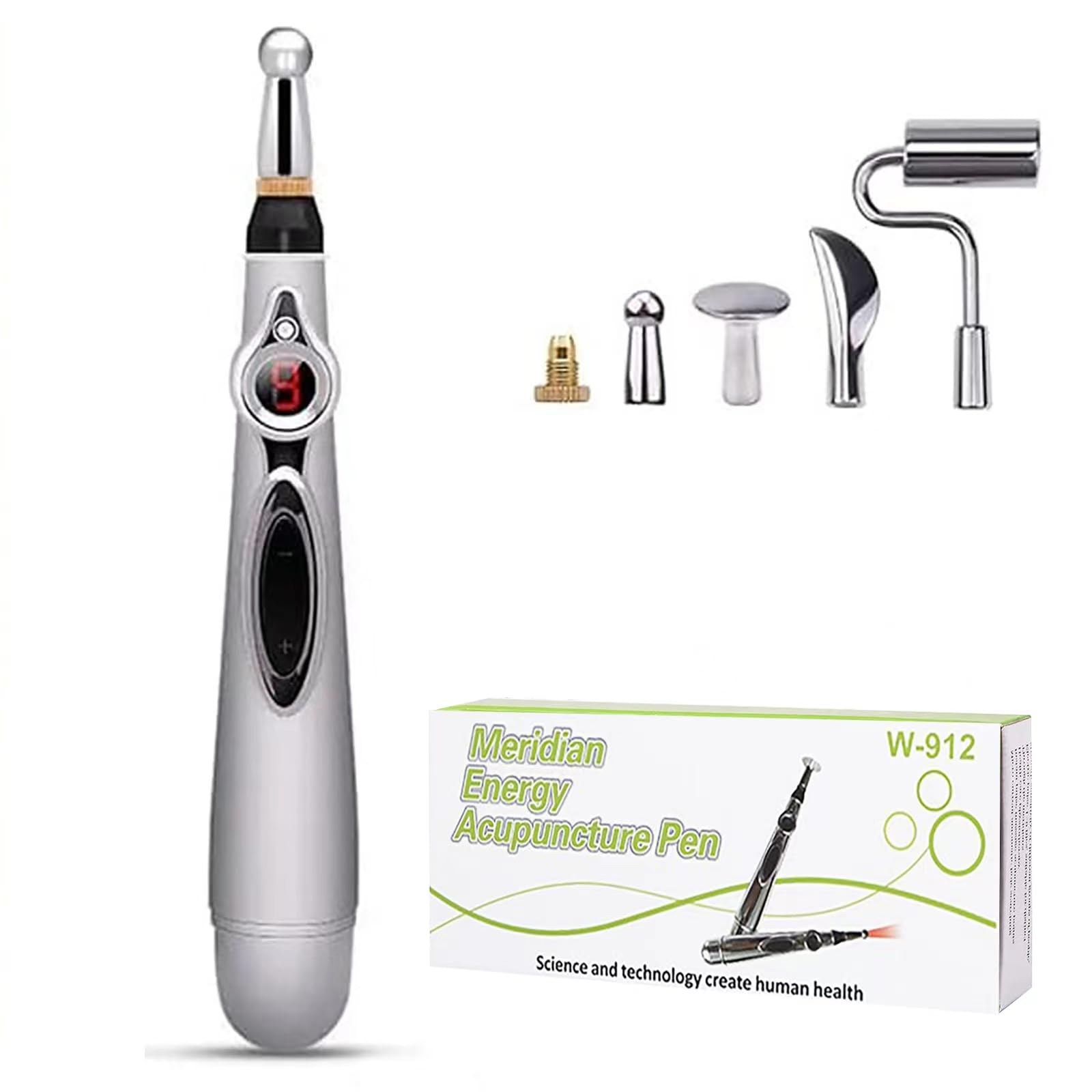
Rosuco Electronic Acupuncture Pen
Painless electro-stimulation precisely targets points without needles.
Best for: For solo precise point activation on hard-to-reach back spots.
Price Range: $20-$30
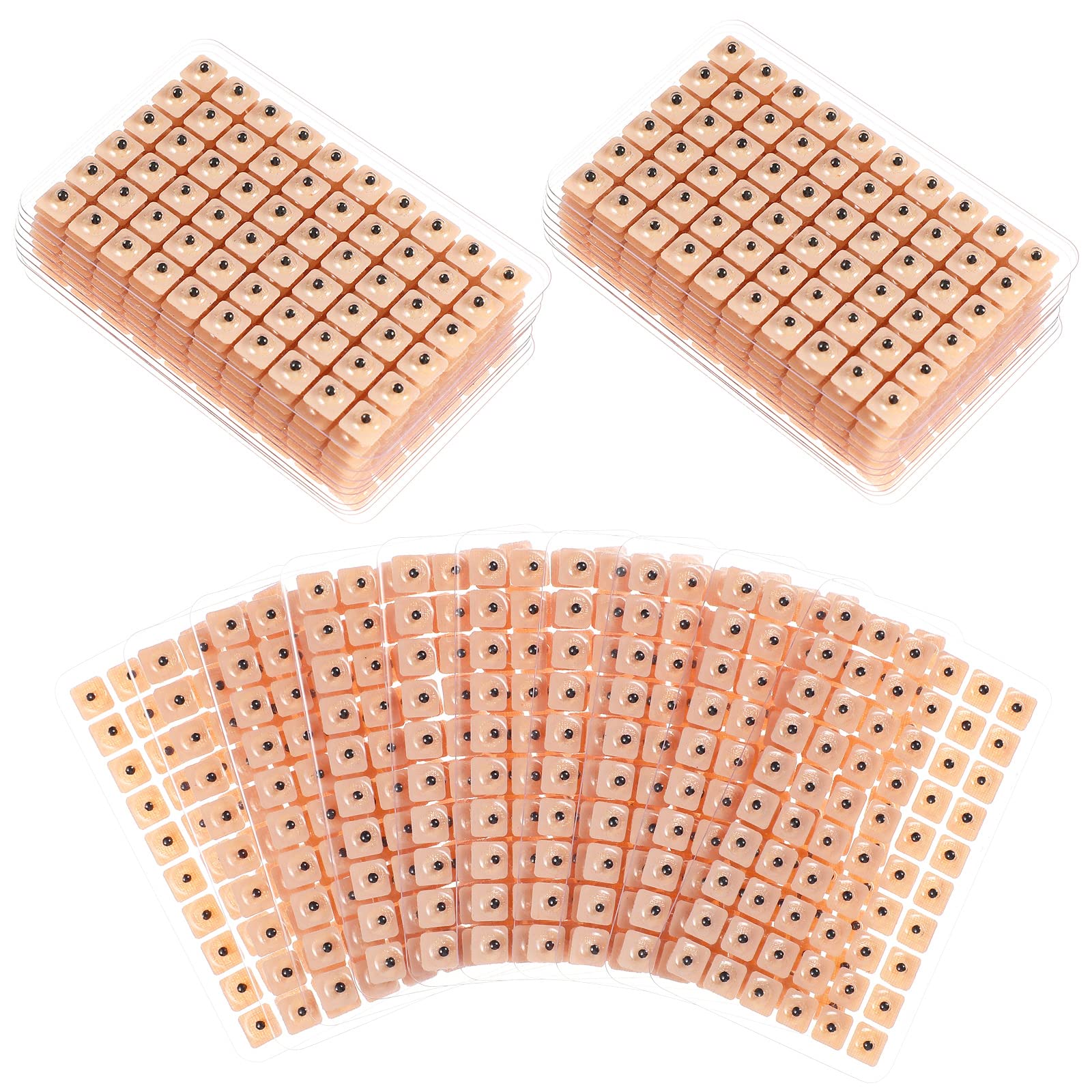
Seed by Design Vaccaria Ear Seeds Kit
Applies to auricular points mirroring back for 24/7 relief.
Best for: Complementary to body points for chronic pain.
Price Range: $10-$15
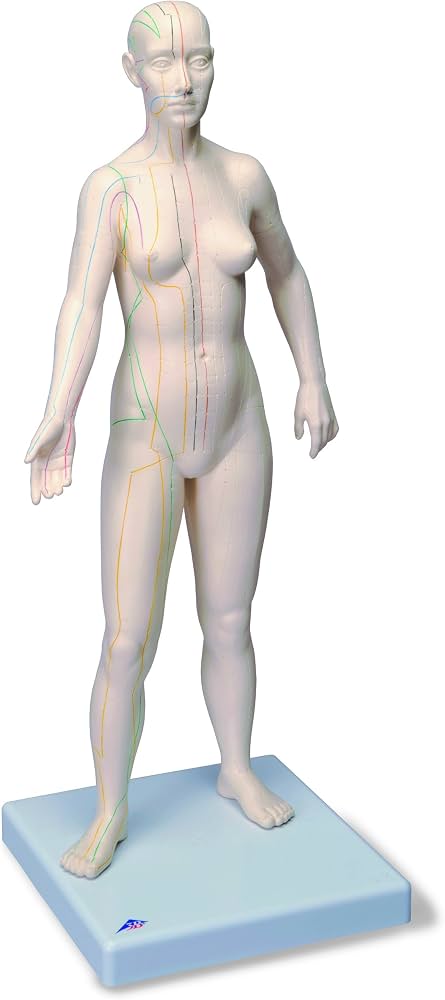
Acupuncture Human Body Model (3B Scientific)
Interactive 3D chart for accurate point location practice.
Best for: Pre-session training for intermediates.
Price Range: $50-$80