
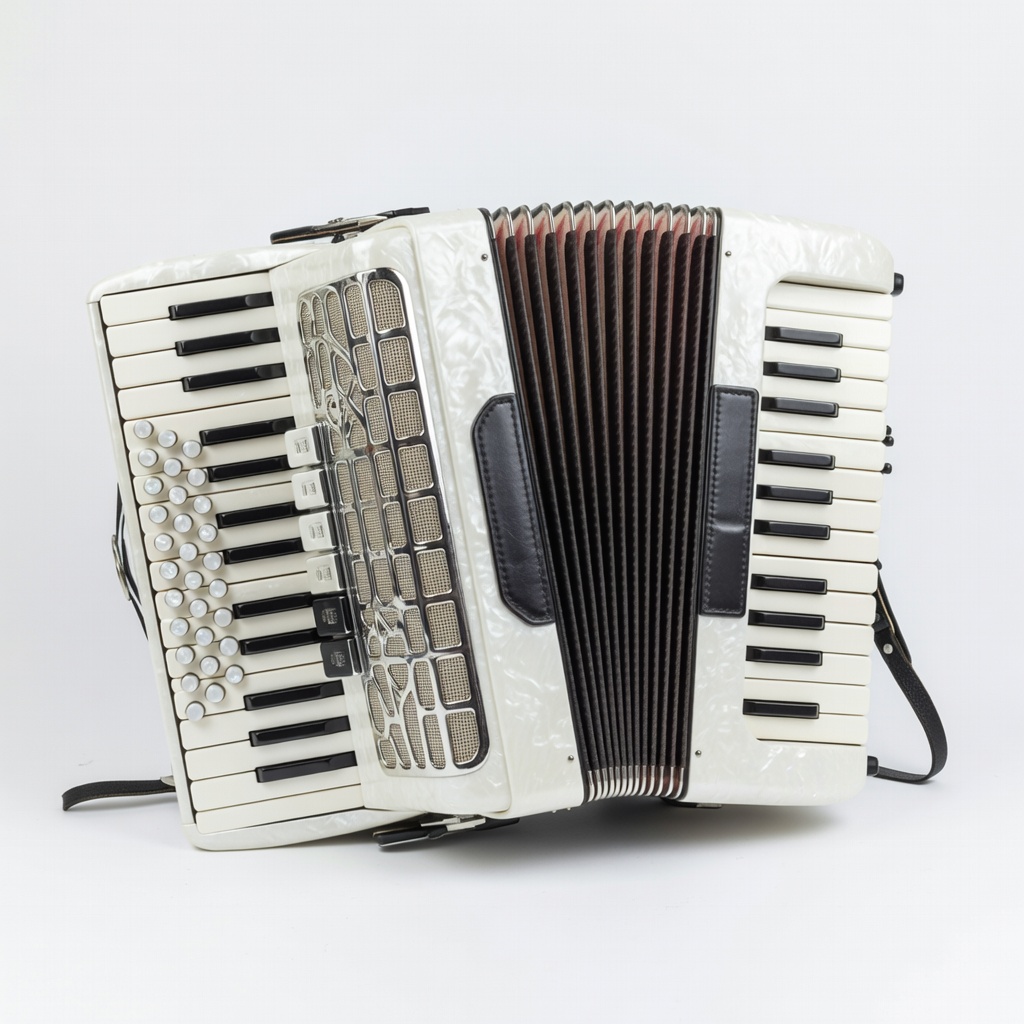
Newlam 26 Keys Piano Accordion
Daily beginner sessions to master holding and basic notes.
$39.99
Newlam 26 Keys Piano Accordion Lightweight, affordable starter with adjustable straps perfect for posture practice.
Get the App
Better experience on mobile
Master correct posture and basic playing techniques to play your accordion pain-free and build good habits from day one.
Many beginners grab their accordion and start squeezing out notes, only to end up with sore shoulders, back pain, or sloppy sound. Proper posture isn't just about looking good—it's the foundation for comfortable playing, better tone control, and preventing injuries as you progress.
In this guide, you'll learn step-by-step how to position yourself, hold the accordion, and play basic notes with perfect posture. Whether you have a 26-key diatonic or 31-key piano accordion, these techniques apply. Expect to spend 20-30 minutes practicing to feel confident.
By the end, you'll hold and play your first scale effortlessly, setting you up for fun, frustration-free sessions.
Estimated Time: 20-30 minutes Difficulty: beginner
Select a sturdy, straight-back chair without armrests. Sit down with your feet flat on the floor, hip-width apart. Keep your back straight, shoulders relaxed, and head aligned over your spine—like a string is pulling the top of your head upward.
Why it matters: This neutral spine position supports your core and prevents slouching, which causes back strain during long practices. You should feel balanced and alert, not tense.
Expect your weight to be evenly distributed—no leaning forward yet.
💡 Tips:
⚠️ Warnings:
Loosen the shoulder straps fully. Slip your left arm under the left strap (bass side), then drape the right strap over your right shoulder (treble side). For piano accordions, ensure the wider back strap (if present) sits across your mid-back.
Why it matters: Proper straps distribute weight evenly, keeping the accordion stable without digging into your shoulders. Tighten gradually until snug but not restrictive—you should breathe easily.
Success: The accordion hangs naturally against your chest when held open.
💡 Tips:
⚠️ Warnings:
With straps on, close the bellows fully and lock them if possible. Rest the bass side on your left thigh, treble side on your right thigh. The bellows should be parallel to the floor when closed.
Why it matters: This aligns the instrument with your body's natural mechanics, allowing smooth bellows movement without twisting your torso.
Check in a mirror: Your elbows should be slightly bent, not locked.
💡 Tips:
Curve your right thumb and fingers naturally over the keys or buttons. Rest your thumb on the edge of the keyboard grille, pinky hovering near the lowest key. Keep your wrist straight and forearm parallel to the floor—no gripping!
Why it matters: Curved fingers enable quick, light touches for clean notes and prevent hand cramps.
Success: You can press a key without lifting your elbow.
Hook your left thumb under the lower bass strap or grille. Place fingertips lightly on chord buttons, palm supporting the bellows edge. Elbow relaxed, pointing slightly outward.
Why it matters: This grip controls bellows pressure precisely while accessing basses easily.
Expect steady hold without white knuckles.
💡 Tips:
⚠️ Warnings:
Unlock the bellows. Gently push-pull while keeping your back straight and shoulders down. Play a single note: press key with right finger, squeeze bellows outward with left hand.
Why it matters: Integrates posture with motion—bellows movement should come from arms, not rocking your body.
Mirror check: Posture unchanged? Great! Sound clear and steady?
💡 Tips:
⚠️ Warnings:
Play Do-Re-Mi (C-D-E on piano accordion): Pull bellows for outward notes, push for inward. Maintain posture throughout.
Why it matters: Reinforces habits under light pressure.
Success: 5 clean reps without slouching.
💡 Tips:
Problem: Accordion slips off lap
Solution: Tighten thigh-gripping straps or add non-slip pads under bellows.
Problem: Shoulder fatigue
Solution: Loosen straps slightly and add padded shoulder protectors.
Problem: Can't reach all keys comfortably
Solution: Adjust chair height or straps; consider a smaller beginner model.
Problem: Buzzy or weak sound
Solution: Check even bellows pressure; consult tuner for reed issues.
Lightweight, affordable starter with adjustable straps perfect for posture practice.
Best for: Daily beginner sessions to master holding and basic notes.
Price Range: $39.99
Helps maintain steady bellows rhythm without rushing posture.
Best for: Scale practice to build timing and relaxation.
Price Range: $34.99
Keeps sheet music at eye level, preventing neck strain.
Best for: Placing simple beginner tabs or scales.
Price Range: $14.99
Ensures your accordion stays in tune for clear posture-focused practice.
Best for: Quick tuning before sessions.
Price Range: $15.99
Structured beginner lessons with posture diagrams.
Best for: Supplement steps with illustrated exercises.
Price Range: $9.99
Daily beginner sessions to master holding and basic notes.
Newlam 26 Keys Piano Accordion Lightweight, affordable starter with adjustable straps perfect for posture practice.
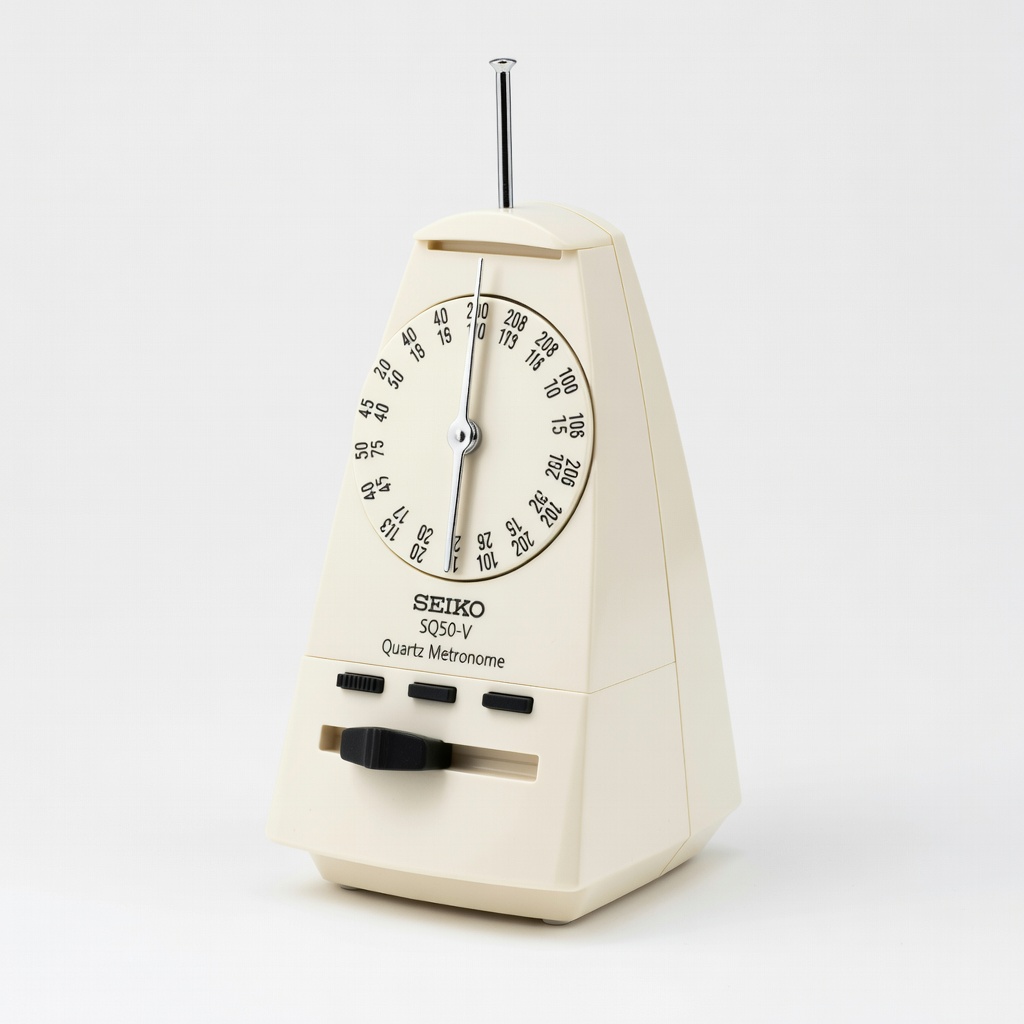
Scale practice to build timing and relaxation.
Seiko SQ50-V Quartz Metronome Helps maintain steady bellows rhythm without rushing posture.

Placing simple beginner tabs or scales.
Amazon Basics Collapsible Sheet Music Stand Keeps sheet music at eye level, preventing neck strain.
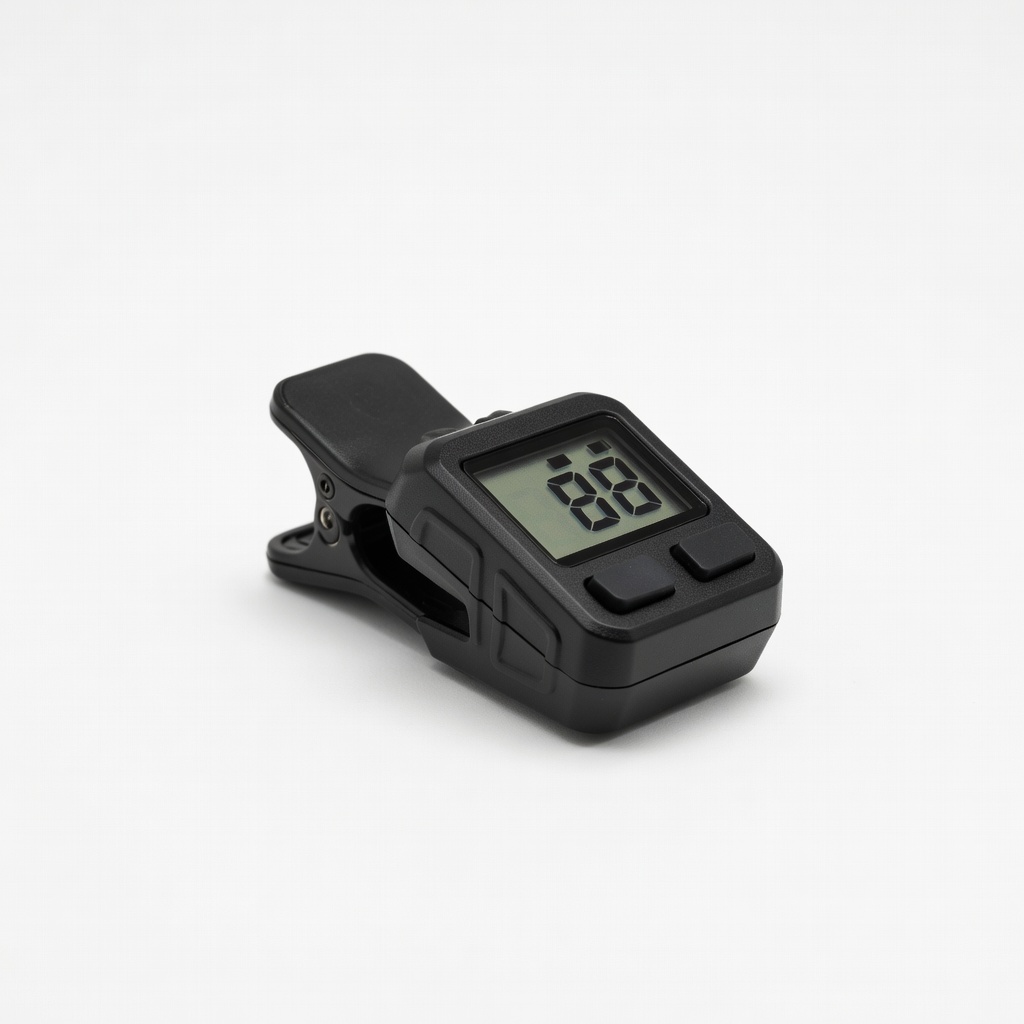
Quick tuning before sessions.
Snark ST-8HZ Clip-On Tuner Ensures your accordion stays in tune for clear posture-focused practice.
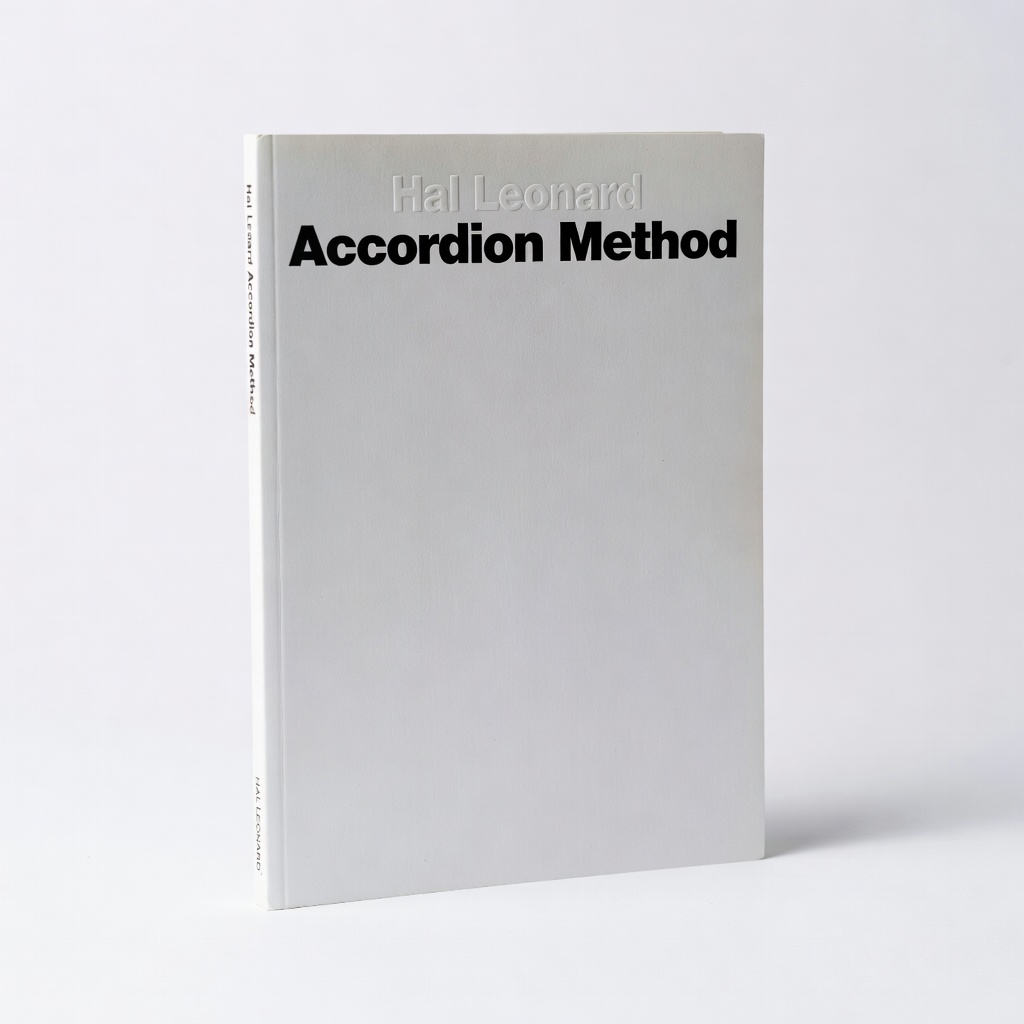
Supplement steps with illustrated exercises.
Hal Leonard Accordion Method Book Structured beginner lessons with posture diagrams.