
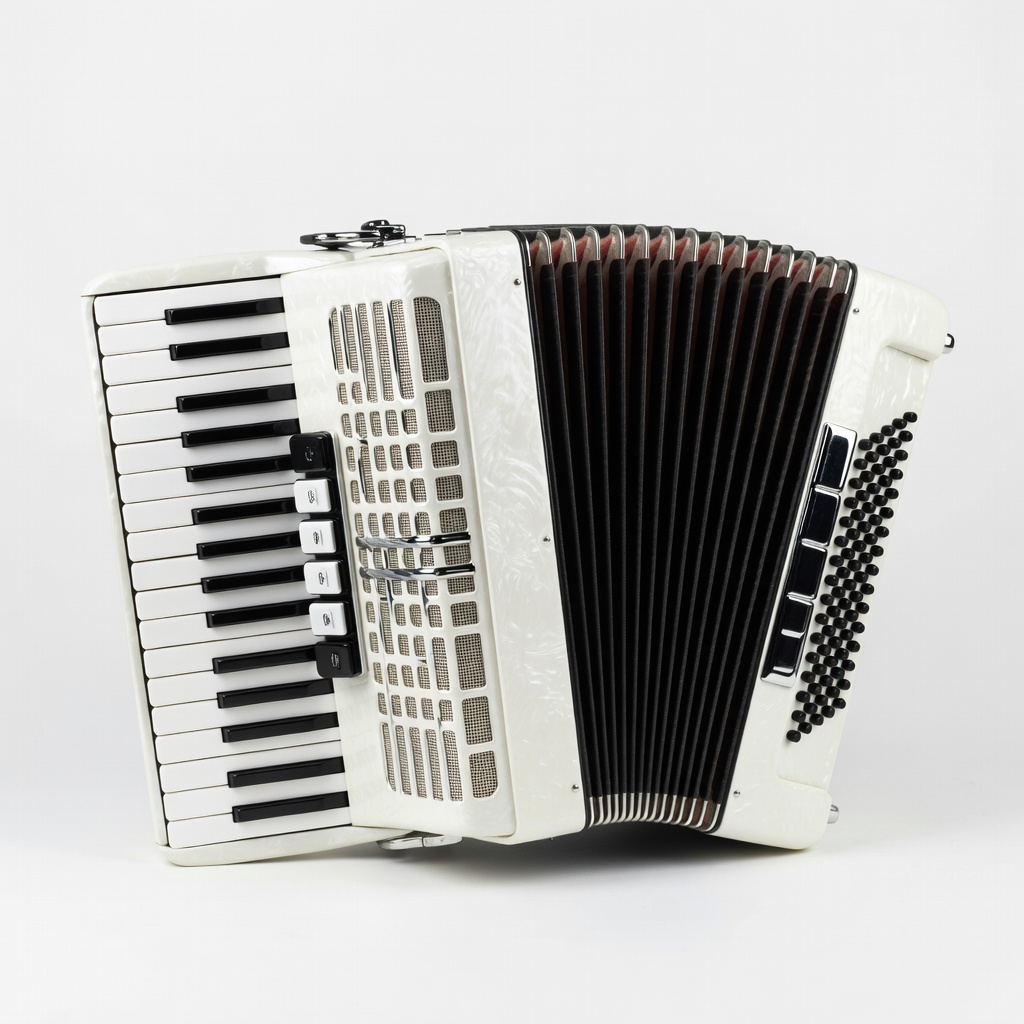
Roshan 26 Key Piano Accordion 120 Bass
Daily practice for first songs.
$99.99
Roshan 26 Key Piano Accordion 120 Bass Perfect lightweight beginner model with clear keys and responsive bellows.
Get the App
Better experience on mobile
Master simple tunes like 'Twinkle Twinkle' on accordion in under 2 hours with easy beginner steps—no prior music experience needed.
Ever dreamed of playing lively folk tunes or party songs on the accordion but thought it looked too complicated? You're not alone—many beginners shy away because of the bellows and buttons. But with the right basics, you'll be squeezing out melodies in no time.
In this guide, you'll learn to hold the accordion properly, play basic notes and chords, and tackle three simple songs: 'Hot Cross Buns,' 'Ode to Joy,' and 'Twinkle Twinkle Little Star.' We'll use a piano-style accordion, the most beginner-friendly type. Expect 1-2 hours total, spread over a few sessions, with mostly practice time.
By the end, you'll confidently play full songs with melody and accompaniment, ready to impress friends at gatherings.
Estimated Time: 1-2 hours (30 min setup + practice) Difficulty: beginner
Before playing, familiarize yourself with the accordion: right-hand keyboard (like piano keys), left-hand bass/chord buttons, bellows in the middle, and straps.
Why it matters: Knowing parts prevents confusion. Success: You can point to melody side (right), bass side (left), and bellows.
Label them mentally or with sticky notes. Piano accordions have white/black keys like piano—great for beginners.
💡 Tips:
⚠️ Warnings:
Sit or stand straight. Slip right arm into upper strap, left into lower. Keyboard faces right at chest height; bass panel left hip.
Pull straps snug but comfortable—bellows should open/close smoothly. Why: Bad posture causes strain. Success: Accordion feels secure, you can breathe easily.
Test by gently pulling/pushing bellows—no slipping.
💡 Tips:
Push bellows in (compress) for most notes; pull out for others (depends on bass system). Start with even pressure.
Practice: Hold accordion, pull out slowly while pressing a right-hand C key (white key, leftmost group). Hear steady note? Good. Why: Bellows create volume/airflow. Success: Clean, consistent tone without squeaks.
Do 1 minute pulls/pushes.
💡 Tips:
⚠️ Warnings:
Use a tuner to check middle C (C4). Play C-D-E scale slowly, right hand only, pulling bellows out.
Fingers curved, thumb on C. Why: Builds melody foundation. Success: Clear scale up/down without buzz.
Tune first if needed—accordions drift.
💡 Tips:
Left side: Outer row bass notes (C lowest), inner chords (C major = adjacent buttons).
Press C bass (pull bellows), then C chord (push). Why: Adds rhythm. Success: Boom-ching sound alternating.
💡 Tips:
⚠️ Warnings:
Right hand: B-A-G (hold G), B-A-G (hold G). Pull bellows out, quarter notes.
Slow tempo. Why: Simplest song, repeats. Success: Recognizable tune, even rhythm.
Practice 5x looping.
Right: Melody. Left: G bass on first beat each bar, push/pull alternate.
Full song now. Why: Sounds complete. Success: Accompanied version flows.
💡 Tips:
Ode to Joy: E-E-F-G-G-F-E-D-C-C-D-D-E.
Bass: E major chord pattern. Twinkle: C-C-G-G-A-A-G, F-F-E-E-D-D-C.
Practice each separately, then full. Why: Builds confidence. Success: Three songs under belt!
💡 Tips:
Problem: Stuck keys or silent notes
Solution: Dust inside with compressed air; if persists, reeds need pro cleaning.
Problem: Air leaks/squeaks
Solution: Tighten screws on bellows; avoid over-pulling.
Problem: Hard to reach bass buttons
Solution: Adjust straps lower; consider smaller beginner model.
Problem: Notes out of tune
Solution: Use tuner app; professional tuning yearly ($50-100).
Perfect lightweight beginner model with clear keys and responsive bellows.
Best for: Daily practice for first songs.
Price Range: $99.99
Clip-on accuracy for quick tuning without apps.
Best for: Before every session to ensure pitch-perfect notes.
Price Range: $14.99
Step-by-step book with tabs for 20+ basic songs.
Best for: Visual guides beyond this tutorial.
Price Range: $12.99
Adjustable, padded for comfort during long practice.
Best for: Standing play or if stock straps hurt.
Price Range: $49.95
Combo device keeps tempo steady for better rhythm.
Best for: Building even timing in songs.
Price Range: $39.99
Daily practice for first songs.
Roshan 26 Key Piano Accordion 120 Bass Perfect lightweight beginner model with clear keys and responsive bellows.
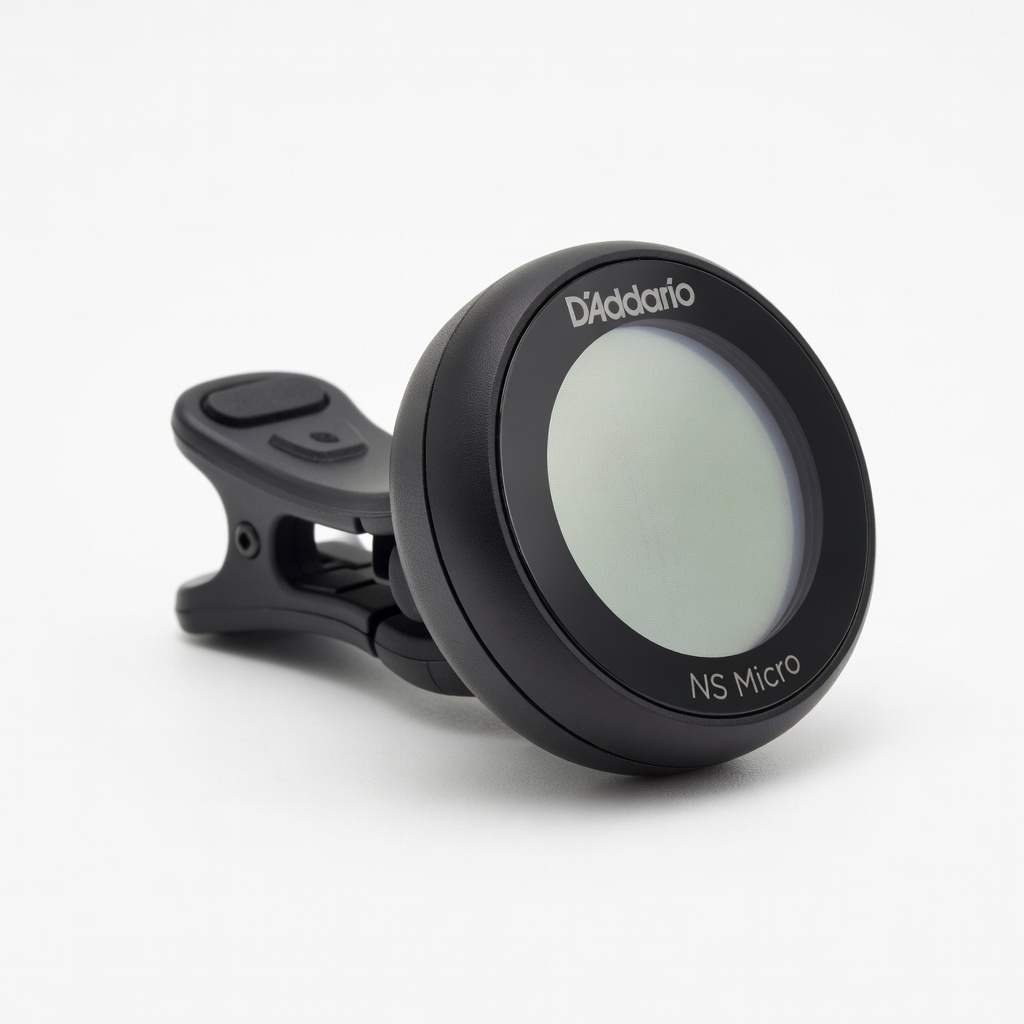
Before every session to ensure pitch-perfect notes.
D'Addario NS Micro Universal Tuner Clip-on accuracy for quick tuning without apps.
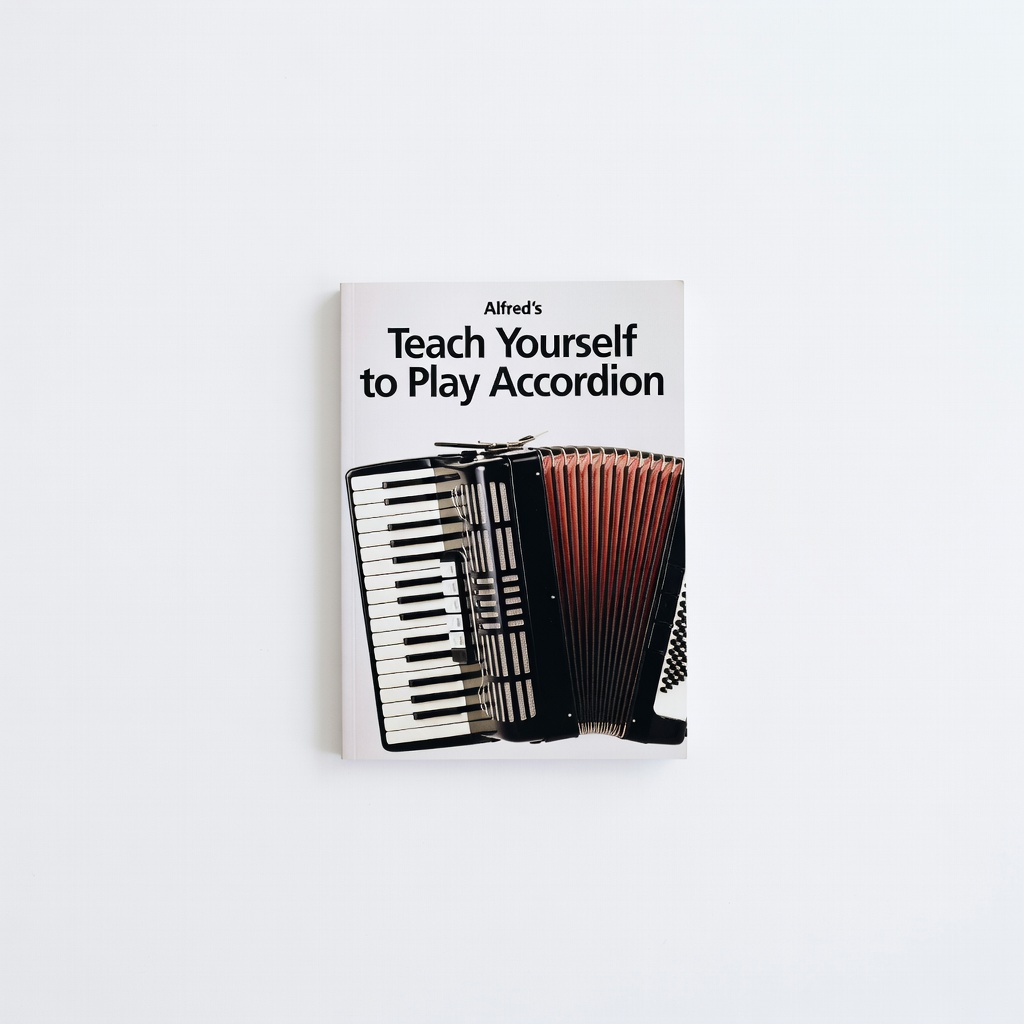
Visual guides beyond this tutorial.
Alfred's Teach Yourself to Play Accordion Step-by-step book with tabs for 20+ basic songs.
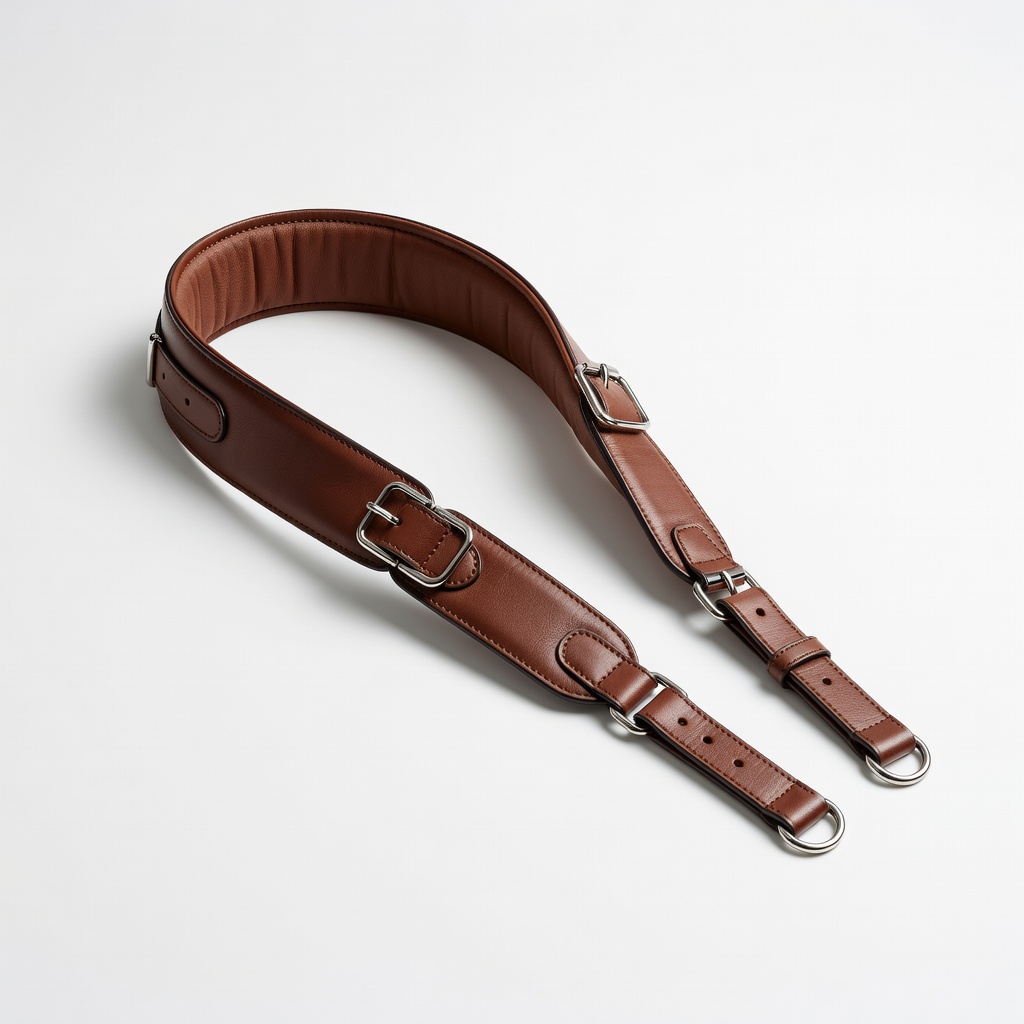
Standing play or if stock straps hurt.
Neotech Master Classic Accordion Strap Adjustable, padded for comfort during long practice.
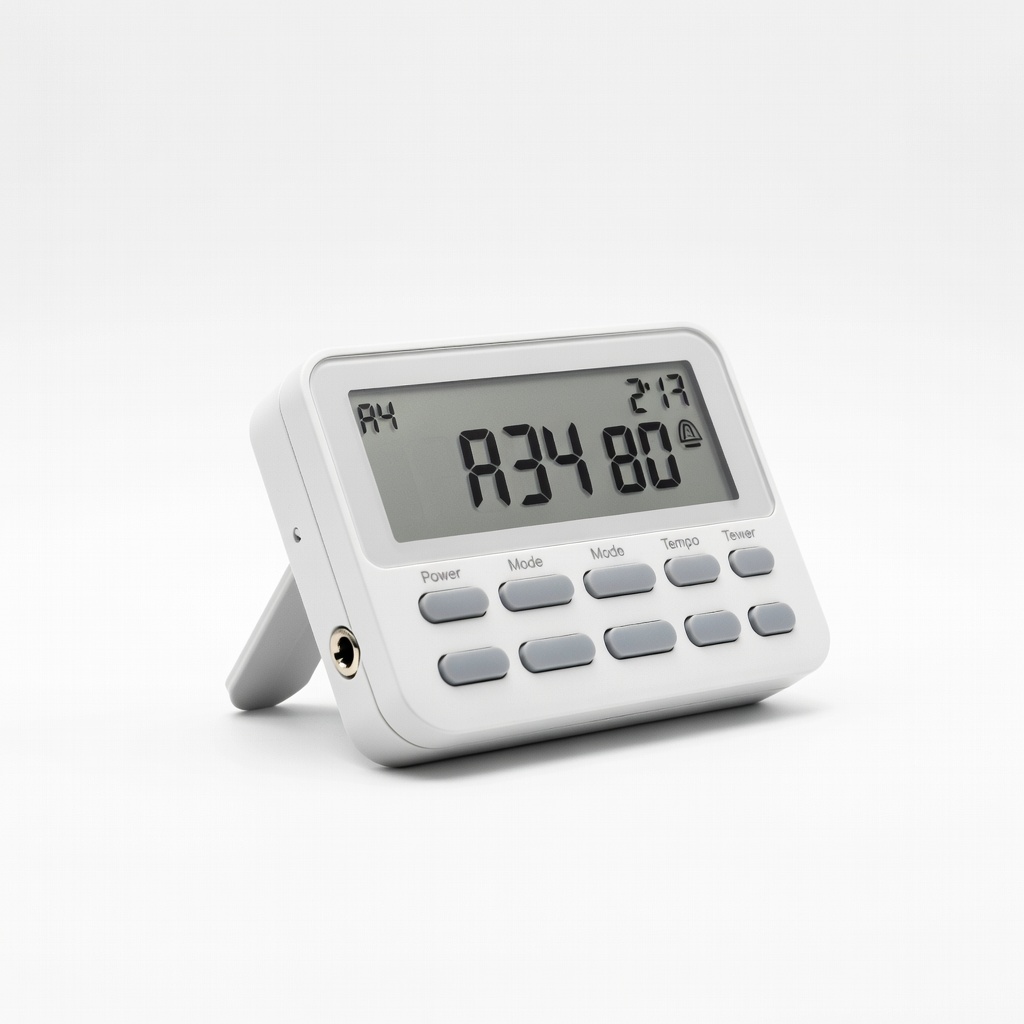
Building even timing in songs.
Korg TM-60 Tuner Metronome Combo device keeps tempo steady for better rhythm.