Toddlers crave hands-on play to explore their world, but parents often wonder how to maximize toys like activity cubes without frustration. These multi-sided wonders packed with beads, shapes, gears, and more spark curiosity and development, yet many beginners feel unsure where to start. This guide solves that by walking you through engaging play sessions tailored for 1-3 year olds.
You'll master introducing the cube, demonstrating features step-by-step, and encouraging independence while building fine motor skills, problem-solving, and language. No prior experience needed—perfect for busy parents. Each session takes 10-20 minutes, with repeatable fun that grows with your child.
Expect giggles, 'aha' moments, and stronger parent-child bonds as your toddler discovers textures, sounds, and movements safely.
▸What You'll Need
- •Age-appropriate activity cube toy (required; choose one with soft edges and non-toxic materials for 12+ months)
- •Clean, soft play mat or blanket (optional but recommended for comfort)
- •Enthusiastic parent or caregiver
- •Timer or music for session length (optional)
Estimated Time: 10-20 minutes per play session
Difficulty: beginner
▸Step-by-Step Instructions
Step 1: Choose the Right Activity Cube
Start by selecting an activity cube suited for toddlers aged 12-36 months. Look for cubes with 6+ sides featuring safe, engaging activities like bead mazes, shape sorters, spinning gears, abacus beads, mirrors, and peek-a-boo doors. Ensure it's made of durable wood, BPA-free plastic, or fabric with rounded edges to prevent injury.
Why it matters: The right cube matches your child's developmental stage, preventing overwhelm. For beginners, electronic-free wooden cubes build focus without distractions. Success looks like a colorful, multi-textured cube ready on the floor.
Place it in your play area and give it a quick wipe-down with a damp cloth.
💡 Tips:
- •Opt for cubes under 12 inches tall to avoid tipping.
- •Check reviews for quiet operation if noise-sensitive.
⚠️ Warnings:
- •Avoid small loose parts that could be choking hazards.
Step 2: Set Up a Safe Play Space
Clear a 4x4 foot area on the floor away from stairs, cords, or sharp furniture. Lay down a soft mat or blanket for cushioning. Sit cross-legged or kneel to be at your toddler's eye level.
This creates a distraction-free zone fostering security and focus. Expect your toddler to crawl or sit comfortably, ready for play. Why it matters: Safety first allows worry-free exploration.
Dim lights if needed and remove pets or siblings temporarily.
💡 Tips:
- •Use natural light near a window for better mood.
Step 3: Introduce the Cube with Excitement
Hold the cube at eye level and say, 'Look what we have! A magic toy box full of surprises!' Gently shake or tap it to make sounds, inviting curiosity without handing it over yet.
This builds anticipation and models enthusiasm. Success: Toddler reaches out or smiles. Why it matters: Positive intros reduce fear of new toys.
Narrate: 'What's this side? Ooh, shiny beads!'
💡 Tips:
- •Use your toddler's name and exaggerated expressions.
⚠️ Warnings:
- •Don't force interaction; let them approach.
Step 4: Demonstrate the Bead Maze
Point to the bead maze wires and slowly move 2-3 colorful beads along the path, saying 'Up, down, around!' Let the clicking sounds captivate them.
Why it matters: Develops hand-eye coordination and cause-effect understanding. Expect wide eyes and imitative grabs. Guide their hand gently if needed.
Play for 1-2 minutes before switching.
💡 Tips:
- •Make sound effects like 'Zoom!' for fun.
Step 5: Explore the Shape Sorter
Show shapes (circle, square, triangle) and match them into holes, exclaiming 'It fits!' Remove and repeat 3-4 times.
Builds problem-solving and spatial skills. Success: Toddler tries independently or babbles along. Rotate shapes slowly.
Why it matters: Teaches persistence without frustration.
💡 Tips:
- •Start with largest shapes for easy wins.
⚠️ Warnings:
- •Supervise closely to prevent throwing pieces.
Step 6: Spin Gears and Peek-a-Boo Doors
Turn colorful gears, noting the spinning motion and sounds. Open/close doors saying 'Peek-a-boo, I see you!'
Enhances fine motor and social-emotional growth via surprise. Expect laughter and repeats.
Keep it light—30 seconds per feature.
💡 Tips:
- •Combine with nursery rhymes for rhythm.
Step 7: Slide Abacus Beads and Mirror Peek
Slide abacus beads side-to-side, counting 'One, two!' Point to mirror for self-discovery smiles.
Promotes counting basics and self-awareness. Success: Mimicking slides or mirror fascination.
Why it matters: Multi-sensory input keeps engagement high.
💡 Tips:
- •Wave in mirror for interactive fun.
Step 8: Encourage Free Play and Rotate Sides
Place cube in lap and step back slightly, cheering efforts. Rotate to new sides every 2 minutes.
Fosters independence. Expect banging, exploring— all good!
Narrate actions to build vocabulary.
💡 Tips:
- •Follow their lead; join if interest wanes.
Step 9: End on a High Note and Praise
After 10-15 minutes, hug and say 'Great playing! You found the shapes!' Store visibly for next time.
Reinforces positive associations. Why it matters: Short sessions prevent overstimulation.
⚠️ Warnings:
- •Watch for tired cues like rubbing eyes.
▸Pro Tips
- •Vary your voice tones and faces to mimic emotions on the cube.
- •Play daily for 10 minutes to build familiarity and skills faster.
- •Incorporate songs like 'Wheels on the Bus' during gear spins.
- •Use the cube during transitions like post-nap to ease routines.
- •Photograph 'first tries' for milestone tracking.
- •Pair with stacking blocks for extended play.
- •Clean weekly with baby-safe wipes to maintain appeal.
▸Common Mistakes to Avoid
- •Overloading with all features at once—start with 2-3 to avoid overwhelm; introduce gradually.
- •Not narrating actions—talking boosts language; silence misses teachable moments.
- •Sessions too long—toddlers tire in 20+ mins; keep short for repeat fun.
- •Ignoring safety—check for splinters/loose parts weekly.
- •No praise—positive reinforcement encourages persistence.
▸Troubleshooting
Problem: Toddler gets frustrated and throws the cube
Solution: Model calm use, redirect to softer side, take a 1-min break with cuddles.
Problem: Ignores the cube after intro
Solution: Hide/show peek-a-boo style or add a favorite toy nearby to spark interest.
Problem: Cube tips over easily
Solution: Place on grippy mat or choose weighted base model; supervise always.
Problem: Boredom after weeks
Solution: Rotate with other toys or theme days (e.g., 'shape day'); upgrade to advanced cube.
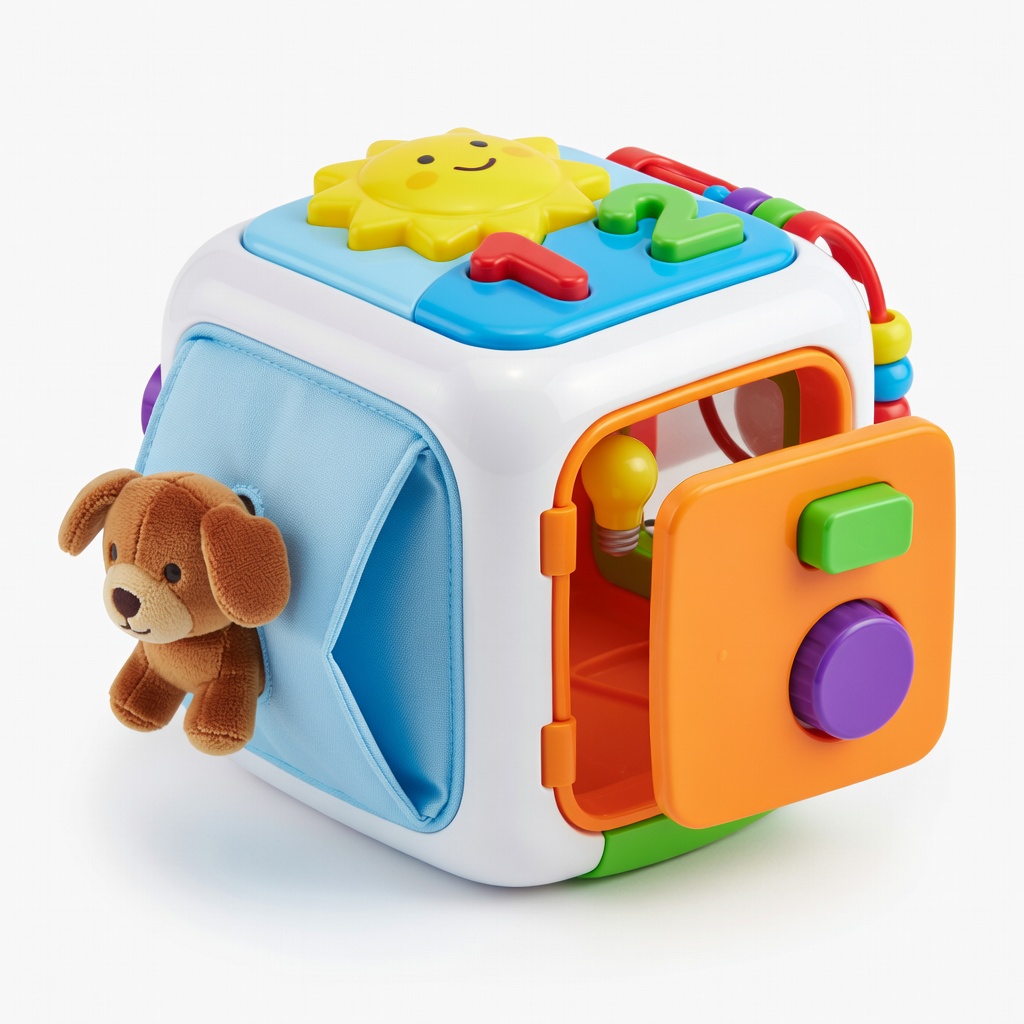
Fisher-Price Laugh & Learn Smart Stages Activity Cube (ASIN: B07N1M3Z3S)
Interactive lights, sounds, and phrases adapt to age stages, keeping play engaging without overwhelming beginners.
Best for: Ideal for 6-36 months during guided sessions to teach ABCs alongside motor skills.
Price Range: $20-$25
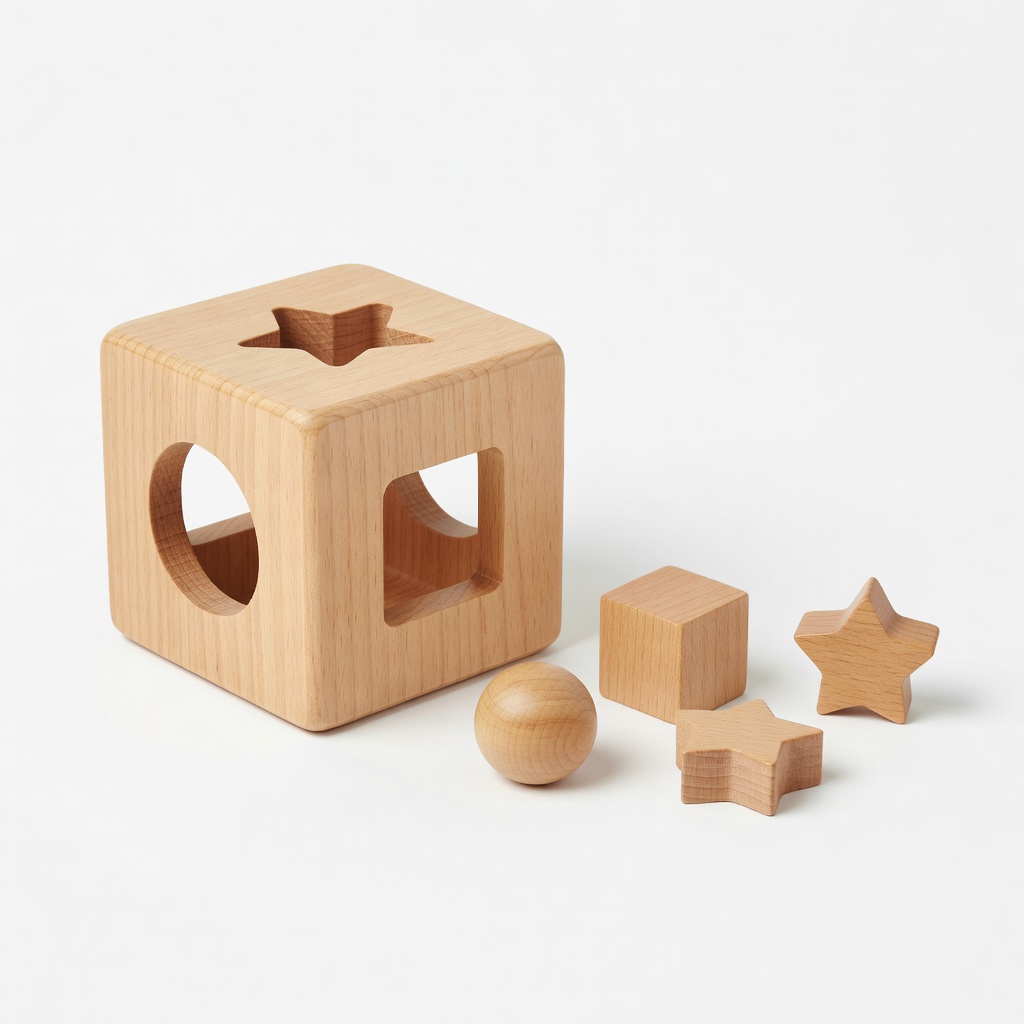
Melissa & Doug Wooden Shape-Sorter Cube (ASIN: B00068K4D2)
Durable, natural wood with 6 sides of classic activities; promotes quiet, focused play.
Best for: Perfect for Montessori-style, screen-free sessions emphasizing shapes and sorting.
Price Range: $12-$15
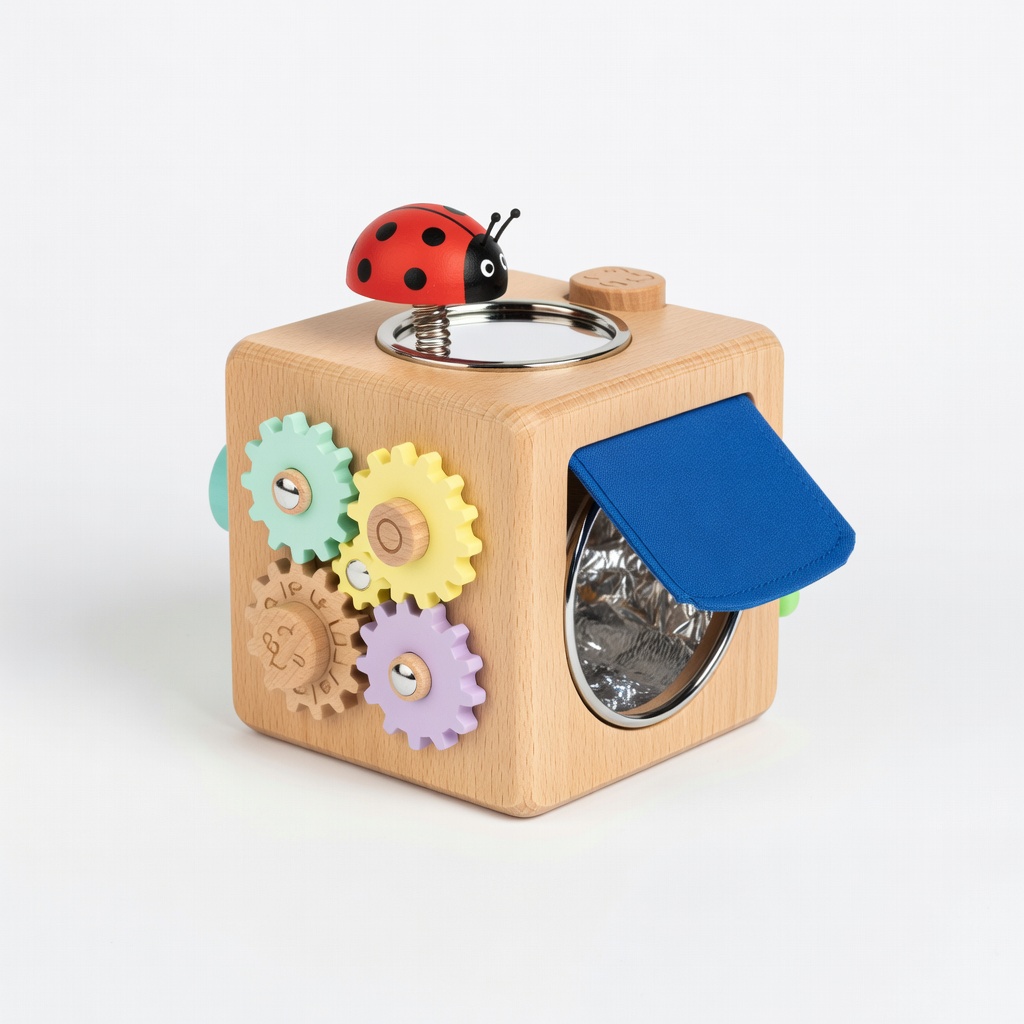
HABA Little Activity Cube (ASIN: B004TNSL1U)
Premium German craftsmanship with high-quality, safe materials and varied textures for sensory development.
Best for: Best for daily use with toddlers needing durable, heirloom-quality toy.
Price Range: $40-$50
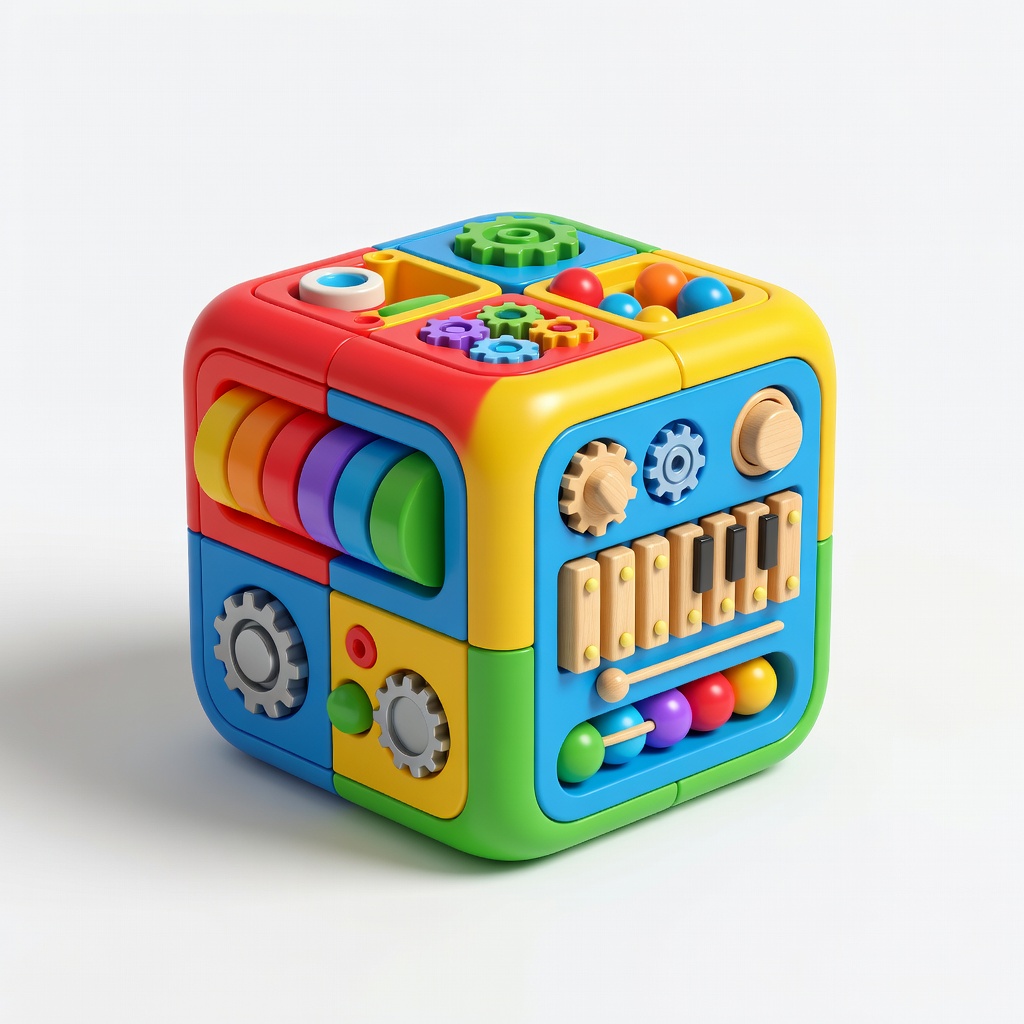
TOP BRIGHT Musical Activity Cube Toys (ASIN: B08L3Z5Z5Z)
Affordable with music buttons and lights for auditory stimulation, easy to clean.
Best for: Great entry-level for noisy, fun play to hold short attention spans.
Price Range: $18-$22