
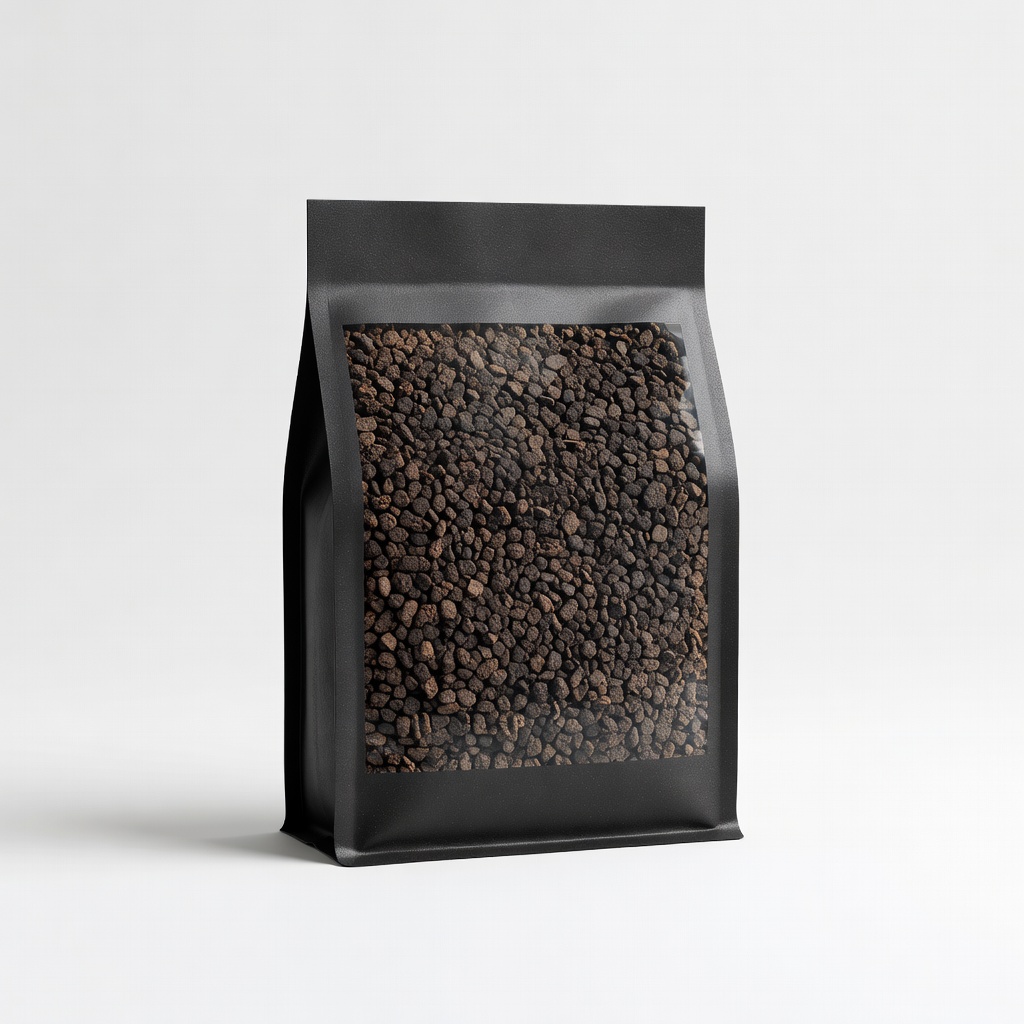
Fluval Plant and Shrimp Stratum
Base substrate layer for low-maintenance planted tanks.
$35-$50
Fluval Plant and Shrimp Stratum Nutrient-rich volcanic soil perfect for rooted plants, promotes fast growth without constant ferts.
Get the App
Better experience on mobile
Master step-by-step planting and maintenance for a lush, thriving planted tank with healthy plants and fish in under 6 hours setup.
Creating a planted aquarium transforms a simple fish tank into a vibrant underwater forest, but many intermediate hobbyists struggle with melting plants, algae outbreaks, or nutrient deficiencies. This guide solves those issues by teaching proven techniques for success.
You'll learn how to select substrate, plant densely for stability, and maintain balance with lighting, CO2, and fertilizers. Expect lush growth within 4-6 weeks. Setup takes 4-6 hours; weekly maintenance is 20-30 minutes. Perfect for intermediate aquarists with basic tank experience.
We'll cover planning, layering substrate (key for rooted plants), planting methods, and ongoing care to avoid common pitfalls like poor root development.
Estimated Time: 4-6 hours for setup + 20-30 minutes weekly maintenance Difficulty: intermediate
Sketch a layout focusing on the rule of thirds: place taller plants in back, midground fillers, and foreground carpets. Choose 8-12 plant species for diversity—slow growers like Anubias for hardscape, fast growers like Hornwort for quick cover.
Why it matters: Proper planning prevents overcrowding and ensures light penetrates. Expect a balanced ecosystem mimicking nature.
Tip: Use online simulators like AquaScaping.World for visualization.
💡 Tips:
⚠️ Warnings:
Rinse gravel cap if using; aquasoil like stratum doesn't need rinsing but slopes it 2-3 inches deep at back, 1 inch front for depth illusion. Add 1/2-1 inch gravel/sand cap to prevent clouding.
Substrate is crucial for roots—nutrient-rich base releases ammonia slowly, fueling plants during establishment. Success: Firm, sloped bed ready for planting.
Pro method: Use root tabs under heavy root feeders like swords.
💡 Tips:
⚠️ Warnings:
Place filter intake/outflow, heater, and hardscape (rocks/wood) before substrate. Position light above; program 8-10 hours/day ramp-up/down.
Why: Prevents replumbing later. Expect stable params post-cycle.
💡 Tips:
Start with heavy rooters: make thumb-sized holes with chopstick, insert roots, firm soil. Use tweezers for fine plants; twist stems in gently. Plant densely (1-2 inches apart).
Expect initial melt (10-20% normal); new growth in 1-2 weeks. Why: Dense planting outcompetes algae.
Order: Background → mid → foreground.
💡 Tips:
⚠️ Warnings:
Add water slowly via plate/upside-down cup to avoid disturbing substrate. Dose dechlorinator; run filter 24/7. Cycle 2-4 weeks: test for 0 ammonia/nitrite, <20 nitrate.
Success: Crystal clear water, plants perky. Add fish only post-cycle.
💡 Tips:
Week 1: 30% water changes 3x/week. Dose liquid fert 1/2 dose. Trim dying leaves. Ongoing: 20-30% weekly changes, fert per schedule, clean glass.
Monitor growth: Pearl on leaves = happy plants. Adjust light/CO2 if algae appears.
💡 Tips:
⚠️ Warnings:
Problem: Plants melting post-setup
Solution: Normal adaptation; reduce light to 6 hours, increase water changes to 50% daily until stable.
Problem: Algae outbreak
Solution: Blackout tank 3 days, add algae eaters like Amano shrimp, cut ferts/light.
Problem: Cloudy water
Solution: Aquasoil rinse-off; add filter floss, wait 1-2 days.
Problem: Stunted growth
Solution: Test nutrients; add root tabs, check CO2 (20-30ppm).
Nutrient-rich volcanic soil perfect for rooted plants, promotes fast growth without constant ferts.
Best for: Base substrate layer for low-maintenance planted tanks.
Price Range: $35-$50
All-in-one liquid fertilizer with micros/macros tailored for planted aquariums.
Best for: Weekly dosing post-setup for vibrant colors and growth.
Price Range: $10-$15
11-inch stainless steel for precise planting without hand fatigue.
Best for: Essential for foreground and stem plants in deep tanks.
Price Range: $12-$15
Full spectrum, adjustable PAR (30-100) for intermediate planted setups.
Best for: Daily lighting schedule to fuel photosynthesis without algae.
Price Range: $25-$40
Slow-release root fertilizer for heavy feeders like swords/echinodorus.
Best for: Push into substrate under plants every 3-4 months.
Price Range: $8-$12
Base substrate layer for low-maintenance planted tanks.
Fluval Plant and Shrimp Stratum Nutrient-rich volcanic soil perfect for rooted plants, promotes fast growth without constant ferts.
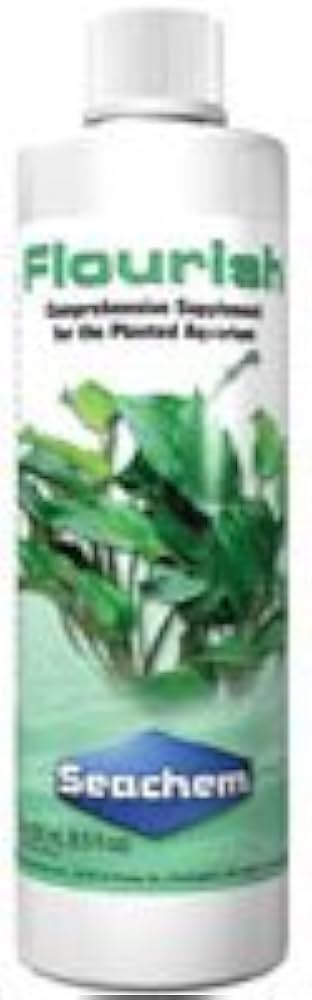
Weekly dosing post-setup for vibrant colors and growth.
Seachem Flourish Comprehensive All-in-one liquid fertilizer with micros/macros tailored for planted aquariums.
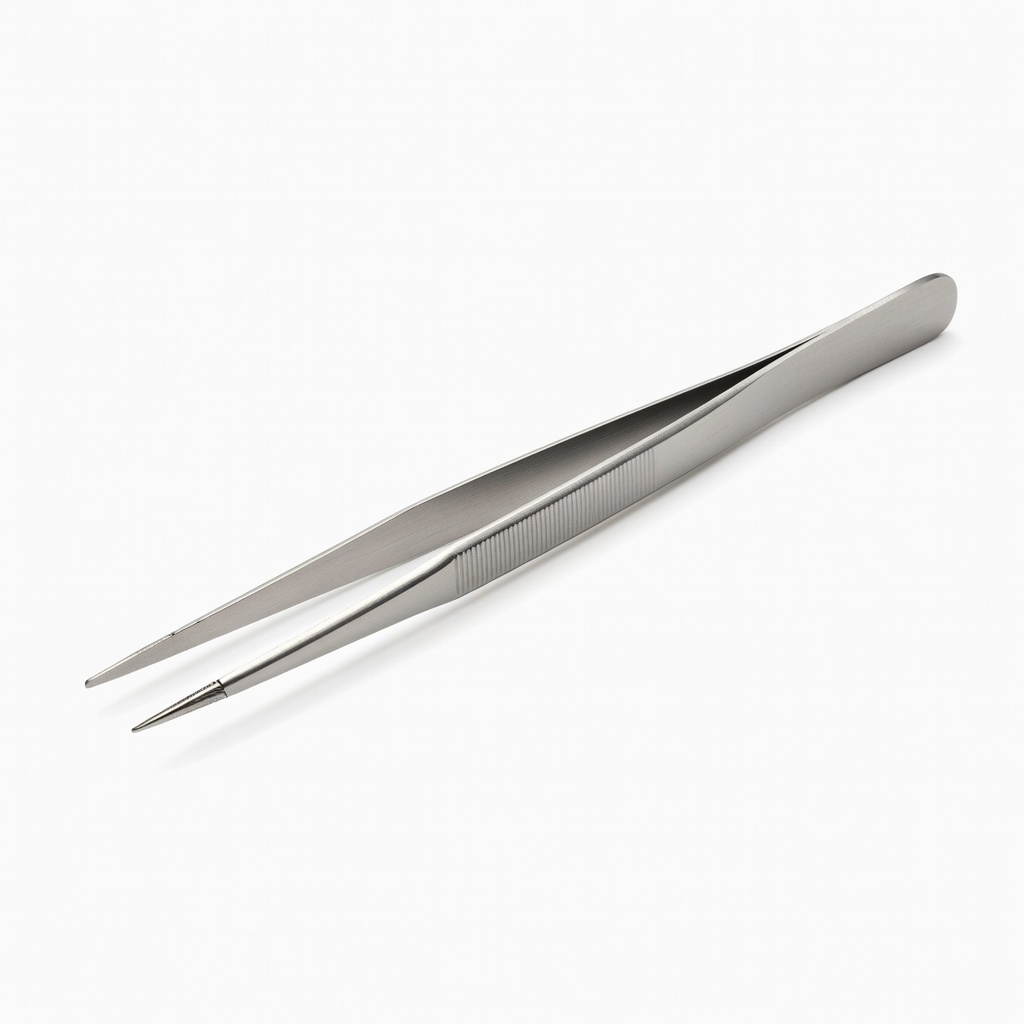
Essential for foreground and stem plants in deep tanks.
Aquarium Co-Op Long Tweezers 11-inch stainless steel for precise planting without hand fatigue.
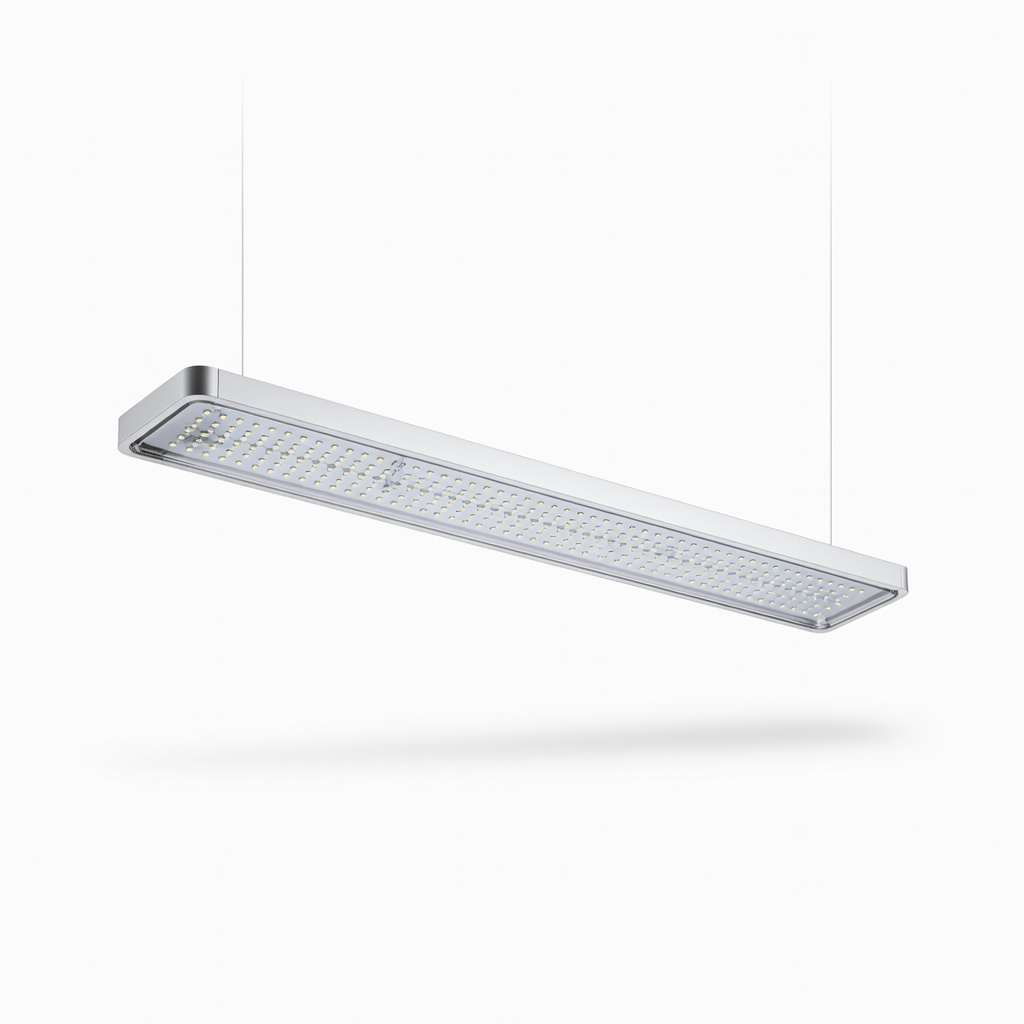
Daily lighting schedule to fuel photosynthesis without algae.
hygger Aquarium LED Light Full spectrum, adjustable PAR (30-100) for intermediate planted setups.
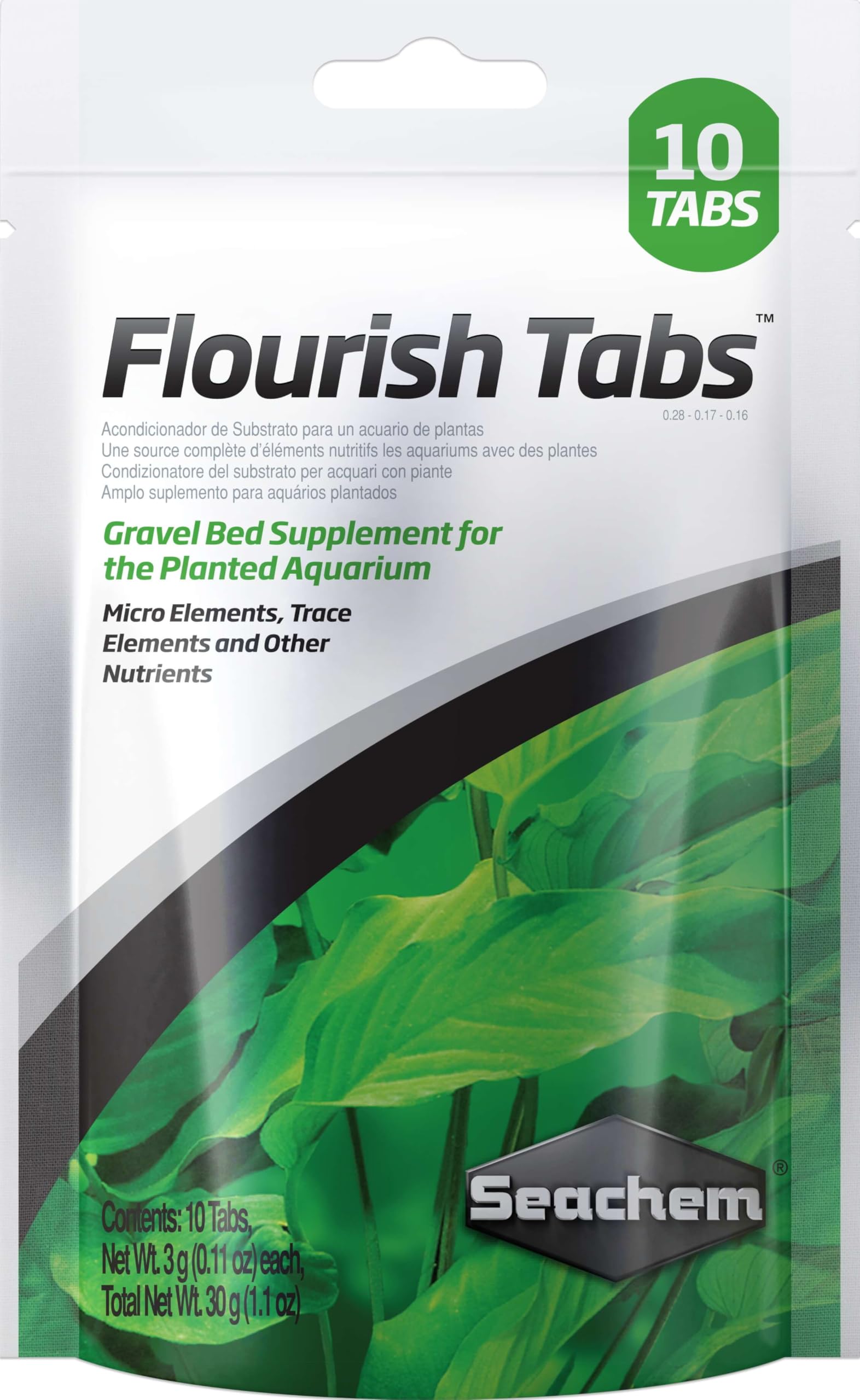
Push into substrate under plants every 3-4 months.
Seachem Flourish Tabs Slow-release root fertilizer for heavy feeders like swords/echinodorus.