
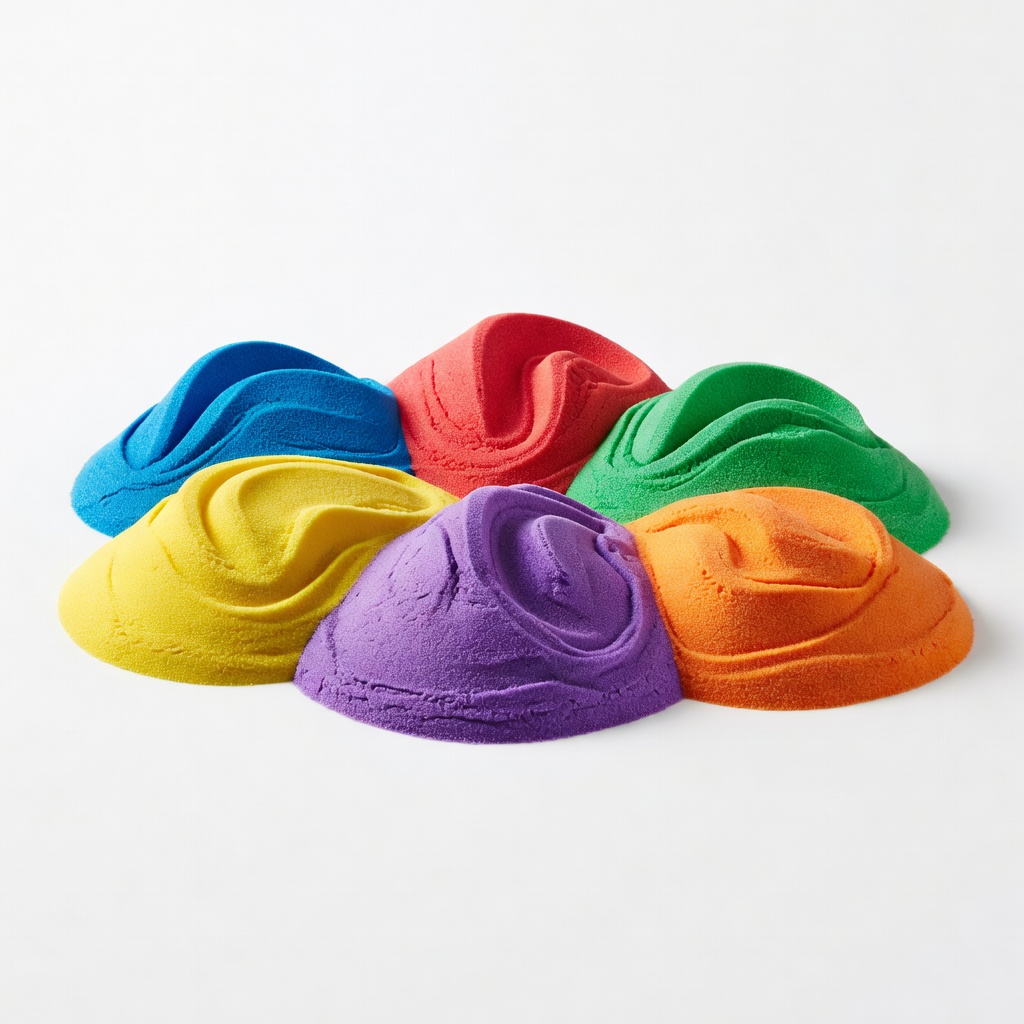
Spin Master Kinetic Sand (3 lb, 6 Colors)
Core filler for texture hunts or building play in any sensory plan.
$15.99
Spin Master Kinetic Sand (3 lb, 6 Colors) Mess-free molding sand perfect for tactile bins; non-toxic, reusable for endless themes.
Get the App
Better experience on mobile
Learn simple steps to create fun, developmental sensory play plans that engage your toddler's senses and boost learning at home.
Toddlers thrive on sensory experiences that stimulate touch, sight, sound, smell, and taste, helping them build motor skills, language, and cognitive development. But as a busy parent, planning these activities can feel overwhelming—where do you start? This guide solves that by walking you through an easy planning process tailored for beginners.
You'll learn how to assess your child's needs, pick safe themes, gather materials, and schedule activities for maximum engagement. Expect engaging playtime that keeps your little one happy and learning. The whole planning process takes just 30-45 minutes, with activities ready in under an hour.
No prior experience needed—this beginner-friendly method uses everyday items and ensures safety first, turning your home into an activity center paradise.
Estimated Time: 30-45 minutes for planning; 15-30 minutes per activity setup Difficulty: beginner
Start by observing your toddler for 5-10 minutes during playtime. Note their age (typically 1-3 years), favorite textures (soft, crunchy), sounds, or colors. This ensures activities match their developmental stage—e.g., 12-18 months focus on touch, while 2-3 years add pouring and sorting.
Why it matters: Personalized plans prevent frustration and overstimulation. Success looks like a list of 3-5 preferences, like 'loves water play, dislikes loud noises.'
Image description: A parent watching a toddler play with blocks, notepad in hand.
💡 Tips:
⚠️ Warnings:
Brainstorm themes based on your assessment, like 'Ocean Discovery' (water, beads), 'Farm Sensory' (rice, toy animals), or 'Texture Treasure Hunt' (fabrics, pom-poms). Aim for variety: one per sense if possible.
Why it matters: Themes make planning fun and educational, tying into seasons or holidays. Expect a shortlist that excites you—success is themes your toddler will love for a week.
Pro tip: Rotate weekly to build anticipation.
💡 Tips:
List materials for each theme: dry rice (hearing/crunch), water beads (visual/touch), soft scarves (smell/texture). Check for choking hazards—nothing smaller than a toilet paper roll.
Why it matters: Safety first prevents accidents. Gather 5-10 items per activity. Success: A checklist with sources (home, store) and safety notes.
Image description: Array of safe sensory materials like colored rice, water beads, and bins.
⚠️ Warnings:
For each theme, outline setup: Fill a bin, add tools (scoops, tongs), set in a contained area. Sequence: Explore freely (10 min), guided play (add instructions), cleanup.
Why it matters: Structure maximizes engagement without mess overload. Expect a one-page plan per activity—visualize calm, focused play.
Use this template: Theme | Materials | Steps | Duration.
💡 Tips:
Assign days/times: Monday ocean (morning), Wednesday farm (afternoon). Slot 20-30 min sessions, 3-4x/week. Include rest days.
Why it matters: Consistency builds habits. Success: A calendar view with no overload—toddlers tire quickly.
💡 Tips:
Designate play area (mat/floor), have towels/vacuum ready. Teach simple rules: 'Hands only, no eating.' Plan end-of-day storage.
Why it matters: Reduces stress, ensures repeat fun. Expect smooth sessions with minimal mess.
⚠️ Warnings:
Run a trial activity. Note engagement, adjust (e.g., shorten if bored). Update plan weekly.
Why it matters: Plans evolve. Success: Happy toddler and refined notes for next time.
💡 Tips:
Problem: Toddler loses interest quickly
Solution: Shorten to 10 min, add novelty like ice cubes; rotate themes faster.
Problem: Big messes everywhere
Solution: Use contained trays/under-bed bins; supervise closely during pour/play.
Problem: Allergic reactions or sensitivities
Solution: Test skin patch for new materials; have alternatives like dry play ready.
Problem: Not enough engagement
Solution: Narrate actions ('Squishy sand!'); join in to model fun.
Mess-free molding sand perfect for tactile bins; non-toxic, reusable for endless themes.
Best for: Core filler for texture hunts or building play in any sensory plan.
Price Range: $15.99
Grows 100x for visual/touch fascination; easy drain and reuse.
Best for: Ocean or color sorting themes; supervise for under 3s.
Price Range: $19.99
Varied textures for safe, huggable exploration; machine-washable.
Best for: Texture treasure hunts or farm themes without mess.
Price Range: $24.99
Durable water/sand table for contained play; drains easily.
Best for: Permanent setup for daily sensory stations.
Price Range: $89.99
Squishy, light-up balls for multi-sensory rolling/tossing.
Best for: Intro to movement-based sensory for active toddlers.
Price Range: $24.99
Core filler for texture hunts or building play in any sensory plan.
Spin Master Kinetic Sand (3 lb, 6 Colors) Mess-free molding sand perfect for tactile bins; non-toxic, reusable for endless themes.
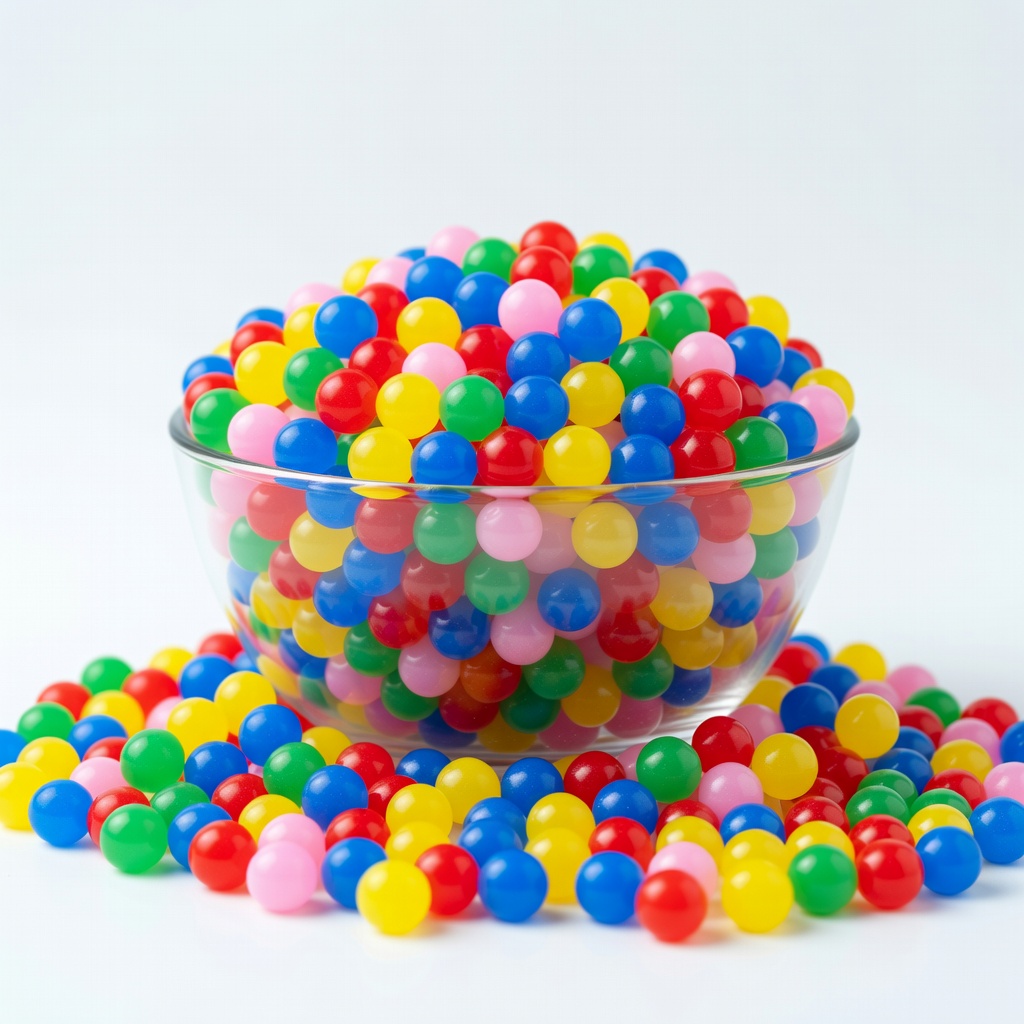
Ocean or color sorting themes; supervise for under 3s.
Orbeez Magic Expanding Water Beads (50,000 beads) Grows 100x for visual/touch fascination; easy drain and reuse.
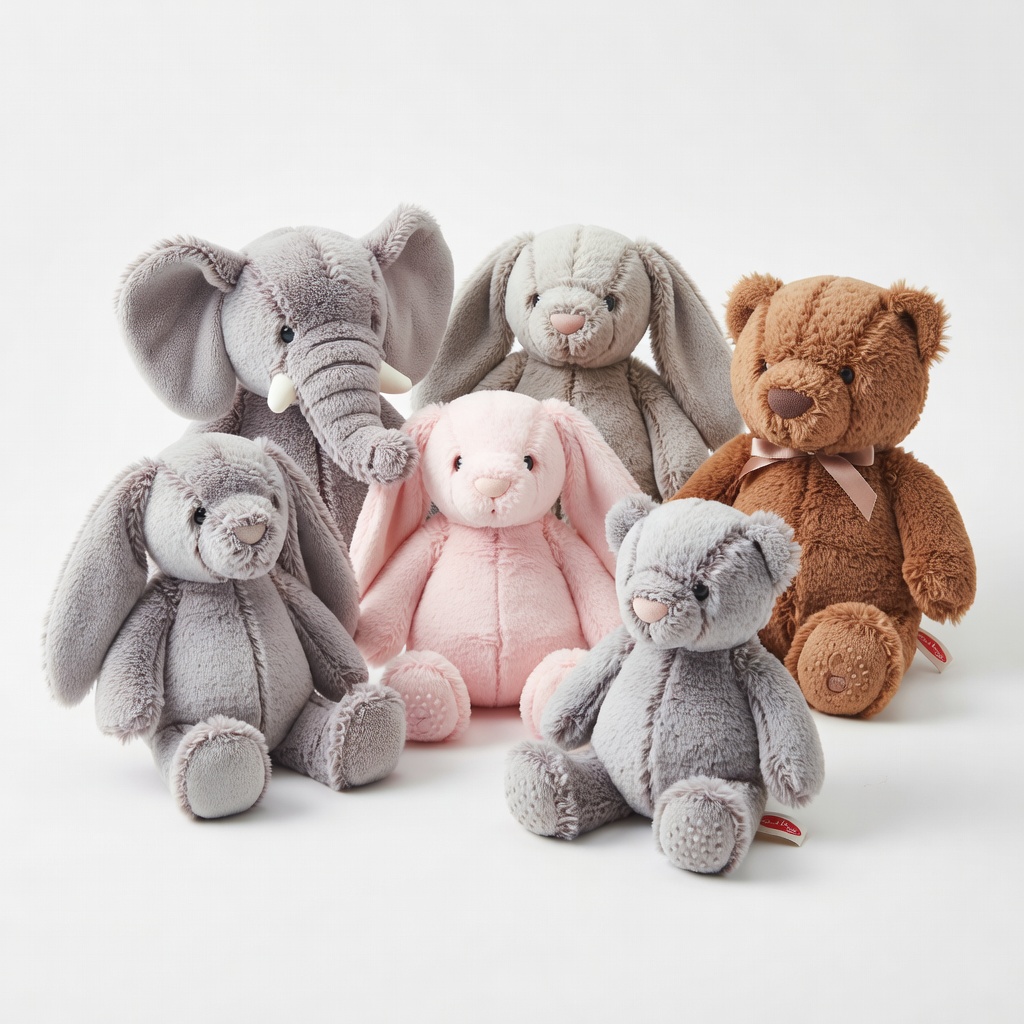
Texture treasure hunts or farm themes without mess.
Melissa & Doug Sensory Soft Stuff Animals Varied textures for safe, huggable exploration; machine-washable.
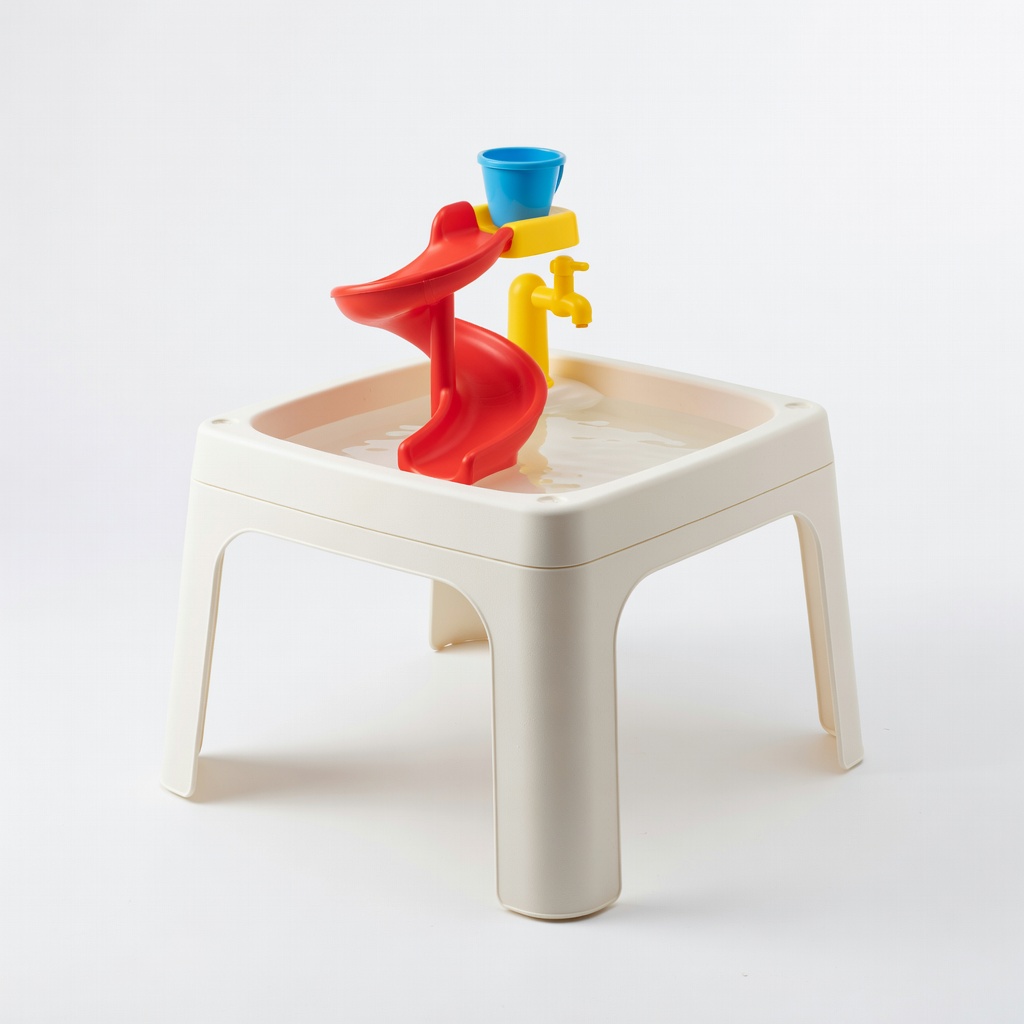
Permanent setup for daily sensory stations.
Step2 Spill & Splash Junior Activity Table Durable water/sand table for contained play; drains easily.
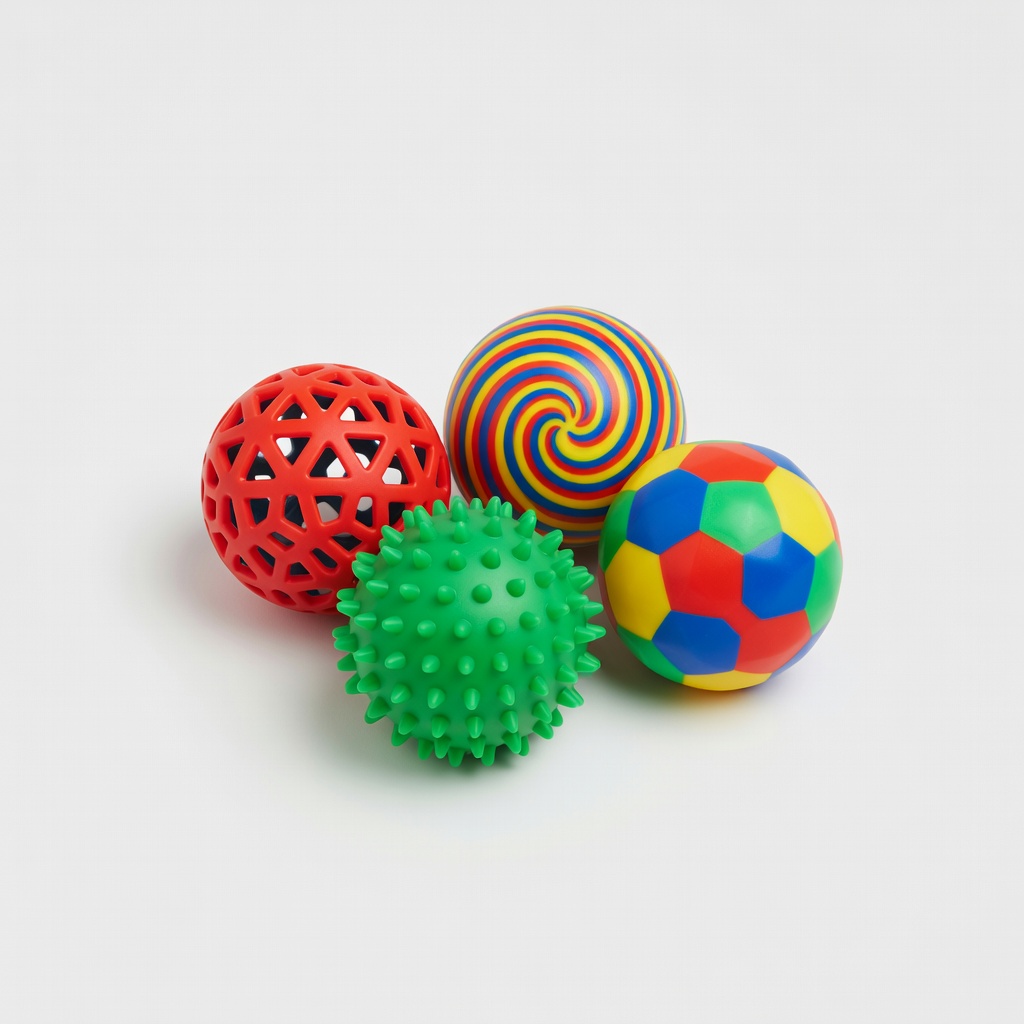
Intro to movement-based sensory for active toddlers.
Edushape See-Me Sensory Ball Set (4 balls) Squishy, light-up balls for multi-sensory rolling/tossing.