
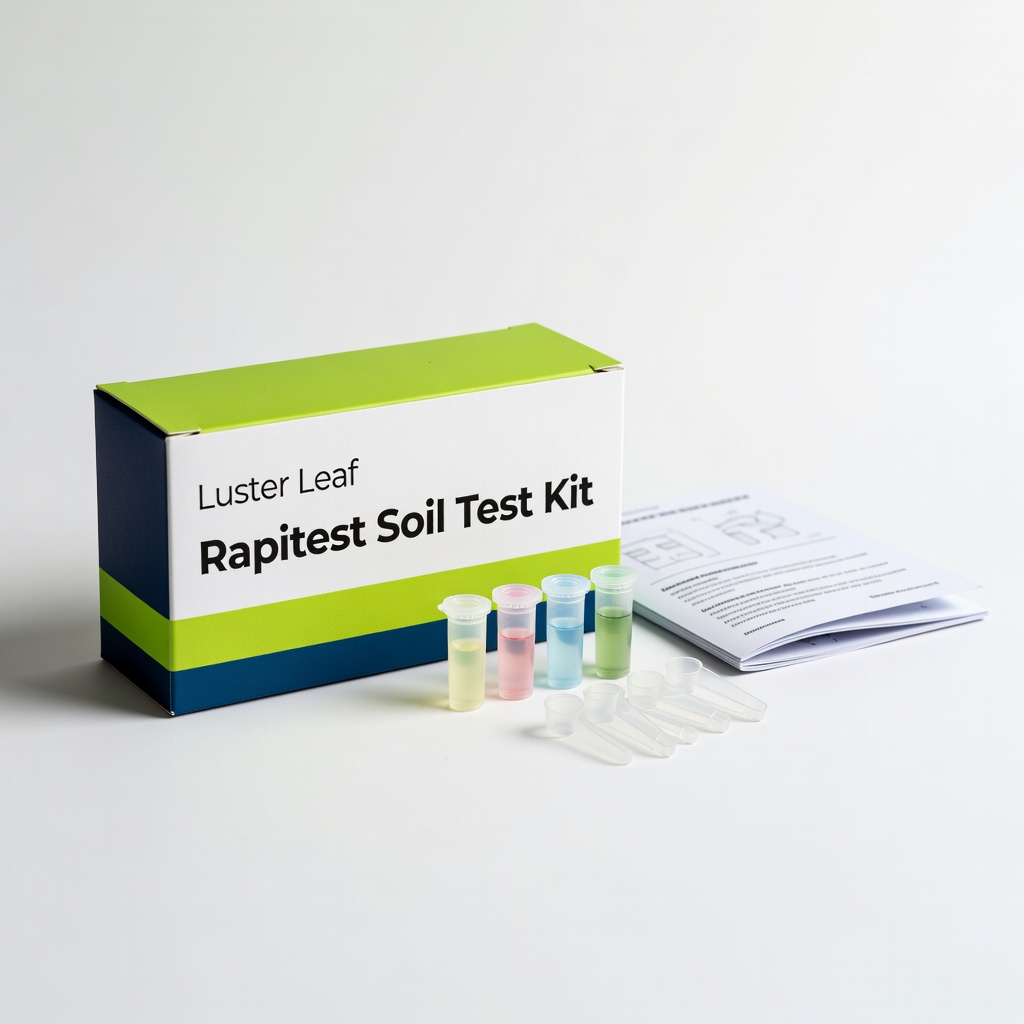
Luster Leaf Rapitest Soil Test Kit
Before planning, check each section's nutrients.
$17.99
Luster Leaf Rapitest Soil Test Kit Tests N-P-K and pH to inform rotation and amendments for optimal soil health.
Get the App
Better experience on mobile
Boost yields, fight pests, and enrich soil with a simple 4-year rotation plan for beginner home vegetable gardeners.
Struggling with disappointing harvests, recurring pests, or depleted soil in your vegetable garden? Crop rotation is the game-changing practice that prevents these issues by avoiding planting the same crops in the same spot year after year. It naturally replenishes nutrients, disrupts pest and disease cycles, and leads to healthier plants and bigger yields.
In this beginner-friendly guide, you'll learn how to assess your garden, group crops by family, and create a customizable 4-year rotation plan. No advanced knowledge required—just paper, a pencil, and about 30-45 minutes. By the end, you'll have a visual map ready to implement next planting season.
Expect straightforward steps with real-world tips to make planning easy and effective, even for small backyards or raised beds.
Estimated Time: 30-45 minutes Difficulty: beginner
Start by learning the four main crop families for rotation: Legumes (beans, peas—fix nitrogen), Brassicas (broccoli, cabbage, kale—susceptible to clubroot), Nightshades (tomatoes, peppers, potatoes—prone to blight), and Roots/Other (carrots, onions, lettuce, squash).
Why it matters: Plants in the same family deplete similar nutrients and share pests/diseases. Rotating them restores balance. Expect to spend 5 minutes memorizing or noting 5-10 common veggies per group.
Print or sketch a simple chart. Success looks like confidently categorizing your crops.
💡 Tips:
⚠️ Warnings:
Measure and sketch your garden beds, rows, or containers. Note size (e.g., 4x8 ft bed) and divide into 3-4 equal sections for rotation.
Why: Rotation works best in dedicated beds/sections. For small spaces, use pots or group by area. Success: A rough drawing with labeled sections (A, B, C, D).
Tip: Use graph paper for scale.
💡 Tips:
Write down 8-12 vegetables you plan to grow, including quantities (e.g., 4 tomato plants, 10 carrot seeds). Note what grew where last year or two.
Why: Builds your rotation baseline. Expect overlaps—focus on family groups, not individuals. Success: A bulleted list ready for grouping.
⚠️ Warnings:
Assign each crop from Step 3 to a family. Example: Section 1: Legumes (peas, beans); Section 2: Brassicas (kale, broccoli).
Why: Prepares for sequencing. Use your chart. Success: Four lists, one per family, totaling your crops.
💡 Tips:
Plan the order: Year 1: Legumes → Year 2: Brassicas → Year 3: Nightshades → Year 4: Roots → Repeat. Never repeat a family in the same spot.
Why: Legumes enrich for heavy feeders like Nightshades. Draw a table: Rows = Years, Columns = Sections.
Success: Filled rotation table showing what goes where each year.
Overlay the rotation table onto your garden sketch. Label sections with Year 1 families.
Why: Visualizes planting. Adjust for sun/shade. Success: A marked-up map ready for spring.
💡 Tips:
Transfer to a journal. Plant per Year 1 map. Test soil yearly.
Why: Tracking ensures consistency. Success: Journal entry with plan; thriving rotated garden next season.
⚠️ Warnings:
Problem: Pests/diseases still appear
Solution: Extend to 5-year rotation or improve sanitation; test soil pH.
Problem: Poor yields in one section
Solution: Add compost/fertilizer; check rotation adherence.
Problem: Confused on crop families
Solution: Reference printable charts from extension services like USDA.
Problem: Small space won't divide
Solution: Use containers or interplant non-competitive families.
Tests N-P-K and pH to inform rotation and amendments for optimal soil health.
Best for: Before planning, check each section's nutrients.
Price Range: $17.99
Dedicated pages for crop lists, rotations, and tracking simplify planning.
Best for: Record your rotation map and yearly notes.
Price Range: $12.99
Quick digital pH reads help balance soil for different families.
Best for: Monitor pH yearly as rotations change.
Price Range: $12.99
Includes rotation templates and family charts for visual learners.
Best for: Reference for planning intensive small gardens.
Price Range: $15.99
Before planning, check each section's nutrients.
Luster Leaf Rapitest Soil Test Kit Tests N-P-K and pH to inform rotation and amendments for optimal soil health.
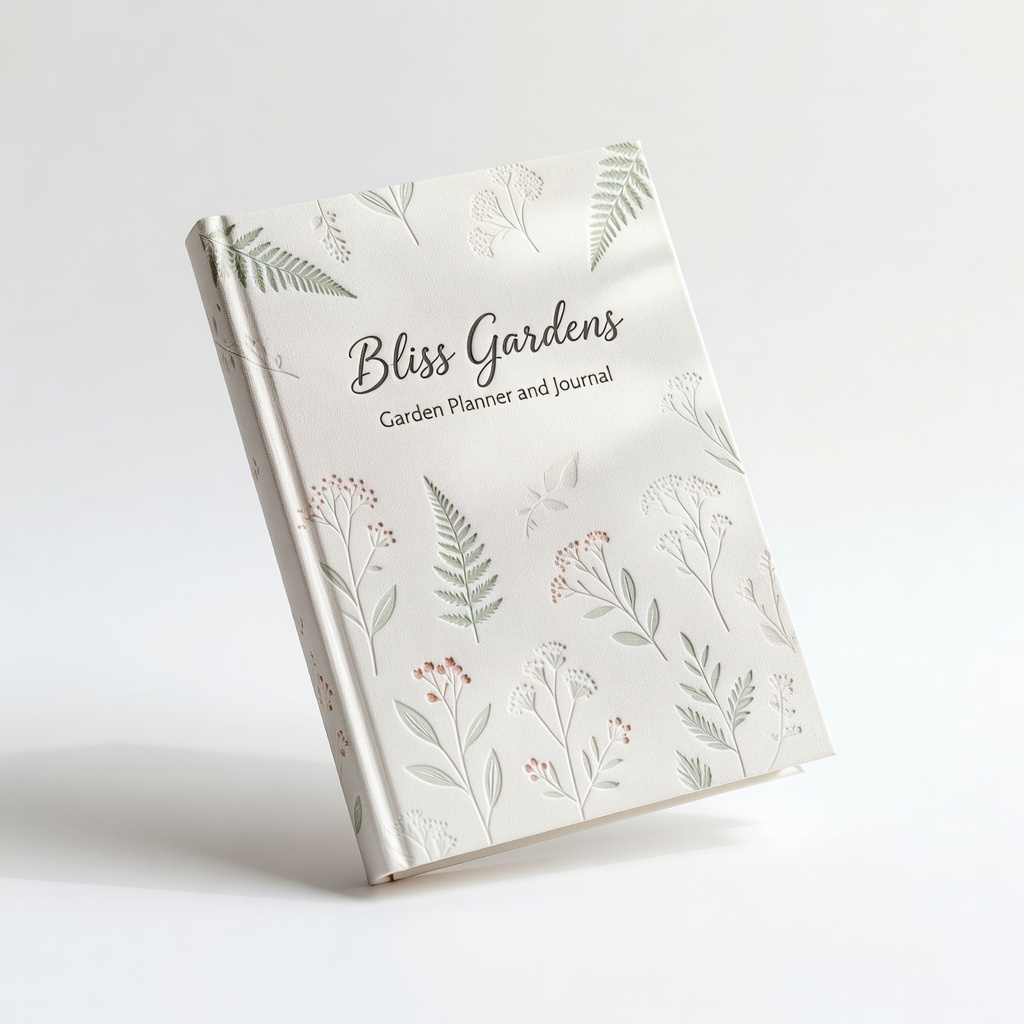
Record your rotation map and yearly notes.
Bliss Gardens Garden Planner and Journal Dedicated pages for crop lists, rotations, and tracking simplify planning.
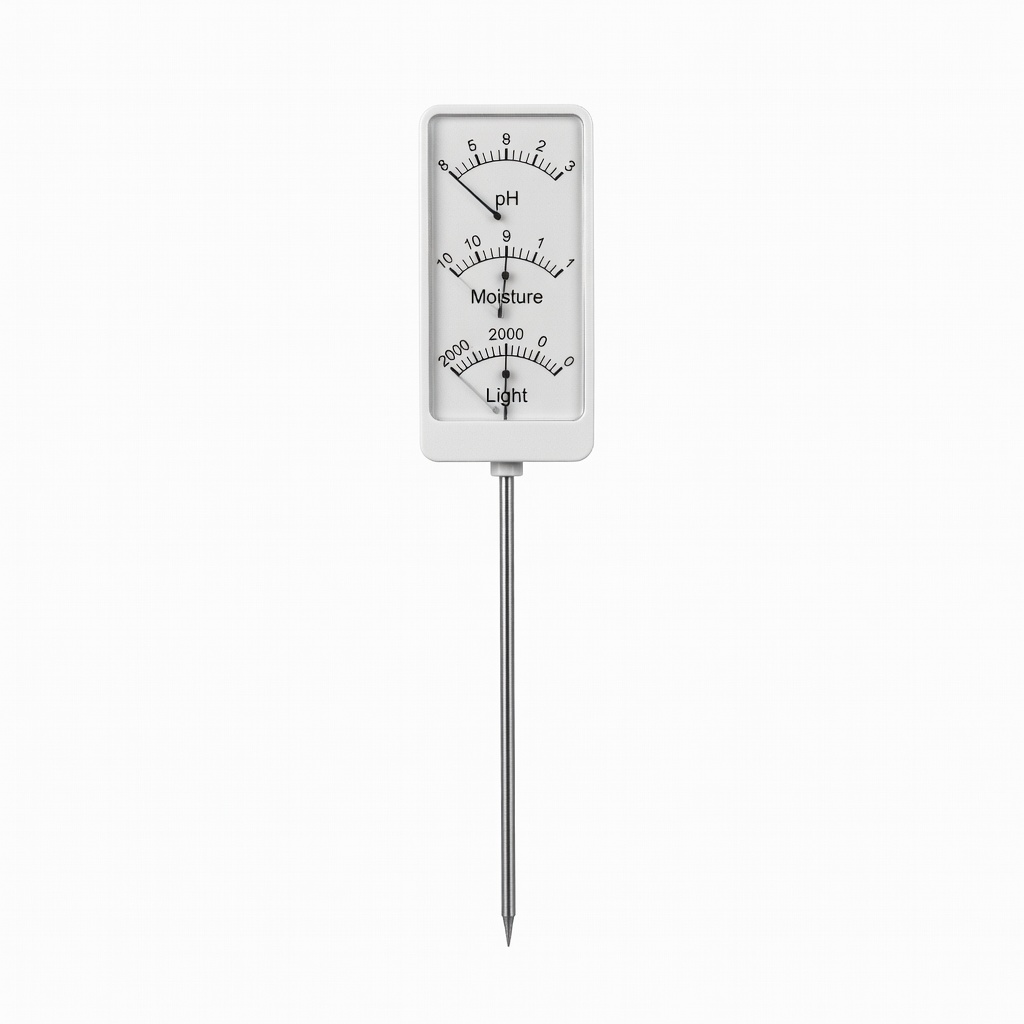
Monitor pH yearly as rotations change.
Sonkir Soil pH Meter, MS02 Quick digital pH reads help balance soil for different families.
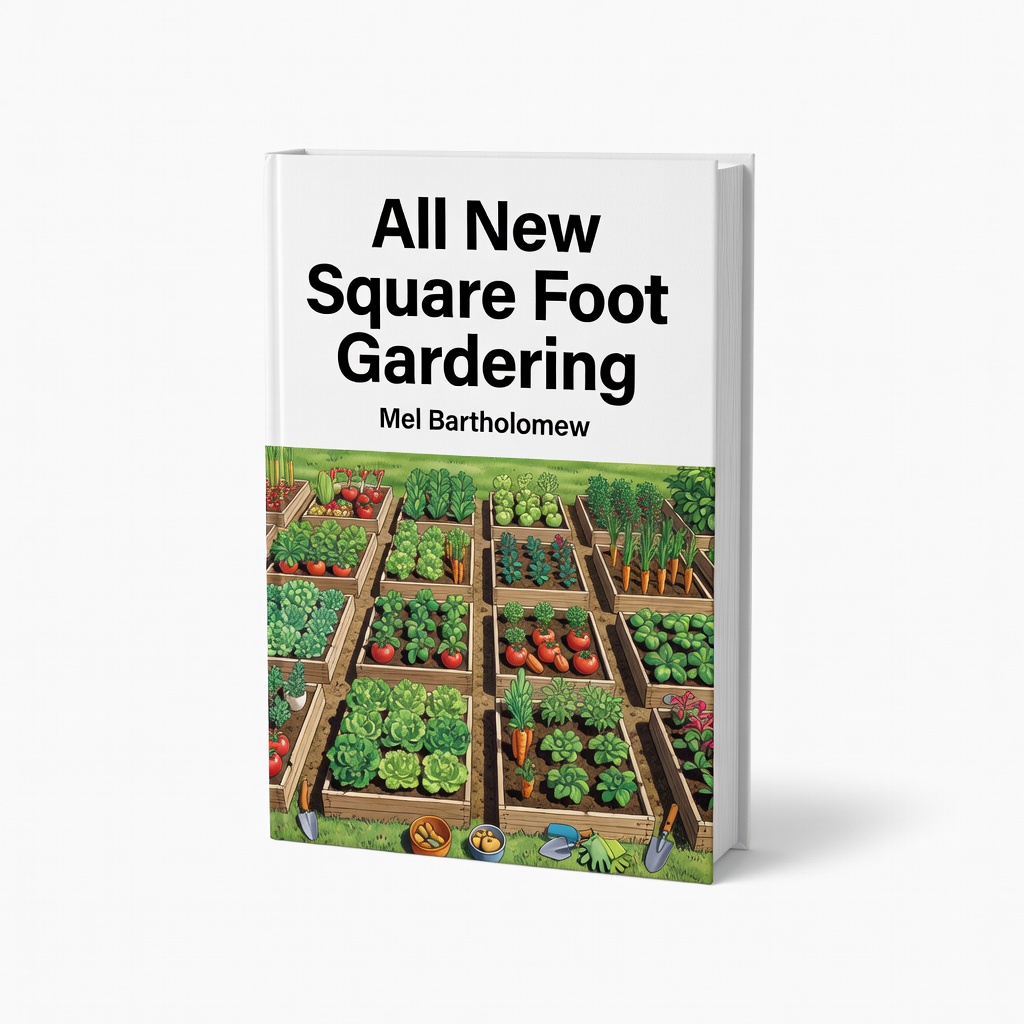
Reference for planning intensive small gardens.
All New Square Foot Gardening Book Includes rotation templates and family charts for visual learners.