Planning an African safari can be the thrill of a lifetime, offering encounters with majestic wildlife like lions, elephants, and zebras against breathtaking landscapes. However, for beginners, the vast array of options—from East African savannas to Southern African reserves—can feel overwhelming, leading to costly mistakes or missed opportunities. This guide demystifies the process, helping you avoid common pitfalls while building excitement for your journey.
In this comprehensive how-to, you'll learn everything from researching top destinations to securing visas and packing essentials. Whether you're dreaming of a classic Serengeti migration viewing or a luxurious lodge stay in Kruger National Park, we'll cover the essentials in clear, sequential steps. By the end, you'll have a personalized itinerary ready to book.
Expect to spend 1-2 months on planning if traveling in 2025, with about 10-20 hours of active effort. This beginner-friendly guide assumes no prior travel experience, focusing on practical advice to make your safari seamless and magical.
▸What You'll Need
- •Reliable internet access (required for research and bookings)
- •Valid passport (required, valid for at least 6 months beyond your trip)
- •Travel insurance policy (required for safety; optional comprehensive coverage)
- •Budget spreadsheet or app like Excel or TripIt (optional but recommended)
- •Guidebook such as Lonely Planet's 'East Africa' (optional for in-depth reading)
- •Binoculars (optional, but essential for wildlife spotting)
Estimated Time: 1-2 months of planning, with 10-20 hours total effort spread over several weeks
Difficulty: beginner
▸Step-by-Step Instructions
Step 1: Research Top Safari Destinations
Start by identifying which African countries and parks align with your interests, such as wildlife viewing, birdwatching, or luxury experiences. Popular beginner-friendly spots include Kenya's Maasai Mara for the Great Migration, Tanzania's Serengeti for big cats, or South Africa's Kruger National Park for self-drive options. Use websites like SafariBookings.com or official tourism boards to compare.
Why this matters: Africa is diverse, and the wrong destination can lead to disappointment—e.g., wet seasons mean fewer animal sightings. Expect to spend 2-4 hours browsing reviews and maps. Success looks like a shortlist of 3-5 parks based on your priorities like accessibility and season.
Narrow it down by considering travel ease; for 2025, factor in any post-pandemic updates on park capacities via the African Wildlife Foundation site.
💡 Tips:
- •Focus on dry seasons (June-October for East Africa) for optimal viewing.
- •Read recent traveler reviews on TripAdvisor for real insights.
⚠️ Warnings:
- •Avoid peak holiday times like Christmas to dodge crowds and higher prices.
Step 2: Set Your Budget and Trip Duration
Determine your total budget, including flights, accommodations, safaris, and extras like tips (aim for $5,000-$15,000 per person for a 10-day trip). Break it down: international flights (~$1,500), park fees ($100/day), and meals ($50/day). Decide on length—7-14 days is ideal for beginners to avoid fatigue.
This step is crucial because safaris vary wildly in cost; luxury lodges can double expenses. Use a simple spreadsheet to track. Success: A realistic budget outline that fits your finances, with wiggle room for surprises.
For 2025, account for inflation—check current exchange rates and fuel surcharges on sites like Kayak.
💡 Tips:
- •Allocate 20% extra for unexpected costs like park entry hikes.
- •Consider group tours to split costs if solo.
⚠️ Warnings:
- •Underbudgeting for internal flights can derail plans—book early.
Step 3: Choose Your Safari Type and Operator
Decide between guided tours (easiest for beginners), self-drive, or mobile camping. For novices, opt for reputable operators like Abercrombie & Kent for all-inclusive packages. Compare via platforms like Go2Africa, reading reviews for reliability.
Why it matters: A good operator ensures safety and ethics, like anti-poaching commitments. Expect quotes within a week. Success: 2-3 vetted options with itineraries matching your dates and budget.
In 2025, prioritize operators with sustainable practices, verified by the African Travel & Tourism Association.
💡 Tips:
- •Look for small-group tours (under 10 people) for intimate experiences.
- •Verify inclusions like meals and transfers.
⚠️ Warnings:
- •Steer clear of unverified budget operators to avoid scams.
Step 4: Book Flights and Accommodations
Secure international flights first via Google Flights, aiming for connections through hubs like Johannesburg or Nairobi. Then book lodges or camps—mix budget tents with a splurge night. Use Booking.com for flexibility or direct with lodges for deals.
This locks in your framework; delays here mean limited availability. Success: Confirmed bookings with e-tickets and reservations, ideally 6-9 months out for 2025 peak season.
Monitor for deals, but book by mid-2024 to avoid sell-outs.
💡 Tips:
- •Fly mid-week for cheaper fares.
- •Choose lodges with malaria nets and en-suite facilities.
⚠️ Warnings:
- •Don't book non-refundable without insurance.
Step 5: Handle Visas, Vaccinations, and Insurance
Check visa requirements—e.g., e-visas for Kenya/Tanzania via official sites. Schedule vaccinations: yellow fever (required for many parks), hepatitis, and typhoid; consult a travel clinic 4-6 weeks ahead. Get comprehensive insurance covering evacuations from providers like World Nomads.
Essential for entry and health; skipping can bar you at borders. Success: All documents in hand, with proof of jabs and policy details.
For 2025, confirm any COVID rules, though most are lifted.
💡 Tips:
- •Use the IATA Travel Centre for visa info.
- •Pack vaccination card digitally too.
⚠️ Warnings:
- •Malaria prophylaxis starts 1-2 weeks before—don't forget.
Step 6: Plan Internal Transportation and Itinerary
Arrange ground transport: chartered flights between parks or shuttles. Build a day-by-day itinerary, allocating time for game drives (early morning/evening best). Include rest days to combat jet lag.
This ensures smooth flow; poor logistics waste time. Success: A detailed schedule with transport confirmations.
Use apps like Rome2Rio for routes.
💡 Tips:
- •Book light aircraft for remote parks to save time.
- •Factor in siesta times for heat.
⚠️ Warnings:
- •Roads can be rough—opt for 4x4 if self-driving.
Step 7: Pack Essentials and Prepare Mentally
Pack neutrals: khaki clothes, hat, sunscreen, insect repellent. Include binoculars, camera, and adapters. Review safari etiquette like no flashing photos of locals.
Prepares you physically and culturally. Success: Packed suitcase tested for weight limits.
For 2025, check airline baggage rules.
💡 Tips:
- •Layer for variable weather.
- •Practice camera settings for low light.
⚠️ Warnings:
- •Avoid bright colors to not scare animals.
Step 8: Final Checks and Depart
Double-check bookings, inform family of itinerary, and download offline maps. Have emergency contacts ready.
Ensures peace of mind. Success: Ready to go with all loose ends tied.
Enjoy the adventure!
💡 Tips:
- •Join online safari forums for last-minute tips.
- •Backup important docs on cloud.
⚠️ Warnings:
- •Leave valuables at home.
▸Pro Tips
- •Book during shoulder seasons (April-May or November) for fewer crowds and better deals.
- •Hire a local guide for insider knowledge on animal behaviors.
- •Stay hydrated—carry a reusable water bottle with purifier.
- •Use a travel journal app to capture daily sightings.
- •Combine safari with cultural visits, like Maasai villages, for richer experience.
- •Monitor wildlife migration patterns via annual reports from parks.
- •Pack light—most lodges launder clothes.
▸Common Mistakes to Avoid
- •Ignoring seasonal timing, leading to poor visibility—research dry vs. wet seasons first.
- •Overpacking unnecessary items, exceeding weight limits—stick to essentials list.
- •Skipping travel insurance, risking high medical evacuation costs—always prioritize coverage.
- •Booking with unverified operators, facing unreliable service—vet via reviews and certifications.
- •Underestimating jet lag, causing fatigue—build in rest days early in itinerary.
▸Troubleshooting
Problem: Booking availability issues during peak season
Solution: Be flexible with dates or opt for alternative parks; contact operators directly for waitlists.
Problem: Health concerns like malaria exposure
Solution: Consult a doctor for prophylactics and use DEET repellent; seek immediate care if symptoms appear.
Problem: Flight delays disrupting itinerary
Solution: Build buffer days and have backup transport options; notify your safari operator ASAP.
Problem: Visa application delays
Solution: Apply 3 months in advance; use expedited services if needed and keep copies handy.
Lonely Planet East Africa Guidebook
Provides detailed, updated info on destinations, itineraries, and cultural tips essential for beginners planning independently.
Best for: Use during research phase to compare parks and understand local customs before booking.
Price Range: $20-30
Nikon Prostaff 3S Binoculars 10x42
Compact, waterproof design with clear optics perfect for spotting distant wildlife without disturbing animals.
Best for: Essential during game drives to enhance viewing of birds and mammals up close.
Price Range: $150-200
World Nomads Travel Insurance
Covers adventure activities like safaris, including medical evacuations and trip cancellations, tailored for travelers.
Best for: Activate before departure to protect against health issues or itinerary changes in remote areas.
Price Range: $50-150 per trip
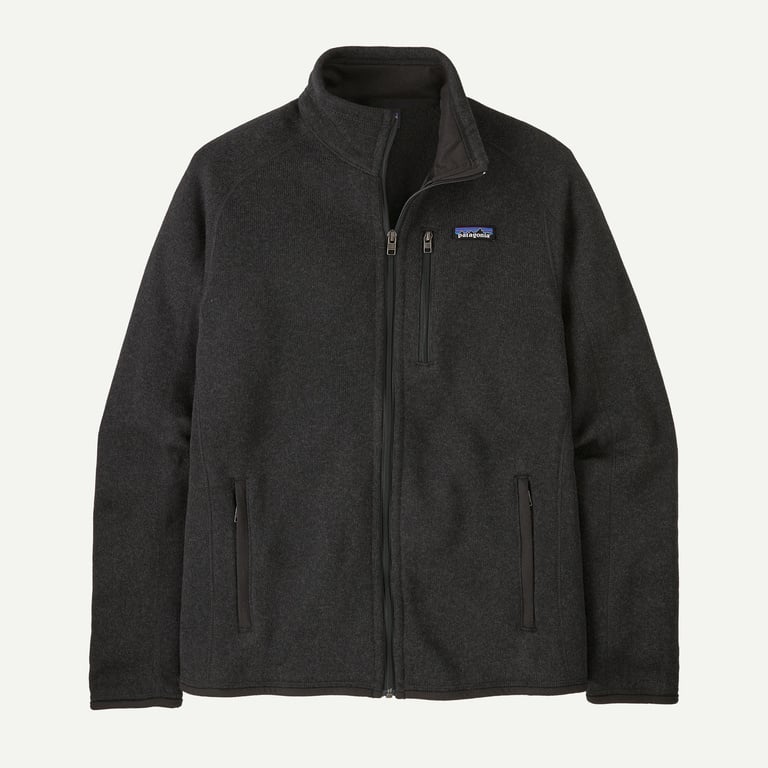
Patagonia Better Sweater Fleece Jacket
Lightweight, quick-dry material ideal for variable safari climates, blending comfort with neutral colors.
Best for: Layer for cool mornings or evenings on drives, packing small for multi-day trips.
Price Range: $100-150
Canon EOS Rebel T7 Camera
User-friendly DSLR with good zoom for capturing wildlife photos, suitable for beginners without pro skills.
Best for: Document your safari memories during drives, with settings for low-light conditions.
Price Range: $400-500