Watching your parents struggle with daily tasks like climbing stairs or bathing can be heartbreaking. Falls are the leading cause of injury for seniors, with over 3 million emergency visits annually in the US. Planning home modifications early prevents accidents and promotes independence, saving families time, stress, and costly medical bills.
In this guide, you'll learn a complete process to evaluate your parents' needs, assess their home, prioritize changes, and create an actionable plan. Whether it's installing grab bars or widening doorways, we'll cover it all with clear steps. Expect to spend 1-2 weeks on planning, depending on consultations—perfect for intermediate planners with some DIY or organizational experience.
By the end, you'll have a detailed plan, budget, and timeline ready to implement, empowering your parents to stay safe and independent longer.
▸What You'll Need
- •Measuring tape or laser distance measurer (required)
- •Smartphone or camera for photos and notes (required)
- •Notepad, pen, and printed home safety checklist (required; download free from CDC.gov)
- •Access to parents' home and their input (required)
- •Computer or tablet for research and budgeting spreadsheets (required)
- •Optional: Occupational therapist consultation (highly recommended)
Estimated Time: 1-2 weeks (4-6 hours active planning over several days)
Difficulty: intermediate
▸Step-by-Step Instructions
Step 1: Assess Your Parents' Health and Mobility
Start by understanding your parents' specific needs. Schedule a doctor's visit or consult an occupational therapist to identify mobility issues, balance problems, or conditions like arthritis.
Discuss with them directly: Can they climb stairs? Use the bathroom safely? Note medications affecting balance. Use tools like the CDC's STEADI checklist for fall risk.
Success looks like: A list of 5-10 needs (e.g., 'needs grab bar in shower due to hip replacement'). This ensures modifications match real issues, not assumptions.
💡 Tips:
- •Involve a geriatric care manager for expert insights.
- •Record a video of their daily routines for visual evidence.
⚠️ Warnings:
- •Don't assume—always get their buy-in to avoid resistance later.
Step 2: Conduct a Thorough Home Safety Walkthrough
Walk through the home room by room with your checklist, camera, and measuring tape. Focus on bathrooms (slippery floors), stairs (no handrails), kitchens (high cabinets), and entrances (thresholds).
Measure doorways, hallways, and fixture heights. Take timestamped photos and note hazards like loose rugs or poor lighting.
Success looks like: A documented report with 20+ photos and measurements, highlighting top risks like 'bathroom doorway: 28 inches wide—needs 32+ for wheelchair'.
💡 Tips:
- •Do this during different times of day to check lighting.
- •Use a laser measurer for accuracy in tight spaces.
⚠️ Warnings:
- •Avoid rushing—missing a hazard like dim hallways leads to incomplete plans.
Step 3: Prioritize Modifications by Urgency and Impact
Categorize issues: High priority (bathroom grab bars, better lighting), medium (kitchen lowers), low (cosmetic ramps). Use a matrix: risk level vs. cost/ease.
Research universal design principles for aging-in-place (e.g., zero-step entries).
Success looks like: A ranked list of 8-12 mods, like '1. Shower bench (high risk, low cost)'. This focuses efforts on biggest safety wins first.
💡 Tips:
- •Prioritize bathrooms—80% of senior falls happen there.
- •Consider future needs like wheelchair access.
Step 4: Research Regulations, Permits, and Costs
Check local building codes via your city website (e.g., ADA-compliant grab bars). Note permits needed for structural changes like ramps.
Estimate costs: Grab bars $50-200 each, ramps $500-2000. Use online calculators from AARP or HomeAdvisor.
Success looks like: A notes doc with code summaries and rough cost totals (e.g., '$5,000 for top 5 priorities').
💡 Tips:
- •Search '[your city] senior home mod permits' for specifics.
- •Factor in 20% buffer for surprises.
⚠️ Warnings:
- •Skipping permits can void insurance or lead to fines.
Step 5: Build a Realistic Budget and Funding Options
Tally costs in a spreadsheet: materials, labor, contingencies. Explore funding like VA grants, Medicare (covers some), or local aging programs.
Apply for tax credits under the Disability Access Credit.
Success looks like: A budget spreadsheet totaling under your limit, with funding sources listed (e.g., '$3,200 total; 50% from savings').
💡 Tips:
- •Use free templates from AARP.org.
- •Shop sales for portable items first.
Step 6: Get Quotes from Certified Contractors
Search for 'CAPS-certified contractors' (Certified Aging-in-Place Specialists) via AgingInPlace.org. Get 3-5 quotes with timelines.
Ask for references from senior projects.
Success looks like: 3 comparable quotes (e.g., 'ABC Remodel: $4,500, 2 weeks'), narrowing to top 2.
💡 Tips:
- •Verify licenses and insurance.
- •Request virtual walkthroughs to save time.
⚠️ Warnings:
- •Avoid cheapest bids—poor work leads to re-dos.
Step 7: Create and Finalize Your Implementation Plan
Compile everything into a master plan: timeline (e.g., Week 1: install lights), responsibilities, and milestones. Share with family/parents for approval.
Set up post-install inspections.
Success looks like: A printed/PDF plan with Gantt chart, ready to execute—your parents excited about changes.
💡 Tips:
- •Use free tools like Google Sheets or Trello for visuals.
- •Schedule family meetings for updates.
▸Pro Tips
- •Start small with no-permit changes like grab bars to build momentum.
- •Involve parents early—they're more likely to use mods they helped plan.
- •DIY low-risk items like adding night lights to cut costs 30%.
- •Photograph before/after for insurance and progress tracking.
- •Leverage free local resources like Area Agencies on Aging for assessments.
- •Batch shopping on Amazon for portable aids to speed Phase 1.
- •Reassess every 6 months as needs evolve.
▸Common Mistakes to Avoid
- •Overlooking parents' input, leading to unused mods—always consult them.
- •Underbudgeting by 20-50% due to no contingency—add buffer early.
- •Ignoring future-proofing, like wheelchair space—plan for 5+ years ahead.
- •Skipping pro quotes, resulting in DIY fails—hire CAPS experts.
- •Rushing without permits, causing delays or fines.
▸Troubleshooting
Problem: Parents resist changes
Solution: Frame as 'enhancements for comfort,' demo portable items first, involve them in choices.
Problem: Budget overruns
Solution: Prioritize Phase 1 essentials, phase remaining work, seek grants.
Problem: Contractor delays
Solution: Build 20% buffer into timeline, have backups from multiple quotes.
Problem: Unsure of needs
Solution: Hire OT for $100-200 assessment—worth the investment.
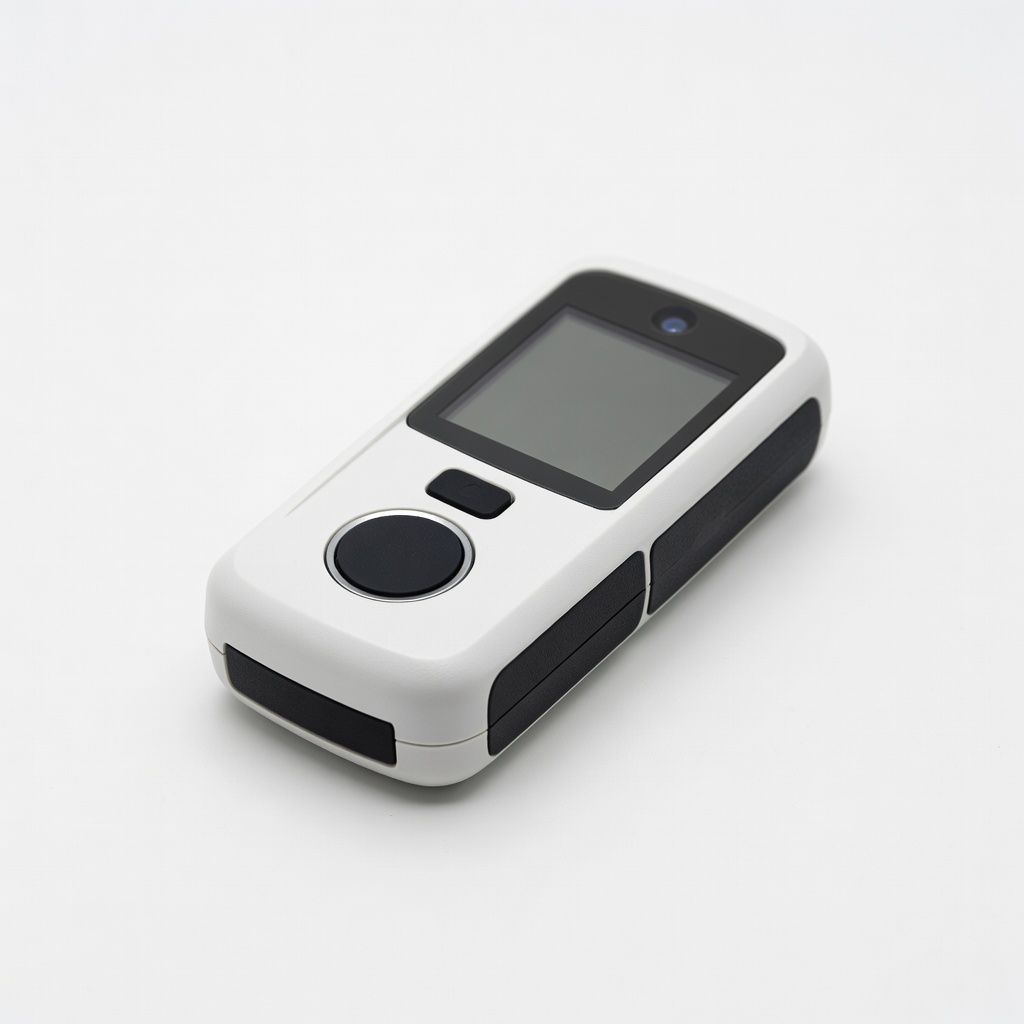
Bosch GLM20 Blaze 65ft Laser Distance Measurer
Accurate measurements are crucial for precise mod planning like door widening.
Best for: Quickly measure rooms/hallways without tape hassles during walkthrough.
Price Range: $29.97
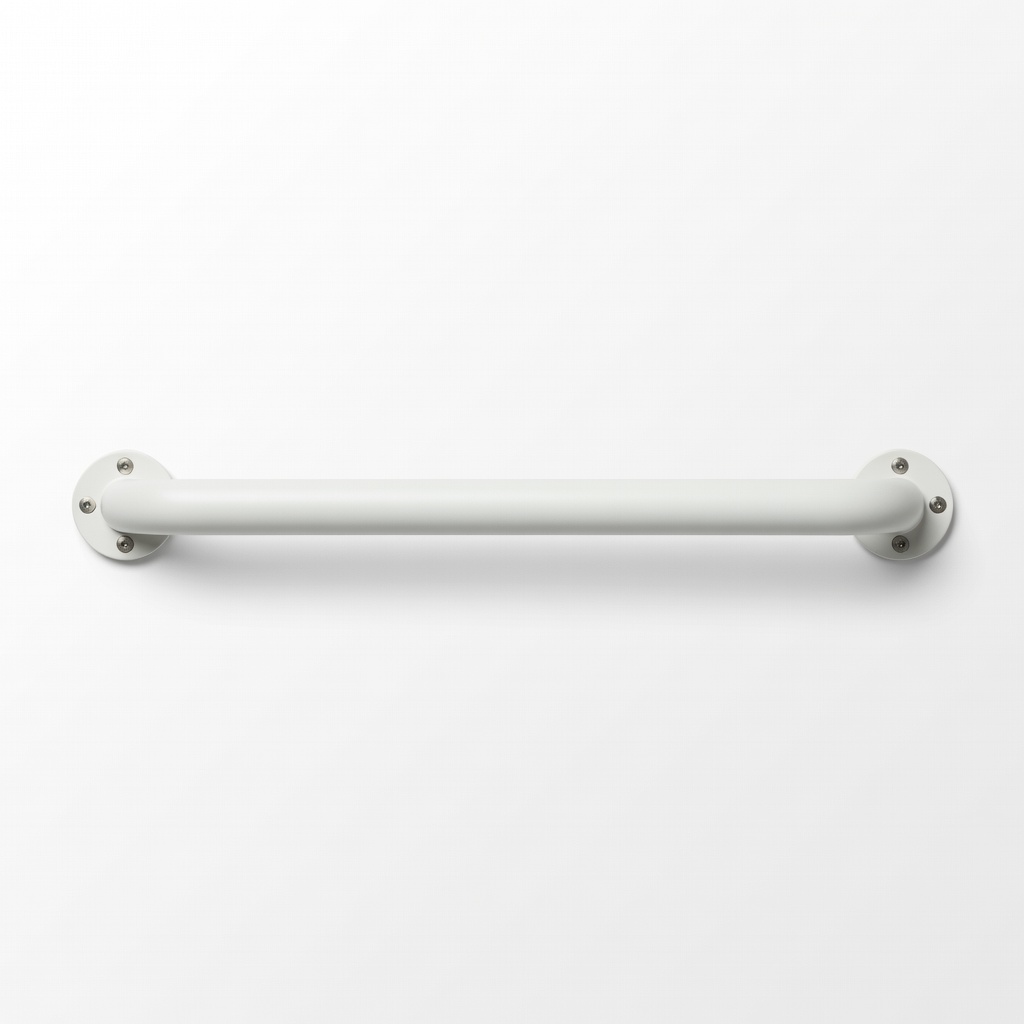
Moen B7020 Home Care Grab Bar, 18-Inch
ADA-compliant, easy-install prototype for testing bathroom mods.
Best for: Immediate safety boost while planning full renos.
Price Range: $32.80
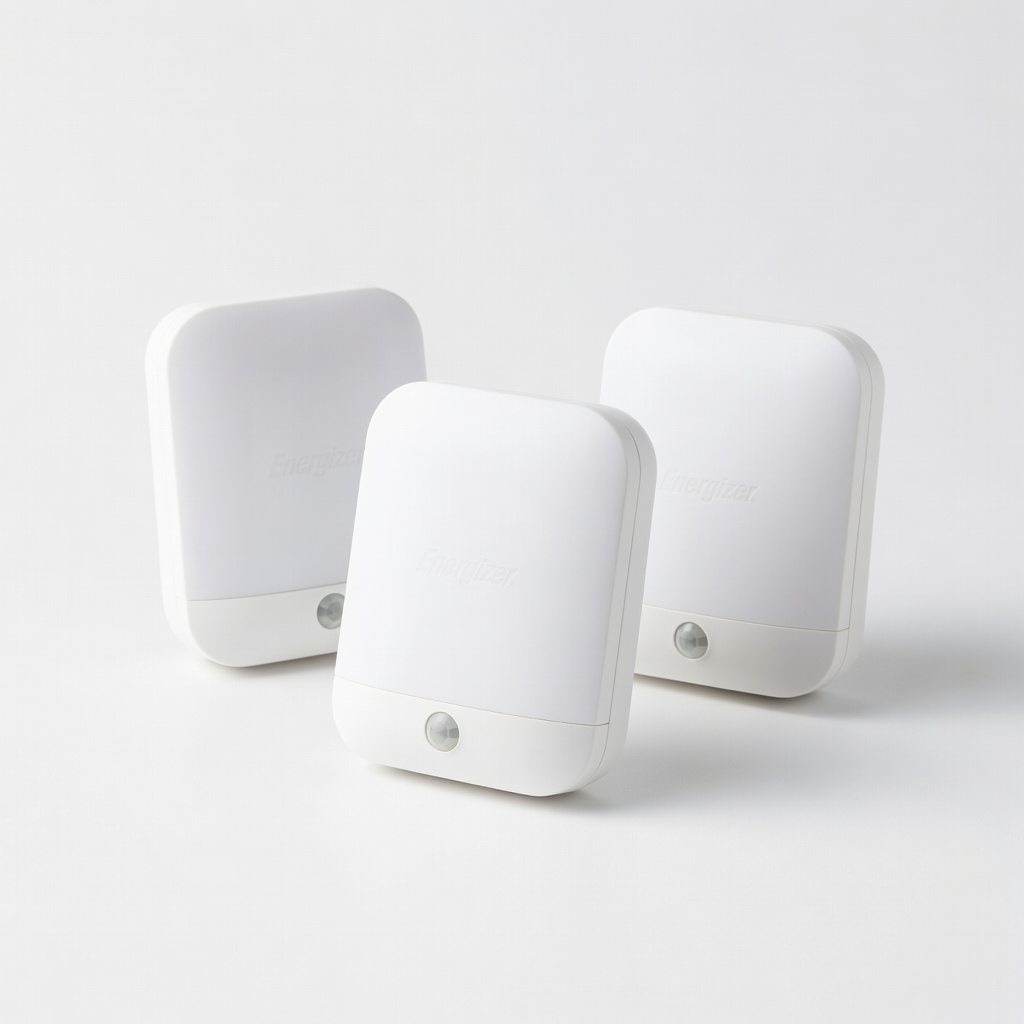
Energizer Motion Sensing LED Night Light (3-Pack)
Affordable fix for poor lighting, a top fall risk.
Best for: Plug-in anywhere for instant safety during planning.
Price Range: $12.99
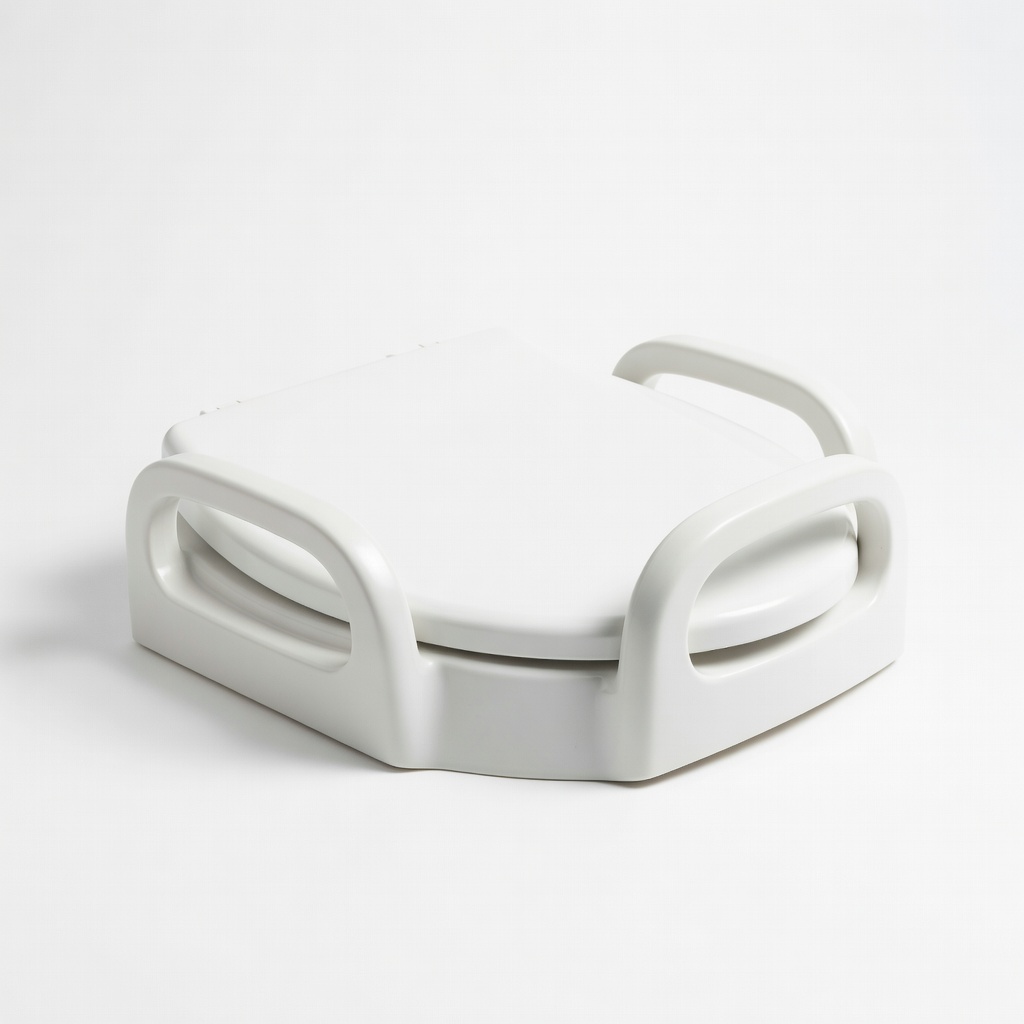
DMI Raised Toilet Seat with Handles
Portable, no-install riser addresses bathroom urgency fast.
Best for: Temporary solution pre-full mods, tests parent acceptance.
Price Range: $34.99
Drive Medical Folding Steel Shower Chair
Stable, adjustable for shower safety planning.
Best for: Quick install to prevent slips while budgeting benches.
Price Range: $49.99