
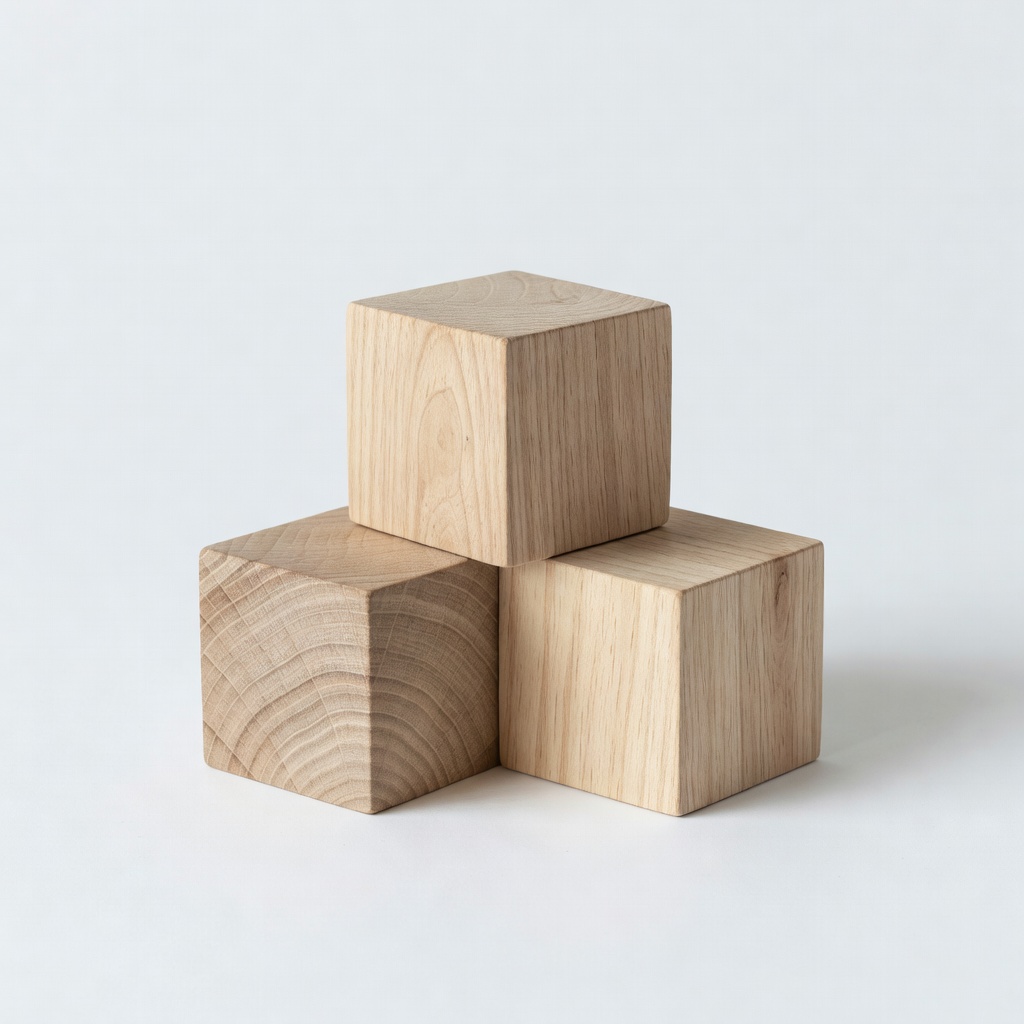
Baguo 4 Inch Large Unfinished Wood Cubes (Pack of 4)
Core structure for DIY cubes.
$15.99
Baguo 4 Inch Large Unfinished Wood Cubes (Pack of 4) Perfect blank base—sturdy pine, pre-sanded, ideal for custom attachments.
Get the App
Better experience on mobile
Learn to design custom activity cubes that foster sensory skills, fine motor development, and independent play for toddlers using Montessori methods.
In the world of Montessori education, activity cubes (also known as busy cubes) are powerful tools for encouraging self-directed exploration and skill-building. Parents and educators often struggle with generic toys that don't align with a child's developmental stage, leading to short attention spans or frustration. Planning your own ensures activities match your child's needs, promoting focus, coordination, and confidence.
This guide walks you through planning and creating Montessori-inspired activity cubes step-by-step. You'll learn how to select age-appropriate activities, map them to cube faces, and assemble safely. Expect 1-2 hours total, suitable for intermediate crafters with basic Montessori knowledge—no advanced woodworking required.
By the end, you'll have a personalized cube ready for play, adaptable for ages 1-3.
Estimated Time: 1-2 hours Difficulty: intermediate
Start by reviewing core Montessori ideas: activities should promote practical life skills, sensory exploration, and independence. Focus on fine motor (zipping, lacing), sensory (textures, colors), and cognitive (matching, sorting) elements. Ideal for 12-36 months.
List 6 activities (one per face) like buttoning, snapping, sliding beads, shape tracing, mirror peek-a-boo, and fabric textures. Why? This ensures balanced development without overwhelming the child.
Success: A brainstormed list matching your child's age and interests.
💡 Tips:
⚠️ Warnings:
Choose a sturdy 4-6 inch wooden cube—smooth edges prevent splinters. Sand any rough spots with 220-grit sandpaper for safety.
Why a cube? Six faces allow diverse activities in a compact, graspable size. Wipe clean and let dry.
Success: Smooth, ready-to-assemble cube.
💡 Tips:
Assign one activity per face logically: group similar skills opposite each other for rotation. Face 1: Zipper (fine motor). Face 2: Velcro shapes (matching). Face 3: Bead maze (counting). Face 4: Mirror (self-awareness). Face 5: Textured fabrics (sensory). Face 6: Buckle/lock (problem-solving).
Sketch layouts on paper first. This prevents overcrowded designs.
Success: Labeled cube diagram.
💡 Tips:
⚠️ Warnings:
Collect attachments: sew or glue mini zippers, buy pre-made bead wires, cut fabrics. Test functionality individually.
Why prep? Ensures everything fits securely before assembly.
Success: Organized tray of ready components.
Use painter's tape to position, then glue/screw permanently. For example, drill small holes for bead wire, epoxy in place. Let dry 30 minutes per face.
Child-safety first: all parts must withstand tugging.
Success: Fully assembled cube with functional faces.
💡 Tips:
⚠️ Warnings:
Add colors or labels (e.g., 'Zip Me!') with washable markers. Spray with non-toxic sealant for wipe-clean durability.
Why? Enhances visual appeal and longevity.
Success: Vibrant, protected cube.
Observe child play for 15 minutes: note engagement, safety issues. Adjust loose parts or simplify.
Success: Child independently explores 3+ faces.
💡 Tips:
Problem: Child loses interest quickly.
Solution: Simplify activities or add personal touches like photos.
Problem: Parts come loose during play.
Solution: Reattach with stronger epoxy and add sealant.
Problem: Cube too heavy for baby.
Solution: Choose lighter balsa wood or smaller size.
Perfect blank base—sturdy pine, pre-sanded, ideal for custom attachments.
Best for: Core structure for DIY cubes.
Price Range: $15.99
High-quality, child-safe hardware kit with 20+ pieces for multiple faces.
Best for: Attaching practical life skills activities.
Price Range: $19.99
Durable sensory elements that slide smoothly and stick securely.
Best for: Bead mazes and matching games on cube faces.
Price Range: $24.99
Non-toxic, industrial-strength adhesive perfect for wood and fabric.
Best for: Secure attachments without drilling.
Price Range: $6.99
Ready example to copy activities from—great for beginners tweaking.
Best for: Visual reference or starter cube.
Price Range: $29.99
Core structure for DIY cubes.
Baguo 4 Inch Large Unfinished Wood Cubes (Pack of 4) Perfect blank base—sturdy pine, pre-sanded, ideal for custom attachments.
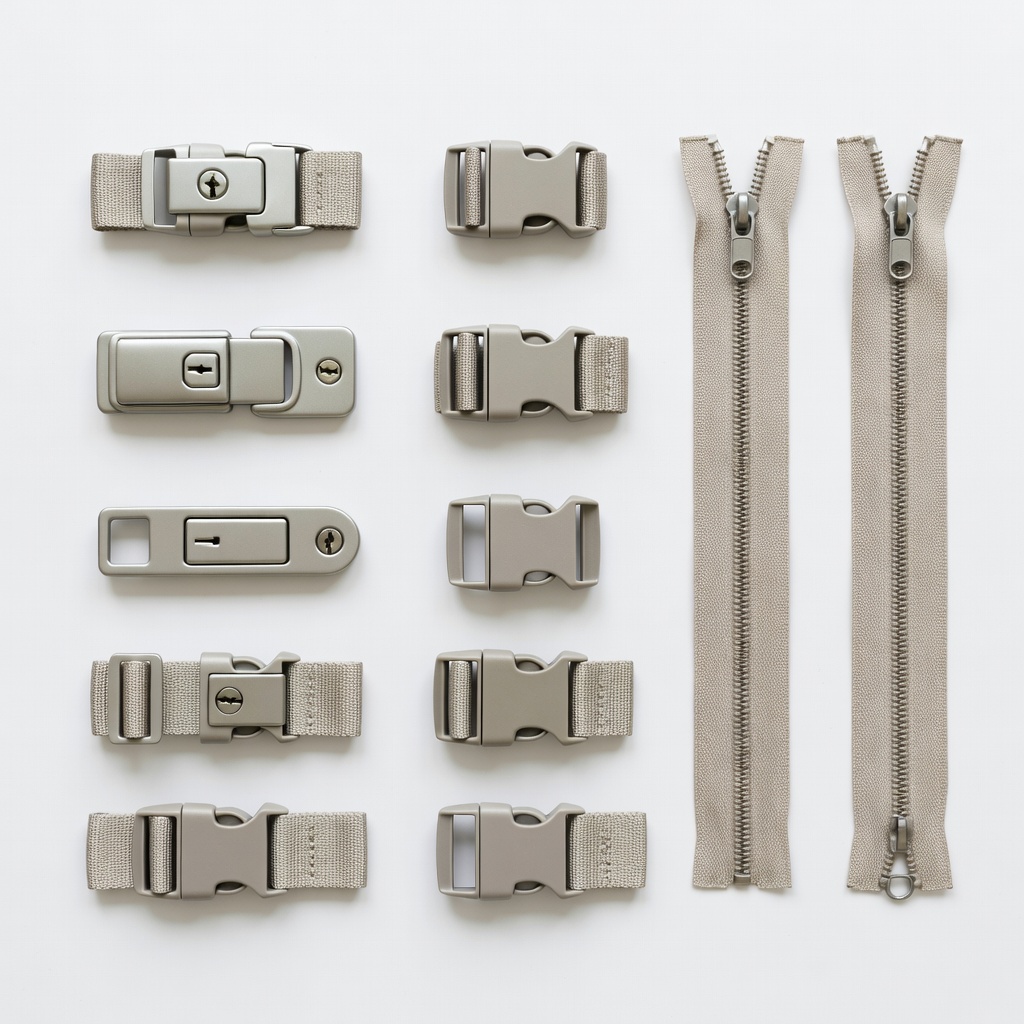
Attaching practical life skills activities.
Sowola Busy Board Accessories Kit (Locks, Zippers, Buckles) High-quality, child-safe hardware kit with 20+ pieces for multiple faces.
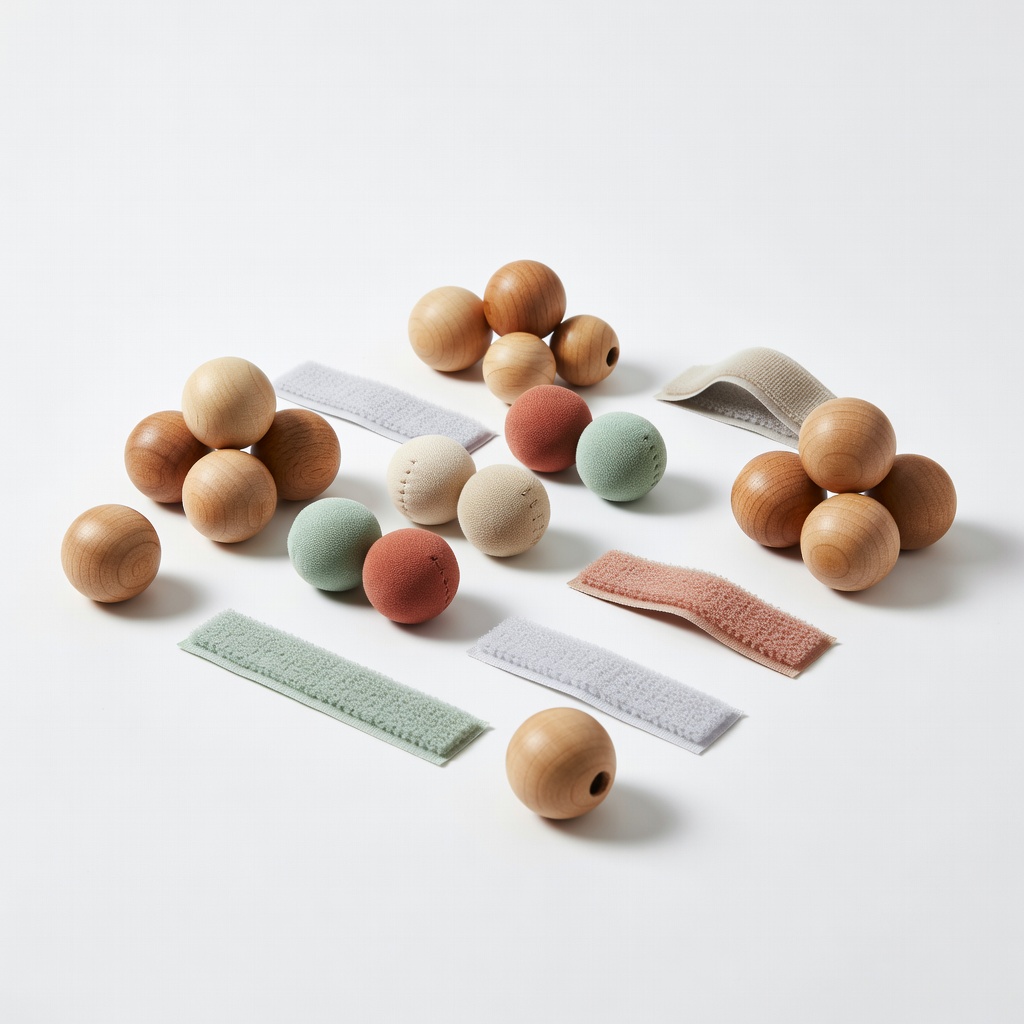
Bead mazes and matching games on cube faces.
Geyiie Montessori Sensory Beads and Velcro Set Durable sensory elements that slide smoothly and stick securely.
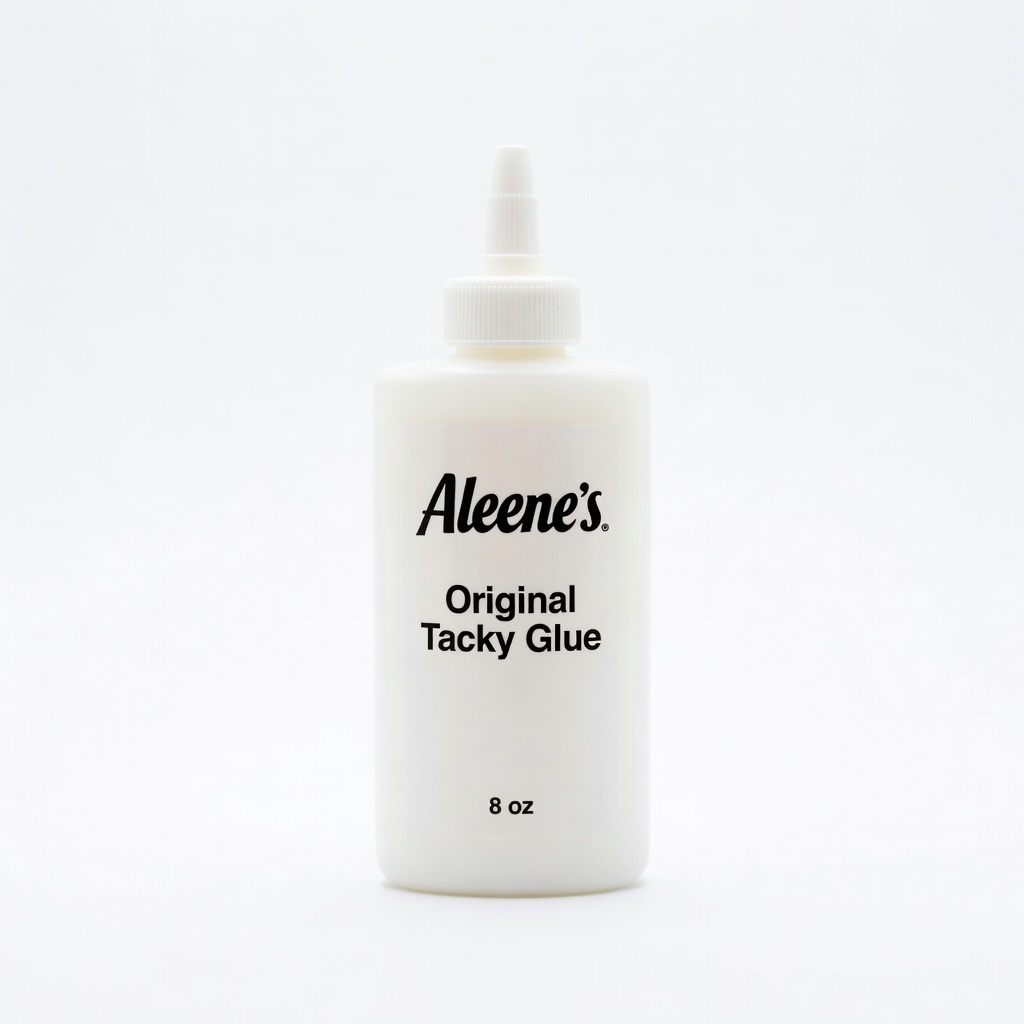
Secure attachments without drilling.
Aleene's Original Tacky Glue (8 oz) Non-toxic, industrial-strength adhesive perfect for wood and fabric.
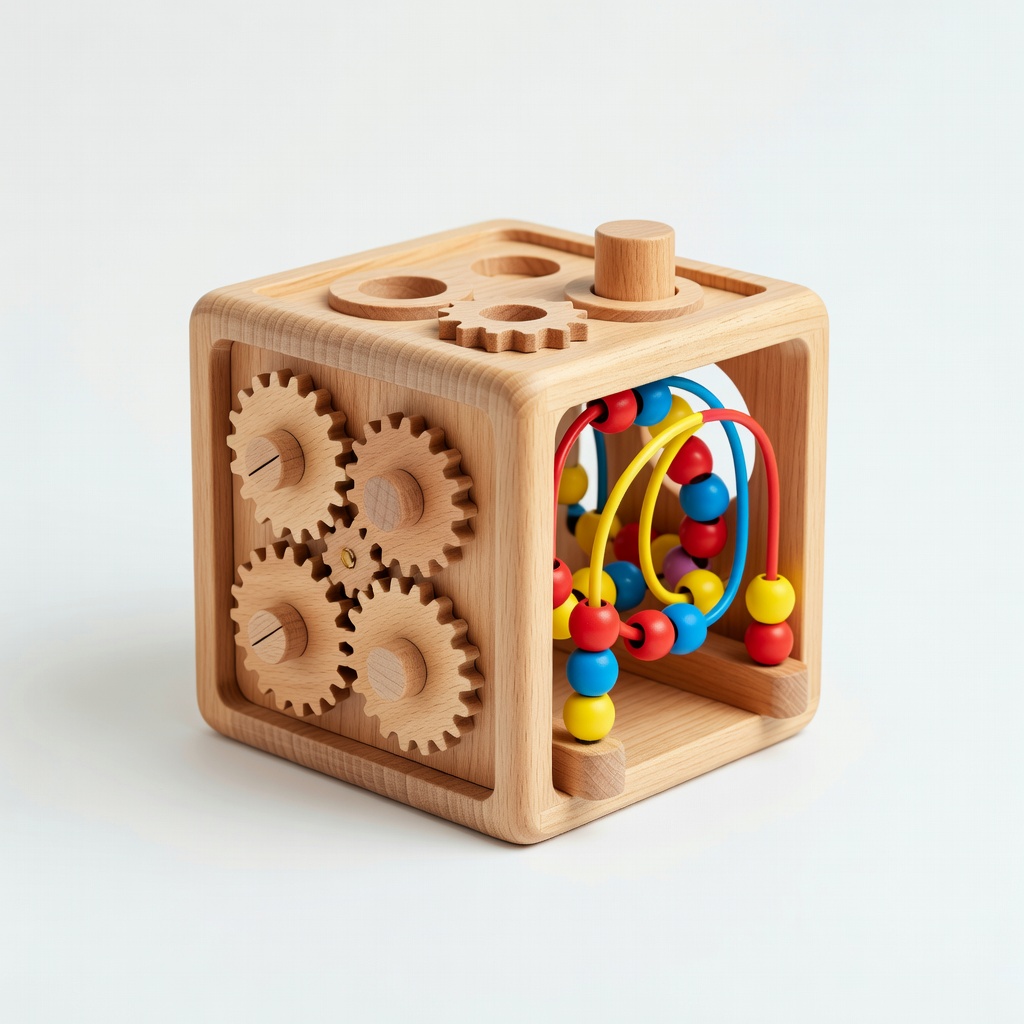
Visual reference or starter cube.
TSXXG Wooden Montessori Busy Cube (Pre-made Inspiration) Ready example to copy activities from—great for beginners tweaking.