
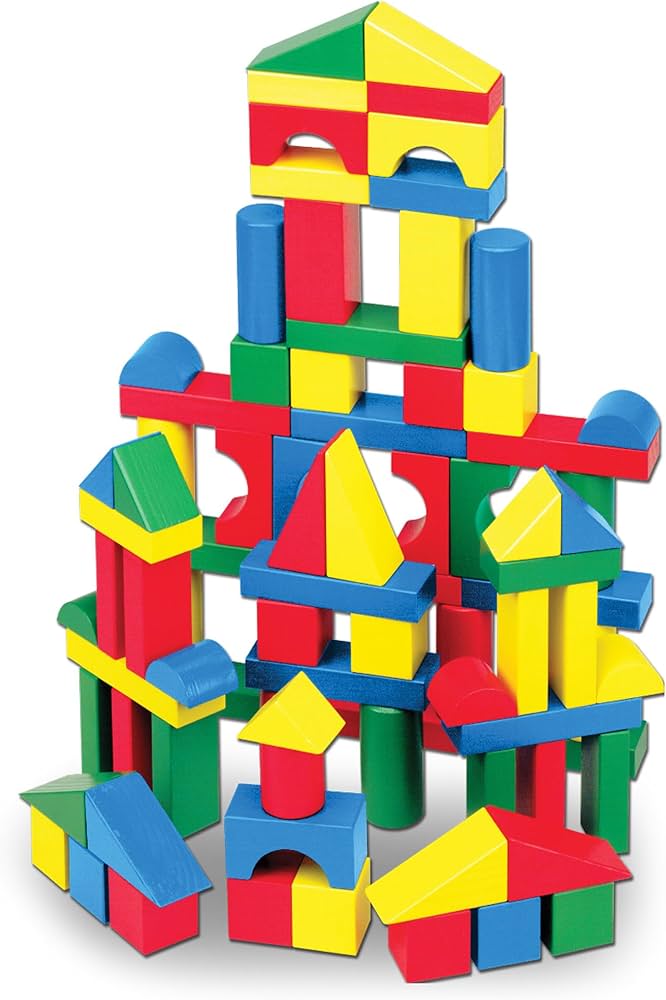
Melissa & Doug Deluxe 100-Piece Wood Blocks Set
Core building activity; stack, sort, create structures.
$29.99
Melissa & Doug Deluxe 100-Piece Wood Blocks Set Perfect for building centers—durable, educational, endless configurations.
Get the App
Better experience on mobile
Create safe, engaging play zones for toddlers indoors with this beginner-friendly step-by-step guide to keep them entertained and learning.
Rainy days, small apartments, or cold weather can trap toddlers indoors, leading to boredom, meltdowns, and endless 'Mom/Dad, play with me!' pleas. The solution? Well-planned activity centers that turn any room into a hub of independent play, fostering motor skills, creativity, and focus while giving parents a much-needed break.
In this guide, you'll learn how to assess your space, choose toddler-appropriate activities, design a layout, and set up centers that are safe and fun. Whether you have 100 sq ft or 500, this process ensures organized, stimulating play without overwhelming clutter. Expect to spend 1-2 hours on planning, with setup taking another 1-2 hours depending on your supplies.
No prior experience needed—this beginner tutorial breaks it down into simple steps, with tips to customize for your child's age (1-3 years) and space constraints.
Estimated Time: 1-2 hours for planning + 1-2 hours for initial setup Difficulty: beginner
Start by measuring the room or area where you'll set up the activity centers. Note dimensions, doorways, furniture that can't move, and high-traffic paths. Toddlers need 4-6 sq ft per center to play comfortably without overcrowding.
Why it matters: Poor space planning leads to chaos and accidents. Expect to identify 3-5 potential spots, like corners or under windows, away from hazards like stairs or hot outlets.
Mark permanent no-go zones with tape.
💡 Tips:
⚠️ Warnings:
Observe your toddler for a day: What toys do they gravitate to? Do they love stacking, sensory textures, or pretend play? Match centers to 12-36 month milestones—fine motor for 1-year-olds, imaginative play for 2+.
This ensures engagement; mismatched activities lead to frustration. List 4-6 interests, like blocks or water play (use trays for indoor).
💡 Tips:
Sensory (textures/colors), Building (blocks), Pretend Play (kitchen/dolls), Art (crayons/playdough), Reading (books), Gross Motor (tunnels/balls). Pick based on space and interests—start with 3 if small.
Why: Variety prevents boredom; rotate weekly. Each center should fit in 4x4 ft.
💡 Tips:
⚠️ Warnings:
On graph paper, draw your room to scale (1 square = 1 ft). Place centers in a U-shape or zones for supervision. Ensure 2-3 ft walkways between.
Success: A blueprint where everything flows safely. Label storage near each center.
💡 Tips:
Inventory existing toys; shop for gaps (see recommendations). Sort into bins per center—label with pictures for toddlers.
Expect 10-15 items per center; rotate to keep fresh.
💡 Tips:
⚠️ Warnings:
Pad sharp edges, secure rugs, cover outlets. Use baby gates for boundaries. Check CPSC guidelines for age-appropriate toys.
Critical for injury prevention; test by crawling like a toddler.
💡 Tips:
Tape boundaries, place mats/bins/toys. Supervise first play session (30 mins). Note what works—adjust immediately.
Success: Toddler plays 15+ mins independently per center.
💡 Tips:
⚠️ Warnings:
Schedule weekly swaps. Clean daily. Track engagement in a journal.
Keeps it novel; prevents burnout.
Problem: Toddler ignores centers
Solution: Observe interests, add one new item, model play first. Rotate themes.
Problem: Messy play everywhere
Solution: Use trays/underlays; set 10-min cleanup timer as game.
Problem: Not enough space
Solution: Go vertical with wall pockets; consolidate to 2-3 centers.
Problem: Safety concerns persist
Solution: Re-check with CPSC app; consult pediatrician for custom advice.
Perfect for building centers—durable, educational, endless configurations.
Best for: Core building activity; stack, sort, create structures.
Price Range: $29.99
Soft, interlocking flooring protects during active play.
Best for: Base for all centers; easy clean, non-slip.
Price Range: $25.99-$34.99
Organizes by center; colorful bins match toddler appeal.
Best for: Storage solution; picture labels for independence.
Price Range: $39.99
Compact sensory popper—fine motor heaven, no mess.
Best for: Wall-mount or standalone for sensory center.
Price Range: $14.95
Multi-activity hub with lights/sounds for engagement.
Best for: Central pretend/gross motor station; grows with child.
Price Range: $49.99
Core building activity; stack, sort, create structures.
Melissa & Doug Deluxe 100-Piece Wood Blocks Set Perfect for building centers—durable, educational, endless configurations.
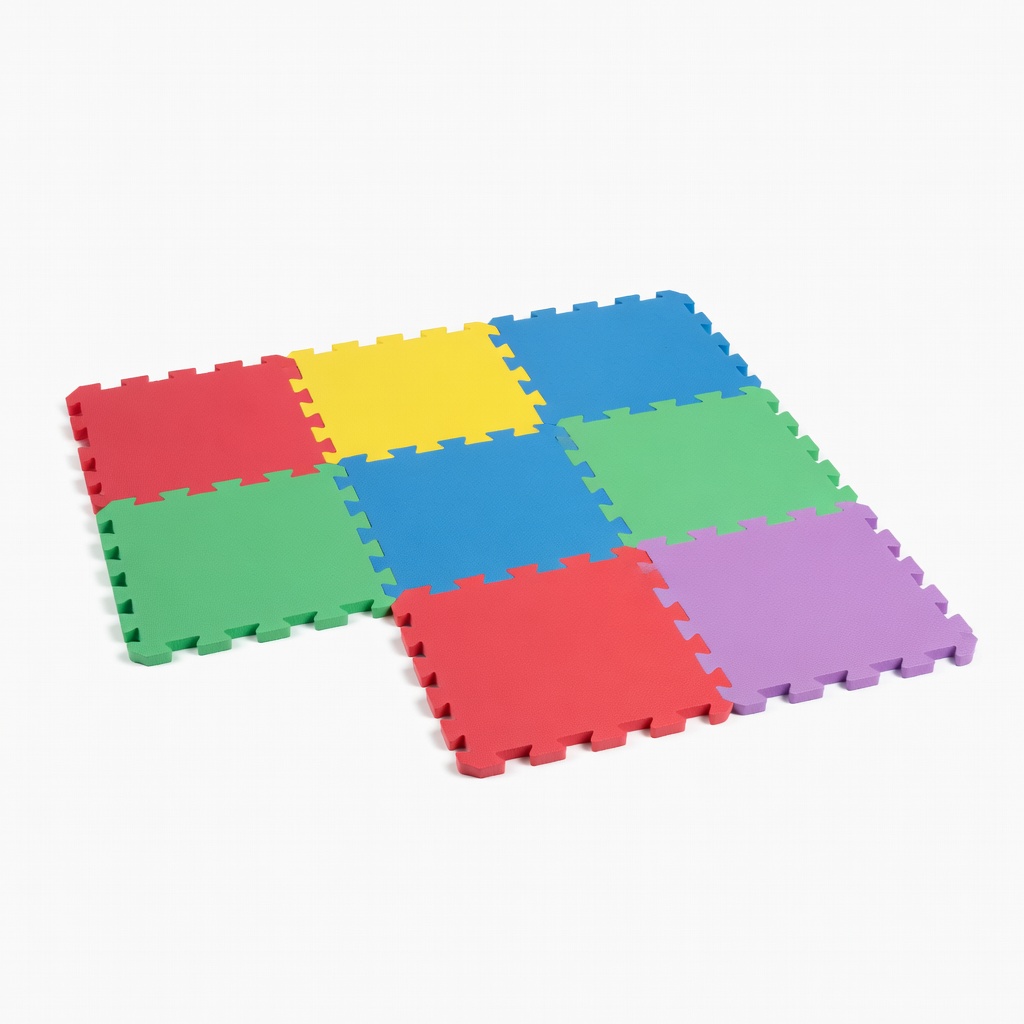
Base for all centers; easy clean, non-slip.
ProSource Kids 6-Piece Foam Puzzle Play Mats Soft, interlocking flooring protects during active play.
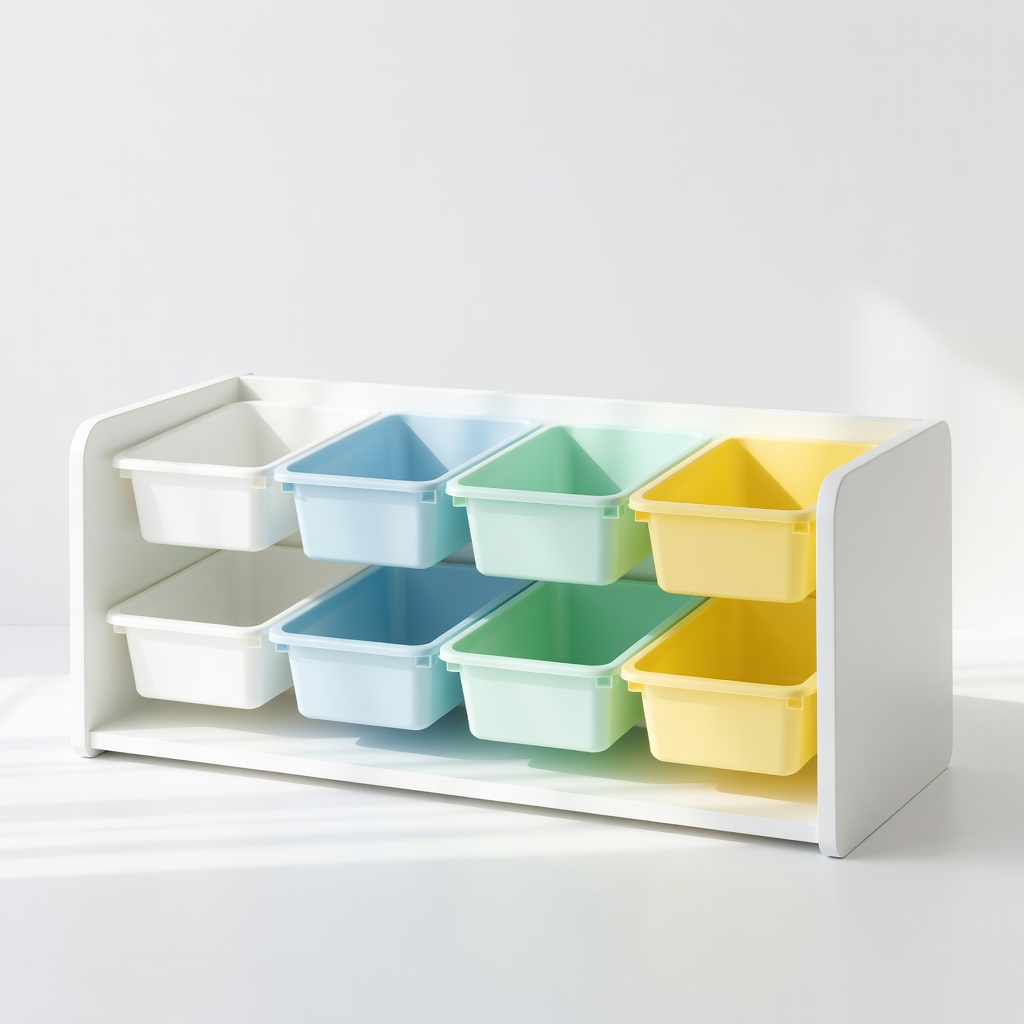
Storage solution; picture labels for independence.
Tot Tutors Toy Organizer with 8 Plastic Bins Organizes by center; colorful bins match toddler appeal.
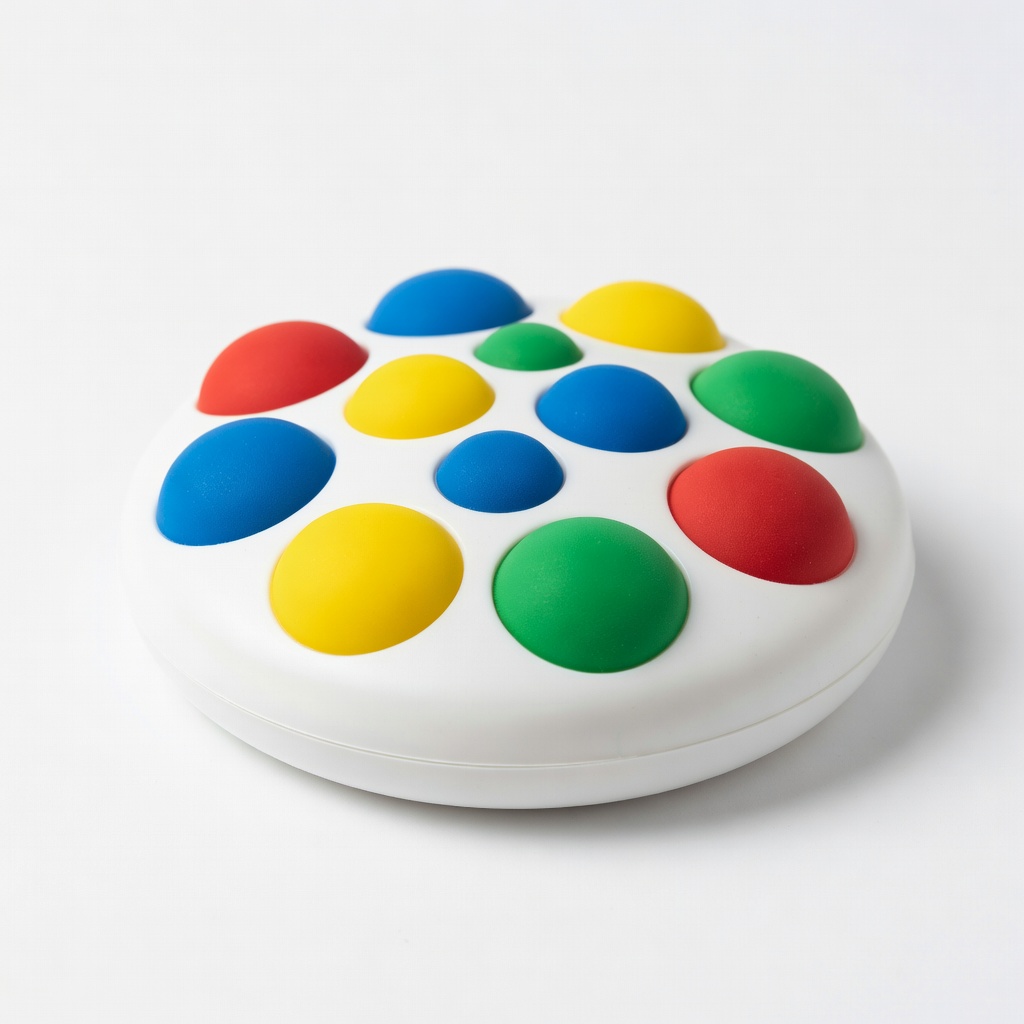
Wall-mount or standalone for sensory center.
Fat Brain Toys Dimpl Toddler Sensory Toy Compact sensory popper—fine motor heaven, no mess.
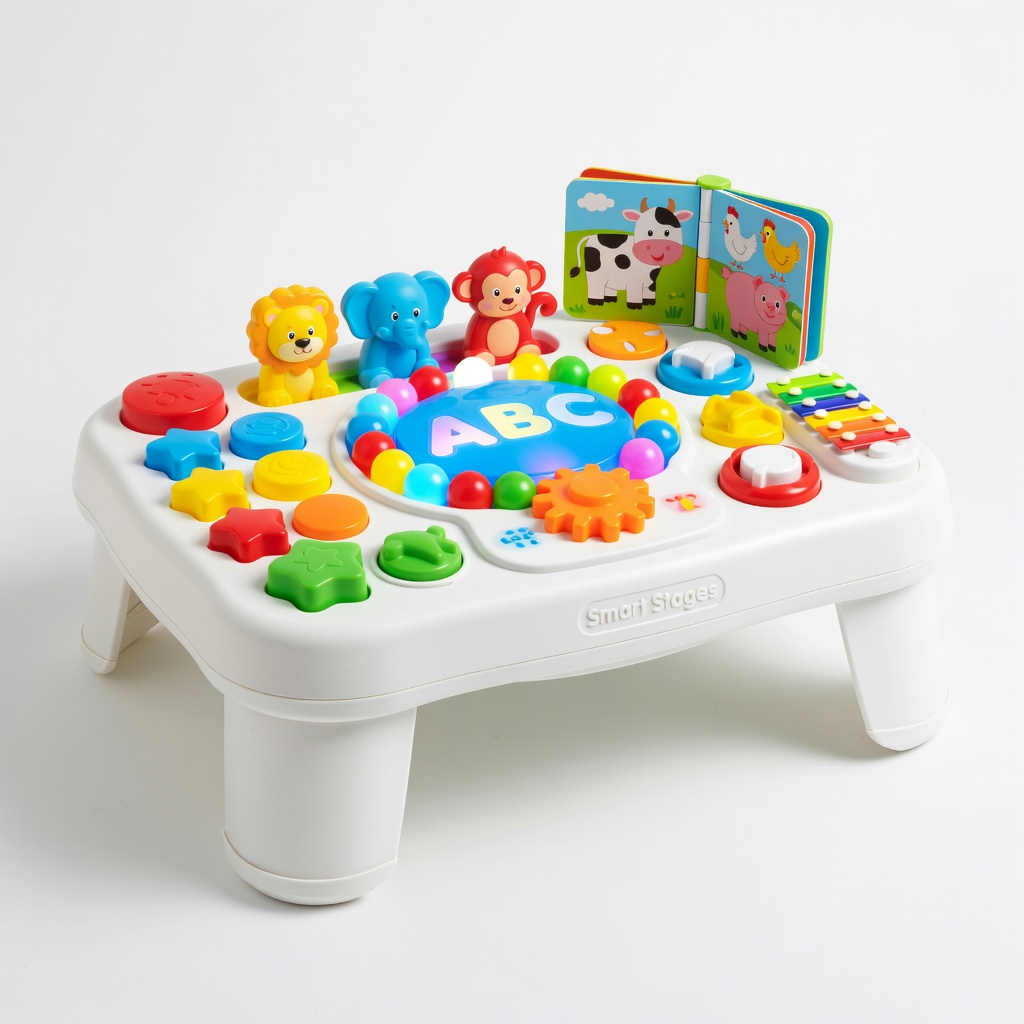
Central pretend/gross motor station; grows with child.
Fisher-Price Laugh & Learn Smart Stages Activity Table Multi-activity hub with lights/sounds for engagement.