
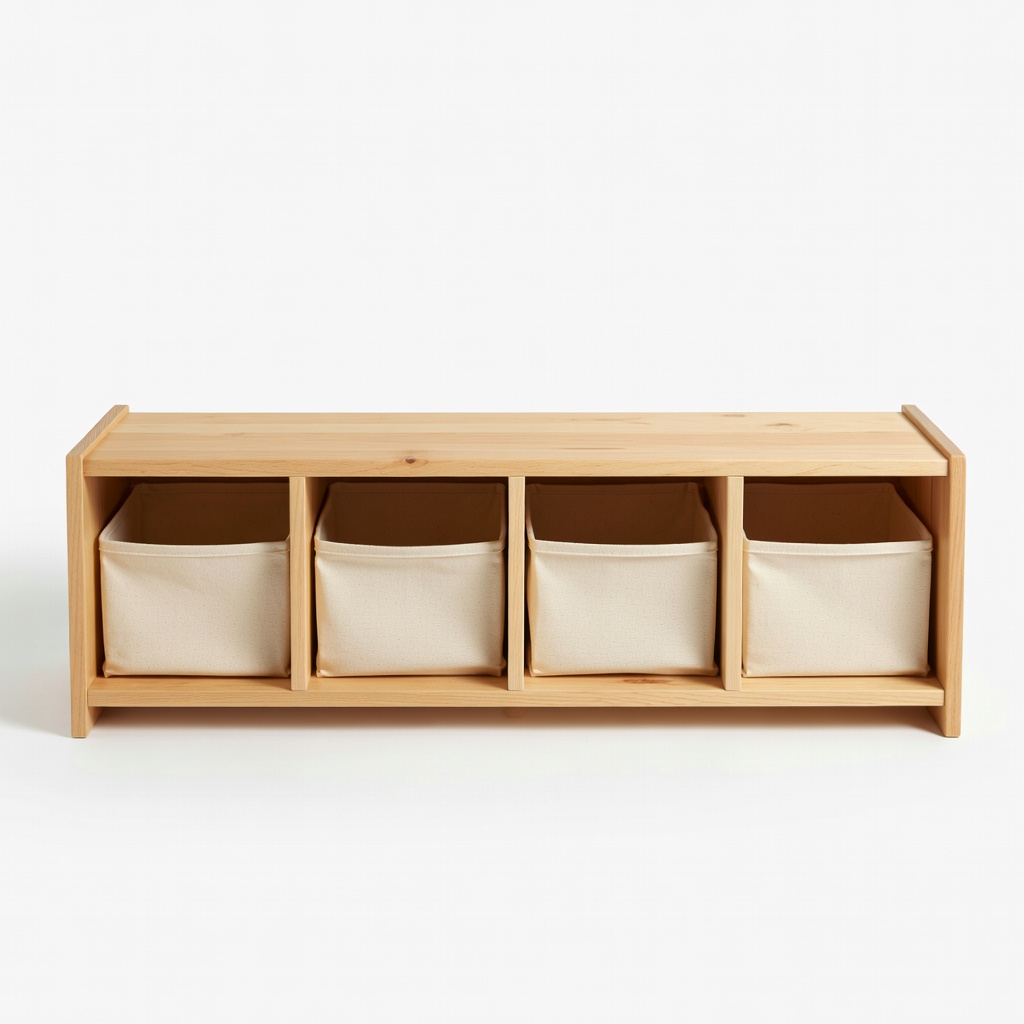
Tot Tutors Kids Wood Toy Organizer
Block or manipulative centers; easy kid access.
$39.99
Tot Tutors Kids Wood Toy Organizer Durable, open shelves perfect for sorting center toys by type; 12 bins included.
Get the App
Better experience on mobile
Create safe, engaging activity zones that promote learning and keep kids entertained in your home daycare setup.
Running a home daycare means juggling play, learning, and safety in limited space. Poorly planned activity centers lead to chaos, bored kids, and safety risks. This guide shows you how to design purposeful zones like art, blocks, and sensory play that meet developmental needs and licensing standards.
You'll learn a step-by-step process to assess your space, choose centers, layout furniture, and rotate activities. Expect to spend 2-4 hours planning, plus 1-2 days setting up. Perfect for intermediate providers ready to optimize their environment.
By the end, you'll have a functional floor plan, shopping list, and maintenance routine for stress-free operations.
Estimated Time: 2-4 hours planning + 1-2 days setup Difficulty: intermediate
Measure your play area accurately, noting doors, windows, outlets, and traffic flow. Calculate square footage per child (aim for 35 sq ft per kid per regulations). Document age groups (e.g., 2-5 years) and max daily enrollment.
This step ensures compliance and prevents overcrowding. Expect a simple sketch showing usable space—discard closets or high-traffic zones.
💡 Tips:
⚠️ Warnings:
List 6-8 core centers: blocks, dramatic play, art, sensory, books, manipulatives, science, and gross motor. Tailor to ages—infants need tummy time, preschoolers STEM.
Why? Centers support multiple intelligences and reduce conflicts. Success: A prioritized list matching your kids' needs.
💡 Tips:
Draw a scale floor plan (1 square = 1 ft) on graph paper. Place quiet centers (books) away from loud (dramatic play). Ensure visibility from all supervision spots.
Group by theme: create near art. Expect iterations—test by walking the plan.
💡 Tips:
⚠️ Warnings:
Choose durable, low tables (20-24" high), shelves, and rugs per center. Inventory existing items; list buys. Budget $200-500 initially.
Focus on multi-use: stackable bins save space. Success: Detailed shopping list with dimensions.
💡 Tips:
Check for rounded edges, non-toxic materials, secure shelving (anchor to walls). Add gates, outlet covers. Review state regs for soft flooring under climbers.
This prevents 90% of accidents. Expect a checklist with pass/fail marks.
⚠️ Warnings:
Assign clear bins per center (e.g., blue for blocks). Use picture labels for non-readers. Rotate toys weekly to maintain interest.
Prevents mess; eases cleanup. Success: Labeled, zoned storage.
💡 Tips:
Plan daily rotations (20-30 min/center) and refresh themes monthly (e.g., farm to ocean). Document for parents.
Keeps engagement high. Test with a 1-week trial.
💡 Tips:
Run a trial day; observe play patterns. Tweak layout based on hot/cold spots. Add signage and rules.
Iterate for perfection. Success: Happy, engaged kids with no chaos.
⚠️ Warnings:
Problem: Kids ignore a center
Solution: Add fresh toys or pair with popular activity; observe interests first.
Problem: Not enough space
Solution: Go vertical with wall shelves or multi-use furniture; reduce to 4 centers.
Problem: Messy cleanups
Solution: Daily 10-min tidy routine with music; zone-specific bins.
Problem: Safety violations found
Solution: Immediate fix or halt use; consult local licenser.
Durable, open shelves perfect for sorting center toys by type; 12 bins included.
Best for: Block or manipulative centers; easy kid access.
Price Range: $39.99
Versatile for sensory, art, blocks; adjustable height grows with kids.
Best for: Multi-purpose table in small spaces.
Price Range: $109.99
Double-sided with paper roll and chalkboard; mess-free art center staple.
Best for: Art/drawing zone for groups.
Price Range: $69.99
Safe sensory water play; drains easily for quick cleanup.
Best for: Outdoor/indoor sensory center.
Price Range: $89.99
Educational foam rug defines reading/math zones; soft and washable.
Best for: Quiet centers like books or puzzles.
Price Range: $29.99
Block or manipulative centers; easy kid access.
Tot Tutors Kids Wood Toy Organizer Durable, open shelves perfect for sorting center toys by type; 12 bins included.
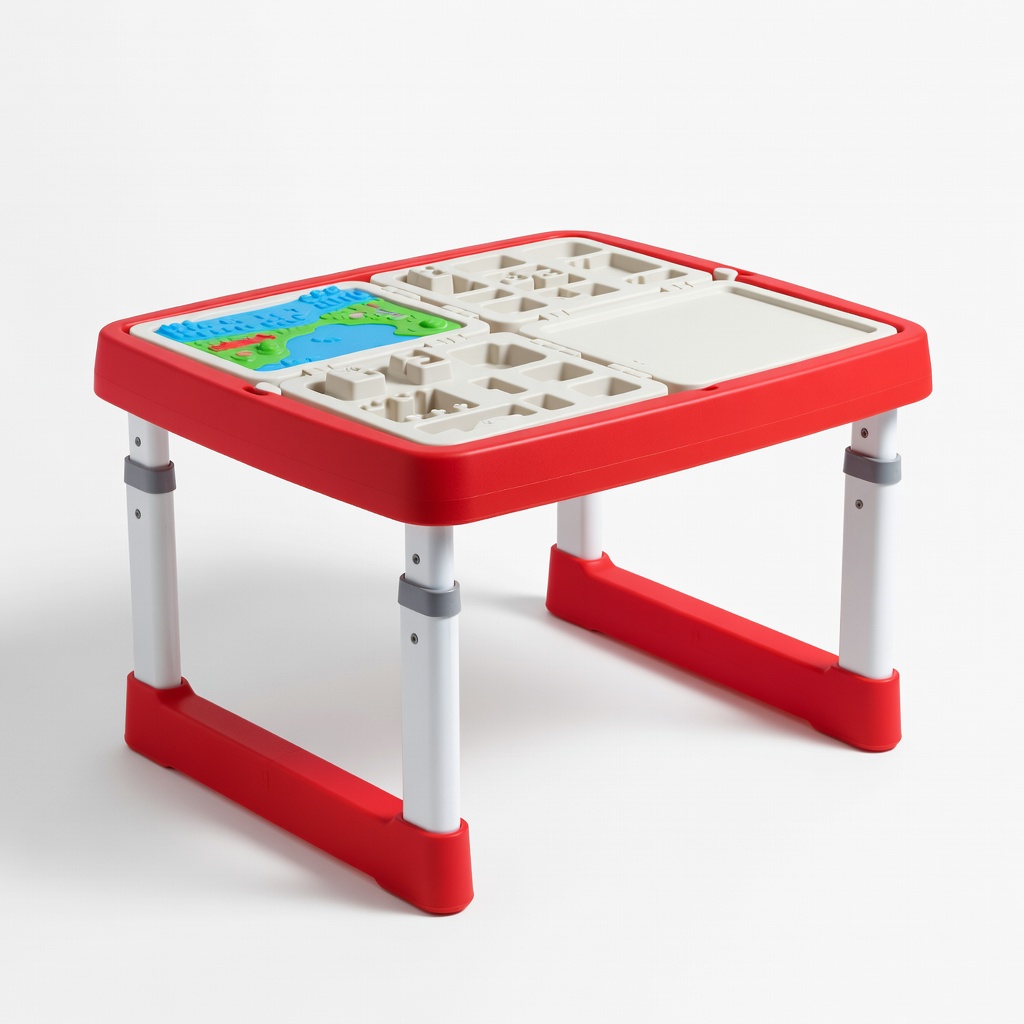
Multi-purpose table in small spaces.
Little Tikes 8-in-1 Adjustable Play Table Versatile for sensory, art, blocks; adjustable height grows with kids.
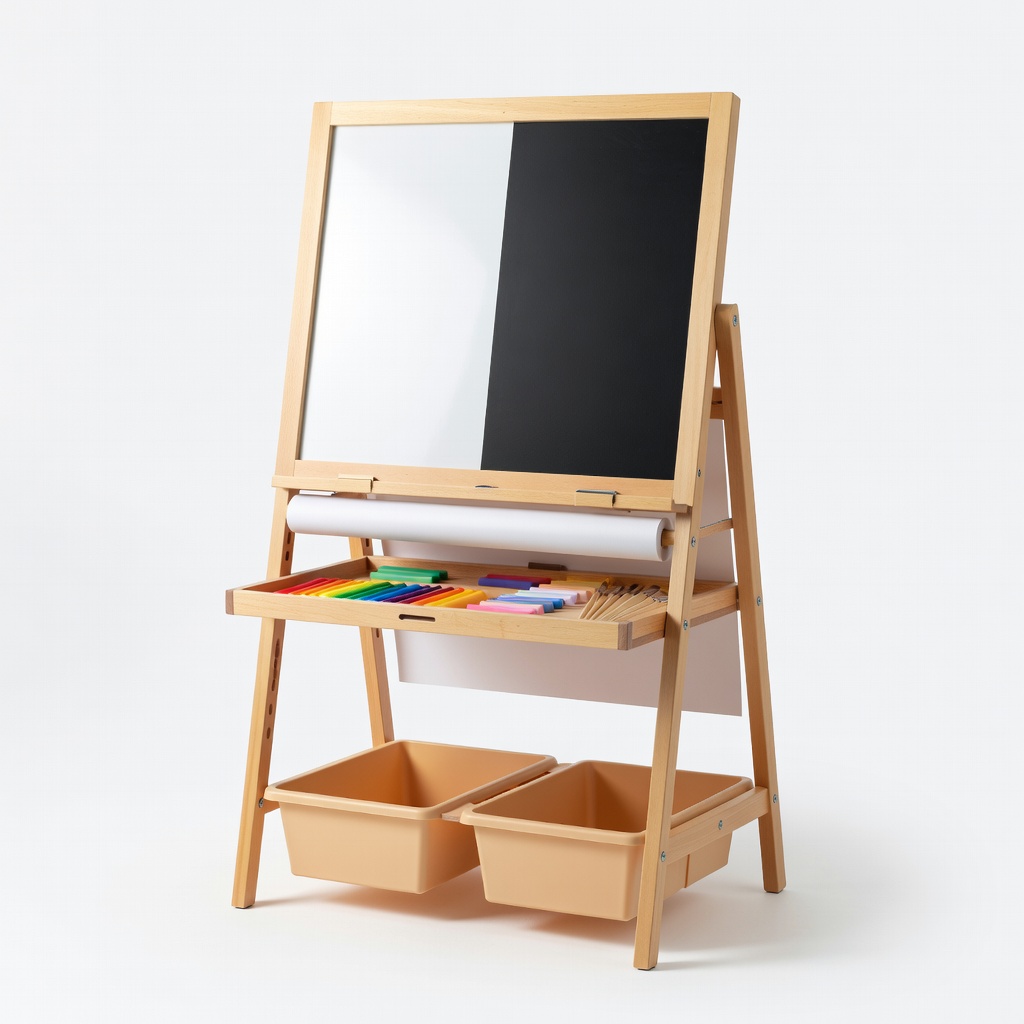
Art/drawing zone for groups.
Melissa & Doug Deluxe Standing Art Easel Double-sided with paper roll and chalkboard; mess-free art center staple.
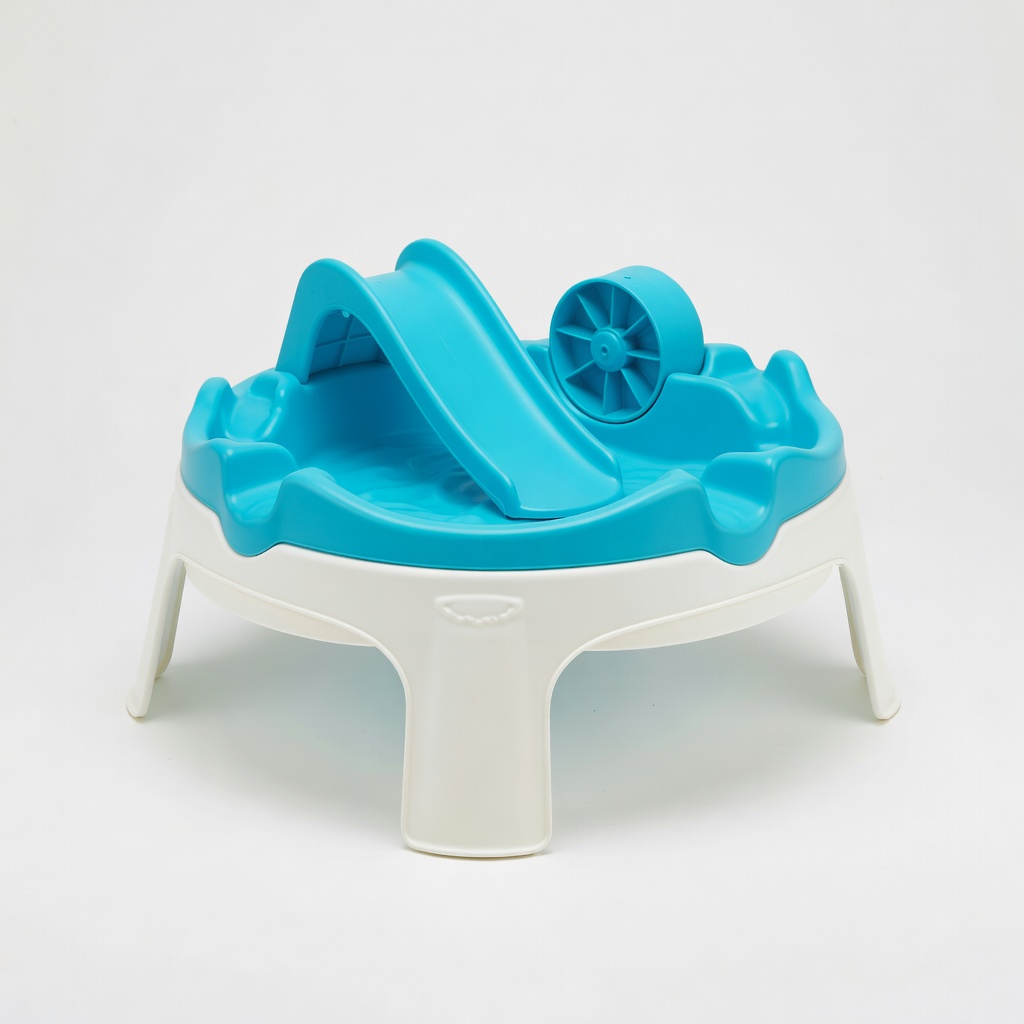
Outdoor/indoor sensory center.
Step2 Spill & Splash Wave Pond Water Table Safe sensory water play; drains easily for quick cleanup.
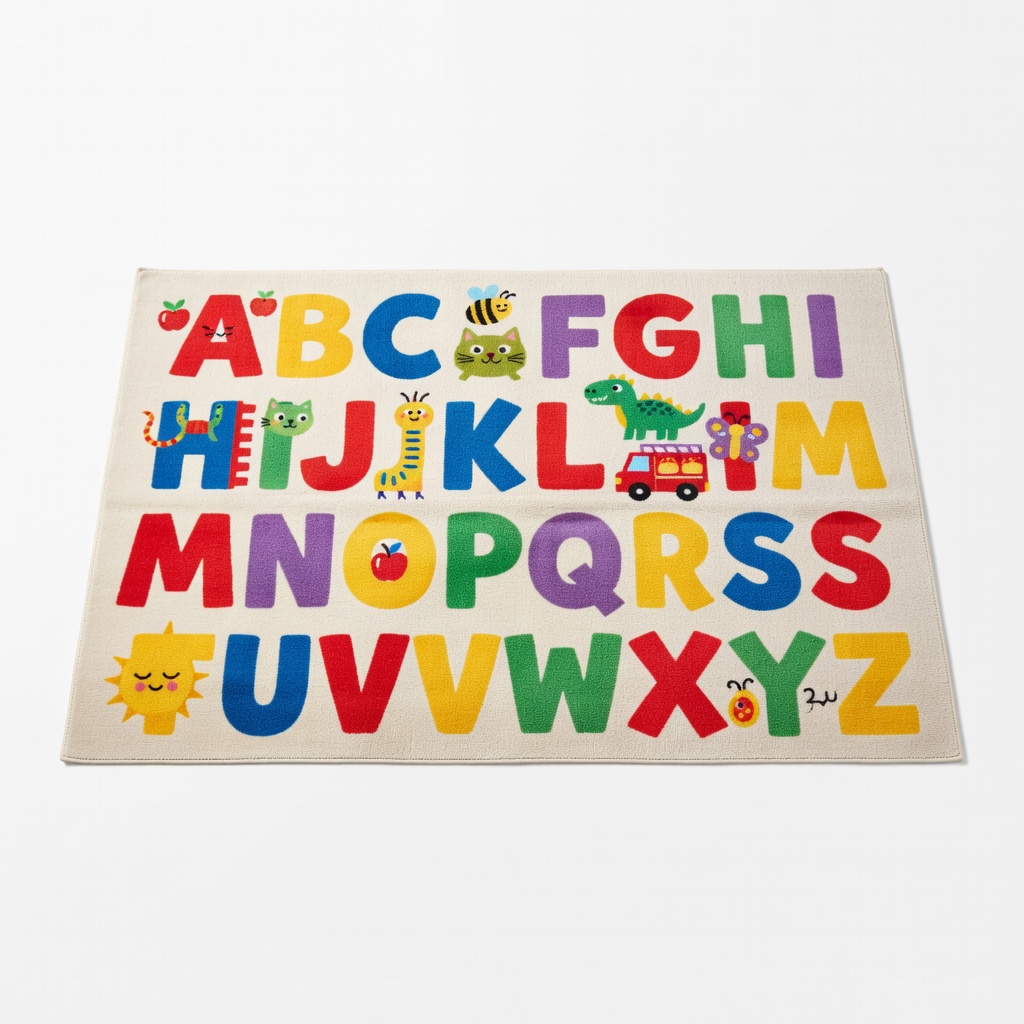
Quiet centers like books or puzzles.
Joy Carpets Kids Alphabet Rug Educational foam rug defines reading/math zones; soft and washable.