
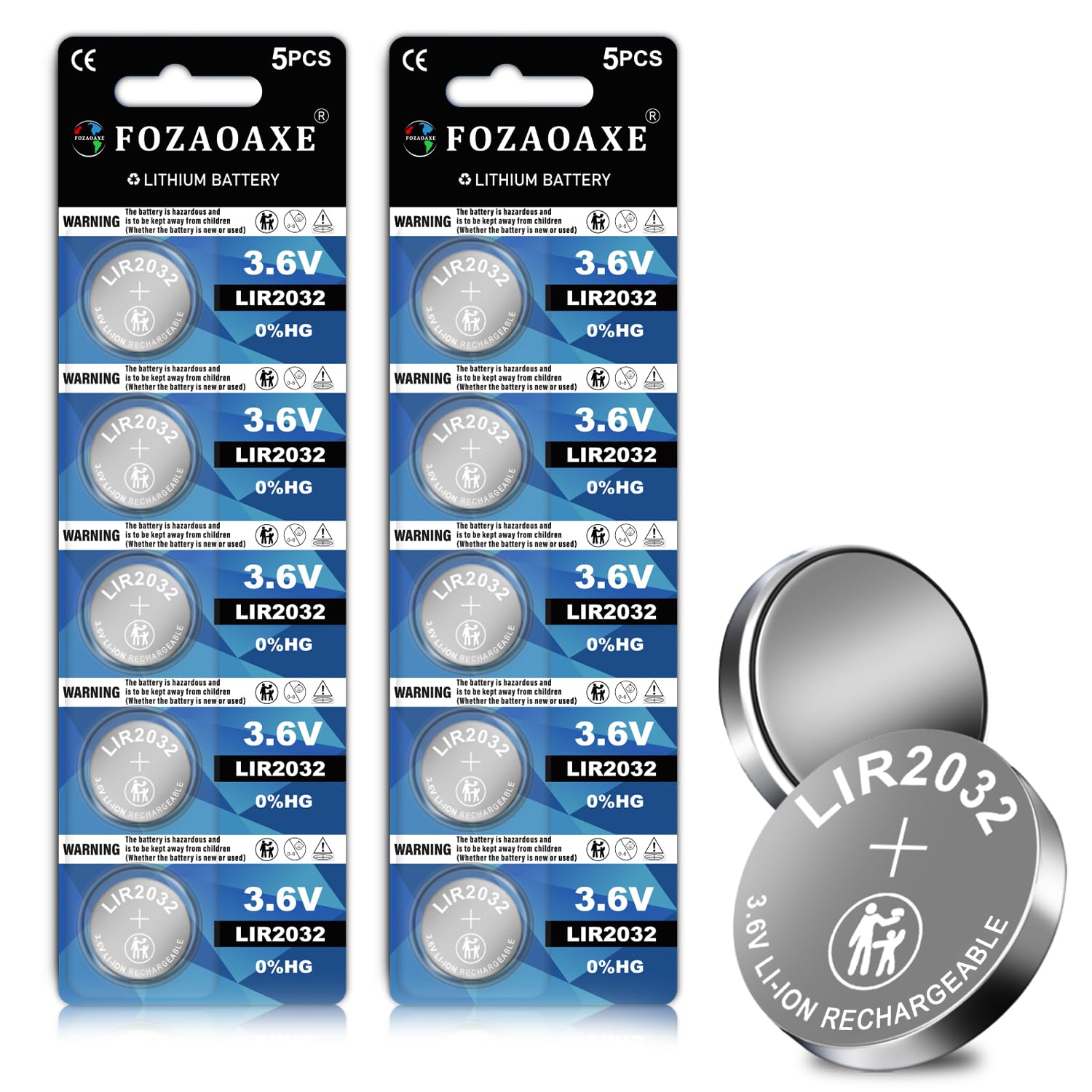
PKCELL 10x LIR2032 3.6V Rechargeable Batteries
Low-drain sensors/trackers needing 40mAh capacity.
$12.99
PKCELL 10x LIR2032 3.6V Rechargeable Batteries Reliable, high-cycle lithium coin cells perfect for solar trickle charging.
Get the App
Better experience on mobile
Learn to sustainably power low-energy devices like sensors with solar-charged 3V batteries in under 30 minutes.
Running out of battery life in remote off-grid setups? Whether you're powering IoT sensors, wildlife cameras, or GPS trackers, pairing 3V rechargeable batteries with solar chargers ensures endless runtime without grid access. This guide tackles the common frustration of mismatched voltages and inefficient charging.
You'll master selecting compatible components, safe wiring, testing, and deployment. By the end, you'll have a reliable off-grid power system ready for real-world use. Expect a straightforward process for intermediate DIYers—no advanced electronics needed.
Total setup takes 20-30 minutes, with basic soldering optional. Perfect for homesteaders, campers, or makers.
Estimated Time: 20-30 minutes Difficulty: intermediate
Start by choosing rechargeable 3V batteries like LIR2032 (nominal 3.6V, safe for 3V circuits). Avoid non-rechargeable CR2032—they can explode if charged. Check capacity (40-80mAh typical) matches your device's low drain (<1mA).
Why it matters: Voltage mismatch causes undercharging or damage. Success looks like batteries labeled 'rechargeable lithium' with a charge voltage under 4.2V.
💡 Tips:
⚠️ Warnings:
Opt for a small polycrystalline solar panel with 4-6V open-circuit voltage (Voc) and 40-100mA short-circuit current (Isc). This ensures it outputs enough for trickle charging without overvolting the battery.
Measure Voc in full sun with multimeter (>4V ideal). Expect 2-5V under load—what success looks like: Panel generates steady current matching battery's charge rate (C/10, e.g., 4mA for 40mAh).
💡 Tips:
Use multimeter to confirm: Battery full charge ~3.6-4.1V; panel Voc 1.5x battery voltage. Current from panel should be 0.1C of battery capacity (low for lithium coin cells).
This prevents overcharge. Success: Panel voltage slightly above battery resting voltage (3.0V).
⚠️ Warnings:
Strip 1/4 inch insulation from wires. Insert battery into holder (positive to +, negative to -). Solder or twist-connect panel positive to battery positive, negative to negative.
Use diode on positive line if no built-in (anode to panel, cathode to battery) for night protection. Tape or heat-shrink insulate. Success: Secure, polarity-marked setup with no shorts.
💡 Tips:
Place assembly in direct sun. Multimeter in series on positive lead: Expect 1-5mA current, voltage rising slowly (0.1V/hour).
Monitor temp (<40°C). Success: Battery voltage climbs to 4.0V+ over 1-2 hours without heat.
⚠️ Warnings:
Connect battery holder to device terminals. Power on—device runs while charging. For intermittents, add capacitor (100uF) parallel to battery for bursts.
Success: Device operates continuously in sun, battery holds charge overnight.
💡 Tips:
Check monthly: Clean panel, measure SoC. Full cycle: 500+ charges expected.
Success: System self-sustains for months.
Problem: No charging current
Solution: Check polarity, clean contacts, test panel Voc >4V in sun. Replace diode if faulty.
Problem: Battery overheating
Solution: Disconnect immediately; wrong voltage or short. Use multimeter to confirm <4.2V.
Problem: Voltage drops overnight
Solution: Add blocking diode or charge controller. Test self-discharge.
Problem: Slow charge in clouds
Solution: Add second panel or supercapacitor buffer. Seek larger battery.
Reliable, high-cycle lithium coin cells perfect for solar trickle charging.
Best for: Low-drain sensors/trackers needing 40mAh capacity.
Price Range: $12.99
Compact 5.5V Voc matches 3V batteries safely with good low-light performance.
Best for: DIY off-grid projects; direct connect or with diode.
Price Range: $5.99
Accurate voltage/current readings essential for safe pairing.
Best for: Testing every step; auto-ranging for beginners.
Price Range: $12.99
Adds safe CC/CV charging for 3V cells from higher voltage panels.
Best for: When panel >5V; protects against overcharge.
Price Range: $6.99 for 5-pack
Safer chemistry, 30mAh, wider temp range for harsh off-grid.
Best for: Extreme temps; longer life than lithium-ion.
Price Range: $4.95 each
Low-drain sensors/trackers needing 40mAh capacity.
PKCELL 10x LIR2032 3.6V Rechargeable Batteries Reliable, high-cycle lithium coin cells perfect for solar trickle charging.
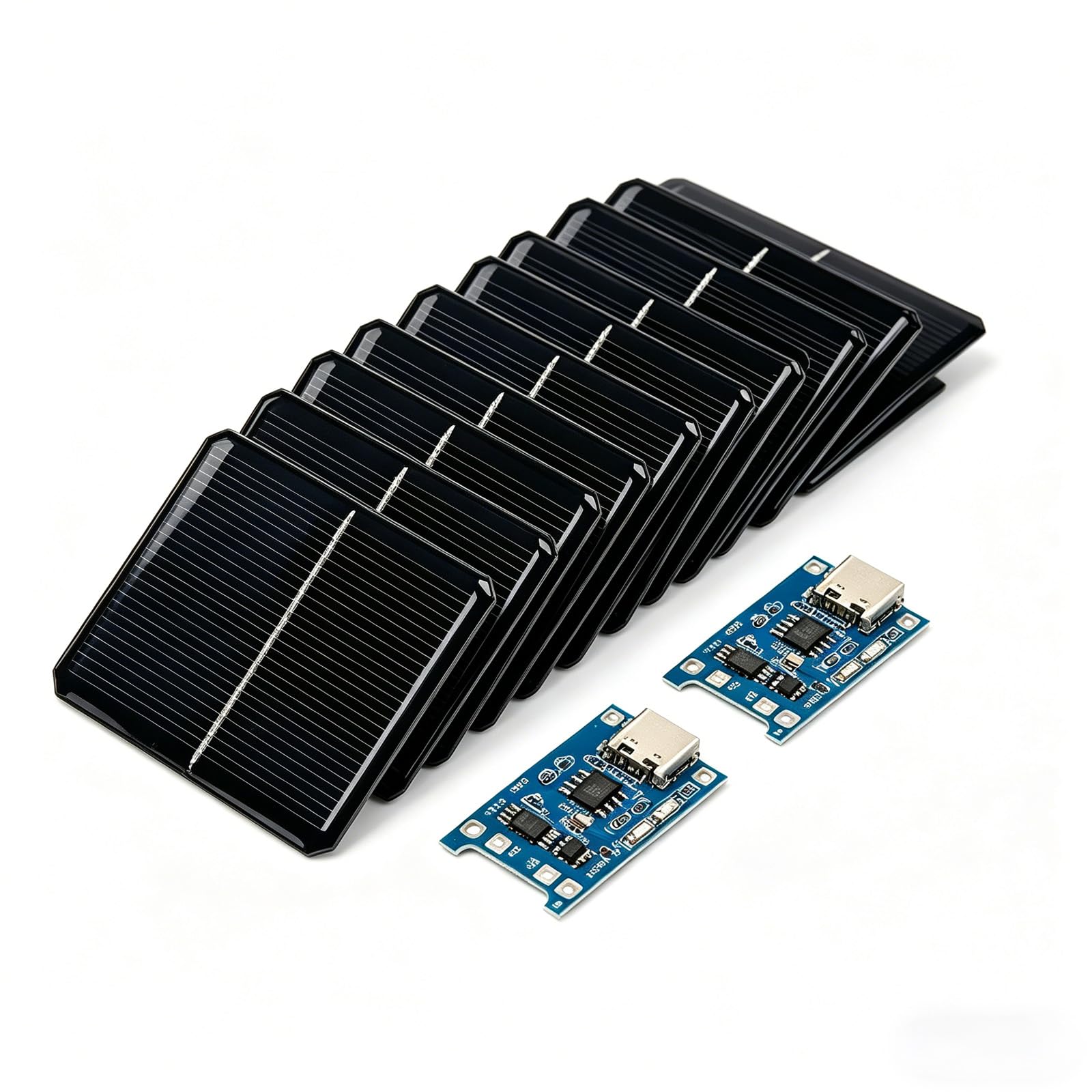
DIY off-grid projects; direct connect or with diode.
Gikfun 5V 40mA Mini Solar Panel for Arduino Compact 5.5V Voc matches 3V batteries safely with good low-light performance.
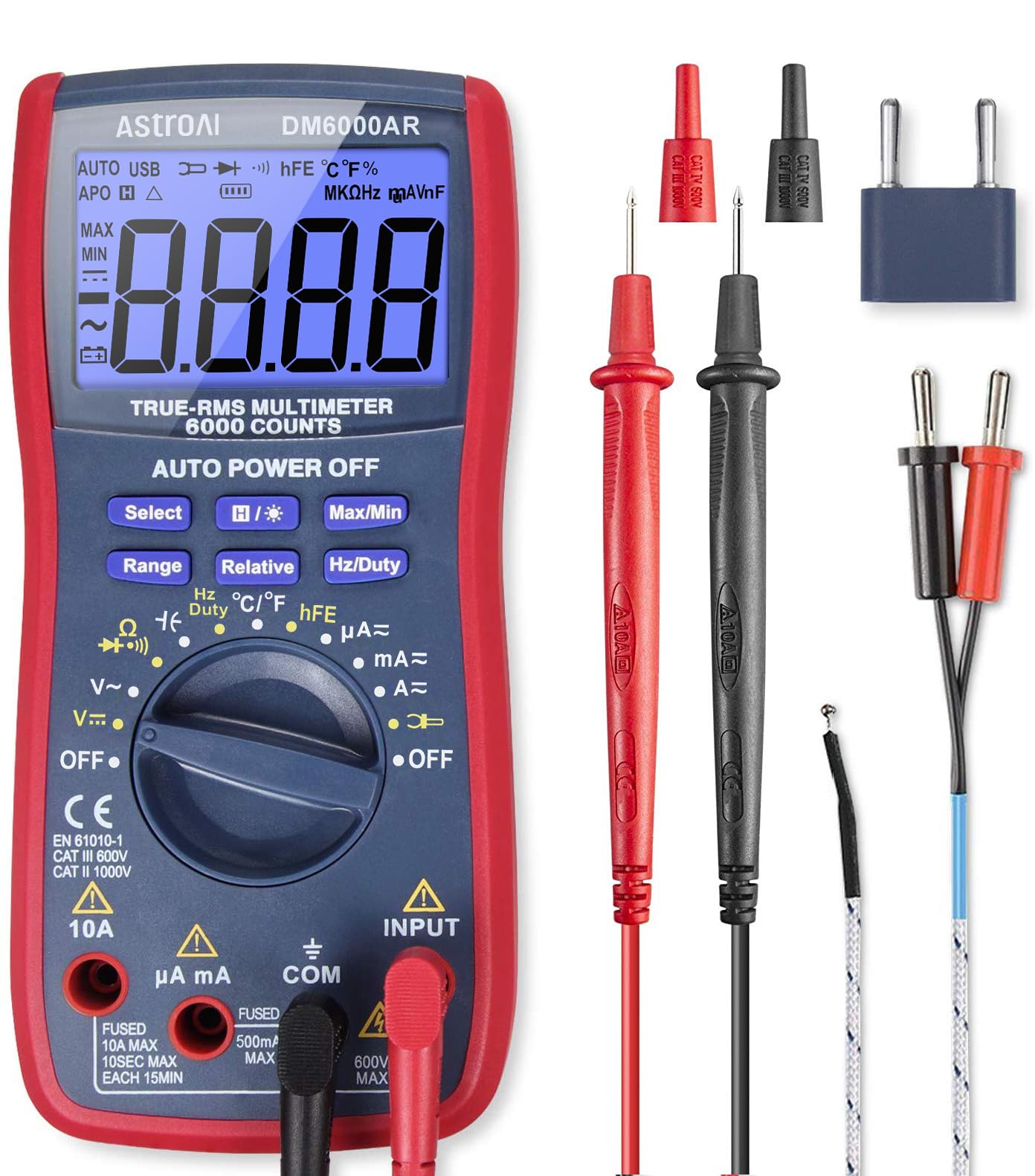
Testing every step; auto-ranging for beginners.
AstroAI Digital Multimeter TRMS 6000 Counts Accurate voltage/current readings essential for safe pairing.
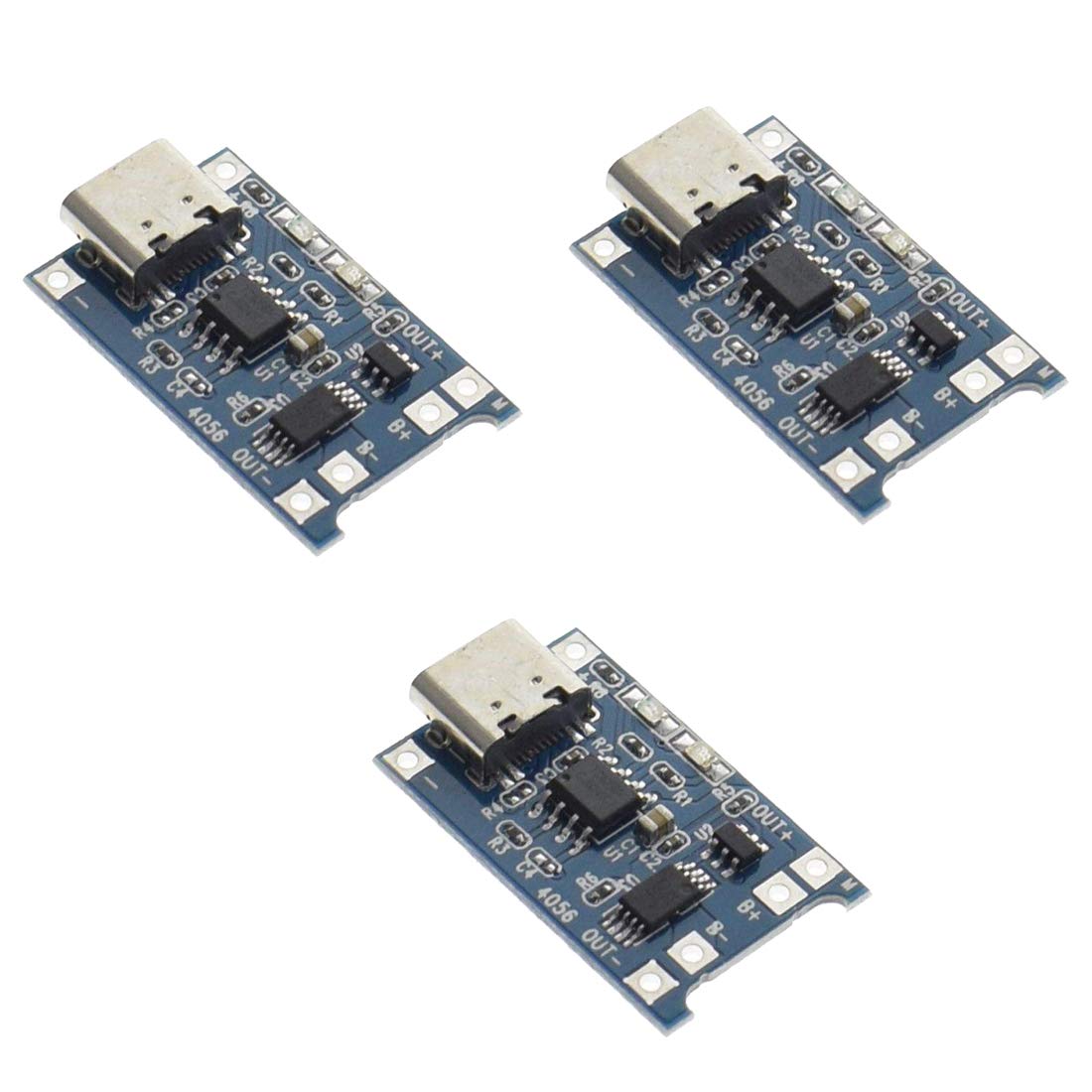
When panel >5V; protects against overcharge.
HiLetgo TP4056 Lithium Battery Charger Module Adds safe CC/CV charging for 3V cells from higher voltage panels.
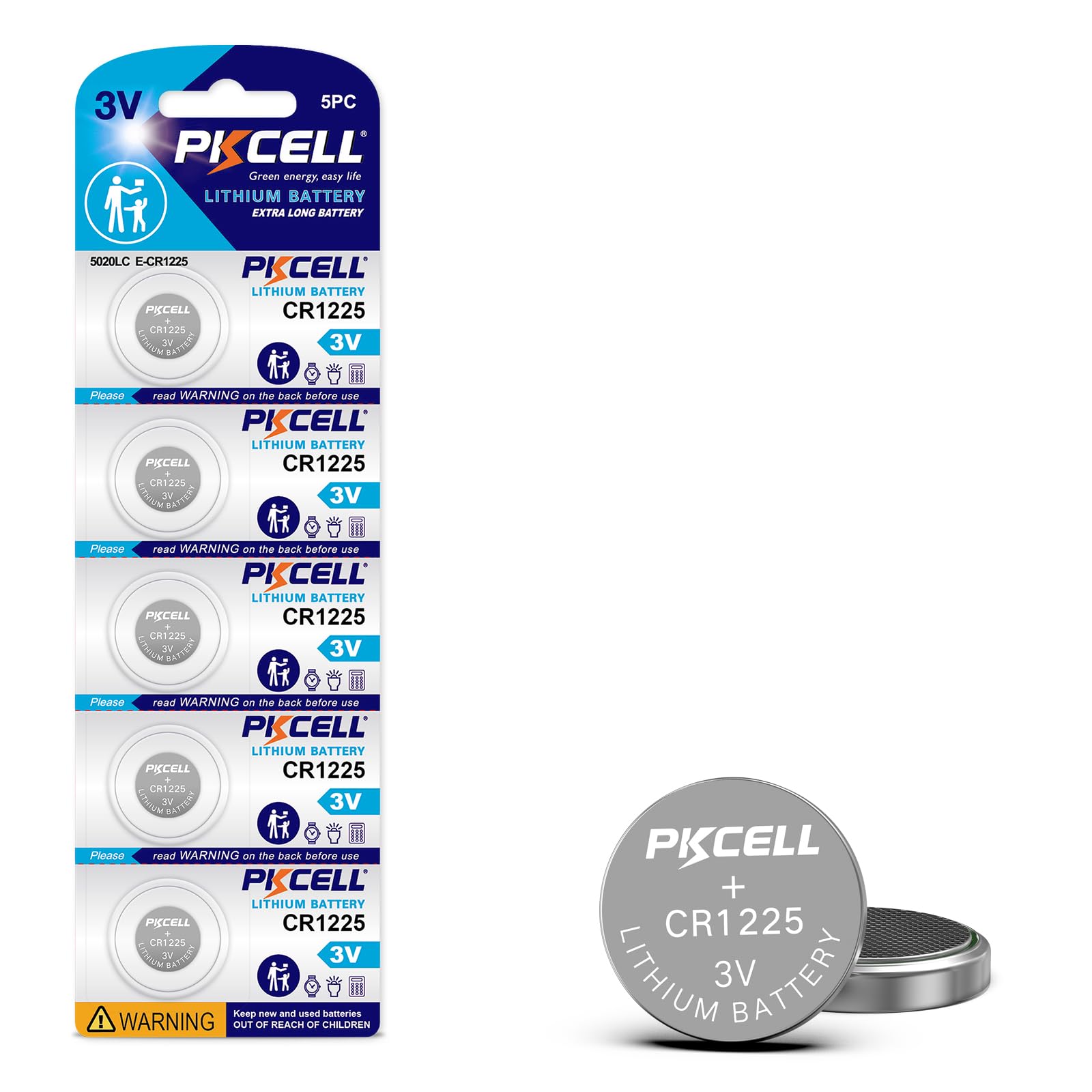
Extreme temps; longer life than lithium-ion.
BatterySpace 3V LiFePO4 Coin Cell (BR1225 equiv) Safer chemistry, 30mAh, wider temp range for harsh off-grid.