If you've ever paid a checked bag fee or waited at a baggage carousel while your trip starts without you, you know the value of efficient carry-on packing. Traveling with only a carry-on saves you money, time, and the risk of lost luggage. This minimalist guide will teach you to pack for a week (or more) using a single carry-on suitcase or backpack. You'll learn space-saving techniques like rolling, compression, and strategic organization. With practice, you can pack in under 30 minutes and never look back. Let's get started.
▸What You'll Need
- •A carry-on suitcase or backpack (22 x 14 x 9 inches or airline-approved size)
- •Packing cubes (set of 3-4, e.g., Eagle Creek or AmazonBasics)
- •Compression bags or packing cubes (optional but very helpful for bulky items)
- •Travel-size toiletries (3-1-1 TSA compliant: 3.4 oz or less each, in a quart-sized bag)
- •A lightweight, compressible daypack or tote for personal item
- •Clothing: 5-7 tops, 3-4 bottoms, 1-2 pairs of shoes, underwear, socks, and outerwear
- •Electronics: laptop/tablet, chargers, power bank (all in personal item)
- •Reusable toiletry bottles (e.g., GoToob or Humangear)
Estimated Time: 30-45 minutes for first time; 15-20 minutes once you practice.
Difficulty: beginner
▸Step-by-Step Instructions
Step 1: Choose the Right Bag
Select a carry-on suitcase or backpack that meets your airline's size restrictions (typically 22x14x9 inches). Hard-sided suitcases offer protection but less flexibility; soft-sided bags can be overstuffed slightly. If you plan to bring a personal item (like a backpack), make sure it fits under the seat (often 18x14x8 inches). Your bag should also have good zippers and handles.
Why it matters: Using the wrong size bag can lead to gate-checking or additional fees. The right bag sets the foundation for efficient packing.
💡 Tips:
- •Check your airline's dimensions for both carry-on and personal item before packing.
- •Consider a bag with a built-in compression strap or expandable section.
⚠️ Warnings:
- •Avoid bags with external pockets that might snag or exceed size limits.
Step 2: Plan Your Outfits (Mix and Match)
Write down the number of days you'll be traveling. Aim to pack 5-7 tops and 3-4 bottoms (pants, skirts, shorts) that can all mix and match. Choose a neutral color palette (e.g., black, gray, navy, white) so every top works with every bottom. Include one versatile pair of shoes (comfortable walking shoes) and a second pair if needed (e.g., dress shoes or sandals).
Why it matters: Planning prevents overpacking. By mixing and matching, you create dozens of outfits from a few pieces. Lay out all items first to see if they coordinate.
💡 Tips:
- •Pack one or two 'statement' accessories (a scarf, a necklace) to change up looks.
- •Use the '3-3-3' rule: 3 tops, 3 bottoms, 3 pairs of shoes for a week (adjust as needed).
⚠️ Warnings:
- •Don't pack outfits for every single day; rewear items several times.
Step 3: Roll Your Clothes
Fold each garment loosely (not perfectly) and roll it tightly from bottom to top. For wrinkle-prone fabrics like dress shirts or linen, use a semi-roll: fold neatly and then roll. Rolling saves space and reduces wrinkles compared to folding. It also makes it easier to see everything at a glance when packing cubes are used.
Why it matters: Rolling can save up to 50% more space than folding. Clothes are less likely to shift during transit. You'll be able to fit more items without exceeding weight limits.
💡 Tips:
- •For bulky sweaters, roll them first and then place them in a compression packing cube.
- •Roll underwear and socks inside the roll to save space.
⚠️ Warnings:
- •Do not roll jeans too tightly; they can retain wrinkles. Instead, fold them neatly.
Step 4: Use Packing Cubes
Place your rolled clothes into packing cubes by category (e.g., one cube for tops, one for bottoms, one for underwear/socks). Use different sizes: small cubes for underwear, medium for tops, large for pants. Compression cubes have a second zipper that squeezes out air, making items even flatter.
Why it matters: Packing cubes keep your bag organized and make unpacking a breeze. You can pull out a cube without disturbing the rest. Compression cubes reduce volume by up to 50% for soft items.
💡 Tips:
- •Label cubes (or use color-coded ones) so you know which is which.
- •Place cubes upright in the suitcase like file folders for easy access.
⚠️ Warnings:
- •Don't overstuff cubes; they need room to compress properly.
Step 5: Pack Heavy Items at the Bottom (Near the Wheels)
Place heavy items like shoes, toiletry bag, and electronics (if not in personal item) at the bottom of the suitcase, near the wheels. This lowers the center of gravity and makes the bag easier to roll. It also prevents clothes from being crushed.
Why it matters: Top-heavy bags are unstable and may tip over. Distributing weight evenly also helps avoid the bag being flagged for being overweight at the scale.
💡 Tips:
- •Put each shoe in a disposable shower cap or shoe bag to keep dirt off clothes.
- •If you bring a hair dryer or flat iron, place it near the bottom.
⚠️ Warnings:
- •Do not put liquids (shampoo, etc.) under heavy items; they might leak. Wrap them in a plastic bag.
Step 6: Fill Gaps with Soft Items
Stuff socks, underwear, scarves, or belts into any gaps between cubes and along the sides. Use these small items to fill corners and prevent shifting during travel. Roll them tightly or tuck them into shoes.
Why it matters: Empty space allows clothes to move and wrinkle. Filling gaps maximizes space and stabilizes the load. Every inch counts in a carry-on.
💡 Tips:
- •Use a flat pouch for belts or jewelry and slide it against the side wall.
- •Fold your empty daypack or tote and place it on top of the cubes.
⚠️ Warnings:
- •Avoid putting sharp objects (like belt buckles) directly against clothes; wrap them.
Step 7: Pack Toiletries According to TSA Rules
All liquids, gels, and aerosols must be in containers of 3.4 ounces (100ml) or less and fit inside one quart-sized (1 liter) clear plastic bag. Place this bag in an easily accessible outer pocket or on top of your suitcase for quick removal at security. Solid toiletries (toothpaste tabs, shampoo bars) are not restricted.
Why it matters: Getting stopped at TSA wastes time and may result in confiscated items. Having liquids accessible speeds up the screening process.
💡 Tips:
- •Use reusable silicone travel bottles (like GoToob) and label them to avoid confusion.
- •Bring a small empty water bottle to fill after security.
⚠️ Warnings:
- •Do not pack a full-size shampoo bottle even if it looks small; it must be 3.4 oz or less.
Step 8: Wear Your Bulkiest Items
On travel day, wear your heaviest shoes, jacket, and any bulky clothing. This frees up significant space in your carry-on and can even save weight. If you're going from cold to warm, wear layers that you can remove during the flight.
Why it matters: A heavy jacket and boots can take up more than a quarter of your suitcase space. Wearing them not only saves space but also keeps you warm on the plane. It's a classic minimalist travel hack.
💡 Tips:
- •Choose a jacket with large pockets to store chargers, a book, or snacks.
- •If traveling with a coat, choose one that compresses well (down vs. wool).
⚠️ Warnings:
- •Don't wear multiple layers that make you uncomfortably warm during security lines.
Step 9: Use Compression Bags for Bulky Items
For bulky items like sweaters, hoodies, or winter coats, use compression bags (either manual roll or vacuum-sealed). Manual compression bags require rolling to push air out through a one-way valve. These don't need a vacuum cleaner and work great for travel.
Why it matters: Compression bags reduce volume by about 50-70% for soft items. They're ideal for packing outerwear or dirty laundry on the return trip.
💡 Tips:
- •Keep your packing cubes; use compression bags only for the bulkiest items.
- •Use one compression bag for dirty clothes on the way back – keep it separate from clean items.
⚠️ Warnings:
- •Do not compress delicate fabrics (silk, special synthetics) too much; they may get damaged.
Step 10: Optimize Your Personal Item
Your personal item (backpack, tote, briefcase) should hold items you need during the flight: electronics, entertainment, snacks, medications, and valuables. Keep it organized with small pouches or a tech organizer. Place your laptop in a padded sleeve for protection.
Why it matters: Your personal item is not just a bonus; it's a strategic second bag. Proper organization makes you efficient at security and comfortable on the plane. Plus, you can use it as a day bag at your destination.
💡 Tips:
- •Keep your TSA liquids bag on top inside the personal item for quick access.
- •Use a crossbody bag with multiple compartments to distribute weight and stay hands-free.
⚠️ Warnings:
- •Don't overload your personal item; it must fit under the seat in front of you.
Step 11: Do a Final Test and Adjust
Close your suitcase and lift it. Does it feel too heavy? Open it and redistribute items. Also, check that the bag isn't bulging at the top (if so, remove an item or re-roll). Place it in your airline's sizer if you have one. Finally, attach a luggage tag with your contact info.
Why it matters: A well-packed bag should close easily without excessive strain on zippers. Feeling the weight and checking dimensions prevents surprises at the gate.
💡 Tips:
- •Weigh your bag with a portable luggage scale to ensure it's under the limit (usually 22 lbs / 10 kg for carry-on).
- •Keep a small bag of underwear and a shirt in your personal item in case your carry-on gets gate-checked.
⚠️ Warnings:
- •Don't overstuff; if the zipper is difficult to close, you risk it breaking during travel.
▸Pro Tips
- •Use a color-coordinated wardrobe: stick to 2-3 colors so everything matches easily.
- •Pack a foldable tote or daypack inside your luggage for extra shopping or beach trips.
- •Stuff your shoes with small items like socks, charger cables, or even a rolled belt.
- •Use a laundry bag or small dry bag to separate dirty clothes from clean ones.
- •Place a dryer sheet inside packing cubes to keep clothes fresh.
- •Take a picture of your packed bag before leaving, so you can remember how to repack for return.
- •If you're unsure about an item, leave it behind – you can buy almost anything at your destination.
▸Common Mistakes to Avoid
- •Overpacking 'just in case' items: Most people wear only 50-60% of what they bring.
- •Not checking airline dimensions: Many budget airlines have stricter carry-on sizes.
- •Packing too many shoes: Shoes are heavy and take up space. Stick to 2 pairs max.
- •Forgetting TSA liquid rules: Large toiletries get confiscated; always use travel sizes.
- •Leaving empty space: Fill gaps to prevent shifting and wrinkling, but avoid overstuffing.
▸Troubleshooting
Problem: My bag is over the weight limit.
Solution: Transfer heavy items (like a book, jacket, or shoes) to your personal item. Alternatively, wear your heaviest items on the plane.
Problem: My clothes get wrinkled despite rolling.
Solution: Use a travel-sized wrinkle release spray (like Downy Wrinkle Releaser) or hang clothes in the bathroom while you shower.
Problem: My liquids leaked in transit.
Solution: Place each liquid bottle inside a separate zip-top bag and then into the quart bag. Better: use solid toiletries (shampoo bars, toothpaste tablets) to avoid liquids entirely.
Problem: I forgot something important.
Solution: Most destinations have stores where you can buy essentials. Alternatively, borrow from your accommodation. Make a packing list for next time.
Eagle Creek Pack-It Cube Set
These lightweight, durable packing cubes are the standard for travel organization. They come in multiple sizes and have a mesh top for visibility.
Best for: Perfect for keeping rolled clothes separated and compressed. Great for frequent travelers.
Price Range: $35-$50
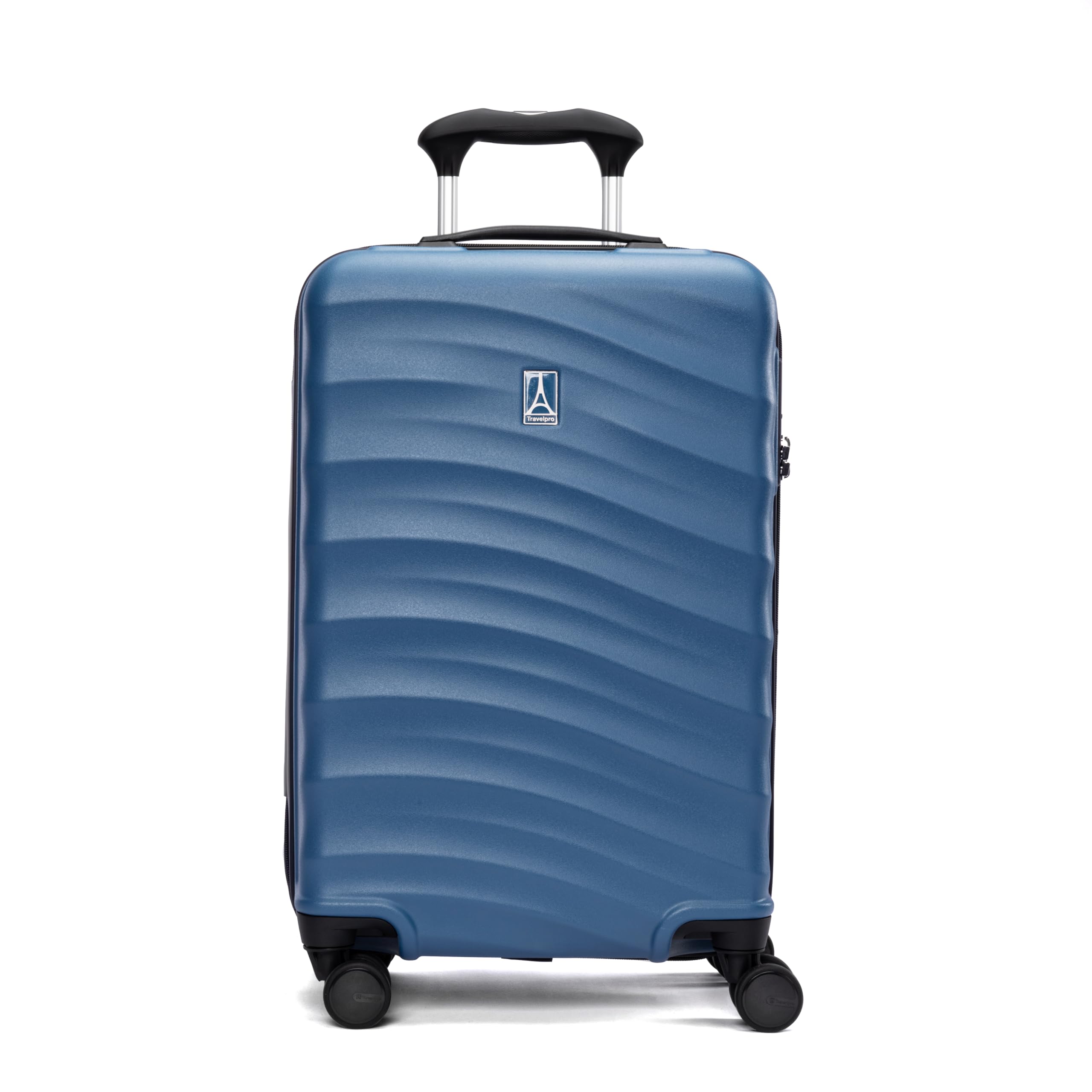
Travelpro Maxlite 5 Carry-On Spinner Suitcase
A lightweight, durable carry-on with a built-in compression system and smooth spinner wheels. It meets most airline size requirements.
Best for: Ideal for business trips or vacations where you need a sturdy yet light suitcase.
Price Range: $140-$180
Gonex Compression Packing Cubes
These affordable compression cubes use a double-zipper system to squeeze out air. They can compress clothes to half their size.
Best for: Best for bulky items like sweaters, hoodies, or heavy pants. Budget-friendly alternative to Eagle Creek.
Price Range: $15-$25
Humangear GoToob Travel Bottles
Silicone, leak-proof, and TSA-approved, these bottles have a large opening for easy filling and cleaning. They come in 3 oz sizes.
Best for: Perfect for transferring your regular shampoo, conditioner, and lotion into carry-on-friendly containers.
Price Range: $12-$20 for 3-pack
Osprey Ultralight Stuff Pack
A packable, lightweight daypack that folds into its own pocket. Weighs only 2.4 oz and can hold up to 15 liters.
Best for: Great as a personal item or for use at your destination. Stash it in your carry-on for extra shopping space.
Price Range: $30-$40