Self-doubt can feel like a constant shadow, holding you back from pursuing dreams, speaking up, or even getting out of bed. Whether stemming from past experiences like abuse or everyday pressures, it erodes your self-worth and keeps you stuck. The good news? Daily affirmations are a proven, science-backed tool to rewire your mindset and foster lasting confidence.
In this beginner-friendly guide, you'll learn how to identify your self-doubt patterns, craft personalized affirmations, and integrate them into a simple daily routine. By following these steps, you'll start noticing reduced negative self-talk and increased self-belief within a week. No prior experience needed—this takes just 10-15 minutes daily and builds over time.
Expect gradual shifts: consistency is key, but even small daily wins compound into real change.
▸What You'll Need
- •A quiet space for reflection (anywhere calm)
- •Notebook or journal (required for writing affirmations)
- •Timer or phone app for 5-10 minute sessions
- •Optional: Affirmation cards or guided journal
- •Prerequisite: Open mind and willingness to practice daily
Estimated Time: 10-15 minutes daily (first setup: 30 minutes)
Difficulty: beginner
▸Step-by-Step Instructions
Step 1: Identify Your Self-Doubt Triggers
Start by pinpointing what sparks your self-doubt. Grab your notebook and jot down 3-5 situations where you feel inadequate, like 'I doubt my skills at work' or 'I feel unworthy after criticism.' Be honest—this awareness is the foundation for effective affirmations.
Why it matters: Self-doubt often hides in specific triggers rooted in past experiences. Naming them reduces their power. Expect to feel vulnerable at first, but this clarity sets you up for targeted change.
Spend 5 minutes free-writing without judgment.
💡 Tips:
- •Do this in the evening when reflections are fresh.
- •Use prompts like 'What story do I tell myself?'
⚠️ Warnings:
- •Avoid self-criticism during this step—observe without judging.
Step 2: Understand How Affirmations Rewire Your Brain
Affirmations are positive, present-tense statements that replace negative thoughts. Science shows they activate the brain's reward centers, reducing stress hormones like cortisol over time (backed by studies from Carnegie Mellon).
Read examples: 'I am capable and strong' instead of 'I'm not good enough.' This step builds buy-in so you commit. Expect initial skepticism—it's normal; persistence pays off.
💡 Tips:
- •Watch a 2-minute YouTube explainer on neuroplasticity for motivation.
Step 3: Craft 5 Personalized Affirmations
Turn your triggers into affirmations. For each doubt, write a counter-statement: If 'I'm not smart enough,' affirm 'I am intelligent and learn quickly.' Make them specific, positive, and believable—start small.
Why it matters: Personal ones resonate deeper than generics. Aim for 1-2 sentences each. Test by saying aloud; tweak if they feel forced. Success: You have 5 affirmations that feel empowering.
💡 Tips:
- •Use 'I am' structure. Include sensory words like 'feel confident.'
⚠️ Warnings:
- •Don't force overly ambitious ones; build gradually.
Step 4: Set Up Your Daily Affirmation Routine
Choose a consistent time, like morning or bedtime. Stand in front of a mirror, make eye contact, and repeat each affirmation 3-5 times slowly. Speak with conviction—volume helps.
Why it matters: Routine builds habit (21 days to automate per research). Pair with deep breaths for calm. Expect awkwardness first week; it smooths out.
💡 Tips:
- •Record yourself on your phone for playback.
Step 5: Incorporate Affirmations Throughout the Day
Beyond routine, use mini-sessions: Post-it notes on your mirror, phone wallpaper, or say one before challenges. Integrate into walks or commutes.
Why it matters: Repetition reinforces neural paths. Track moments you catch and redirect doubt. Success: Affirmations pop up naturally.
💡 Tips:
- •Set phone reminders for 3 daily pings.
⚠️ Warnings:
- •Don't overwhelm—start with 2-3 integrations.
Step 6: Track Your Progress Weekly
End each week noting wins: 'Felt more confident in meeting' or rate doubt 1-10. Adjust affirmations as needed.
Why it matters: Visibility motivates. Celebrate small shifts. Expect ups/downs—progress isn't linear.
💡 Tips:
- •Use a simple app or journal table.
Step 7: Strengthen with Visualization and Gratitude
Enhance by visualizing success after affirmations, then list 3 gratitudes. This amplifies positivity.
Why it matters: Combines techniques for faster results. End routine feeling uplifted.
💡 Tips:
- •Visualize 1 minute vividly.
▸Pro Tips
- •Say affirmations in present tense for immediacy.
- •Pair with music or nature sounds for engagement.
- •Share one with a trusted friend for accountability.
- •Start your day with them to set positive tone.
- •Breathe deeply: Inhale truth, exhale doubt.
- •Customize for abuse recovery: Affirm safety and worth.
- •Use voice memos if mirror feels intimidating.
▸Common Mistakes to Avoid
- •Using generic affirmations—make them personal to connect.
- •Inconsistent practice—missed days undo momentum; commit to streaks.
- •Expecting instant change—give it 21 days minimum.
- •Saying without emotion—infuse feeling for impact.
- •Ignoring triggers—revisit step 1 monthly.
▸Troubleshooting
Problem: Affirmations feel fake or trigger more doubt
Solution: Soften them (e.g., 'I am learning to trust myself') and practice shorter sessions. Build belief gradually.
Problem: Forgetting to practice daily
Solution: Link to existing habits like brushing teeth; use app reminders.
Problem: No noticeable change after a week
Solution: Review tracking—adjust and persist. If rooted in trauma, seek therapist.
Problem: Overwhelmed by negative thoughts
Solution: Combine with mindfulness apps. Professional help if persistent.
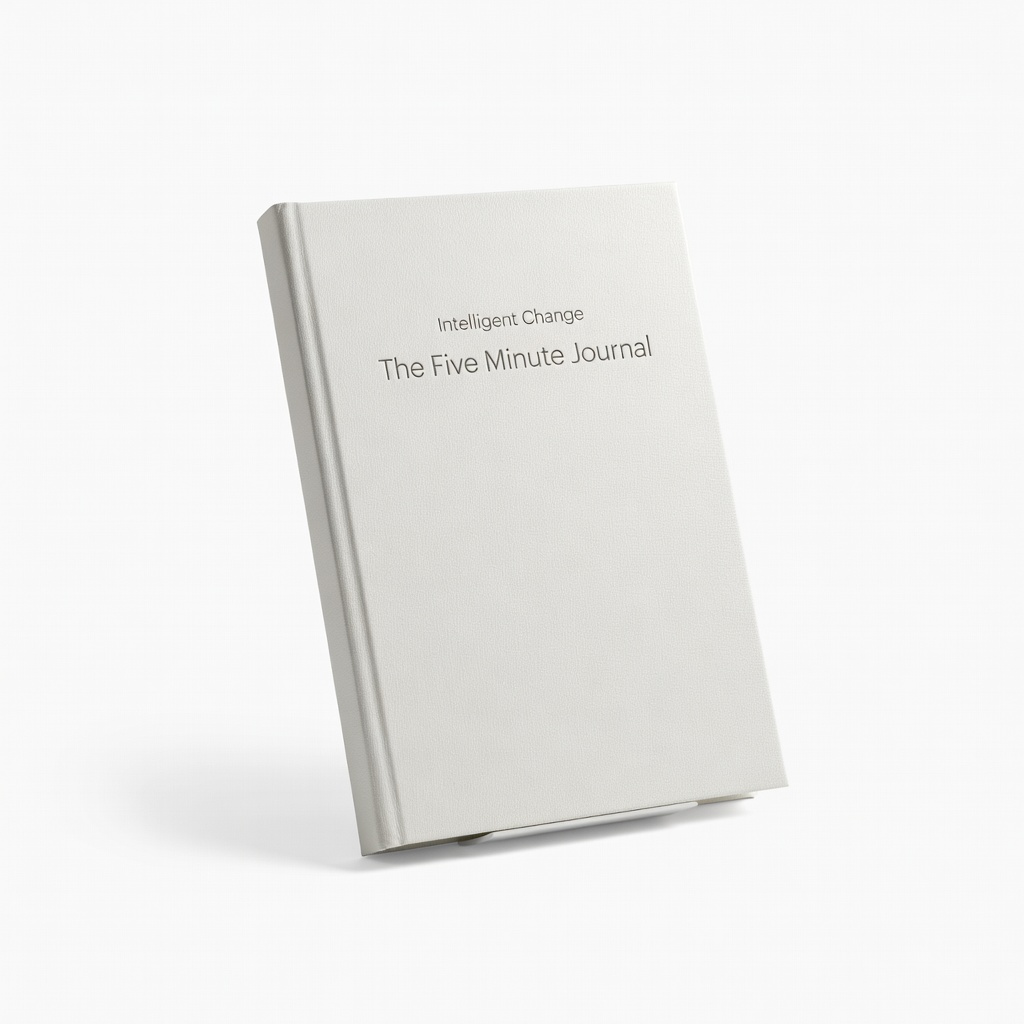
Intelligent Change The Five Minute Journal
Guided prompts for daily affirmations, gratitude, and reflection make habit-building effortless for beginners.
Best for: Morning/evening routine to track progress and reinforce affirmations.
Price Range: $25-$30
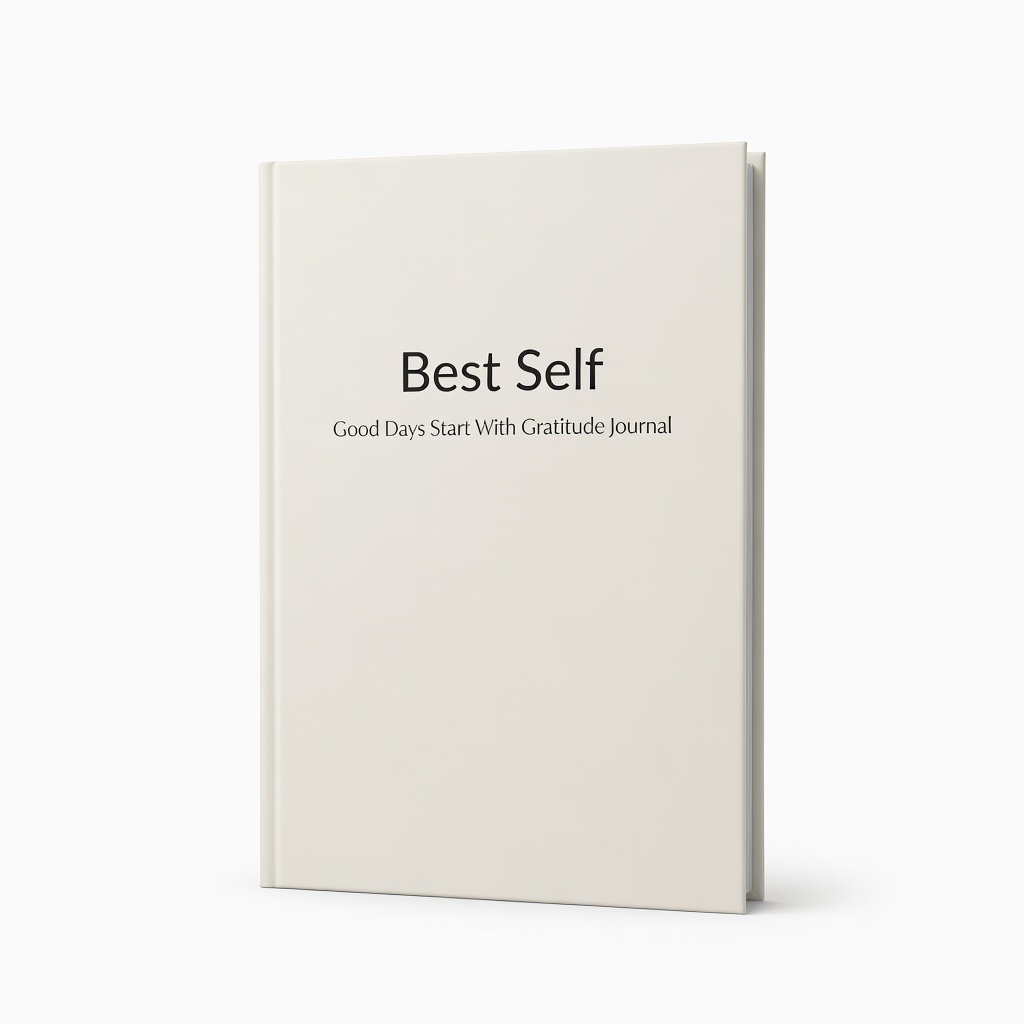
Best Self Good Days Start With Gratitude Journal
30-day structured format with self-doubt specific prompts builds consistent positivity.
Best for: Weekly progress tracking alongside custom affirmations.
Price Range: $20-$25
Modern Moments Affirmation Cards Deck
52 beautifully designed cards with empowering statements spark ideas and add variety to routines.
Best for: Daily draws when crafting personal affirmations or for quick sessions.
Price Range: $15-$20
You Are a Badass by Jen Sincero (Book)
Humorous, practical guide with affirmation exercises tailored to overcoming self-doubt.
Best for: Deepen understanding and get advanced tips post-basics.
Price Range: $10-$15