

Mac Sports Heavy Duty Collapsible Wagon
Daily transport of tools, produce, or feed on varied terrain.
$80-$100
Mac Sports Heavy Duty Collapsible Wagon Durable, folds for storage, 300 lb capacity ideal for small farm hauls.
Get the App
Better experience on mobile
Master efficient material transport for small farms to cut time, fuel costs, and waste with this actionable step-by-step guide.
On small farms, disorganized material transport—like hauling fertilizer, tools, or produce—leads to wasted time, higher fuel bills, damaged goods, and safety risks. What starts as a quick trip turns into hours of frustration, especially during peak seasons. This guide solves that by teaching you how to create a streamlined system tailored for small operations.
You'll learn to assess needs, plan routes, equip properly, and maintain everything for smooth operations. By the end, expect a repeatable process that saves 20-30% on transport time and costs. It's intermediate-level, requiring basic farm knowledge, and takes 4-6 hours to set up initially, plus 30 minutes weekly.
The process covers planning, equipment selection, loading protocols, tracking, and optimization—no fancy tech needed, just smart organization.
Estimated Time: 4-6 hours initial setup; 30 minutes weekly maintenance Difficulty: intermediate
Start by evaluating what materials you transport regularly. List items like seeds, fertilizer, hay bales, tools, or harvested produce. Note frequency (daily/weekly), volume (e.g., 500 lbs/week), distances (on-farm or to market), and terrain (hilly, muddy).
Why it matters: This prevents over- or under-equipping. Expect a 1-page summary showing patterns, like peak transport during planting season.
Tip: Walk your farm routes while noting bottlenecks.
💡 Tips:
⚠️ Warnings:
Catalog all materials with weights, sizes, and storage locations. Group similar items (e.g., all fertilizers together). Assign dedicated bins or pallets labeled by type.
This creates predictability. Success: Organized storage zones reducing search time by 50%.
Use color-coded labels for quick ID.
💡 Tips:
⚠️ Warnings:
Plot farm maps marking storage, fields, and exit points. Plan daily/weekly schedules factoring weather and peaks. Use GPS apps to optimize paths.
Why: Cuts fuel 15-20%. Expect a visual schedule board or app calendar.
Test routes with empty loads first.
💡 Tips:
⚠️ Warnings:
Choose carts, wagons, or trailers based on Step 1 data (e.g., 500 lb capacity for most small farms). Ensure compatibility with your tractor/ATV.
Success: Equipment that handles 80% of loads without strain. Check weight ratings.
💡 Tips:
⚠️ Warnings:
Create rules: Load heavy bottom, light top; distribute weight evenly. Use nets/tarps to secure. Document with photos or checklists.
Prevents spills/damage. Expect zero-load shifts after proper tie-downs.
💡 Tips:
⚠️ Warnings:
Implement logs for trips: date, load details, route time, issues. Use apps or sheets. Add GPS trackers to high-value equipment.
Tracks efficiency. Success: Data for weekly reviews.
💡 Tips:
Hold a 1-hour session demoing protocols. Quiz on safety/loading. Assign roles.
Ensures consistency. Expect smooth team ops post-training.
💡 Tips:
⚠️ Warnings:
Weekly checks: tires, straps, cleanliness. Monthly review logs for tweaks (e.g., reroute slow paths).
Keeps system reliable. Success: Continuous improvements.
💡 Tips:
Problem: Frequent breakdowns or tire flats
Solution: Inspect weekly; keep spares on hand. Use puncture-proof tires.
Problem: Loads shifting en route
Solution: Redouble securing; add dividers. Test with sudden stops.
Problem: Delays from poor planning
Solution: Review logs bi-weekly; adjust schedules dynamically.
Problem: Overloading accidents
Solution: Enforce weight checks with scales. Train on limits.
Durable, folds for storage, 300 lb capacity ideal for small farm hauls.
Best for: Daily transport of tools, produce, or feed on varied terrain.
Price Range: $80-$100
Quick-dump feature, 400 lb capacity, rust-resistant for wet materials.
Best for: Hauling mulch, manure, or gravel without unloading hassle.
Price Range: $110-$130
Waterproof, stretchy, secures irregular loads like hay bales.
Best for: Preventing shifts on open trailers during windy hauls.
Price Range: $20-$30
Tracks wagons/trailers in real-time via Find My app.
Best for: Locating misplaced equipment on large small farms.
Price Range: $70-$90
Portable, durable labels for bins/routes withstand farm conditions.
Best for: Quick organization of storage and logs.
Price Range: $25-$35
Daily transport of tools, produce, or feed on varied terrain.
Mac Sports Heavy Duty Collapsible Wagon Durable, folds for storage, 300 lb capacity ideal for small farm hauls.
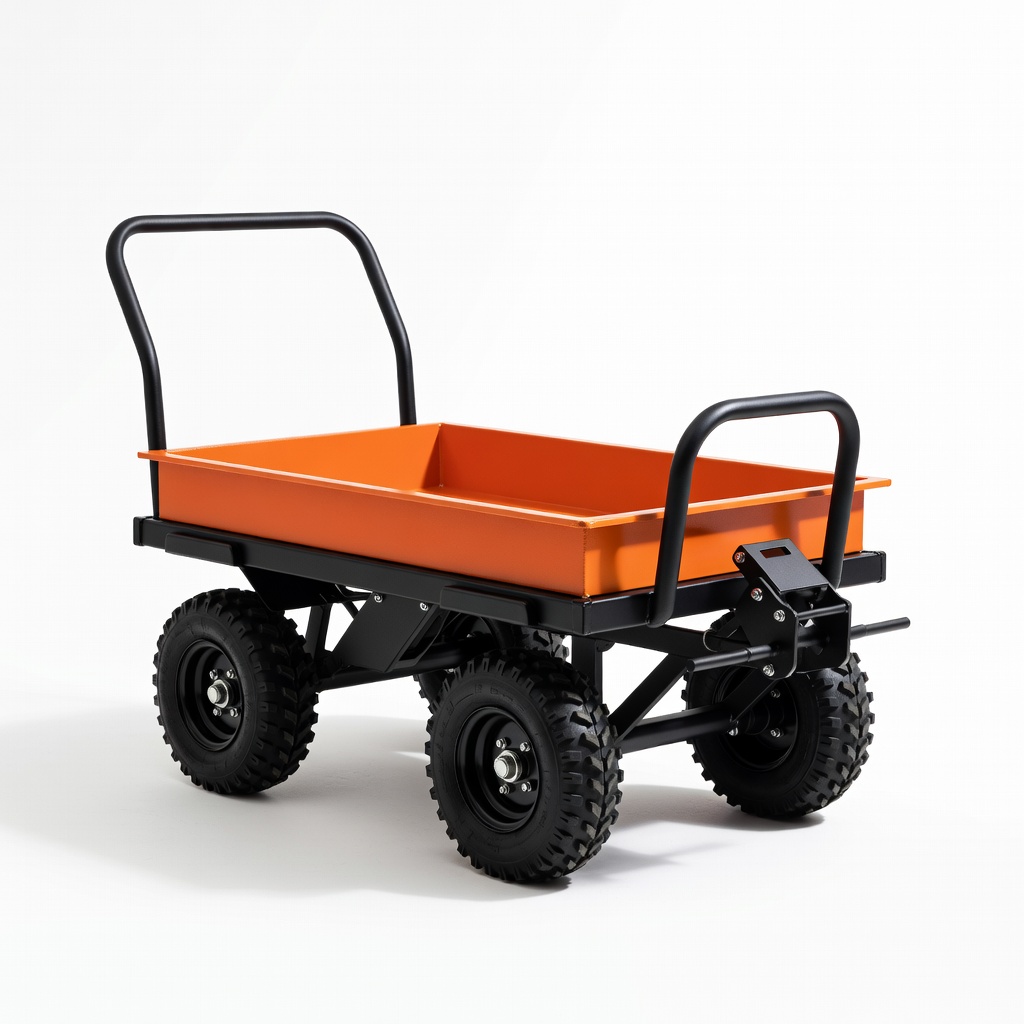
Hauling mulch, manure, or gravel without unloading hassle.
Gorilla Carts GOR4PS Steel Utility Cart Quick-dump feature, 400 lb capacity, rust-resistant for wet materials.
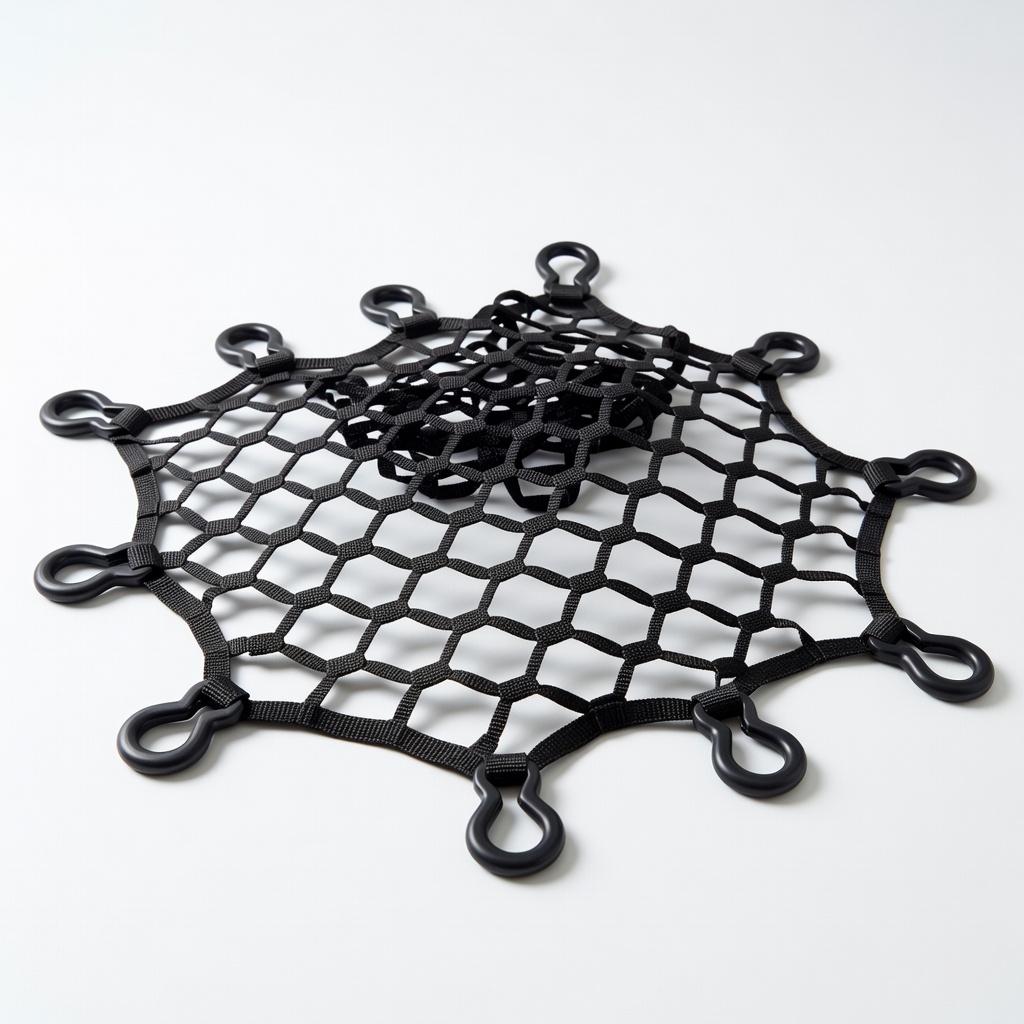
Preventing shifts on open trailers during windy hauls.
Rhino USA Heavy Duty Cargo Net Waterproof, stretchy, secures irregular loads like hay bales.

Locating misplaced equipment on large small farms.
Apple AirTag GPS Tracker (4-pack) Tracks wagons/trailers in real-time via Find My app.
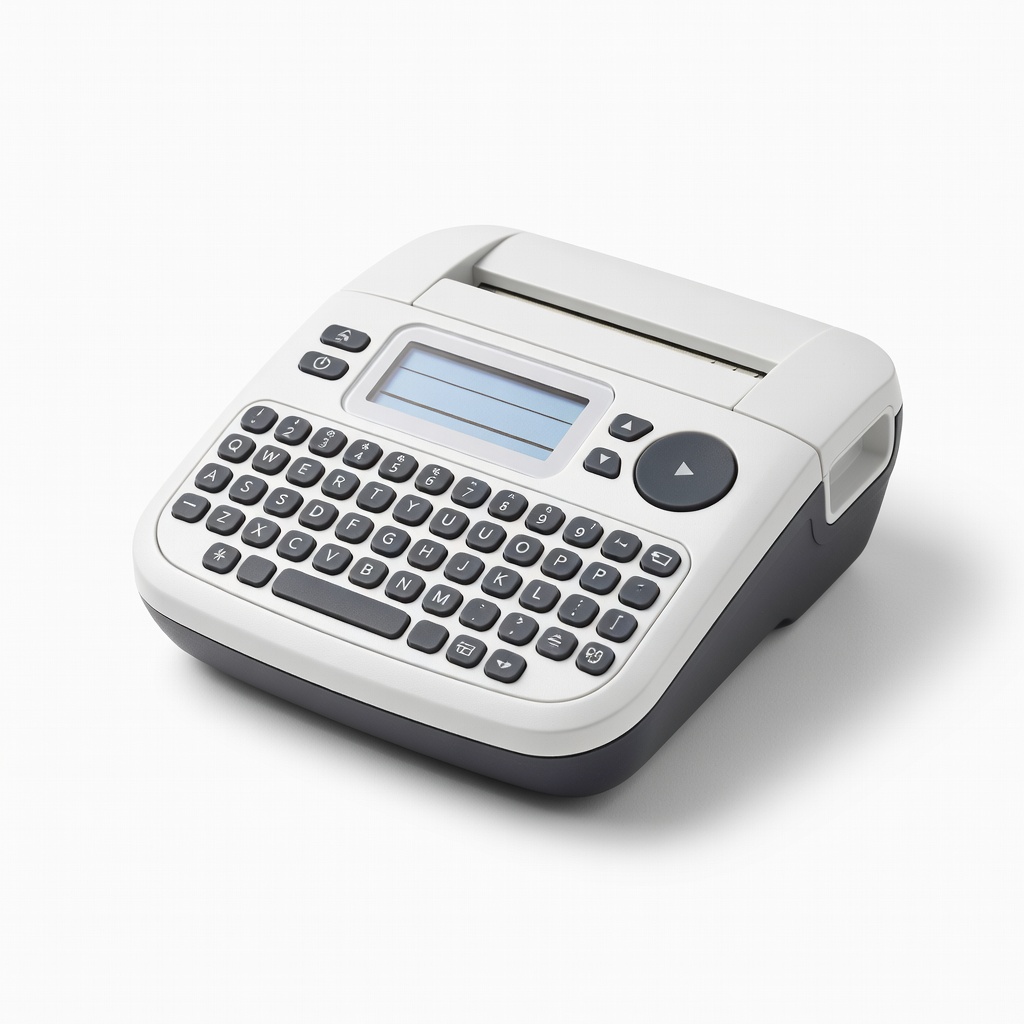
Quick organization of storage and logs.
DYMO LabelManager 160 Portable, durable labels for bins/routes withstand farm conditions.