Traveling with an accordion can be nerve-wracking—bumpy roads, airport baggage handlers, and changing climates often lead to scratches, bellows damage, or tuning issues. Poor organization turns a fun gig into a disaster. This guide solves that by teaching you how to pack professionally.
You'll learn a foolproof method to organize your accordion case, protecting every part while keeping accessories accessible. Expect 8 clear steps covering cleaning, padding, securing, and climate control. Perfect for intermediate players who gig or tour occasionally.
Total time: 30-45 minutes. Difficulty: Intermediate—no advanced tools needed, but familiarity with your instrument helps.
▸What You'll Need
- •Accordion and its hard or gig bag case (required)
- •Soft microfiber cloths (required)
- •Bubble wrap or foam padding sheets (required)
- •Accordion straps or bungee cords (required)
- •Silica gel or 2-way humidity packs (required)
- •Small zip-lock bags or pouches for accessories (required)
- •Labels or tags (optional)
- •Luggage locks (optional)
Estimated Time: 30-45 minutes
Difficulty: intermediate
▸Step-by-Step Instructions
Step 1: Clean and Inspect Your Accordion
Start by gently wiping down the entire accordion with a soft microfiber cloth to remove dust, fingerprints, and oils. Focus on keys, buttons, bellows, and bass straps. Use a slightly damp cloth for sticky spots, then dry immediately.
Inspect for loose parts, worn reeds, or damage. Why? Clean surfaces prevent dirt transfer during travel, and spotting issues early avoids worsening them. Success: Accordion looks pristine and ready.
Image description: Close-up of hands cleaning accordion keys with microfiber cloth on a table.
💡 Tips:
- •Use compressed air for hard-to-reach crevices.
- •Test all notes quickly to ensure no travel-induced issues.
⚠️ Warnings:
- •Avoid water near reeds or electronics.
Step 2: Gather and Prepare Packing Materials
Collect all items from the 'What You Need' list. Cut foam or bubble wrap to fit your case dimensions—measure bellows and body first. Why it matters: Proper materials absorb shocks; skimping leads to dents.
Organize materials nearby. Expect a workstation setup like pros use for gigs. Success: Everything laid out assembly-line style.
Image description: Table with foam sheets, bubble wrap, straps, and humidity packs arranged neatly.
💡 Tips:
- •Pre-cut padding to save time next trip.
⚠️ Warnings:
- •Don't use newspaper—it crinkles and scratches.
Step 3: Remove and Bag Accessories
Detach straps, tuner, cleaning tools, sheet music, and reeds. Place small items in zip-lock bags labeled by type (e.g., 'Extra Reeds'). Why? Loose items rattle and scratch the instrument.
Pack in dedicated case pockets if available. Success: Main body unencumbered, accessories safe.
Image description: Accordion straps and reeds in labeled zip bags.
💡 Tips:
- •Inventory accessories on a checklist photo.
Step 4: Wrap the Bellows and Body
Loosely wrap bellows folds with bubble wrap or foam, securing with soft tape if needed—don't compress tightly. Wrap the keyboard and bass sides similarly.
This cushions the most vulnerable parts against compression. Expect a padded 'cocoon' look. Success: No exposed edges.
Image description: Accordion wrapped in bubble wrap, bellows folded gently.
⚠️ Warnings:
- •Over-tight wrapping restricts bellows movement.
Step 5: Position Accordion in the Case
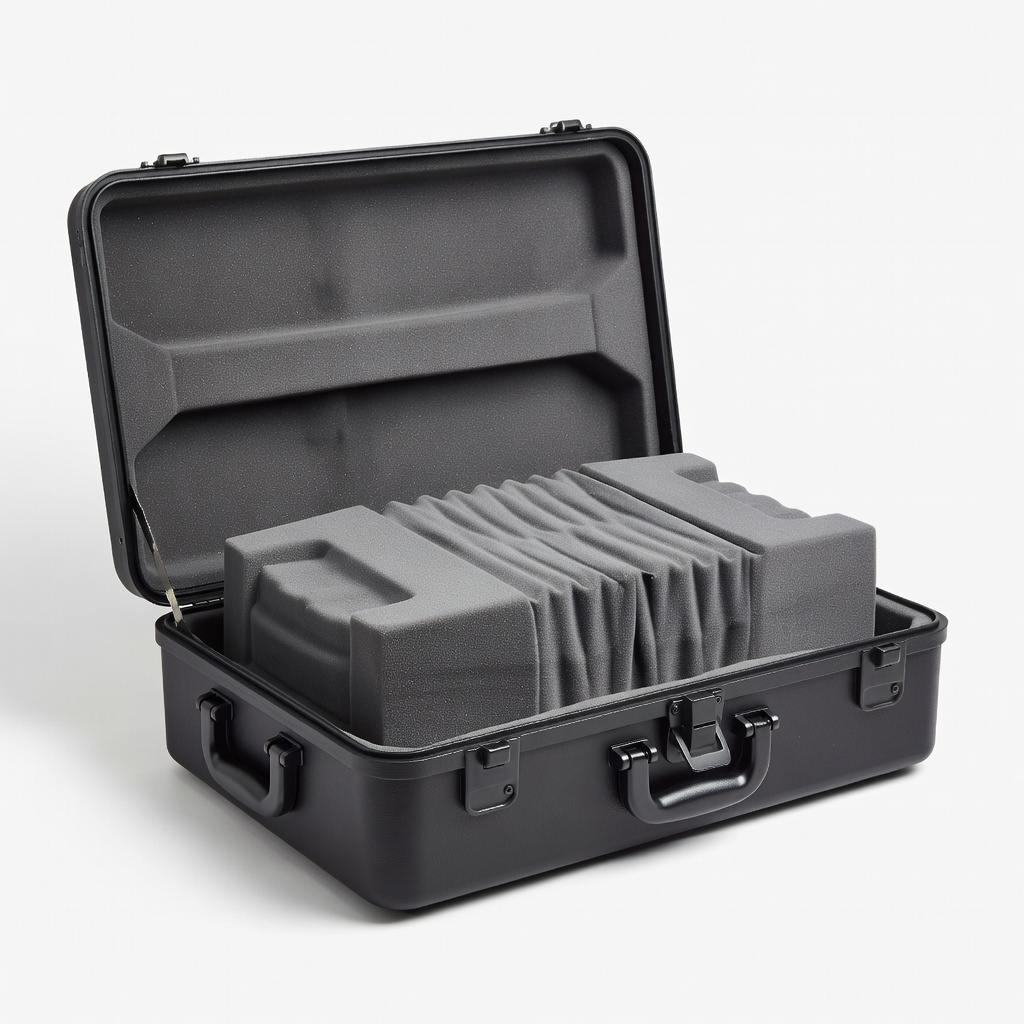
Lay the wrapped accordion in the case's main compartment, bellows folded naturally. Center it to avoid side shifts.
Why? Proper fit maximizes protection. Test by gently shaking—minimal movement means success.
Image description: Accordion placed centered in open hard case.
💡 Tips:
- •Use case's custom cutouts if it's a molded case.
Step 6: Secure with Padding and Straps
Fill gaps with crumpled foam or towels. Use straps or bungees to immobilize the instrument—cross-pattern over body and bellows.
This prevents sliding during transit. Success: Case closes easily with no wobble.
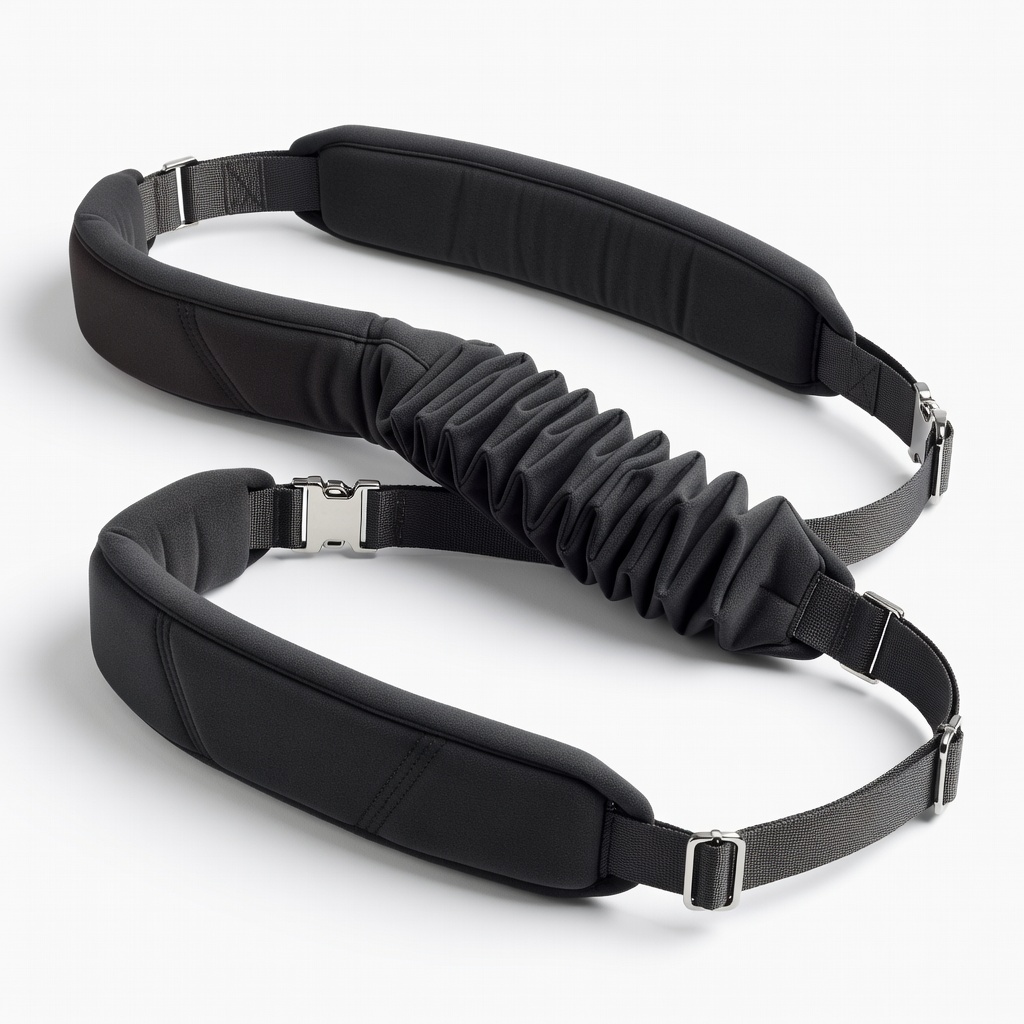
Image description: Straps criss-crossed over padded accordion in case.
⚠️ Warnings:
- •Avoid metal straps that could dent.
Step 7: Add Climate Control and Accessories
Place 2-3 humidity packs in corners (away from direct contact). Tuck bagged accessories into side pockets.
Protects against humidity swings causing wood warp or reed rust. Success: Case fully loaded, balanced.
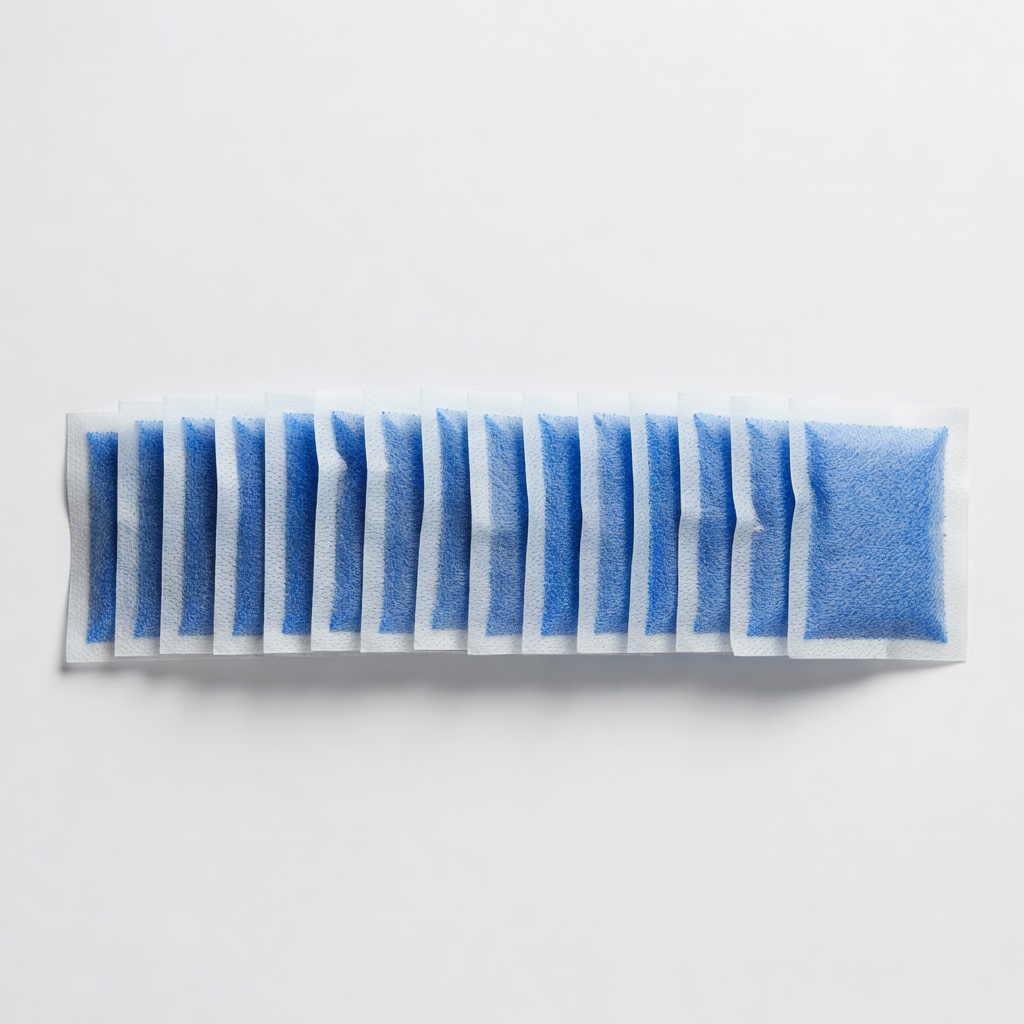
Image description: Humidity packs and pouches in case pockets.
Step 8: Label, Lock, and Final Check
Attach 'Fragile' labels and your contact info. Lock if possible, then shake-test the closed case.
Reopen to verify security. Success: Ready for airport or car travel.
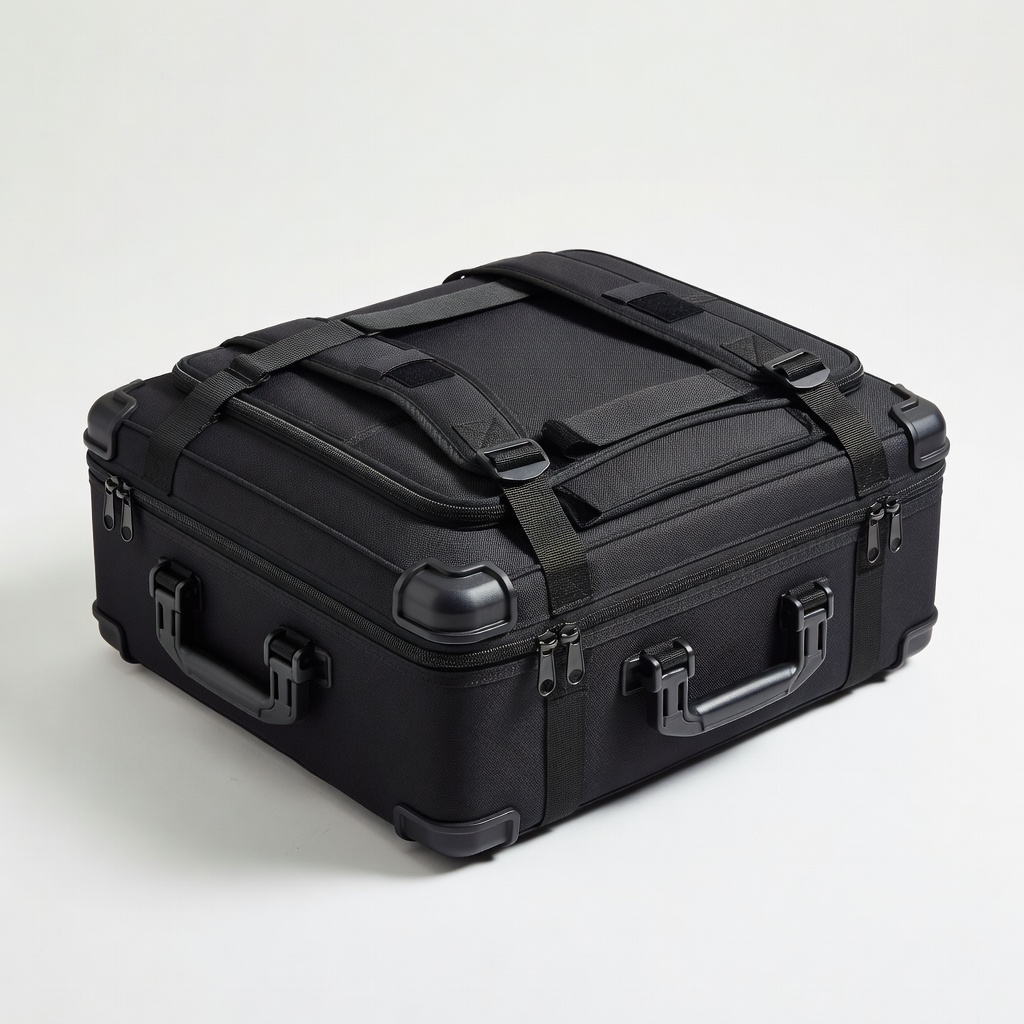
Image description: Closed labeled accordion case with locks.
💡 Tips:
- •Wheelie bag for cases without wheels.
▸Pro Tips
- •Photograph the packed case for unpacking reference.
- •Use vacuum-seal bags for sheet music to save space.
- •Invest in a case with wheels for airports.
- •Pack reeds in a dedicated hard case within the main case.
- •Climate-check before travel with a hygrometer.
- •Practice packing twice before a big trip.
- •Layer padding: soft cloth first, then foam.
▸Common Mistakes to Avoid
- •Skipping cleaning—leads to grime buildup from vibrations.
- •Overpacking accessories—causes case imbalance and zipper failure.
- •No humidity control—results in tuning instability post-travel.
- •Tight bellows wrapping—creases permanent folds.
- •Forgetting shake-test—hidden shifts cause damage.
▸Troubleshooting
Problem: Case won't close
Solution: Remove excess padding or reposition accordion; trim foam if needed.
Problem: Instrument shifts when shaken
Solution: Add more fill in gaps or tighten straps.
Problem: Humidity issues post-travel
Solution: Replace packs; use a digital hygrometer to monitor.
Problem: Accessories rattle
Solution: Use smaller pouches or add foam inside bags; seek custom inserts if recurrent.
D'Addario Humidipak Two-Way Humidity Control Pack (3-pack)
Maintains 45-50% humidity automatically, preventing wood cracking and reed corrosion during travel.
Best for: Place 2-3 packs in case corners for flights or long drives.
Price Range: $15-20
Gator Cases G-PG-ACCORDION Deluxe Accordion Case
Rugged ATA-style with custom foam, wheels, and pockets—ideal for secure organization.
Best for: Primary travel case for intermediate players gigging frequently.
Price Range: $250-300
SKB iSeries 2011-SC24 Accordion Case
Waterproof, crush-resistant with customizable foam—perfect padding base.
Best for: Airline travel where rough handling is expected.
Price Range: $400-500
Dry-Packs Blue Silica Gel Desiccant Packs (20-pack)
Absorbs moisture in humid climates; reusable indicator changes color.
Best for: Backup to humidipaks for tropical or rainy travel.
Price Range: $10-15
Neotech Mastermind Padded Accordion Straps
Soft, adjustable for securing without scratches; better than bungees.
Best for: Internal case restraint during transport.
Price Range: $30-40