Improper antifreeze concentration is a leading cause of engine overheating and freezing damage, costing thousands in repairs. Whether you're in extreme cold or need cost savings over pre-mixed coolant, custom mixing lets you dial in the exact protection your vehicle demands.
In this advanced guide, you'll learn to calculate ratios, safely mix concentrates with distilled water, and verify concentration using professional tools. Expect scientific precision without guesswork.
The process takes 30-45 minutes in a well-ventilated space. It's for those comfortable with measurements, chemistry basics, and vehicle maintenance—no beginner fluff here.
▸What You'll Need
- •Antifreeze concentrate (ethylene glycol or propylene-based, vehicle-compatible, e.g., OAT, HOAT)
- •Distilled water (not tap water—minerals cause corrosion)
- •Precise measuring container or graduated cylinder (1-5 gallon capacity)
- •Hydrometer or refractometer for antifreeze (calibrated for glycol)
- •Large mixing container (clean 5-gallon bucket with lid)
- •Stirring tool (wooden paddle or drill mixer attachment)
- •Safety gear: Nitrile gloves, safety goggles, respirator
- •Funnel for pouring
- •Optional: pH test strips, vehicle coolant spec sheet
Estimated Time: 30-45 minutes
Difficulty: advanced
▸Step-by-Step Instructions
Step 1: Determine Your Target Freeze Point
Identify the lowest temperature your area reaches using a freeze chart (e.g., 50/50 mix protects to -34°F/-37°C). Cross-reference your vehicle's manual for coolant type (e.g., Dex-Cool requires OAT concentrate).
Calculate required concentration: 40% glycol = -16°F, 60% = -50°F max (never exceed 70% to avoid reduced heat transfer). Use online calculators or formulas: % Glycol = (Desired Freeze Point from chart) / Total Volume.
Success: A specific ratio like '50% concentrate to 50% water'.
💡 Tips:
- •Download OEM spec sheet for exact chemistry match.
⚠️ Warnings:
- •Mismatch coolant type causes gelling/seals failure.
Step 2: Calculate Exact Volumes Needed
Measure your cooling system capacity (radiator + reservoir, typically 1-3 gallons). Formula: Antifreeze Volume = System Capacity × Target %.
Example: 2-gallon system at 50% needs 1 gallon concentrate + 1 gallon distilled water. Double for waste/spillage.
Success: Written measurements on paper, e.g., '1.2 gal concentrate'.
💡 Tips:
- •Add 10% buffer for top-off.
Step 3: Prepare Safe Workspace
Work outdoors or ventilated garage on non-porous surface. Wear full PPE—glycol is toxic to pets/kids.
Drain/test old coolant if flushing first. Clean mixing bucket with soap, rinse with distilled water.
Success: Gear on, area clear.
⚠️ Warnings:
- •Antifreeze ingestion fatal; dispose properly (recycle centers).
Step 4: Measure Antifreeze Concentrate
Pour concentrate into graduated container at room temp (cold thickens it). Use funnel to avoid spills.
Why: Pure concentrate is 100% glycol; accuracy prevents weak protection.
Success: Exact volume, no air bubbles.
💡 Tips:
- •Warm concentrate in hot water bath for easier flow.
Step 5: Measure Distilled Water
Add exact water volume to mixing bucket first (dilutes evenly). Verify purity—no minerals.
Why: Tap water deposits corrode engine.
Success: Combined base ready.
⚠️ Warnings:
- •Never use softened water (salts harm).
Step 6: Mix Thoroughly
Pour concentrate into water slowly while stirring vigorously 5-10 mins. Use drill mixer for homogeneity.
Why: Stratification causes uneven protection.
Success: Uniform color, no separation after 5 mins rest.
💡 Tips:
- •Mix in batches if large volume.
Step 7: Test Concentration with Refractometer
Calibrate tool per instructions (distilled water zero). Place 2 drops mix on prism, read % glycol or freeze point.
Why: Confirms accuracy; charts lie if untested.
Success: Matches target ±2%.
💡 Tips:
- •Clean prism between tests.
⚠️ Warnings:
- •Wrong scale (glycol vs. battery) skews readings.
Step 8: Adjust and Retest if Needed
Too weak? Add concentrate incrementally, remix/test. Too strong? Add distilled water.
Seal in labeled container if storing.
Success: Perfect match, ready to use.
Step 9: Fill System and Bleed Air
Pour into radiator/reservoir with engine cold. Run engine with cap off to burp air, top off.
Success: No bubbles, level stable.
💡 Tips:
- •Monitor temp gauge first drive.
▸Pro Tips
- •Always mix water first—easier incorporation.
- •Refractometer > hydrometer for precision (±1% vs. ±5%).
- •Label mixes with date/% for rotation.
- •Batch mix for multiple vehicles to save time.
- •Test pH (8-10 ideal) for silicate-free coolants.
- •Store extras frozen to extend shelf life.
- •Use apps like 'Coolant Calculator' for ratios.
▸Common Mistakes to Avoid
- •Using tap water: Causes electrolysis/corrosion—stick to distilled.
- •Eyeballing ratios: Leads to boil-over or freeze-up—measure precisely.
- •Skipping concentration test: Assumes perfection—always verify.
- •Mixing incompatible types (e.g., green + orange): Chemical reaction gels it.
- •Over-concentrating (>60%): Poor heat dissipation overheats engine.
▸Troubleshooting
Problem: Mix separates or clouds
Solution: Wrong types mixed—discard and start over with compatible concentrate.
Problem: Reading off by 5%+
Solution: Recalibrate tool or check temp (adjust for >77°F). Retest sample.
Problem: Engine overheating post-fill
Solution: Air pockets—re-bleed system or check thermostat. Verify concentration.
Problem: Foaming during mix
Solution: Pour slowly; add anti-foam if specified in concentrate.
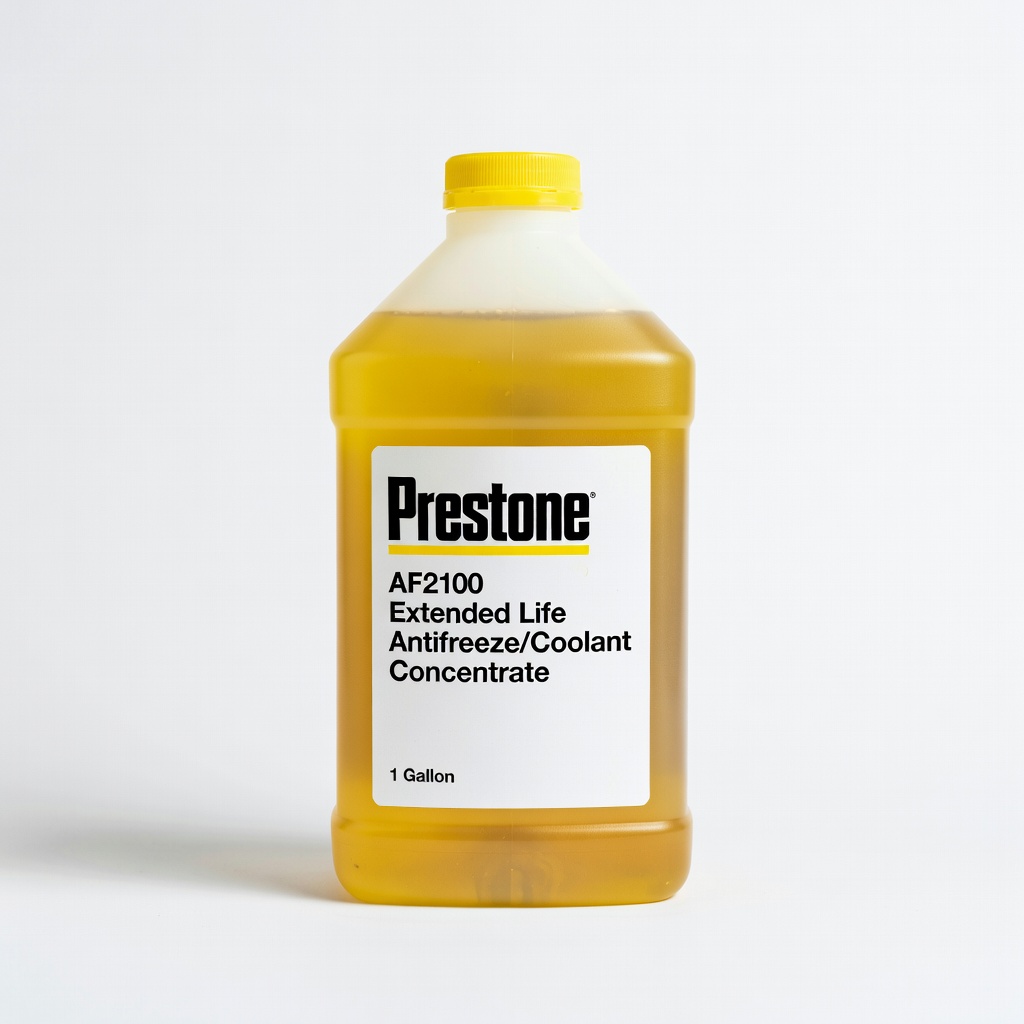
Prestone AF2100 Extended Life Antifreeze/Coolant Concentrate, 1 Gallon
Universal OAT formula mixes perfectly for most vehicles, silicate-free for modern engines.
Best for: Primary concentrate for custom ratios in cars/trucks.
Price Range: $20-25
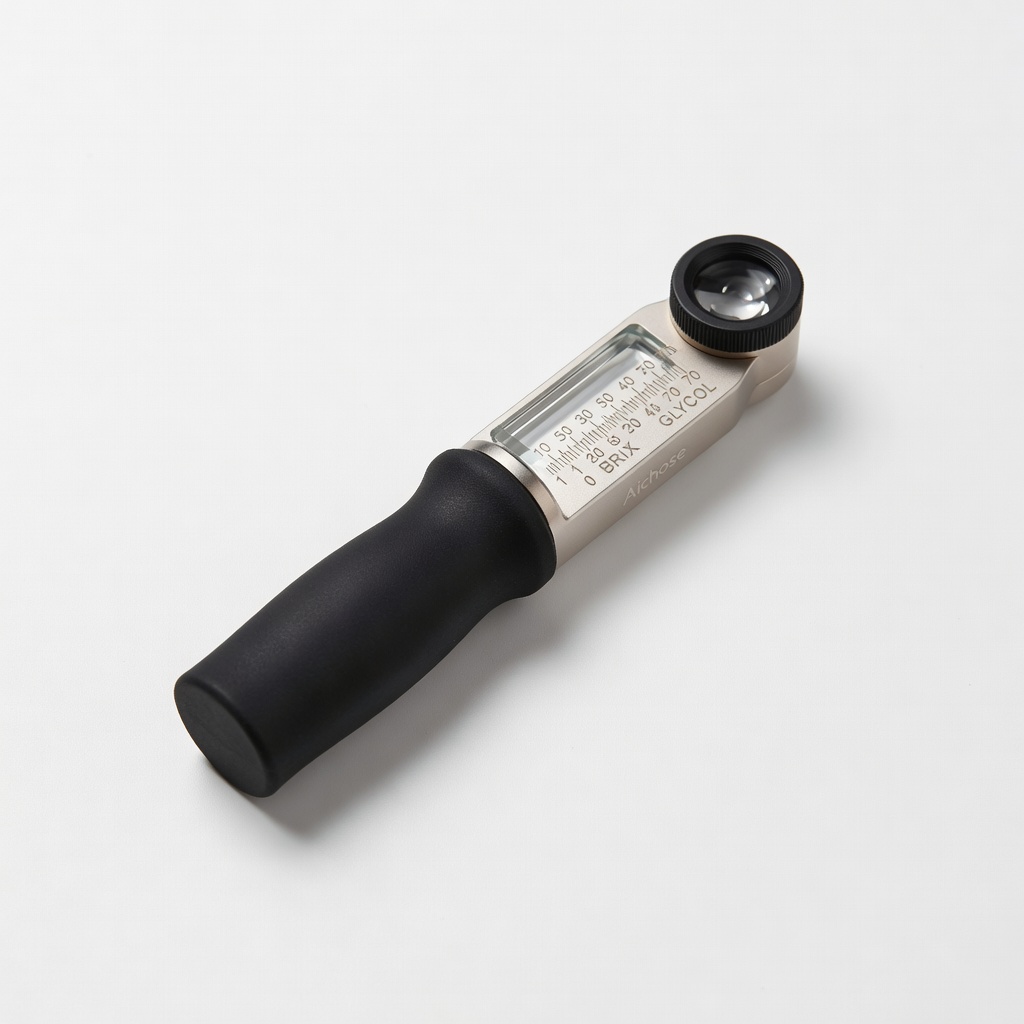
Aichose Brix Refractometer for Antifreeze 0-70% Glycol
Accurate digital readout for ethylene/propylene glycol, essential for verification.
Best for: Testing mixed concentration precisely every time.
Price Range: $25-35
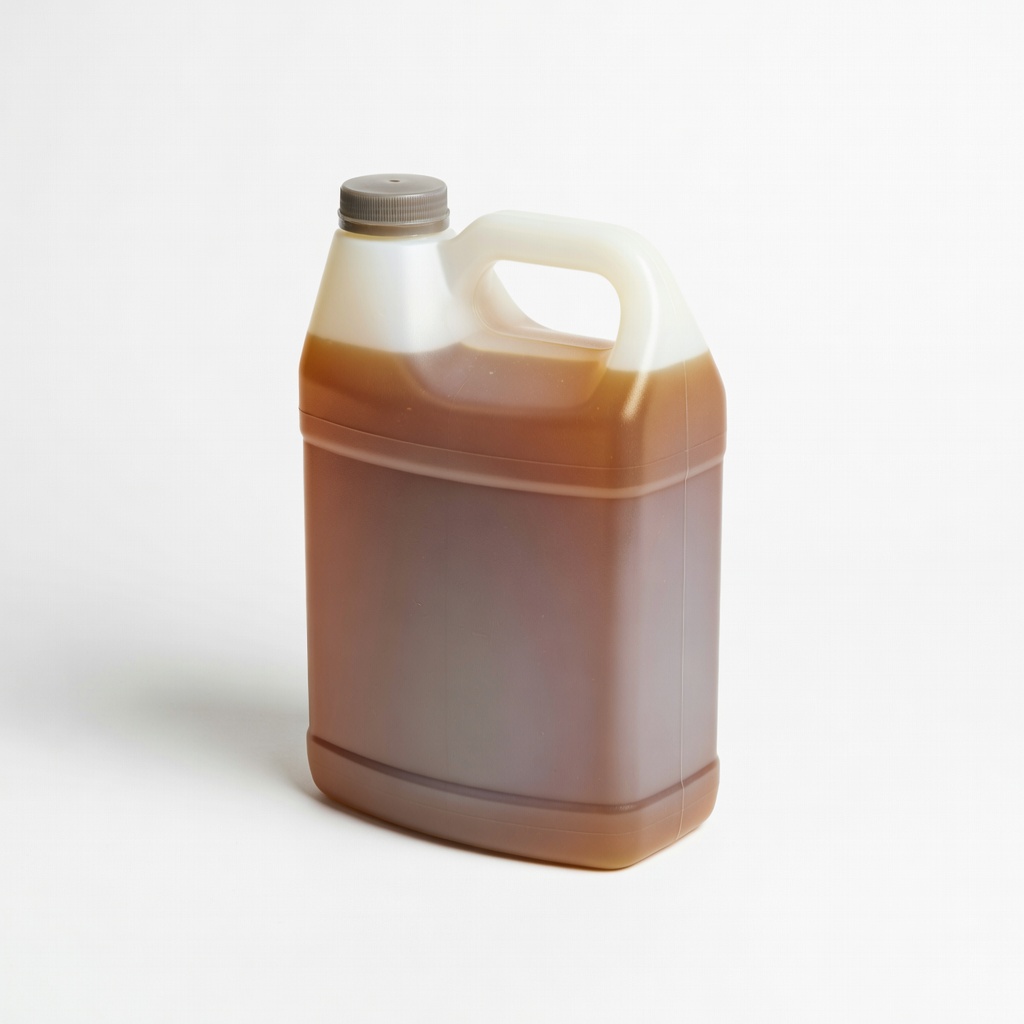
Zerex G-05 Antifreeze Coolant Concentrate, 1 Gallon
HOAT for Asian/European imports, low silicate for aluminum engines.
Best for: OEM-spec mixing for Hondas, Toyotas, etc.
Price Range: $25-30
Sterilite 5 Gallon Utility Bucket with Lid
Food-grade, durable for safe mixing/storage without contamination.
Best for: Large batches or temporary storage.
Price Range: $10-15
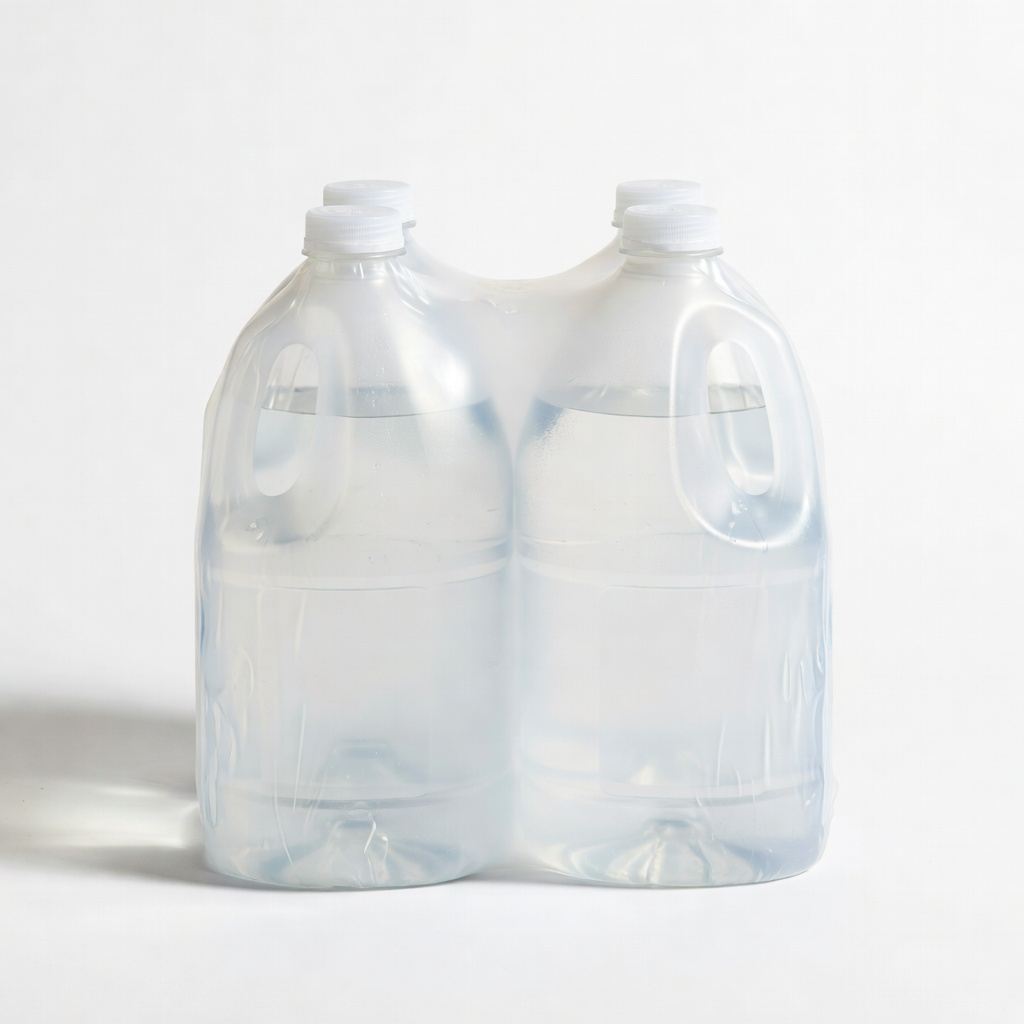
Nestle Pure Life Distilled Water, 1 Gallon (Pack of 4)
Guaranteed mineral-free for corrosion prevention.
Best for: Dilution base—buy in bulk.
Price Range: $15-20 for 4-pack