
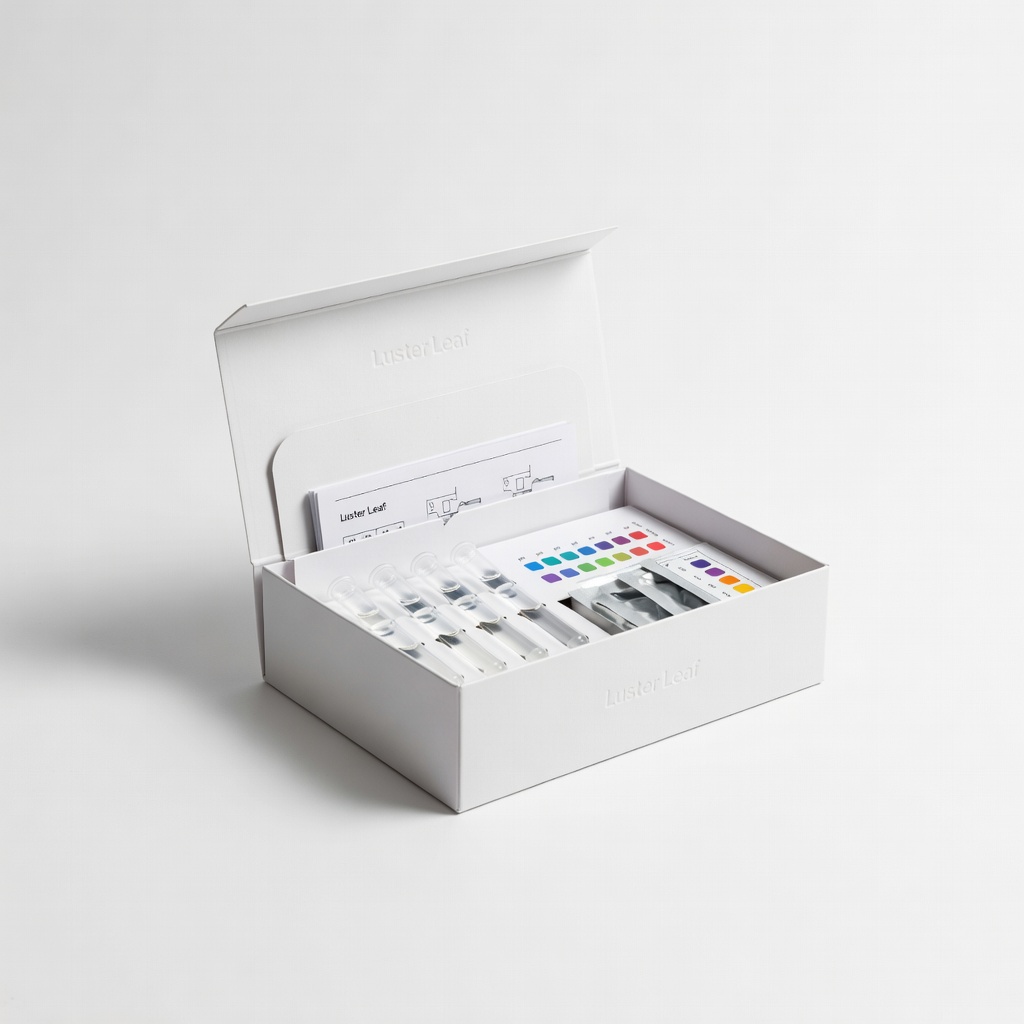
Luster Leaf Rapitest Soil Test Kit
Initial soil analysis before mixing.
$15-$20
Luster Leaf Rapitest Soil Test Kit Provides accurate pH, buffer, and nutrient tests essential for formula calculations.
Get the App
Better experience on mobile
Learn advanced techniques to create custom agricultural formulas that precisely adjust soil pH for optimal crop yields and health.
Soil pH directly impacts nutrient availability, microbial activity, and plant health. Imbalanced pH leads to deficiencies—like iron lockout in alkaline soils or aluminum toxicity in acidic ones—costing advanced farmers up to 30% in yields. This guide tackles that pain point head-on.
You'll master testing, calculating, and mixing precise formulas using lime, sulfur, and buffers. By the end, you'll have a ready-to-apply amendment tailored to your soil's buffer capacity and crop needs.
Expect 45-60 minutes for mixing (plus 24-hour settling), intermediate math, and safety precautions. Perfect for agronomists and serious homesteaders.
Estimated Time: 45-60 minutes for mixing + 24 hours settling Difficulty: advanced
Collect 10-15 soil samples from 6-8 inches deep across your field using a soil auger. Composite them into one sample (1 lb total). Air-dry if wet, then sieve to <2mm.
Mix 10g soil with 20ml distilled water (1:2 ratio) or use Adams-Evans buffer for SMP index. Test with a calibrated pH meter. Record pH and note color change for buffer (higher buffer = more amendment needed).
Success looks like: pH reading stable at 3 readings (e.g., 5.2) and buffer index calculated.
💡 Tips:
⚠️ Warnings:
Research optimal pH for your crop (e.g., 6.2-6.8 for corn, 5.5-6.5 for blueberries). Factor soil type: sandy needs less amendment than clay.
Use formula: Lime req (tons/acre) = (Target pH - Current pH) × Buffer factor × Soil texture multiplier. Example: Clay soil, buffer 7.0, from 5.0 to 6.5 = 2 tons lime/acre.
Success looks like: Custom calculation sheet with exact tons/acre.
💡 Tips:
⚠️ Warnings:
For raising pH: Calcitic lime (CaCO3, 90% purity). Lowering: Elemental sulfur (S, 90% purity, converts to H2SO4 via microbes).
Scale precise amounts: For 1 acre test plot, e.g., 50lbs lime. Verify purity on bag (ENM = effective neutralizing material).
Success looks like: Ingredients weighed and staged (e.g., 40kg lime, 10kg gypsum for Ca boost).
💡 Tips:
Clean 5-gal bucket with 10% vinegar rinse to remove residues. Add 2-3 gallons distilled water as carrier for slurry mix (improves uniformity).
Don full PPE. Pre-wet bucket to prevent dust.
Success looks like: Sanitized, water-filled bucket ready.
⚠️ Warnings:
Slowly add lime/sulfur to water while stirring with drill mixer (paddle attachment, 500rpm). Aim for smooth slurry (no clumps).
For custom balance: 70% lime + 20% gypsum + 10% micronutrient chelate if needed. Mix 10 mins.
Success looks like: Homogeneous milky slurry, pH test ~7.0 for lime mix.
💡 Tips:
Subsample slurry, test pH after 30 mins settling. Adjust: +vinegar for acidify, +baking soda for alkalize.
Recalculate if off by >0.5 units.
Success looks like: Slurry pH matches target adjustment vector.
⚠️ Warnings:
Lid and let sit 24hrs for reactions. Stir once more before use.
Label with formula, date, application rate.
Success looks like: Stable, labeled batch ready for broadcast.
💡 Tips:
Broadcast at calc rate (e.g., via spreader), incorporate 2-4 inches. Water in lightly.
Retest soil in 4-6 weeks.
Success looks like: pH shifted 0.5-1.0 unit toward target.
Problem: pH doesn't shift after application
Solution: Check incorporation depth and moisture; retest buffer. Reapply at 50% rate if dry.
Problem: Clumpy mix or dust inhalation
Solution: Pre-wet powders; upgrade to N95 respirator. Remix with more water.
Problem: Burned plants post-application
Solution: Dilute further or flush with water. Avoid hot weather apps.
Problem: Inaccurate meter readings
Solution: Recalibrate with fresh buffers; clean probe with deionized water.
Provides accurate pH, buffer, and nutrient tests essential for formula calculations.
Best for: Initial soil analysis before mixing.
Price Range: $15-$20
Digital precision for slurry and soil tests, moisture/temp bonus for advanced monitoring.
Best for: Real-time mixing adjustments.
Price Range: $10-$15
High ENM (90%+) pelletized for easy mixing, quick-reacting Ca source.
Best for: Raising pH in calcitic formulas.
Price Range: $20-$30 (40lb bag)
Organic sulfur-based for safe lowering, blends well in slurries.
Best for: Acidifying mixes for berries/acidic crops.
Price Range: $12-$18
Pure 90% S for microbial conversion, cost-effective for large batches.
Best for: Long-term pH reduction formulas.
Price Range: $15-$25 (4lb)
Initial soil analysis before mixing.
Luster Leaf Rapitest Soil Test Kit Provides accurate pH, buffer, and nutrient tests essential for formula calculations.
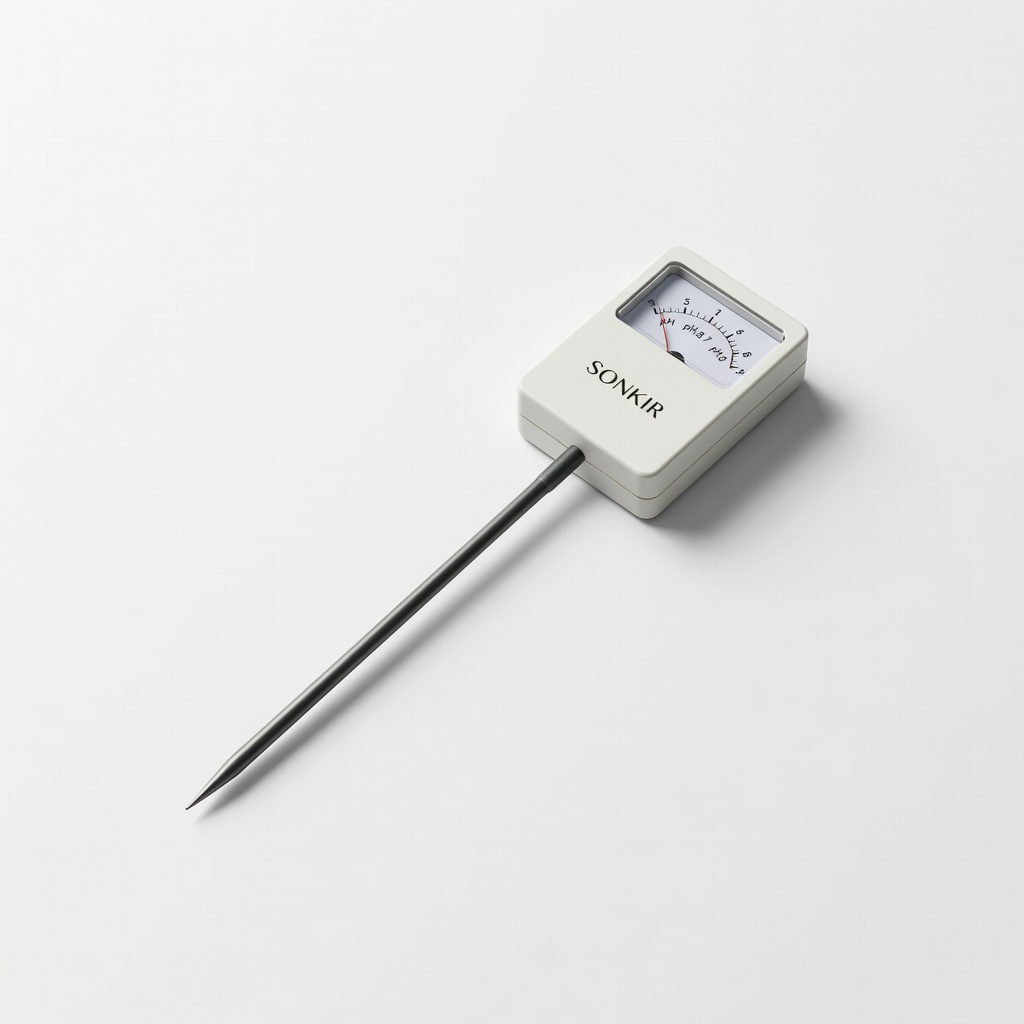
Real-time mixing adjustments.
SONKIR Soil pH Meter Digital precision for slurry and soil tests, moisture/temp bonus for advanced monitoring.
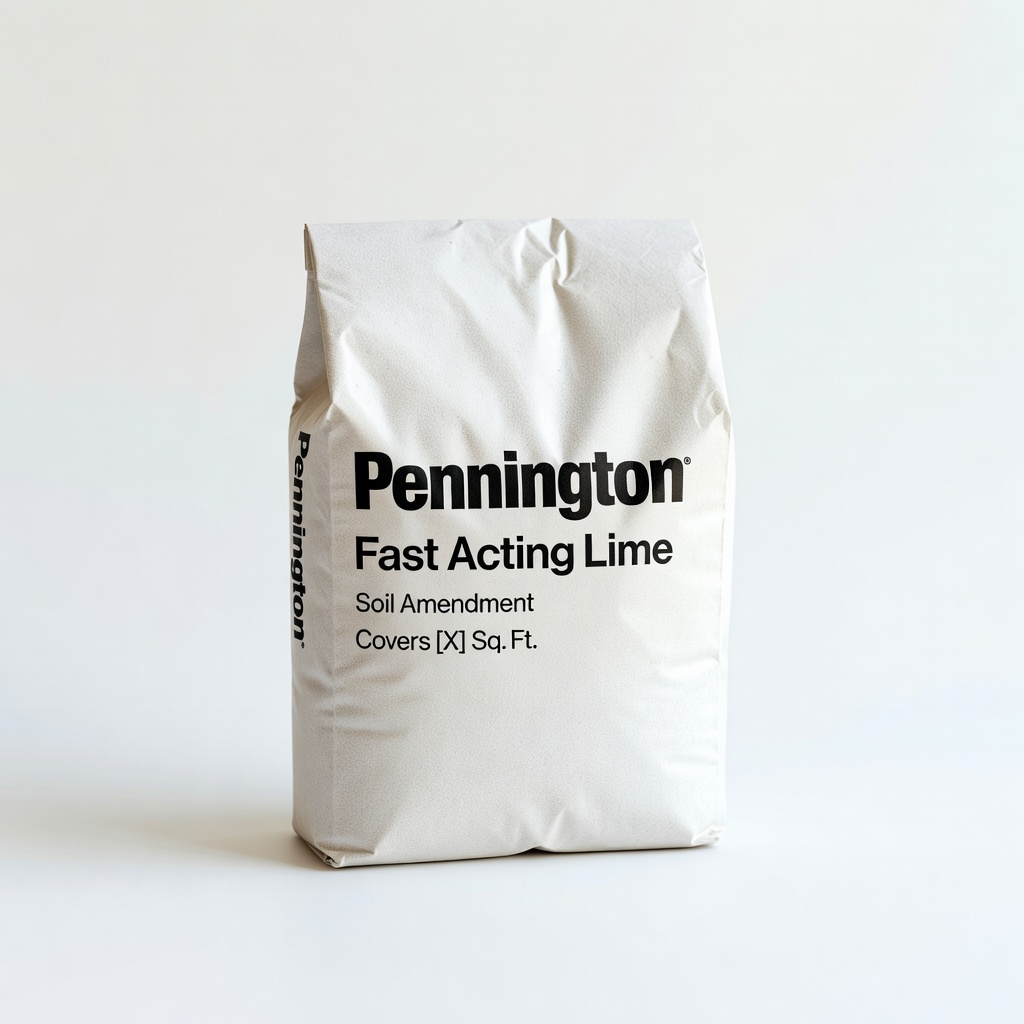
Raising pH in calcitic formulas.
Pennington Fast Acting Lime High ENM (90%+) pelletized for easy mixing, quick-reacting Ca source.
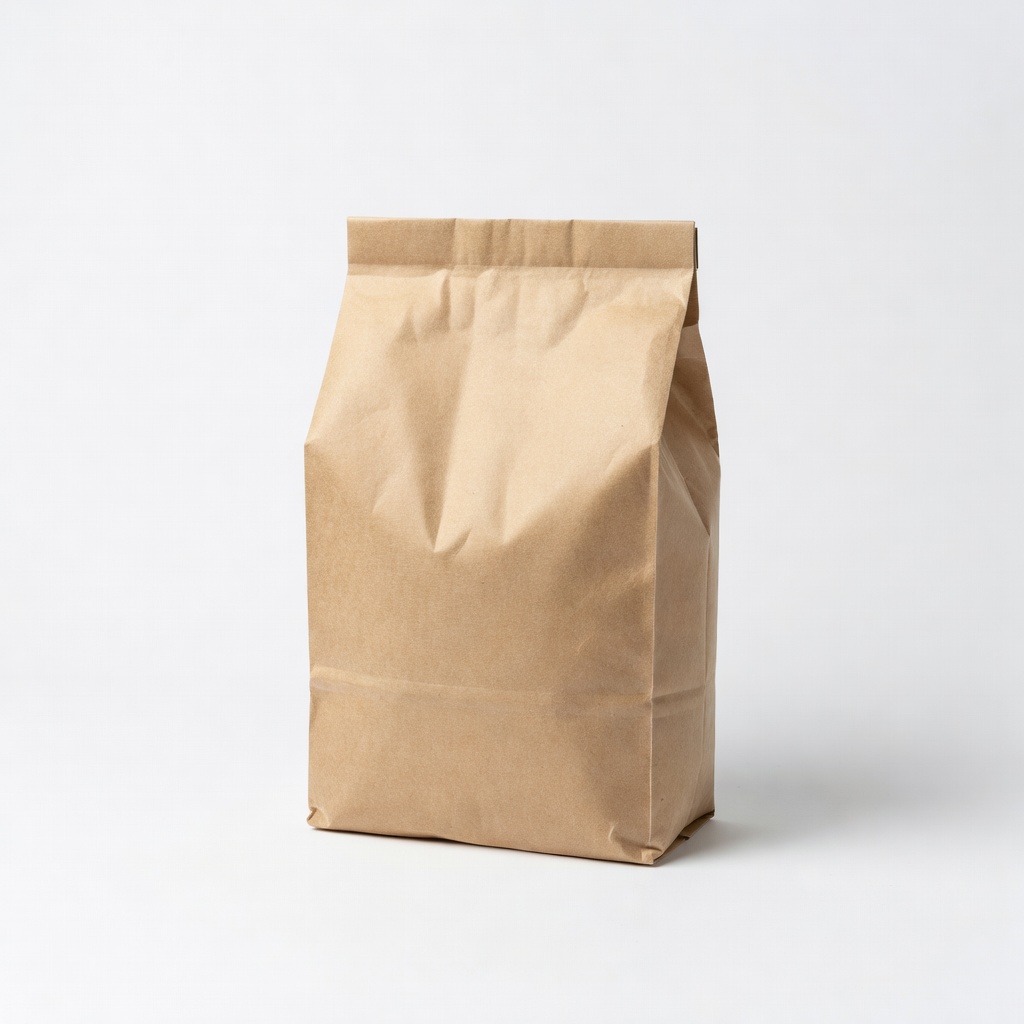
Acidifying mixes for berries/acidic crops.
Espoma Soil Acidifier Organic sulfur-based for safe lowering, blends well in slurries.
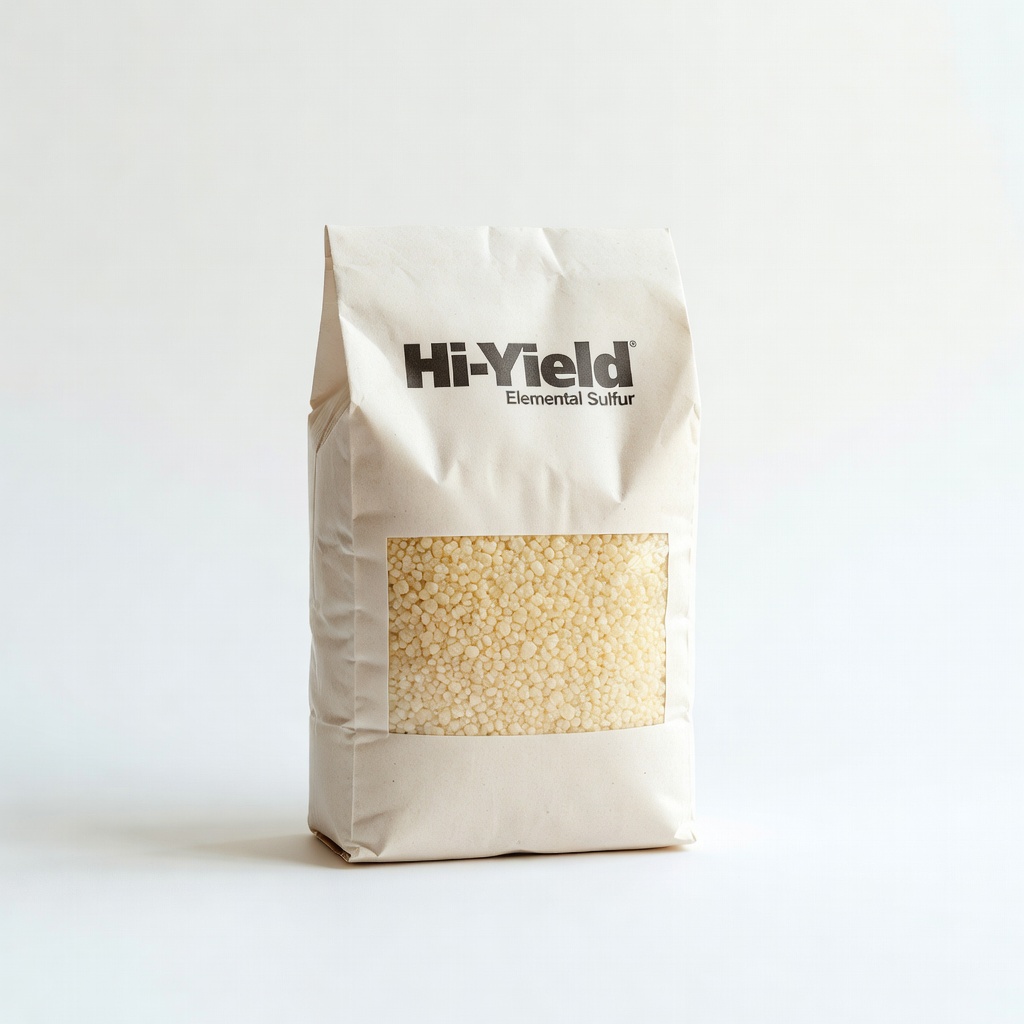
Long-term pH reduction formulas.
Hi-Yield Elemental Sulfur Pure 90% S for microbial conversion, cost-effective for large batches.