
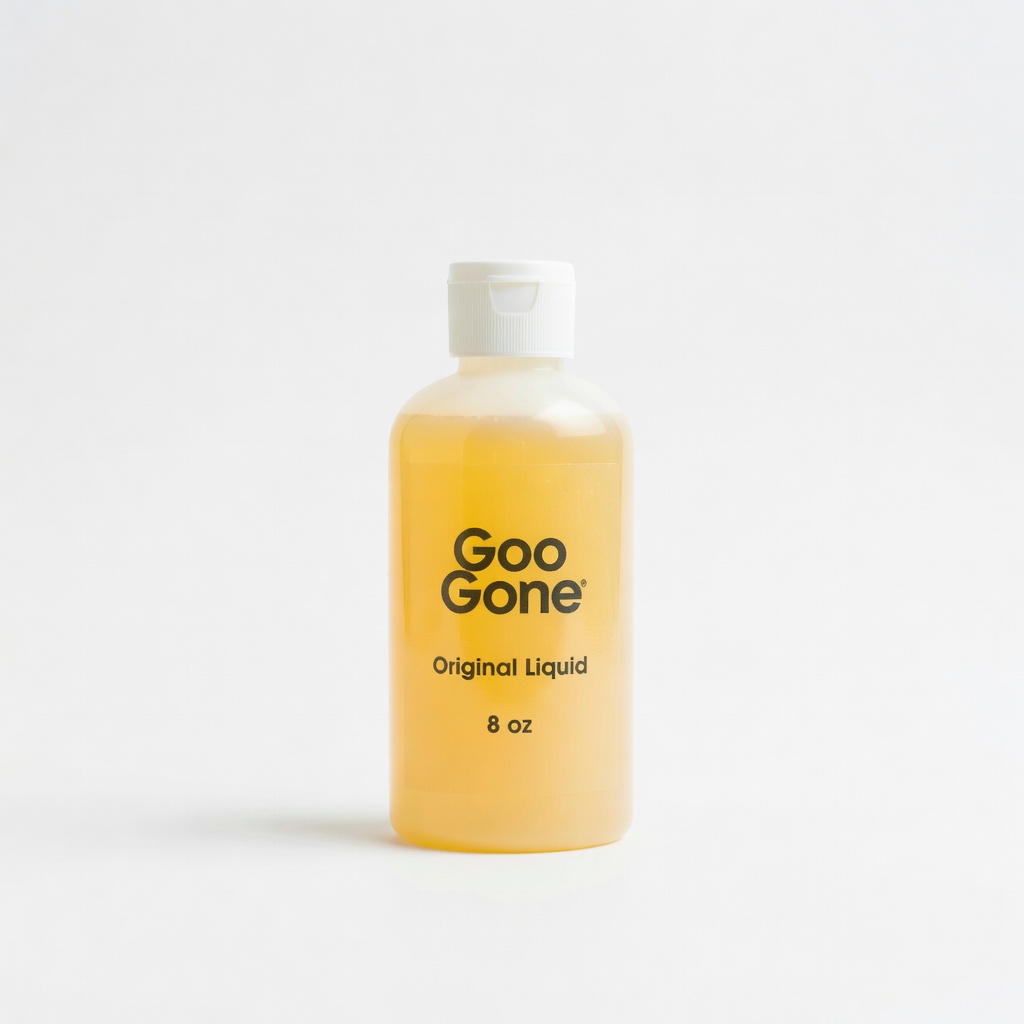
Goo Gone Original Liquid (8 oz)
Quick sprays on glass/plastic when you lack time for recipes.
$7-10
Goo Gone Original Liquid (8 oz) Ready-to-use alternative if DIY fails; citrus-based formula dissolves adhesive fast without mixing.
Get the App
Better experience on mobile
Learn simple DIY recipes to create effective, non-toxic adhesive removers that effortlessly clean sticky label residue from any surface in minutes.
Sticky labels on jars, bottles, and products can be a nightmare to remove, leaving behind stubborn adhesive goo that no amount of scrubbing fixes. Whether you're decluttering your kitchen or upcycling glassware, residue ruins the look and feel. This guide solves that problem with easy-to-mix homemade removers using pantry staples.
You'll learn three proven recipes: an oil-based paste, an alcohol spray, and a vinegar solution. Each is safe for beginners, customizable for different surfaces like glass, plastic, or metal, and costs pennies compared to store-bought options. Expect crystal-clear, residue-free surfaces without harsh chemicals.
The process takes just 10-15 minutes to mix and test, with beginner-friendly steps. No special skills needed—just follow along for pro-level results.
Estimated Time: 10-15 minutes to mix and test Difficulty: beginner
Lay down newspaper or a towel on a flat surface to catch drips and protect your counter. Work in a well-ventilated area, especially for alcohol-based mixes. Put on gloves if you have sensitive skin.
This step prevents messes and ensures safety. Success looks like a tidy, protected area ready for mixing—no spills or fumes overwhelming you.
💡 Tips:
⚠️ Warnings:
Oil + baking soda paste works best for glass and metal (non-porous). Alcohol + soap spray for plastic. Vinegar + soap for wood or painted surfaces.
Pick one to start—oil paste is most versatile for beginners. Expect a smooth decision that matches your label's surface for optimal results without damage.
💡 Tips:
For the paste: 1/2 cup vegetable oil + 1/4 cup baking soda. Pour oil into a bowl, then slowly add baking soda.
Oil loosens adhesive while baking soda abrades residue gently. You'll see a thick, peanut-butter-like paste forming—smooth and spreadable.
💡 Tips:
Stir vigorously for 1-2 minutes until no dry clumps remain. Add 1 tsp dish soap for extra cutting power if residue is tough.
This creates a uniform remover that clings to surfaces. Success: A creamy paste that holds shape but spreads easily—no lumps.
⚠️ Warnings:
Alcohol spray: 1 cup rubbing alcohol + 1/4 cup water + 1 tbsp dish soap in spray bottle. Shake well. Vinegar: 1 cup vinegar + 1/2 cup warm water + 1 tsp dish soap.
These are liquid for quick wipe-downs. Shake until sudsy—ready when it foams lightly.
💡 Tips:
Apply a dab/spray to an inconspicuous spot on your item. Wait 2-5 minutes, wipe with cloth. If no damage or discoloration, proceed.
This confirms safety. Expect adhesive to soften and lift easily, leaving no marks.
⚠️ Warnings:
Transfer to airtight jar (paste) or labeled spray bottle. Store in cool, dark place for up to 1 month.
Proper storage keeps it potent. Success: Sealed container ready for next use.
💡 Tips:
Problem: Remover doesn't loosen adhesive
Solution: Let sit 10-15 min longer or reapply; try a different recipe for your surface.
Problem: Surface discolors or clouds
Solution: Wipe immediately with soap/water; switch to milder vinegar mix next time.
Problem: Mix separates after storage
Solution: Shake well before use; remake if rancid smell develops.
Problem: Skin irritation from handling
Solution: Wear gloves; rinse skin with vinegar to neutralize.
Ready-to-use alternative if DIY fails; citrus-based formula dissolves adhesive fast without mixing.
Best for: Quick sprays on glass/plastic when you lack time for recipes.
Price Range: $7-10
Pure alcohol for potent sprays; evaporates clean, no residue.
Best for: Mixing alcohol-based removers or direct application on plastics.
Price Range: $12-15
Professional-grade for heavy-duty labels; safe on metals.
Best for: Tough commercial labels where DIY needs a boost.
Price Range: $15-20
Pure, food-grade for pastes; adds gentle abrasion.
Best for: Essential for oil-based mixes on jars and tools.
Price Range: $4-6
Perfect for storing liquid mixes safely and conveniently.
Best for: Alcohol/vinegar recipes for easy application.
Price Range: $10-12
Quick sprays on glass/plastic when you lack time for recipes.
Goo Gone Original Liquid (8 oz) Ready-to-use alternative if DIY fails; citrus-based formula dissolves adhesive fast without mixing.
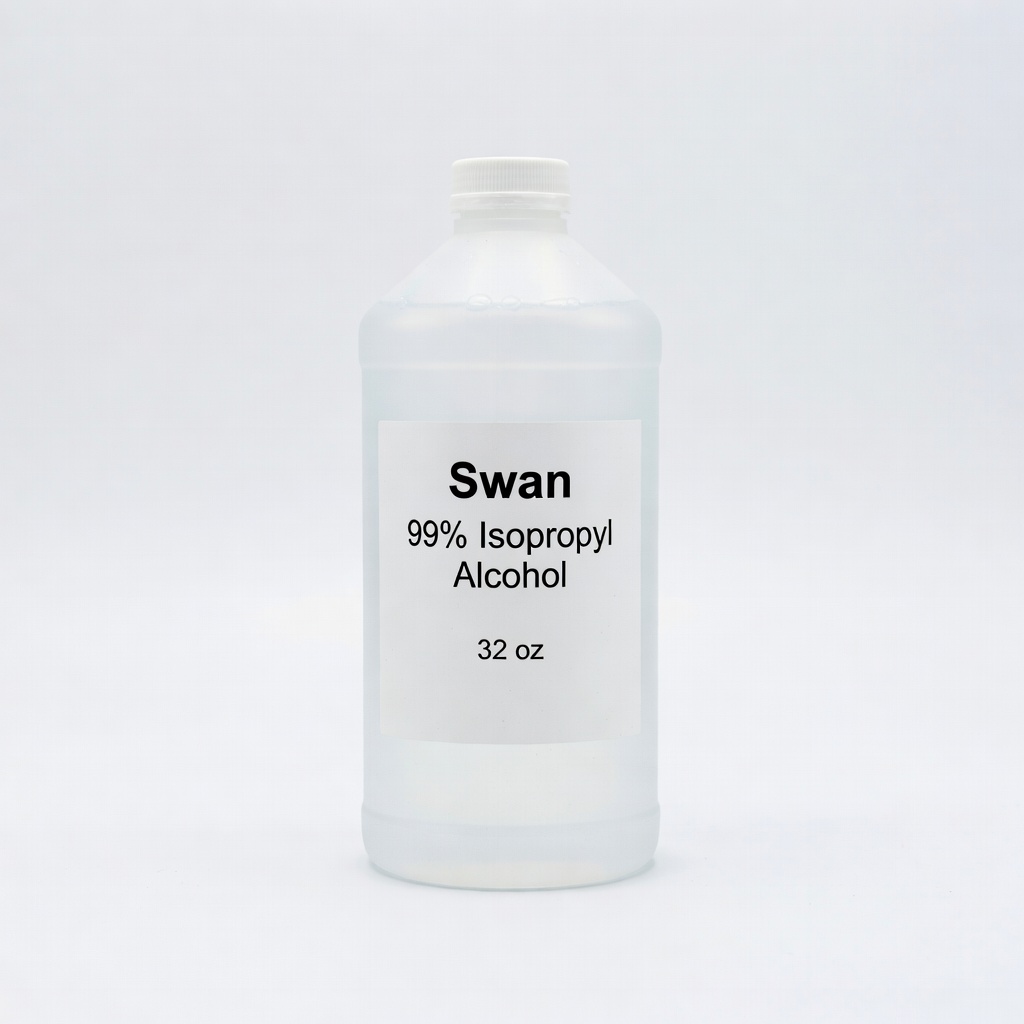
Mixing alcohol-based removers or direct application on plastics.
Swan 99% Isopropyl Alcohol (32 oz) Pure alcohol for potent sprays; evaporates clean, no residue.

Tough commercial labels where DIY needs a boost.
3M Adhesive Remover (12 oz Aerosol) Professional-grade for heavy-duty labels; safe on metals.
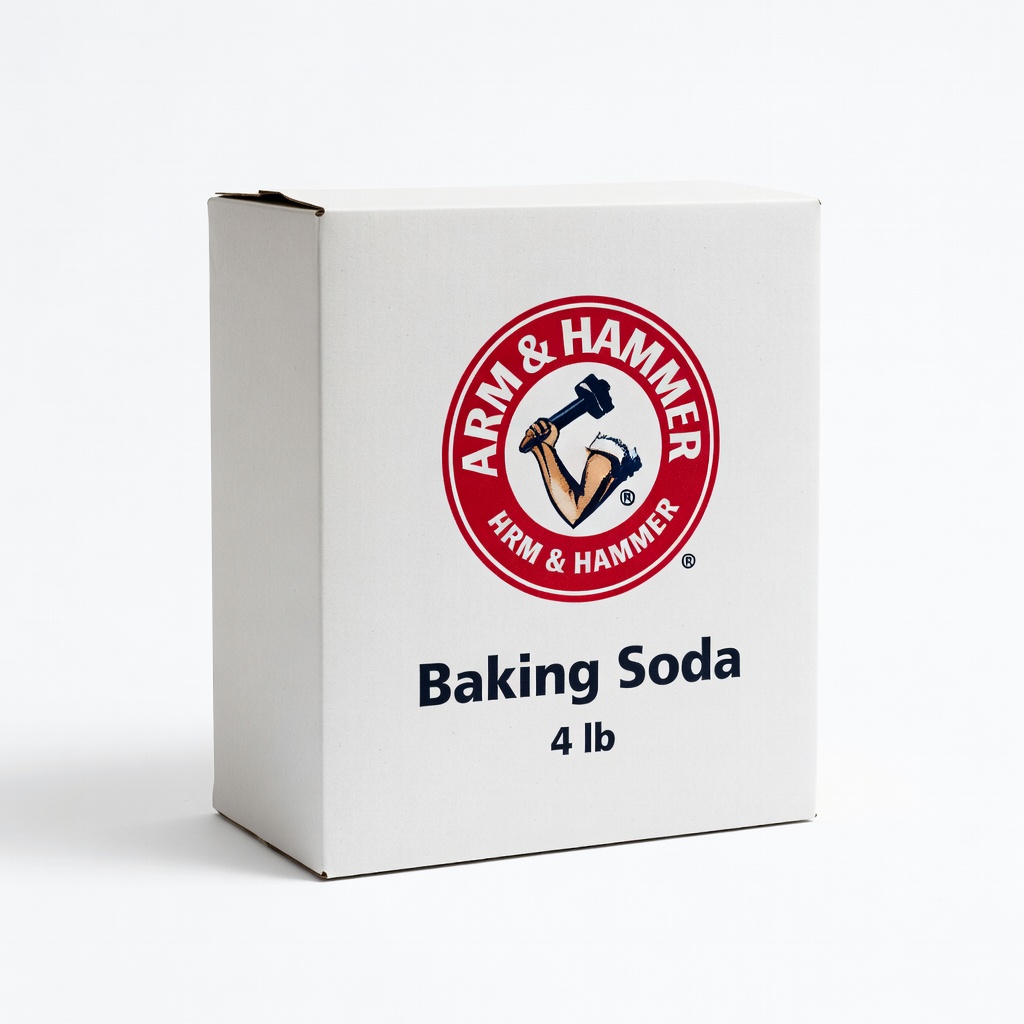
Essential for oil-based mixes on jars and tools.
Arm & Hammer Baking Soda (4 lb) Pure, food-grade for pastes; adds gentle abrasion.
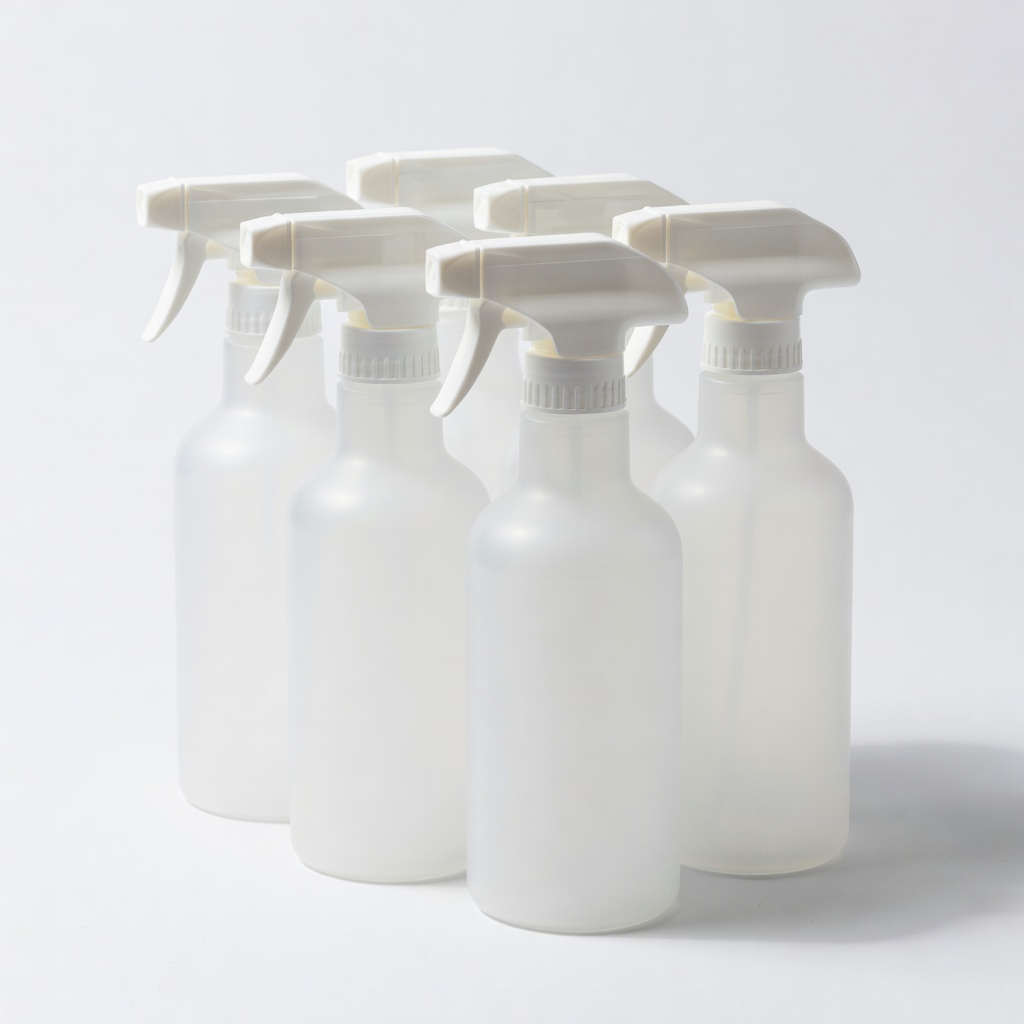
Alcohol/vinegar recipes for easy application.
Empty Spray Bottles (6 pack, 16 oz) Perfect for storing liquid mixes safely and conveniently.