
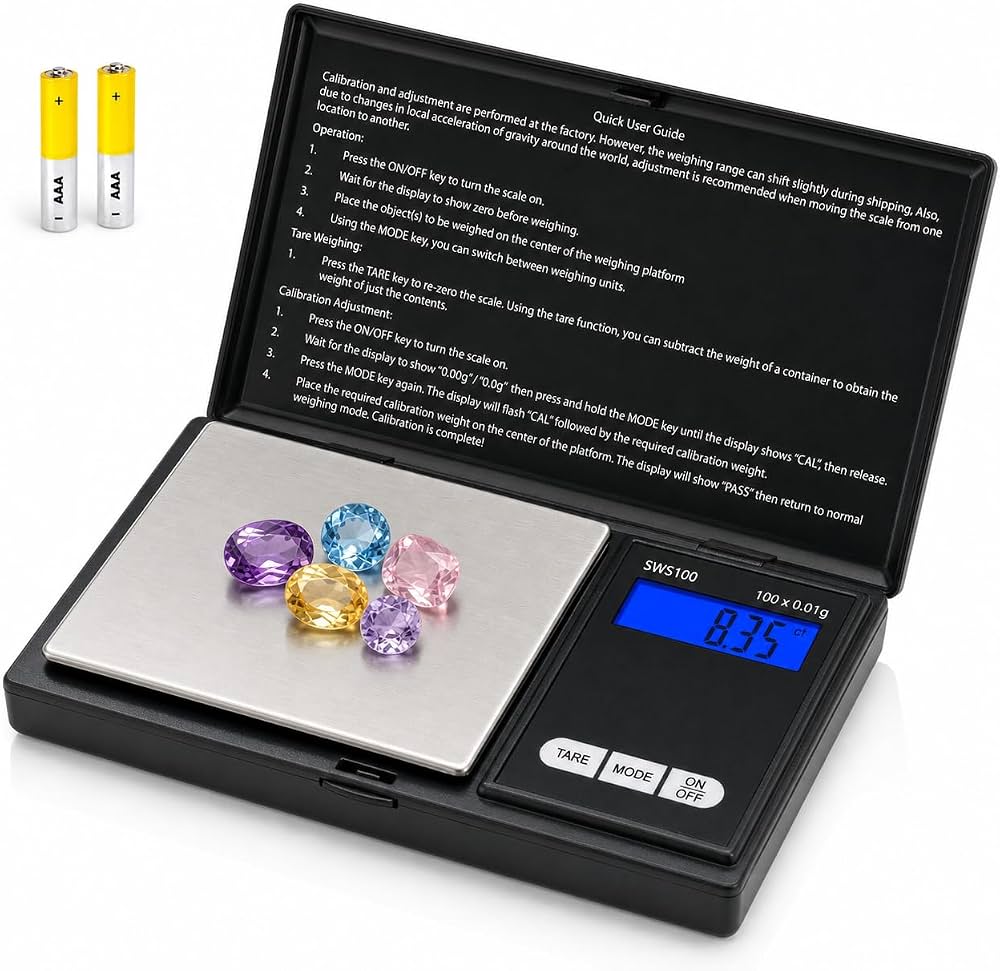
Smart Weigh SWS100 Digital Pocket Scale
Measuring resin and additives precisely every mix.
$19.99
Smart Weigh SWS100 Digital Pocket Scale 0.01g precision for accurate ratios, essential for custom blends.
Get the App
Better experience on mobile
Master mixing liquid resins for bubble-free, consistent 3D prints with this step-by-step guide tailored for intermediate makers.
Mixing liquid resins incorrectly is a top reason for failed SLA/DLP 3D prints—think bubbles causing defects, uneven curing leading to brittle parts, or color inconsistencies ruining custom projects. Whether you're blending resins for unique colors, adding tougheners, or just ensuring homogeneity, proper mixing ensures professional results every time.
In this guide, you'll learn a foolproof process to mix resins safely and effectively. We'll cover everything from safety prep to degassing, so your prints come out flawless. Expect 20-30 minutes per batch, perfect for intermediate users familiar with basic 3D printing workflows.
No more wasted resin or reprints—follow these steps for reliable vat-ready material.
Estimated Time: 20-30 minutes per 500ml batch Difficulty: intermediate
Set up in a well-ventilated area away from flames or direct sunlight, as resins are flammable and UV-sensitive. Cover your surface with disposable paper or a resin mat to catch spills. Success looks like a clean, organized station ready for handling sticky chemicals.
Why it matters: Prevents contamination and makes cleanup easy. Lay out all tools in reach.
💡 Tips:
⚠️ Warnings:
Put on nitrile gloves and safety goggles. Wear long sleeves and pants. Success: You're fully protected, no skin exposure risk.
Resins can cause irritation or sensitization—PPE is non-negotiable for intermediate handling.
💡 Tips:
⚠️ Warnings:
Tare your digital scale with the mixing cup, then weigh out the base resin (e.g., 400g). For blends, measure ratios like 70/30 for color mixing. Success: Exact weights noted—no eyeballing.
Accuracy prevents curing issues; volume measures are unreliable due to viscosity.
💡 Tips:
⚠️ Warnings:
If customizing, add 1-5% pigments/tougheners by weight (e.g., 4g pigment to 400g resin). Stir gently with a stick. Success: Even dispersion without clumps.
This creates custom properties—test small batches first.
💡 Tips:
Stir slowly in figure-8 motions for 2-3 minutes until uniform—no streaks or swirls. Scrape sides/bottom. Success: Homogeneous color and viscosity.
Aggressive mixing introduces bubbles; patience yields better results.
💡 Tips:
⚠️ Warnings:
Pour into vacuum chamber, pull vacuum to -25 inHg for 3-5 minutes until bubbles rise and burst. Or use ultrasonic cleaner 5 mins. Success: Crystal-clear, bubble-free resin.
Bubbles cause print failures; degassing is key for intermediates.
💡 Tips:
Strain through 200-micron filter into printer vat or storage bottle. Seal airtight, label with mix details/date. Success: Ready-to-print, no particulates.
Straining catches debris; store in dark fridge (up to 12 months).
💡 Tips:
⚠️ Warnings:
Problem: Persistent bubbles after degassing
Solution: Extend vacuum time or use ultrasonic agitation; ensure room temp <30°C.
Problem: Clumpy or separated mix
Solution: Additives incompatible—start over with compatible brands; stir longer.
Problem: Prints delaminate post-mix
Solution: Ratios off or old resin; recalibrate scale and test exposure times.
Problem: Resin too viscous
Solution: Warm gently to 25-30°C; avoid overheating.
0.01g precision for accurate ratios, essential for custom blends.
Best for: Measuring resin and additives precisely every mix.
Price Range: $19.99
Graduated, sturdy plastic perfect for resins without leaching.
Best for: Mess-free mixing and degassing for multiple batches.
Price Range: $12.99
Thick, powder-free protection against resin sensitization.
Best for: Daily handling during mixing and printing sessions.
Price Range: $15.99
Affordable vacuum pulls bubbles effectively for pro results.
Best for: Degassing batches up to 1L for bubble-free prints.
Price Range: $89.99
Reliable base resin mixes well with pigments; beginner-friendly viscosity.
Best for: Starting point for custom color/toughness blends.
Price Range: $24.99
Measuring resin and additives precisely every mix.
Smart Weigh SWS100 Digital Pocket Scale 0.01g precision for accurate ratios, essential for custom blends.
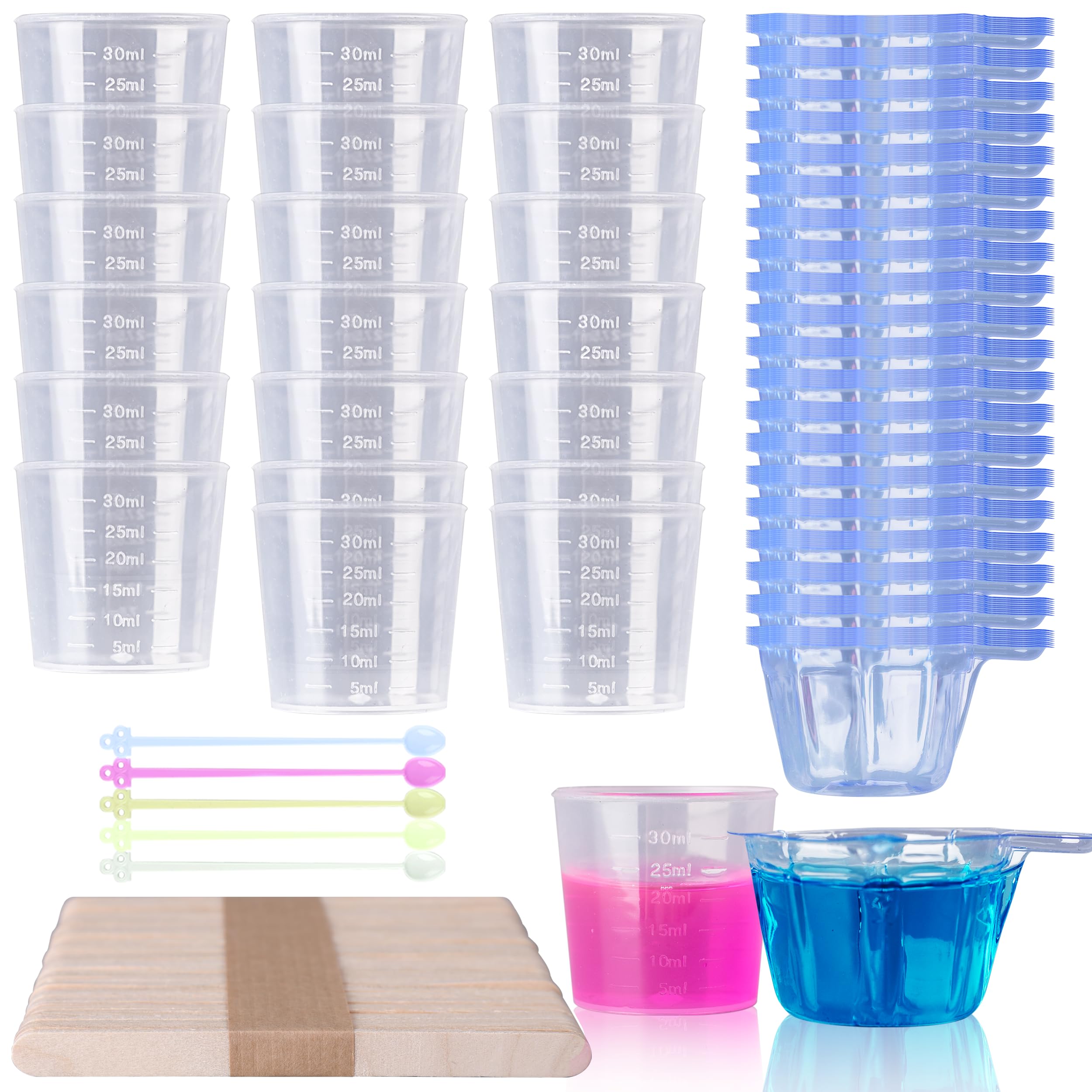
Mess-free mixing and degassing for multiple batches.
LET'S RESIN 200ml Disposable Mixing Cups (100 pack) Graduated, sturdy plastic perfect for resins without leaching.
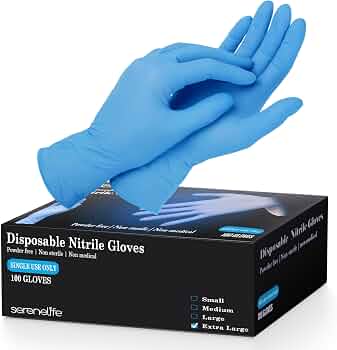
Daily handling during mixing and printing sessions.
G & F Nitrile Disposable Gloves (100 pack) Thick, powder-free protection against resin sensitization.
Degassing batches up to 1L for bubble-free prints.
YaeGarden Vacuum Degassing Chamber Kit (2.5L) Affordable vacuum pulls bubbles effectively for pro results.
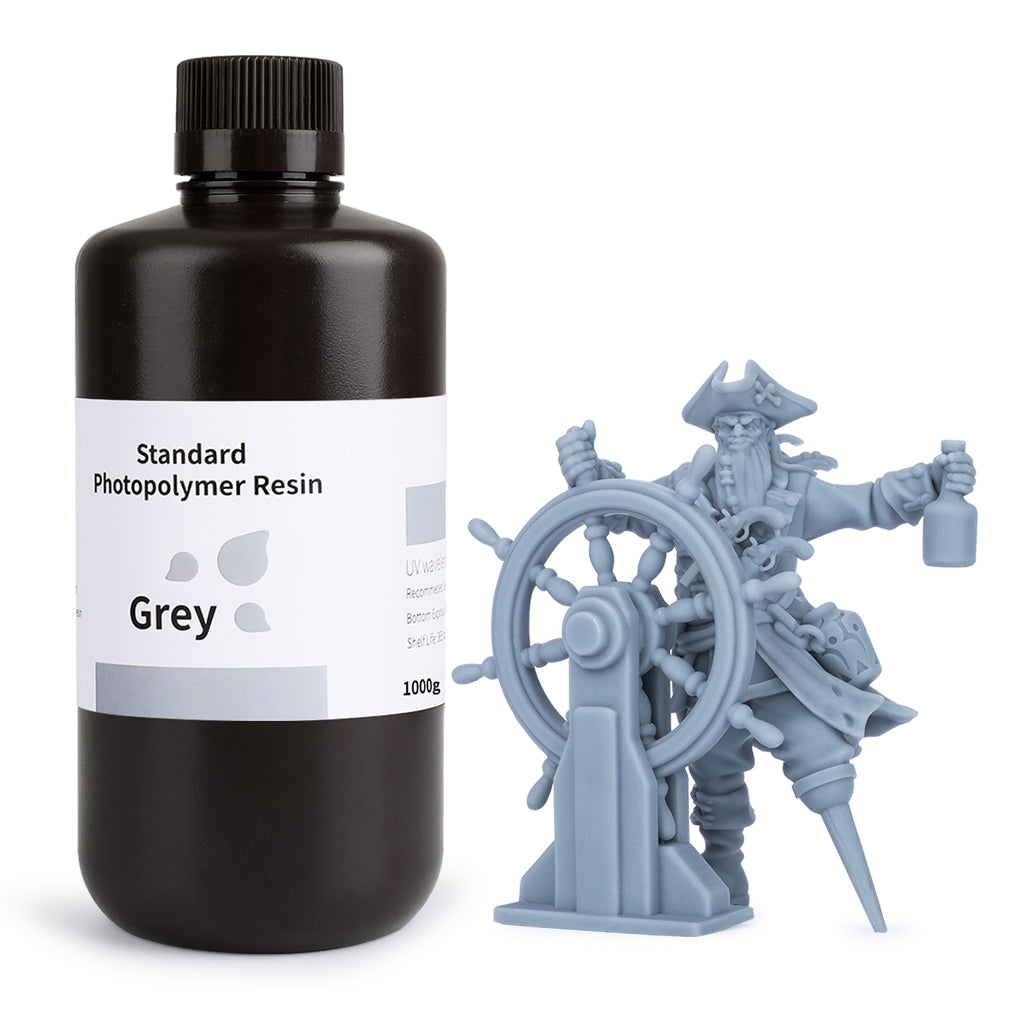
Starting point for custom color/toughness blends.
Elegoo Standard Resin (1kg) Reliable base resin mixes well with pigments; beginner-friendly viscosity.