
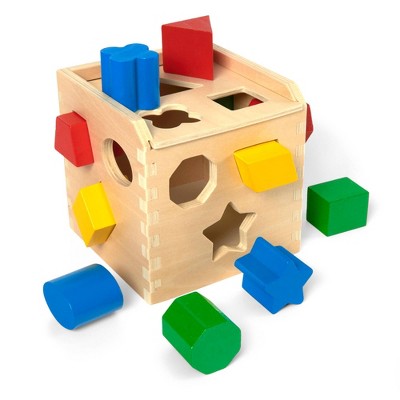
Melissa & Doug Wooden Activity Cube
Ideal for 6-24 months; quiet, Montessori-style play.
$25-$30
Melissa & Doug Wooden Activity Cube Durable wood with 5 sides of classic activities like shapes and beads; promotes fine motor skills without batteries.
Get the App
Better experience on mobile
Unlock your toddler's motor skills, cognition, and creativity with simple strategies to supercharge playtime using activity cubes in daily routines.
Toddlers aged 6-24 months thrive on sensory exploration, but generic play can fall short without guidance. Activity cubes—multi-sided toys packed with shapes, buttons, gears, and textures—are developmental powerhouses, yet many parents underuse them. This guide shows you how to transform casual play into targeted skill-building sessions that boost fine motor skills, problem-solving, and language development.
You'll learn a step-by-step process to select, set up, and maximize your activity cube for maximum engagement and growth. Expect visible progress like improved hand-eye coordination and longer attention spans within weeks. This beginner-friendly approach takes just 10-15 minutes to set up and 20-30 minutes daily—no prior expertise needed.
By following these steps, you'll create fun, frustration-free play that aligns with milestones from the American Academy of Pediatrics, turning screen-free time into brain-boosting adventures.
Estimated Time: 10-15 minutes setup + 20-30 minutes daily play sessions Difficulty: beginner
Start by selecting an age-appropriate activity cube with diverse features like shape sorters, spinning gears, mirrors, and textured panels. Look for BPA-free, non-toxic materials sturdy enough for enthusiastic toddlers.
Why it matters: The best cubes match developmental stages (e.g., 6-12 months for basic grasping, 12-24 for problem-solving). Test for stability—no wobbly bases that tip easily.
Success looks like: A cube with 4-6 sides of activities that your toddler can reach while sitting or standing.
💡 Tips:
⚠️ Warnings:
Clear a 4x4 foot area on a soft surface, free of sharp edges or distractions. Place the cube in the center at your toddler's eye level—seated for younger ones, standing for walkers.
This foundation prevents accidents and focuses attention. Add natural light and minimal toys to encourage cube exploration.
Expect: Your toddler approaches independently without wandering off.
💡 Tips:
⚠️ Warnings:
Sit with your toddler and model one activity at a time: Insert a shape, spin a gear, press a button. Narrate enthusiastically: 'The circle goes here—round and round!'
Why: Modeling builds neural pathways via imitation, a key toddler learning method per Piaget's theory.
Success: Toddler mimics within 2-3 tries, smiling or vocalizing.
💡 Tips:
Step back slightly and let them experiment. Offer gentle prompts like 'Your turn!' only if stuck for 1 minute.
This fosters autonomy and persistence. Watch for 'eureka' moments like first successful shape fit.
Expect longer play (10+ minutes) as confidence grows.
💡 Tips:
⚠️ Warnings:
Each day, highlight 1-2 new or forgotten sides. Track in a notebook what engages most.
Variety prevents boredom and targets skills cyclically (e.g., Monday: motors, Tuesday: senses).
Success: Sustained interest over weeks, trying harder challenges.
💡 Tips:
Pair cube play with songs, colors, or counting: 'Spin the red gear—1, 2, 3!'
Enhances cognition and language. Use for milestones like naming shapes.
Expect: Verbal responses or combined actions (spin + say color).
💡 Tips:
⚠️ Warnings:
Note skills weekly: Grasping? Problem-solving time? Adjust based on growth.
Data shows if it's working—share with pediatrician.
Success: Milestones hit early, like stacking by 18 months.
💡 Tips:
Wipe with mild soap weekly; air dry. Store upright in reachable spot.
Maintains hygiene and accessibility. Inspect for wear.
Expect: Like-new condition for months of use.
💡 Tips:
⚠️ Warnings:
Problem: Toddler loses interest quickly
Solution: Shorten sessions to 5 minutes, add novelty like new sounds, or switch cubes temporarily.
Problem: Frustration with difficult tasks
Solution: Model again calmly, offer easier sides first, praise persistence.
Problem: Cube tips over
Solution: Add non-slip feet or play on thicker mat; supervise closely.
Problem: No visible progress after weeks
Solution: Vary routine, consult pediatrician for developmental check; try complementary toys.
Durable wood with 5 sides of classic activities like shapes and beads; promotes fine motor skills without batteries.
Best for: Ideal for 6-24 months; quiet, Montessori-style play.
Price Range: $25-$30
Interactive lights, music, and 10+ activities; grows with toddler from sitting to standing.
Best for: For tech-savvy engagement with learning phrases.
Price Range: $20-$25
Adapts content by age (6-36 months) with 75+ songs; excellent for language development.
Best for: Daily auditory stimulation during play.
Price Range: $18-$22
Eco-friendly wood, 6 sides including abacus and xylophone; sustainable and versatile.
Best for: Outdoor/indoor play for sensory-motor growth.
Price Range: $35-$45
Ideal for 6-24 months; quiet, Montessori-style play.
Melissa & Doug Wooden Activity Cube Durable wood with 5 sides of classic activities like shapes and beads; promotes fine motor skills without batteries.
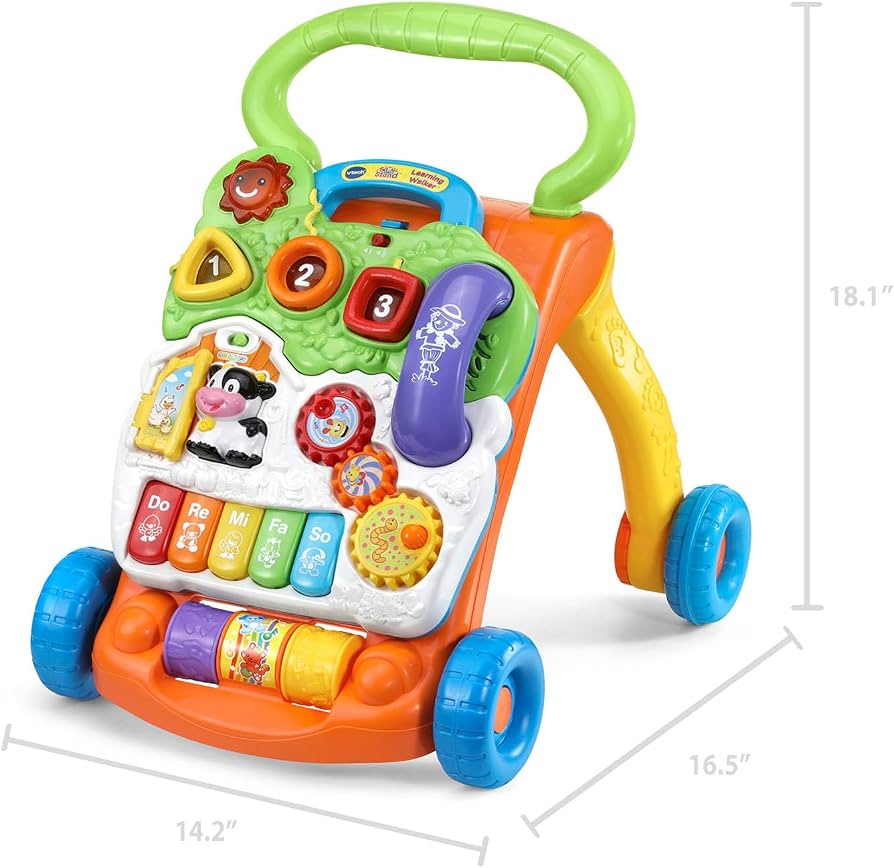
For tech-savvy engagement with learning phrases.
VTech Sit-to-Stand Activity Cube Interactive lights, music, and 10+ activities; grows with toddler from sitting to standing.
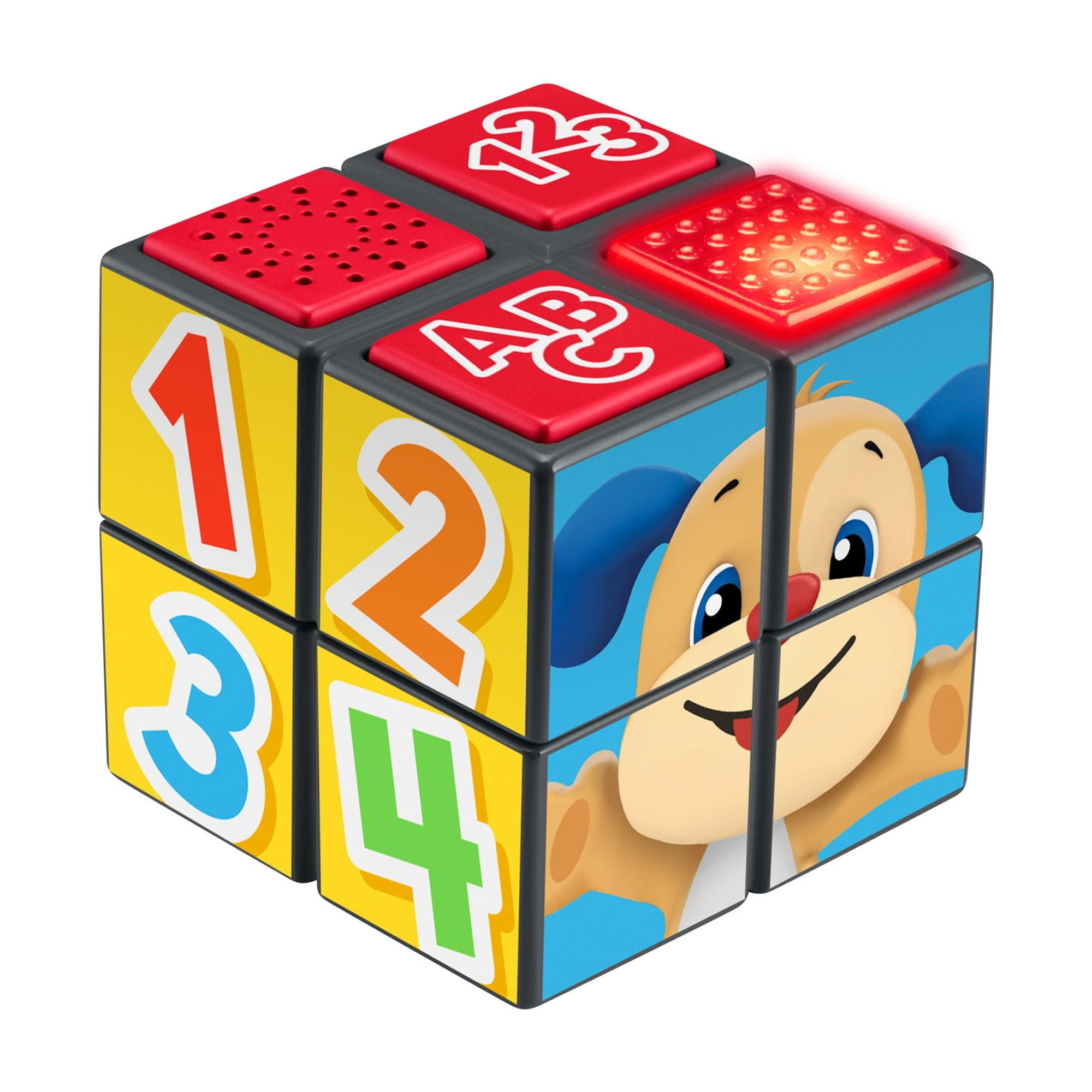
Daily auditory stimulation during play.
Fisher-Price Laugh & Learn Smart Stages Cube Adapts content by age (6-36 months) with 75+ songs; excellent for language development.
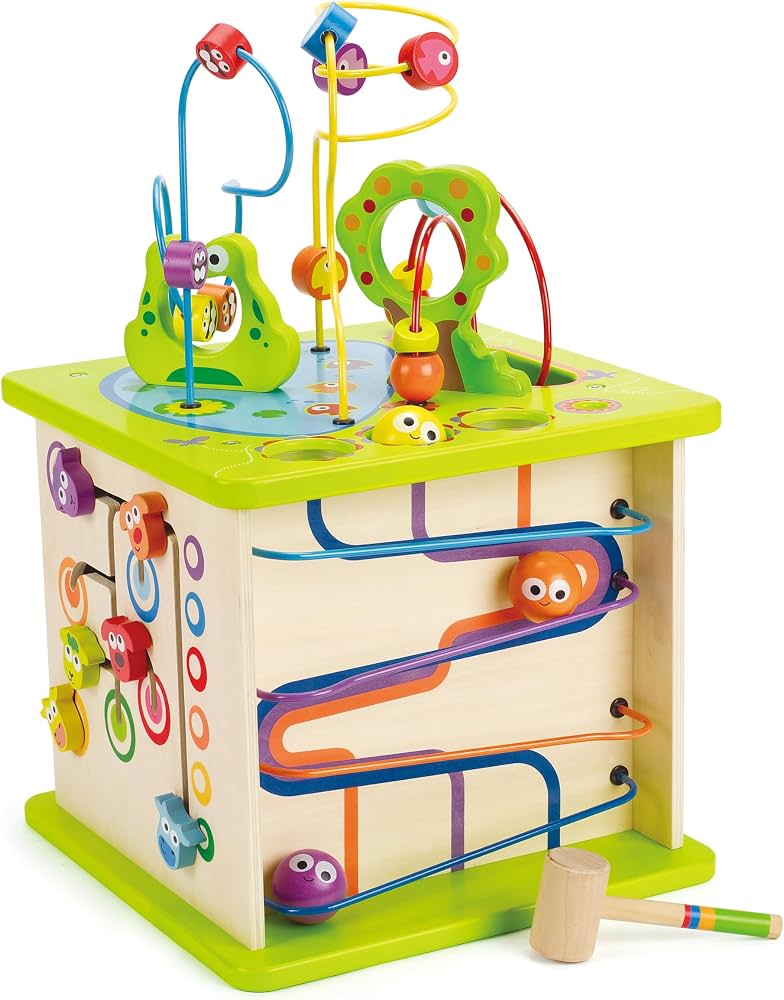
Outdoor/indoor play for sensory-motor growth.
Hape Multi-Sided Activity Cube Eco-friendly wood, 6 sides including abacus and xylophone; sustainable and versatile.