
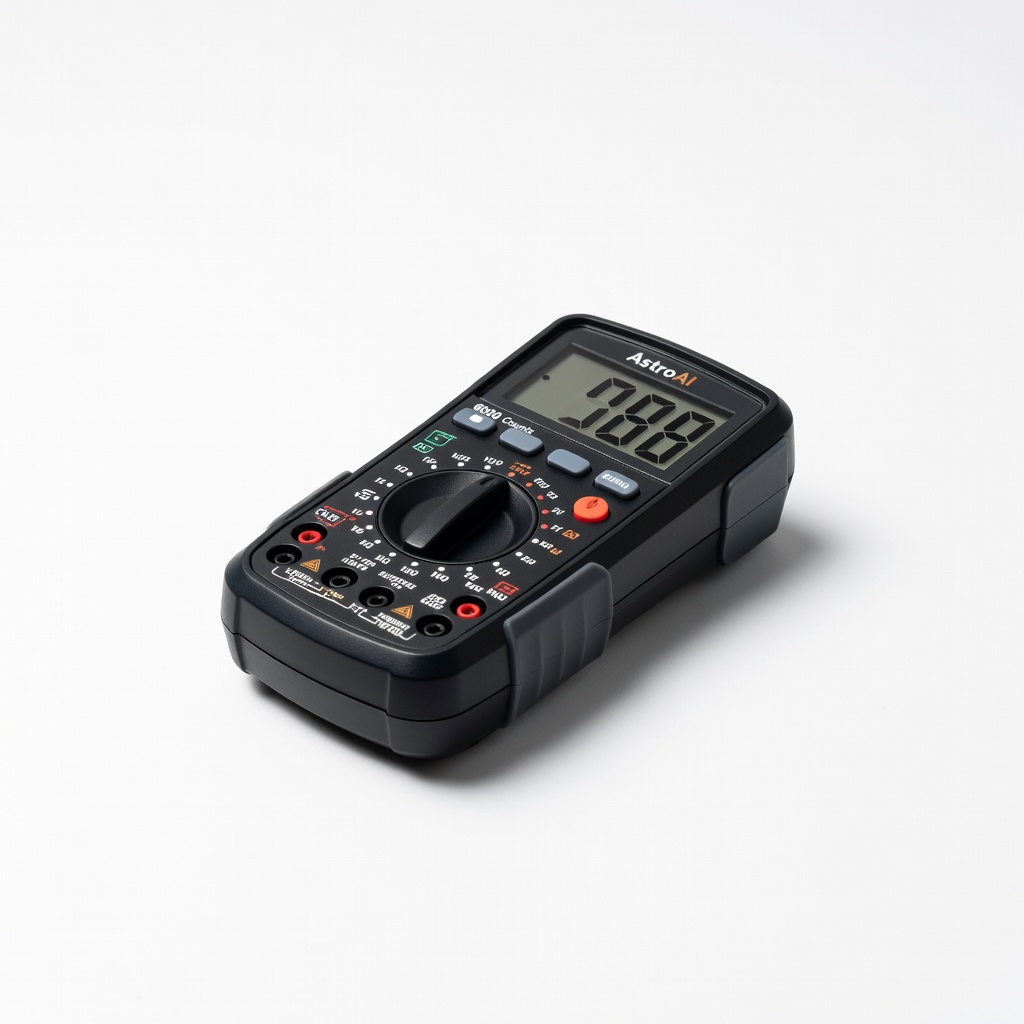
AstroAI Digital Multimeter 6000 Counts
Voltage and internal resistance checks on each battery.
$30-$35
AstroAI Digital Multimeter 6000 Counts Accurate DCV and resistance readings essential for precise OCV matching.
Get the App
Better experience on mobile
Ensure even power, longer battery life, and peak golf cart performance by matching your 6V batteries step-by-step.
Mismatched 6V batteries in your golf cart lead to uneven charging, reduced range, premature failure, and frustrating downtime on the course. If one battery is weaker, it drags down the entire bank (typically 6 or 8 in series for 36V/48V systems), causing overwork and sulfation. This guide fixes that pain point.
You'll learn to test, evaluate, and pair 6V deep-cycle batteries for optimal matching based on voltage, specific gravity, and load capacity. By the end, you'll have a perfectly balanced set ready for installation, extending life by 20-50%.
The process takes 1-2 hours active time plus overnight charging/resting. It's intermediate-level: requires basic electrical knowledge and safe handling of lead-acid batteries.
Estimated Time: 1-2 hours active + 12-24 hours charging/resting Difficulty: intermediate
Choose a well-ventilated, flat, non-flammable surface away from sparks or flames. Lay down protective mats to catch spills. Wear safety gear to protect against acid splashes and hydrogen gas explosions.
Why it matters: 6V lead-acid batteries contain sulfuric acid and produce explosive gases during charging. A safe setup prevents injuries and fires.
Success: Workspace clear, gear on, batteries accessible.
💡 Tips:
⚠️ Warnings:
Disconnect cables starting with negative (-) terminals first, then positive (+). Label each battery's position (e.g., 'Bank 1 Position 3'). Lift out carefully using a battery strap or cart.
Why: Prevents short circuits and tracks original setup for reinstallation.
Expect: Batteries weighing 60-70 lbs each; use help if needed.
Success: All batteries out, labeled, cables stored safely.
💡 Tips:
⚠️ Warnings:
Spray terminals with cleaner, brush off corrosion, rinse with water, dry. Check for cracks, bulges, or leaks. Top off flooded batteries with distilled water to cover plates.
Why: Corrosion skews readings; damage means replacement.
Success: Clean, dry terminals; no visible defects.
💡 Tips:
⚠️ Warnings:
Connect each to a 6V smart charger individually until it holds 6.3-6.4V (float stage). Monitor for 8-12 hours; equalize if needed.
Why: Starting from full ensures accurate matching; partial charge hides weak cells.
Success: All at ~6.3V after charging.
💡 Tips:
Disconnect chargers and let batteries rest 12-24 hours undisturbed.
Why: Surface charge dissipates, revealing true open-circuit voltage (OCV).
Success: Batteries stabilized.
💡 Tips:
Set multimeter to DCV 20V. Touch red to +, black to -. Record voltage for each (ideal: 6.25-6.35V fully charged).
Why: Voltage within 0.05V indicates similar state-of-charge.
Success: Readings noted; group batteries by 0.025V increments.
💡 Tips:
⚠️ Warnings:
Use hydrometer: Draw electrolyte, read SG (1.265-1.280 fully charged). Test all cells per battery.
Why: Confirms health beyond voltage; low SG = weak battery.
Success: All cells within 0.015 points.
💡 Tips:
Connect load tester per instructions (half CCA load for 15 sec). Note voltage drop (should stay >6V).
Why: Simulates real use; reveals capacity differences.
Success: Similar drop profiles (within 0.1V).
💡 Tips:
⚠️ Warnings:
Group by closest OCV, SG, load drop, age/manufacturer. Discard outliers <6.2V OCV or high variation.
Success: 6-8 matched batteries labeled 'Set A: Pos 1-6'.
💡 Tips:
Place in positions, connect + first then -, torque to spec (5-7 ft-lbs). Charge bank fully.
Success: Cart runs smoothly, even voltages.
⚠️ Warnings:
Problem: One battery always lower voltage
Solution: Replace it; sulfated cells can't recover. Try desulfator first.
Problem: Hydrometer reads low across cells
Solution: Equalize charge or add electrolyte if low.
Problem: Load test fails immediately
Solution: Battery is dead; recycle and replace.
Problem: Cart still uneven after matching
Solution: Check charger balance or wiring. Seek pro if persists.
Accurate DCV and resistance readings essential for precise OCV matching.
Best for: Voltage and internal resistance checks on each battery.
Price Range: $30-$35
Simulates real load to verify capacity matching beyond voltage.
Best for: 15-second load test on 6V batteries.
Price Range: $25-$30
Measures specific gravity accurately for flooded battery health.
Best for: Cell-by-cell testing post-charge.
Price Range: $10-$15
Prevents future corrosion for reliable connections.
Best for: Apply after cleaning during reinstall.
Price Range: $8-$12
Pre-matched replacements from trusted brand for easy upgrades.
Best for: Replace weak batteries in sets.
Price Range: $150-$180 each
Voltage and internal resistance checks on each battery.
AstroAI Digital Multimeter 6000 Counts Accurate DCV and resistance readings essential for precise OCV matching.
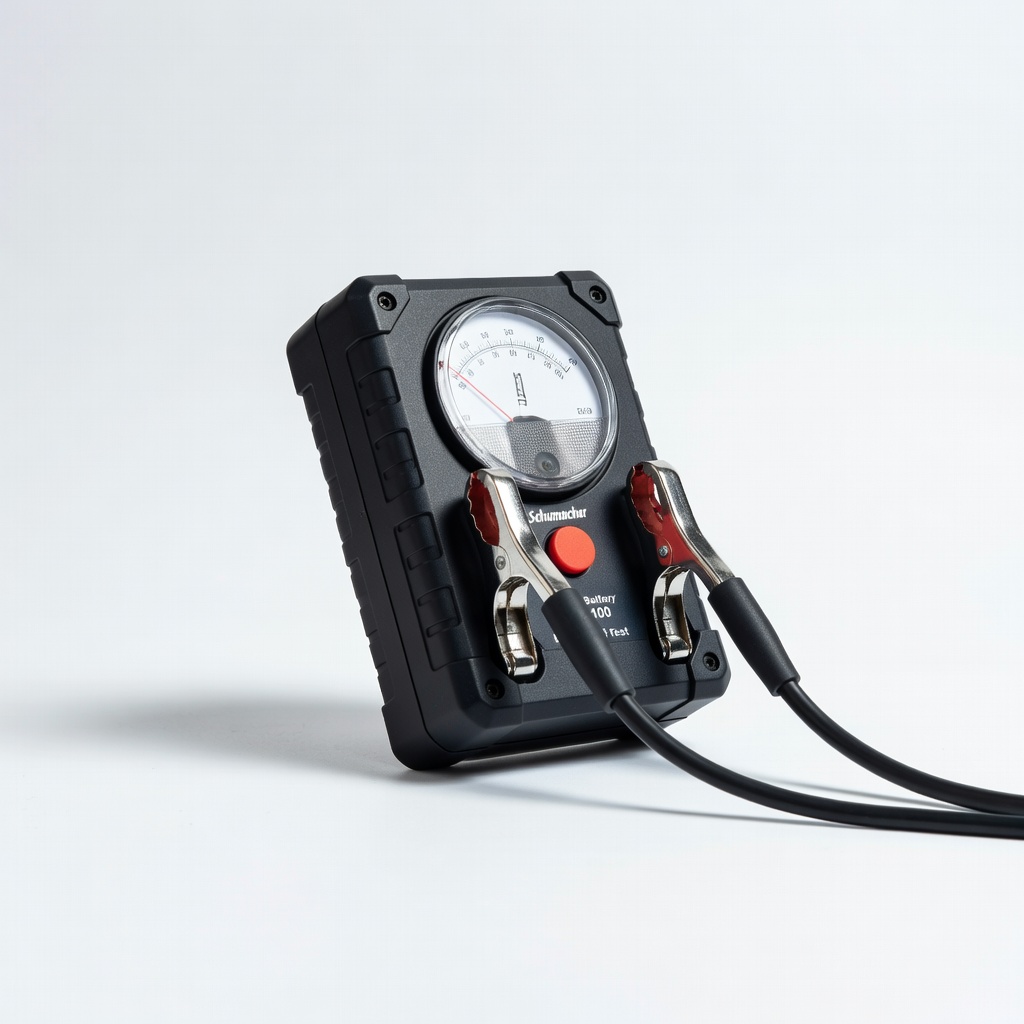
15-second load test on 6V batteries.
Schumacher BT-100 Battery Load Tester Simulates real load to verify capacity matching beyond voltage.
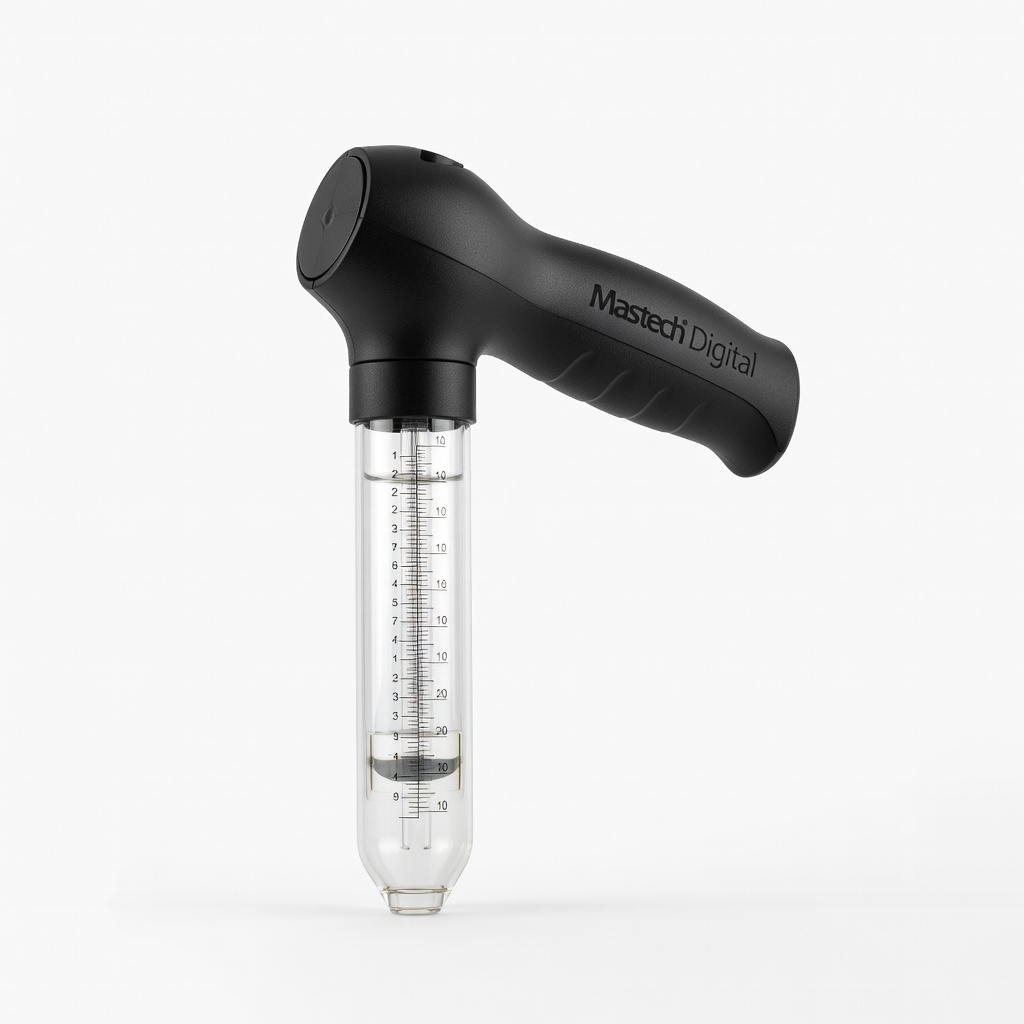
Cell-by-cell testing post-charge.
Mastech Digital Battery Hydrometer Measures specific gravity accurately for flooded battery health.
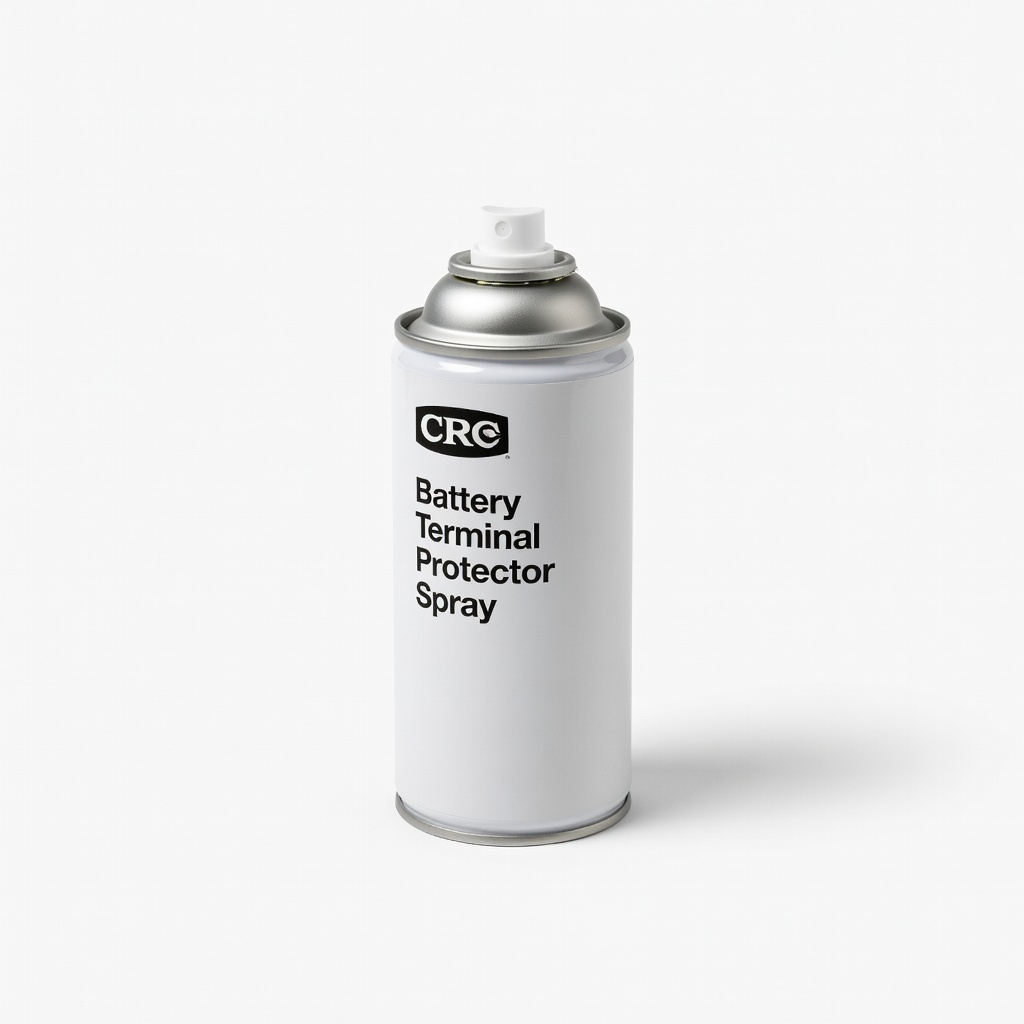
Apply after cleaning during reinstall.
CRC Battery Terminal Protector Spray Prevents future corrosion for reliable connections.
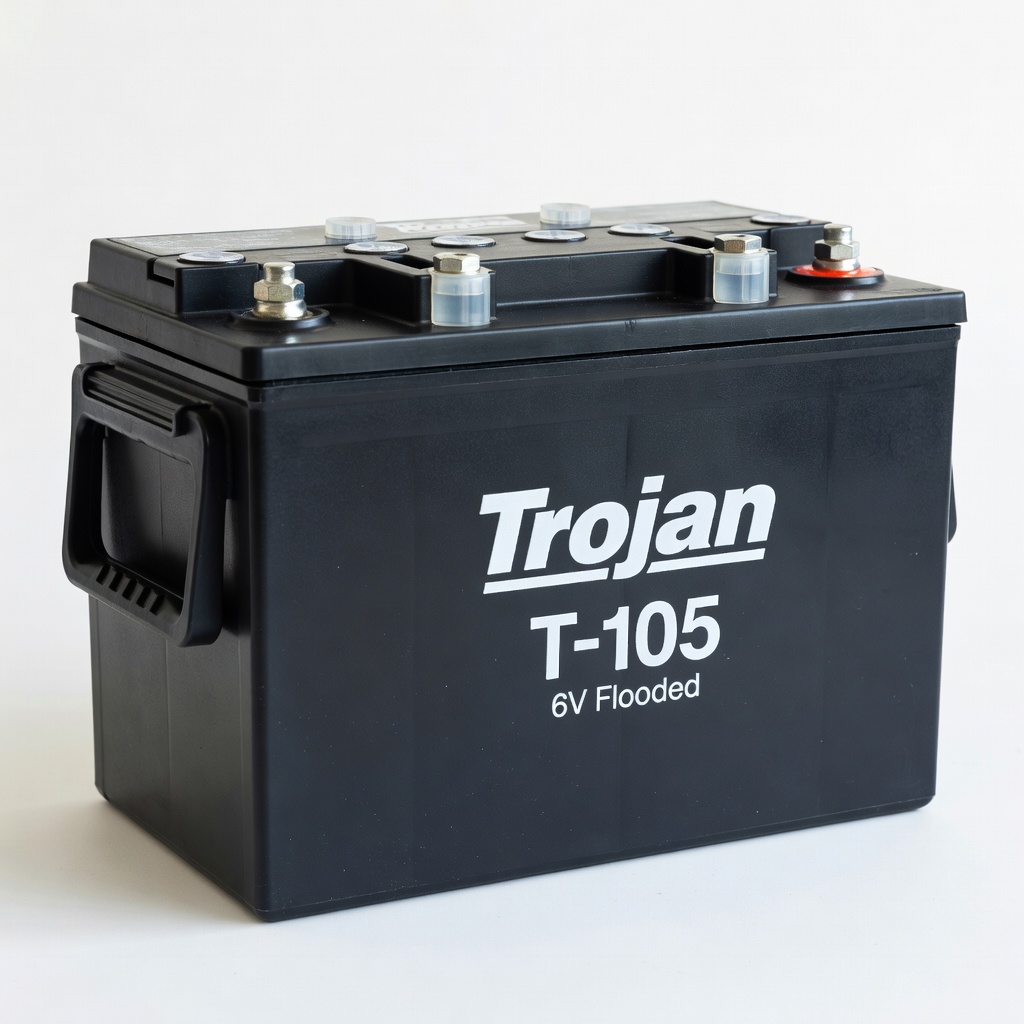
Replace weak batteries in sets.
Trojan T-105 6V Flooded Golf Cart Battery Pre-matched replacements from trusted brand for easy upgrades.