
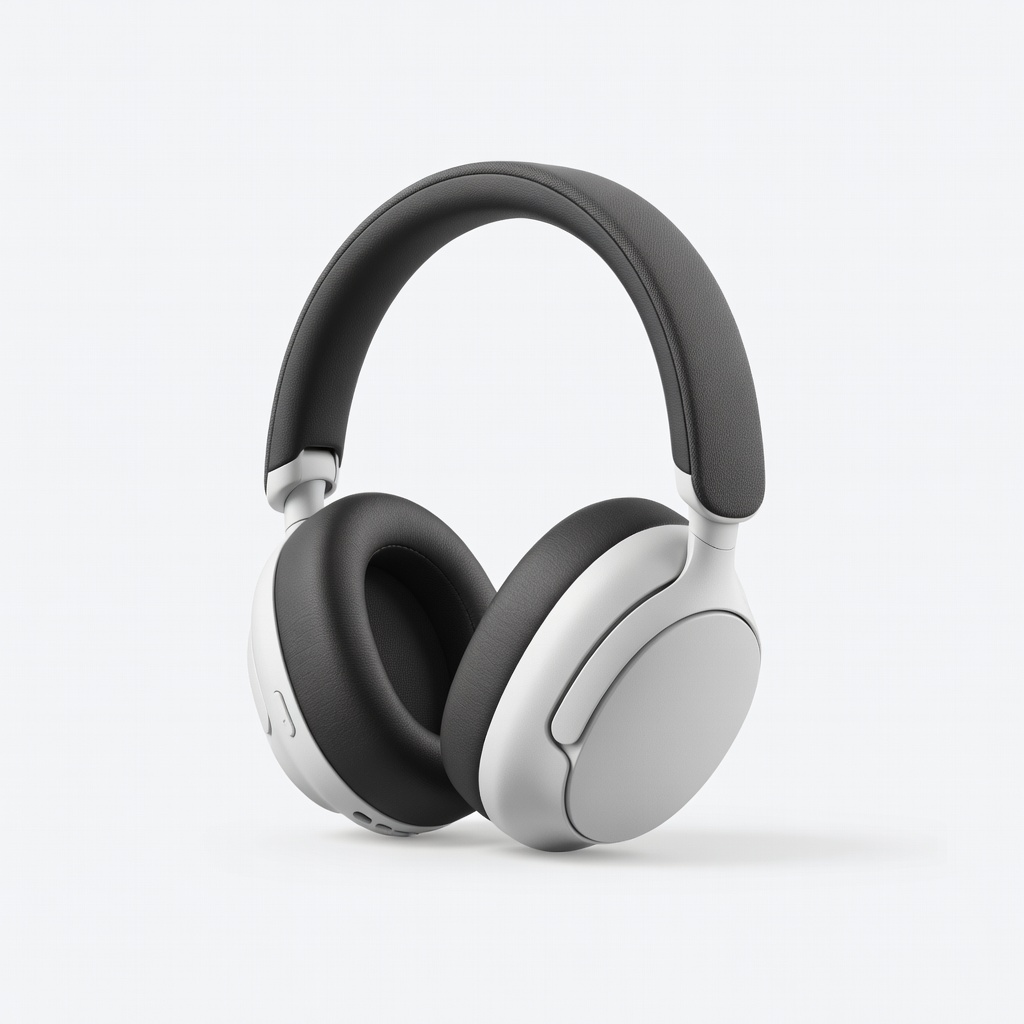
Anker Soundcore Life Q20 Noise Cancelling Headphones
Daily 10-min mindfulness sessions amid home chaos.
$50-$60
Anker Soundcore Life Q20 Noise Cancelling Headphones Blocks out noise for uninterrupted meditation or relaxation breaks.
Get the App
Better experience on mobile
Learn proven steps to recognize, prevent, and recover from burnout while caring for aging parents, reclaiming your energy and well-being in just 30 minutes daily.
Caring for aging parents is a noble act, but it often leads to caregiver burnout—affecting over 40% of family caregivers according to AARP. Symptoms like exhaustion, irritability, and resentment can erode your health and the quality of care you provide. This guide empowers you to spot early signs, implement self-care strategies, and build sustainable habits.
You'll learn a step-by-step process to assess your situation, set boundaries, and foster support networks. Expect to spend 1 hour on initial setup and 15-30 minutes daily ongoing. By the end, you'll feel more balanced, resilient, and equipped to thrive as a caregiver.
This intermediate guide assumes basic familiarity with caregiving routines; no prior self-care expertise needed.
Estimated Time: 1 hour initial setup + 15-30 minutes daily ongoing Difficulty: intermediate
Start by identifying burnout symptoms to confirm if it's affecting you. Common signs include chronic fatigue, sleep disturbances, frequent illnesses, anxiety, withdrawal from social activities, and feelings of anger or guilt toward your parent.
Why it matters: Early recognition prevents escalation to depression or health crises. Spend 10 minutes journaling your recent feelings and physical state.
What success looks like: A list of 5+ matching symptoms, validating your need for change.
💡 Tips:
⚠️ Warnings:
Track your daily tasks and time spent. Log activities for 3 days: meals, meds, appointments, emotional support. Calculate total hours weekly.
This reveals overload (over 40 hours/week often leads to burnout per studies). Use your notebook to categorize must-dos vs. delegables.
Success looks like: A clear breakdown showing capacity gaps, e.g., '45 hours/week, no breaks'.
💡 Tips:
Define non-negotiable 'me time' and communicate limits. Schedule 1-hour daily blocks unavailable for calls. Discuss with family: 'I handle evenings; you cover mornings'.
Boundaries protect your energy, reducing resentment. Practice saying 'no' kindly.
Success: Calendar with protected slots; family agrees to 1-2 task shares.
💡 Tips:
⚠️ Warnings:
Create a 15-minute ritual: 5 min breathing, 5 min stretch, 5 min hobby. Do it first thing or post-bedtime routine.
Self-care rebuilds resilience; consistency is key per Mayo Clinic guidelines.
Success: Routine completed 5/7 days, feeling calmer post-session.
💡 Tips:
Aim for 7-8 hours sleep, 30 min walk daily, balanced meals. Hydrate (8 glasses water).
Physical neglect amplifies burnout; exercise releases endorphins.
Success: 10,000 steps/day via tracker, better energy levels.
💡 Tips:
Use free apps for 10-min guided sessions daily. Focus on breath to manage stress.
Reduces cortisol by 20-30% per research.
Success: Reduced anxiety after 1 week.
Join online groups (e.g., Reddit r/Caregivers) or local meetups. Call a friend weekly.
Sharing lightens load; validation combats isolation.
Success: 1 support interaction/week.
💡 Tips:
Review journal Sundays: What's working? Tweak as needed.
Ongoing adaptation sustains progress.
Success: Improved symptom scores monthly.
⚠️ Warnings:
Problem: Symptoms worsen despite steps
Solution: Consult therapist via caregiver counseling services; reassess load.
Problem: Family resists boundaries
Solution: Hold family meeting with facts from your log; suggest shared roster.
Problem: No time for self-care
Solution: Start with 5 minutes; wake 15 min earlier.
Problem: Persistent sleep issues
Solution: Try sleep hygiene: no screens 1 hour pre-bed; seek doctor if >2 weeks.
Blocks out noise for uninterrupted meditation or relaxation breaks.
Best for: Daily 10-min mindfulness sessions amid home chaos.
Price Range: $50-$60
Tracks steps, sleep, and stress to monitor physical health progress.
Best for: Ensuring 30-min daily walks and 7+ hours sleep.
Price Range: $90-$100
Prompted daily entries build gratitude and track burnout symptoms easily.
Best for: Morning/evening reflection to assess emotional state.
Price Range: $25-$30
Creates calming aroma environment for self-care routines.
Best for: Evening wind-down with lavender oil for better sleep.
Price Range: $18-$25
Quick self-massage relieves muscle tension from stress.
Best for: 5-min daily tension release during breaks.
Price Range: $20-$25
Daily 10-min mindfulness sessions amid home chaos.
Anker Soundcore Life Q20 Noise Cancelling Headphones Blocks out noise for uninterrupted meditation or relaxation breaks.
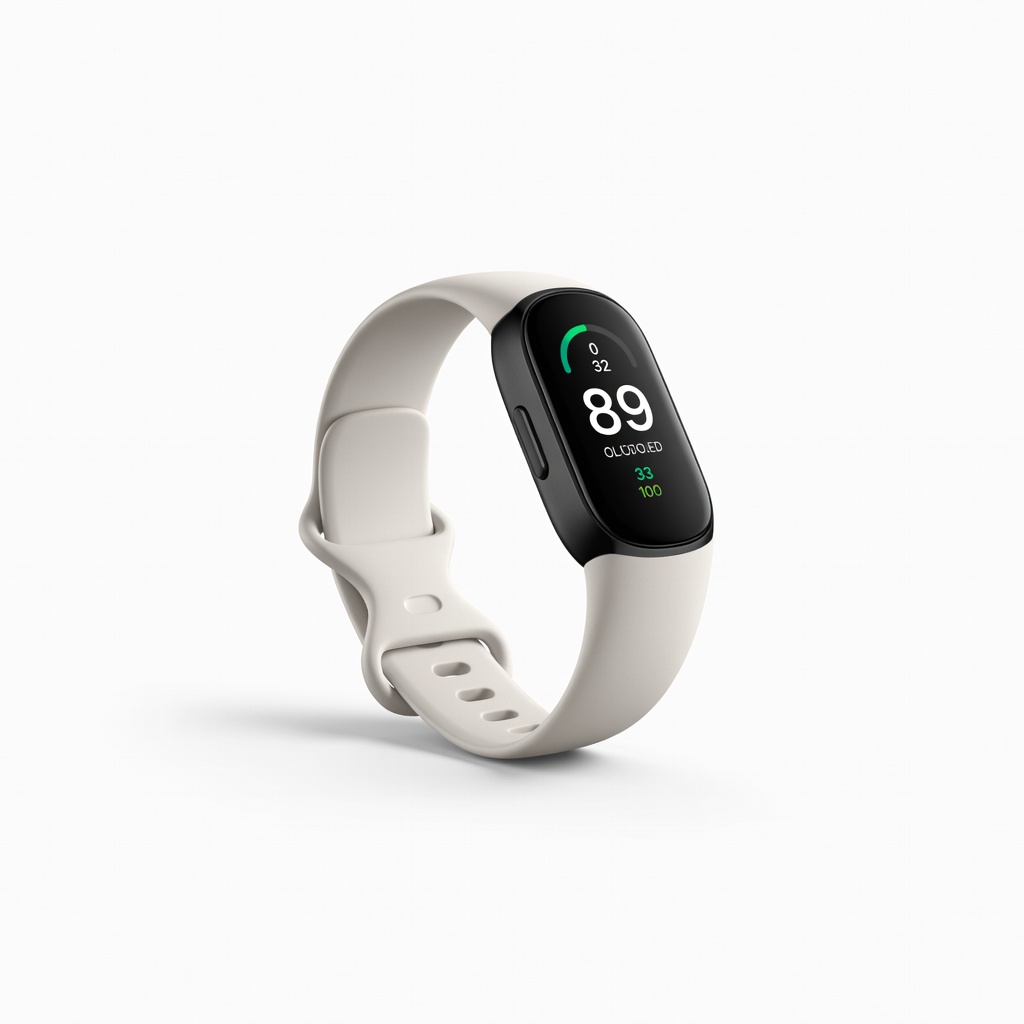
Ensuring 30-min daily walks and 7+ hours sleep.
Fitbit Inspire 3 Fitness Tracker Tracks steps, sleep, and stress to monitor physical health progress.

Morning/evening reflection to assess emotional state.
The 5 Minute Journal Prompted daily entries build gratitude and track burnout symptoms easily.
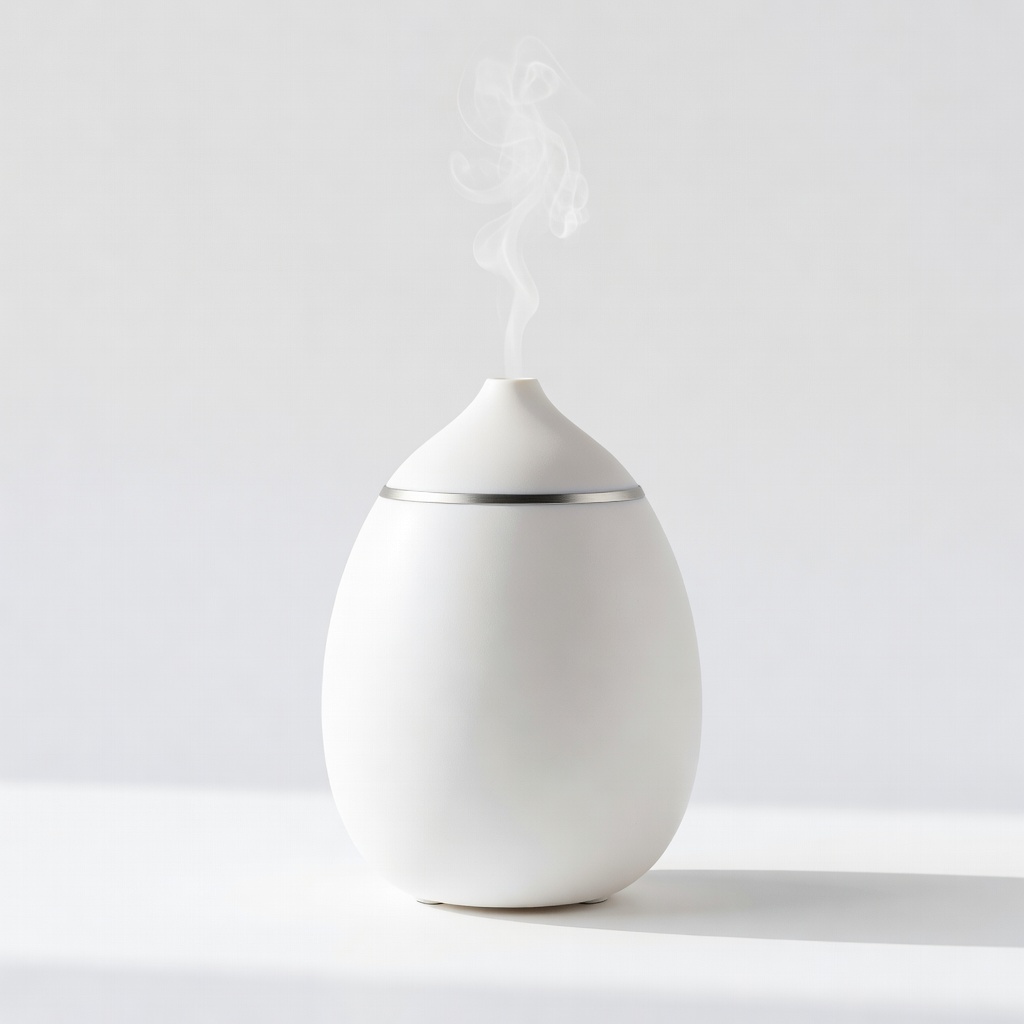
Evening wind-down with lavender oil for better sleep.
VicTsing Essential Oil Diffuser Creates calming aroma environment for self-care routines.

5-min daily tension release during breaks.
TriggerPoint MB Vibe Massage Ball Quick self-massage relieves muscle tension from stress.