
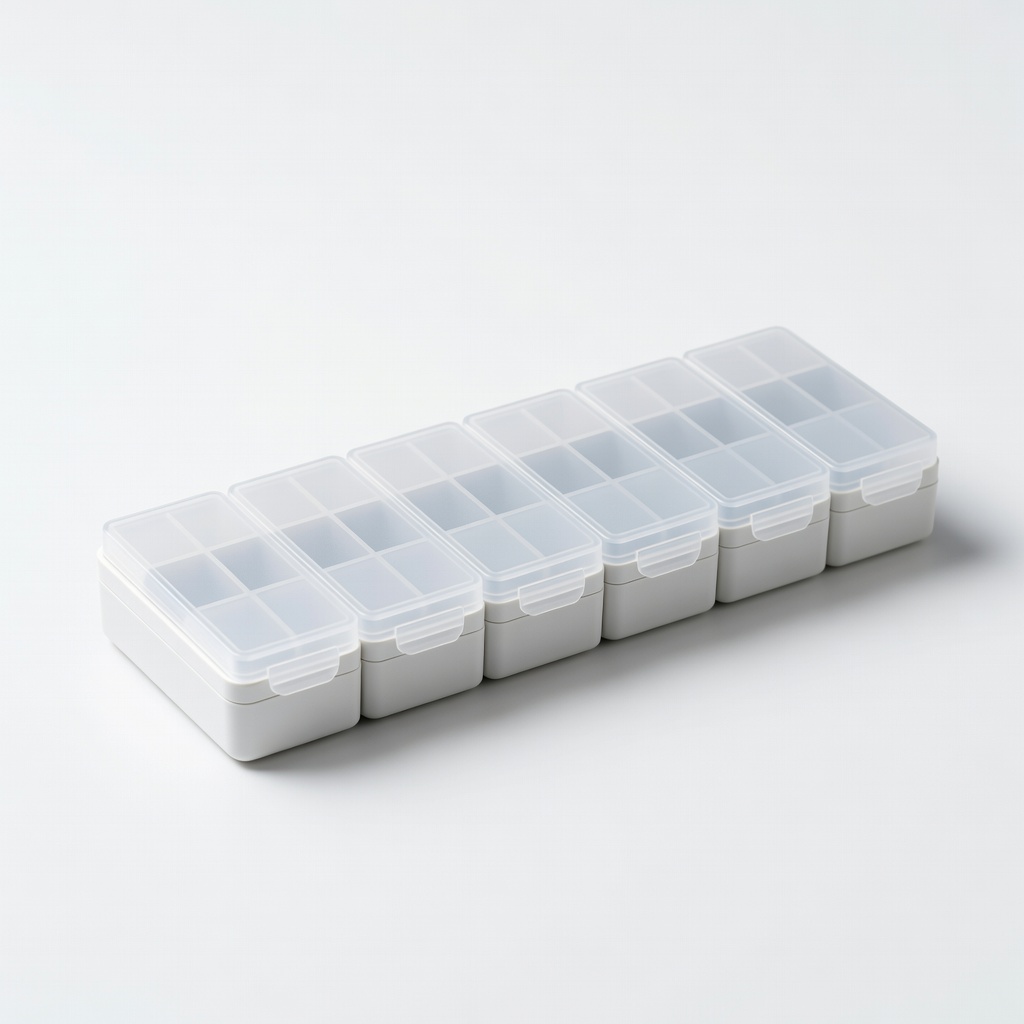
AUVON Weekly Pill Organizer (4 Times a Day)
Organizing Step 4; ideal for beginners managing complex regimens
$9.99
AUVON Weekly Pill Organizer (4 Times a Day) Durable, large compartments prevent mix-ups for multiple daily meds
Get the App
Better experience on mobile
Step-by-step guide to create safe, efficient daily care routines that promote independence and reduce caregiver stress.
Caring for aging parents can feel overwhelming, especially when juggling work, family, and their daily needs. Many adult children face burnout from disorganized routines, leading to missed medications, unsafe homes, or neglected self-care. This guide empowers you to build structured yet flexible daily care plans.
You'll learn to assess needs, create schedules, set up aids, and monitor progress—everything a beginner needs for effective caregiving. Expect initial setup in a few hours, with daily management taking 30-60 minutes. By the end, you'll have smooth routines that keep parents healthy and happy.
No prior experience required; just patience, communication, and a willingness to adapt.
Estimated Time: Initial setup: 2-4 hours; Daily management: 30-60 minutes Difficulty: beginner
Start by observing and documenting your parents' current routines. Spend a day noting what they can do independently (e.g., dressing, eating) versus areas needing help (e.g., bathing, cooking). Use a simple checklist: mobility, memory, strength, and preferences.
This matters because personalized routines prevent frustration and over-assistance. Success looks like a 1-2 page list of strengths, challenges, and goals, like 'Can walk short distances but needs grabber for low items.'
Involve them in discussions to respect dignity.
💡 Tips:
⚠️ Warnings:
Schedule a doctor's visit or call their geriatrician to review needs. Share your assessment and get advice on medications, diet, and mobility aids. Request a care plan outline.
Why? Pros spot issues like fall risks you miss. Expect referrals for PT/OT or equipment. Success: Updated med list and professional sign-off.
Tip: Bring your notes to the appointment.
💡 Tips:
⚠️ Warnings:
Using your assessment, build a timetable: Wake (7AM), breakfast (8AM), meds (9AM), light exercise (10AM), lunch (12PM), nap (2PM), dinner (6PM), bedtime (9PM). Include buffers for variability.
Post it visibly. Why? Structure reduces confusion. Success: Printable schedule they follow 80% independently.
Use color-coding for meds/meals.
💡 Tips:
Sort pills into a weekly organizer by time/day. Set phone reminders. Track intake in a log.
Critical for health—missed doses cause issues. Expect fewer errors after week 1. Success: Zero missed doses.
Review weekly with doc updates.
💡 Tips:
⚠️ Warnings:
Install grab bars in bathroom, non-slip mats, clear pathways. Add night lights and a bedside commode if needed.
Prevents 90% of falls. Test setups. Success: They navigate safely solo.
Measure first for proper fit.
💡 Tips:
Prep easy, balanced meals: oats breakfast, salads lunch, soft proteins dinner. Schedule water reminders (8 glasses/day).
Supports energy/health. Success: Consistent intake without waste.
Involve them in choices.
💡 Tips:
Set bath/shower times with aids; 15-min walks or chair exercises; daily calls/video with family.
Boosts physical/mental health. Success: Routine adherence with smiles.
Adapt for energy levels.
💡 Tips:
Weekly review logs; tweak schedule. Block your recharge time.
Ensures sustainability. Success: Stable health, low stress.
Celebrate wins!
💡 Tips:
⚠️ Warnings:
Problem: Parent resists new routine
Solution: Explain benefits gently, start with one change, offer choices
Problem: Forgetting medications often
Solution: Add multi-sensory reminders (alarm + voice); simplify organizer
Problem: Frequent falls or fatigue
Solution: Call doctor immediately; add PT and mobility aids
Problem: Overwhelmed as caregiver
Solution: Seek respite care or groups; reassess load
Durable, large compartments prevent mix-ups for multiple daily meds
Best for: Organizing Step 4; ideal for beginners managing complex regimens
Price Range: $9.99
Lightweight, 24-inch reach promotes independence without strain
Best for: Home safety and daily tasks in Steps 5 & 7
Price Range: $13.99
Stable, adjustable height for safe bathing without slips
Best for: Hygiene routines in Step 7; essential for mobility issues
Price Range: $49.99
Accurate, app-connected for easy health tracking
Best for: Monitoring in Step 8; daily checks at home
Price Range: $79.99
Structured pages for notes, meds, moods—organizes tracking
Best for: Assessments and monitoring in Steps 1 & 8
Price Range: $6.99
Organizing Step 4; ideal for beginners managing complex regimens
AUVON Weekly Pill Organizer (4 Times a Day) Durable, large compartments prevent mix-ups for multiple daily meds
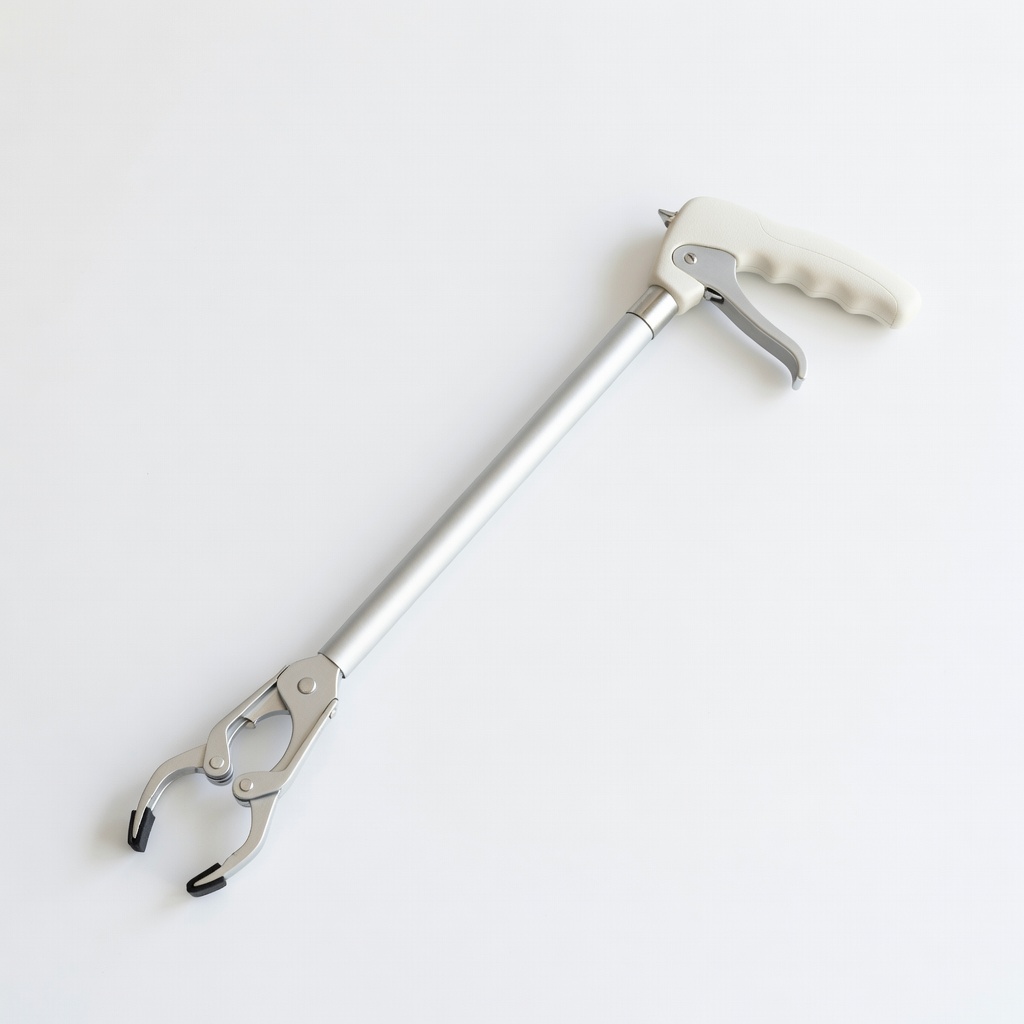
Home safety and daily tasks in Steps 5 & 7
RMS Premium Reaching Assist Tool Grabber Lightweight, 24-inch reach promotes independence without strain
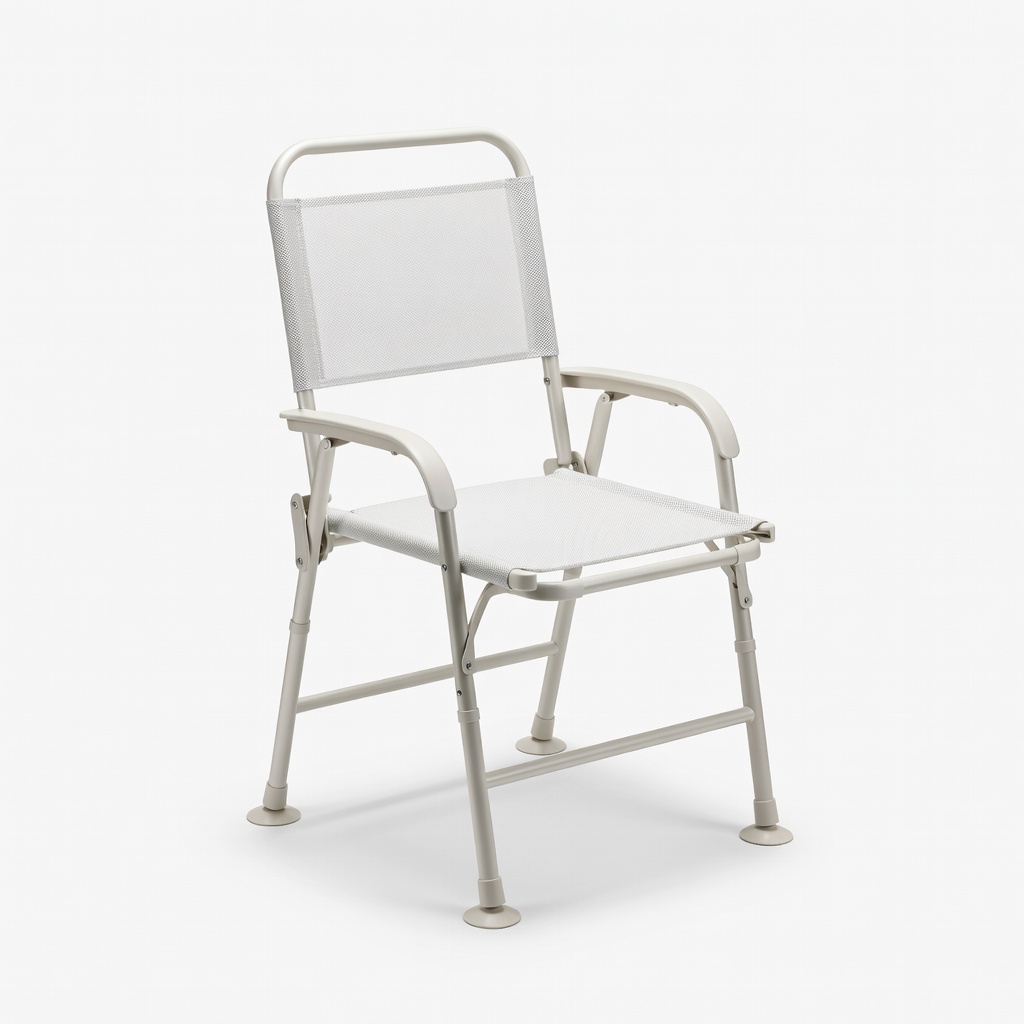
Hygiene routines in Step 7; essential for mobility issues
Vive Folding Shower Chair with Backrest Stable, adjustable height for safe bathing without slips
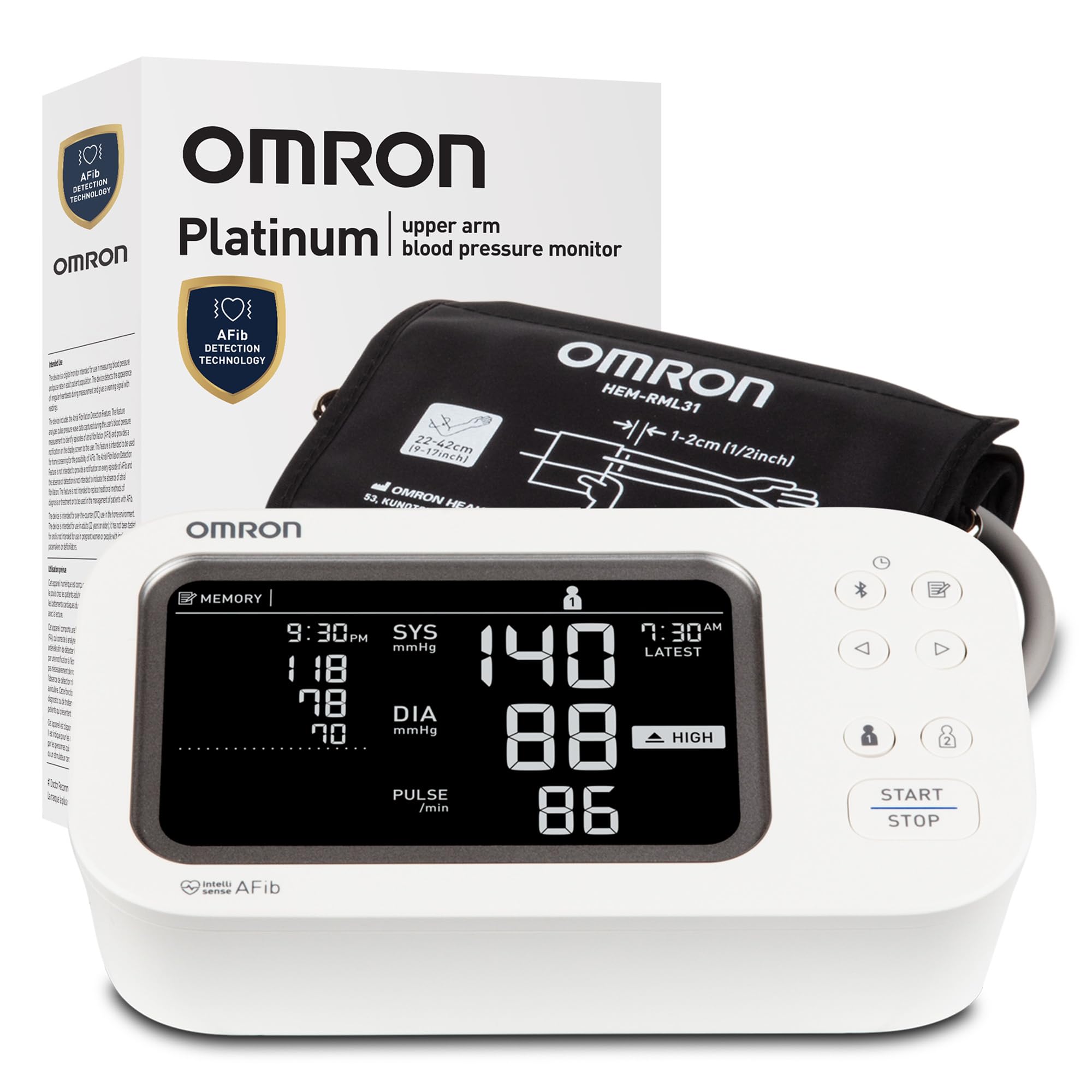
Monitoring in Step 8; daily checks at home
OMRON Platinum Blood Pressure Monitor Accurate, app-connected for easy health tracking
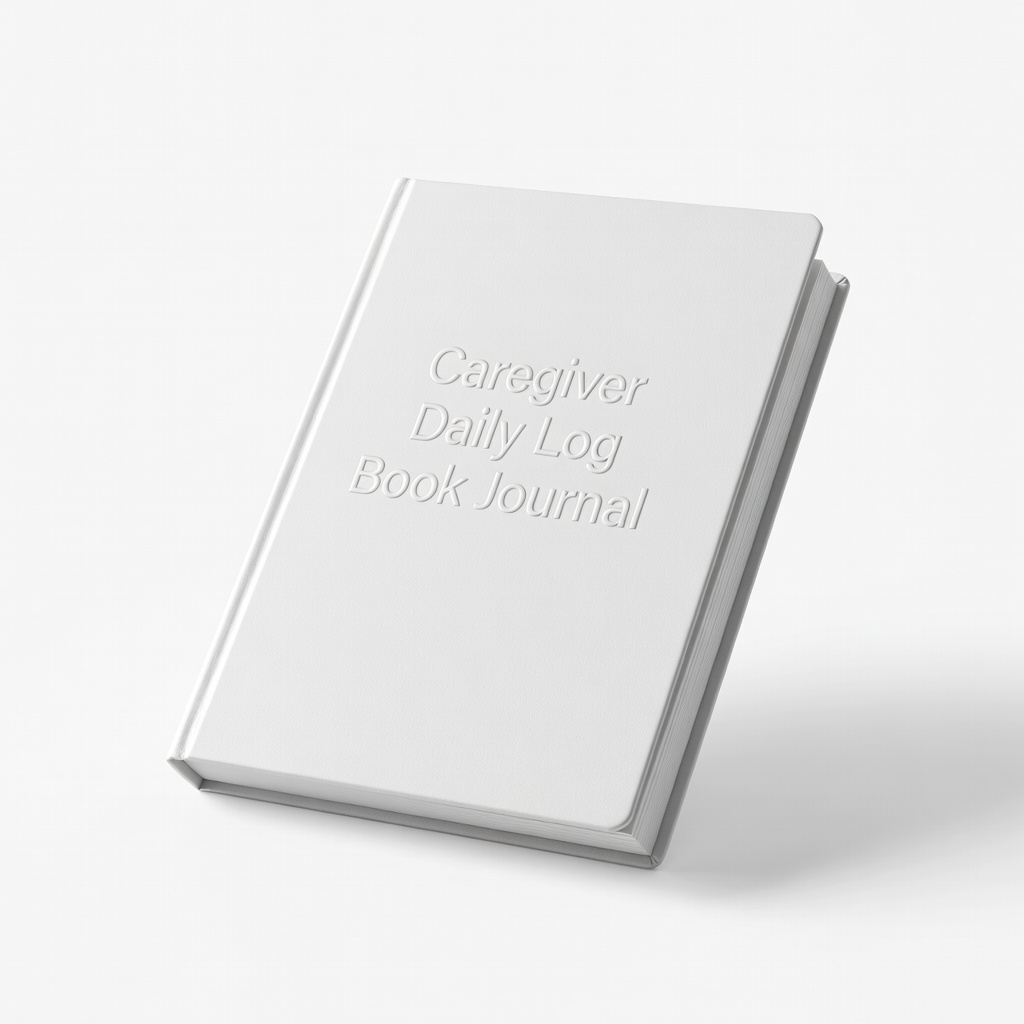
Assessments and monitoring in Steps 1 & 8
Caregiver Daily Log Book Journal Structured pages for notes, meds, moods—organizes tracking