Struggling with lackluster plants despite regular watering and sunlight? Many gardeners face nutrient-depleted soil that leaves crops weak and yields low. Compost tea offers a simple, organic solution: a liquid fertilizer brewed from your own compost that delivers microbes and nutrients directly to plant roots, promoting vigorous growth and healthier ecosystems.
In this guide, you'll learn how to create a basic aerated compost tea that's safe and effective for intermediate gardeners. We'll cover everything from gathering materials to applying the tea, emphasizing why aeration matters for beneficial bacteria. The process is straightforward but requires patience during brewing—no advanced skills needed, just attention to hygiene to avoid pathogens.
Expect about 30 minutes of hands-on time, plus 24-48 hours for brewing. By the end, you'll have a gallon of potent fertilizer ready to revitalize your garden beds or potted plants.
▸What You'll Need
- •1-2 cups of mature, well-aged compost (from your bin or purchased; required for the base)
- •1 gallon of non-chlorinated water (rainwater or dechlorinated tap water; required)
- •5-gallon bucket or large container with lid (required for brewing)
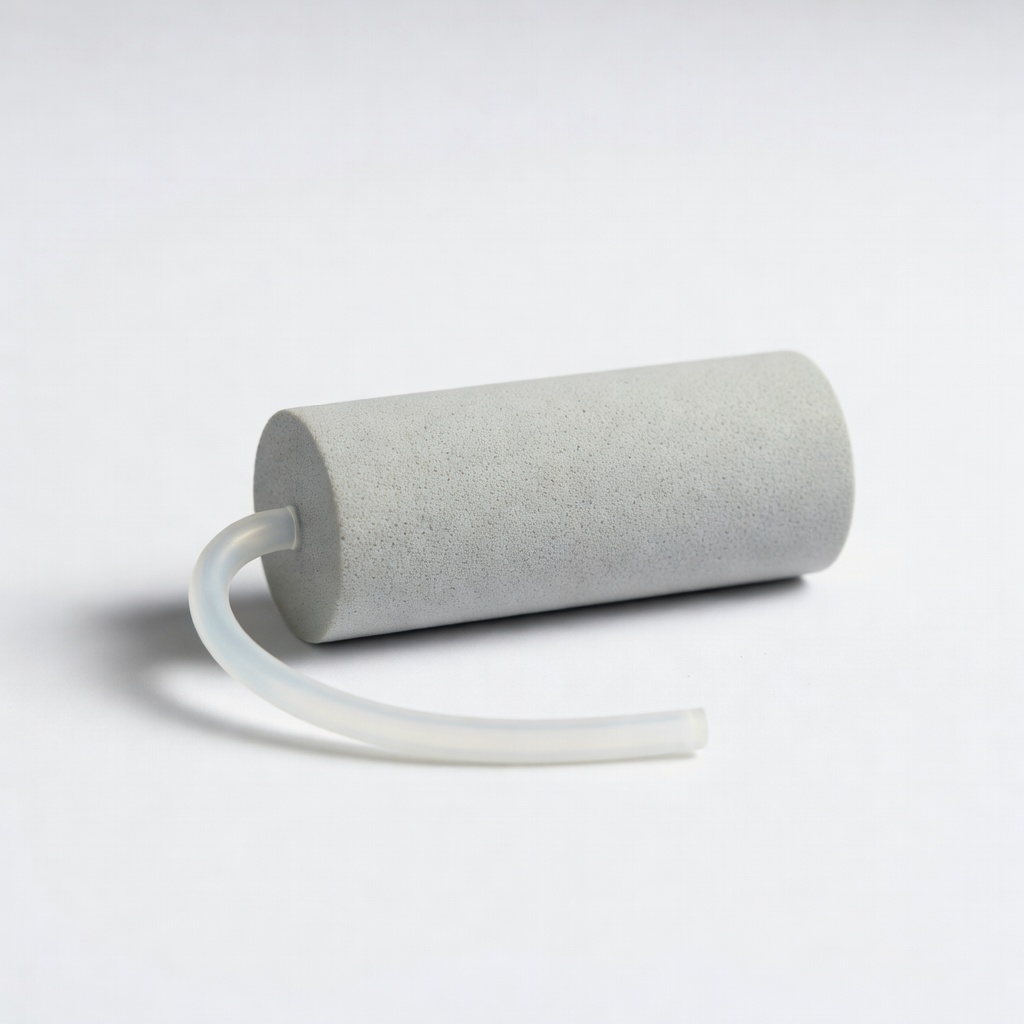
- •Aquarium air pump and tubing with airstone (highly recommended for aeration; optional but improves quality)
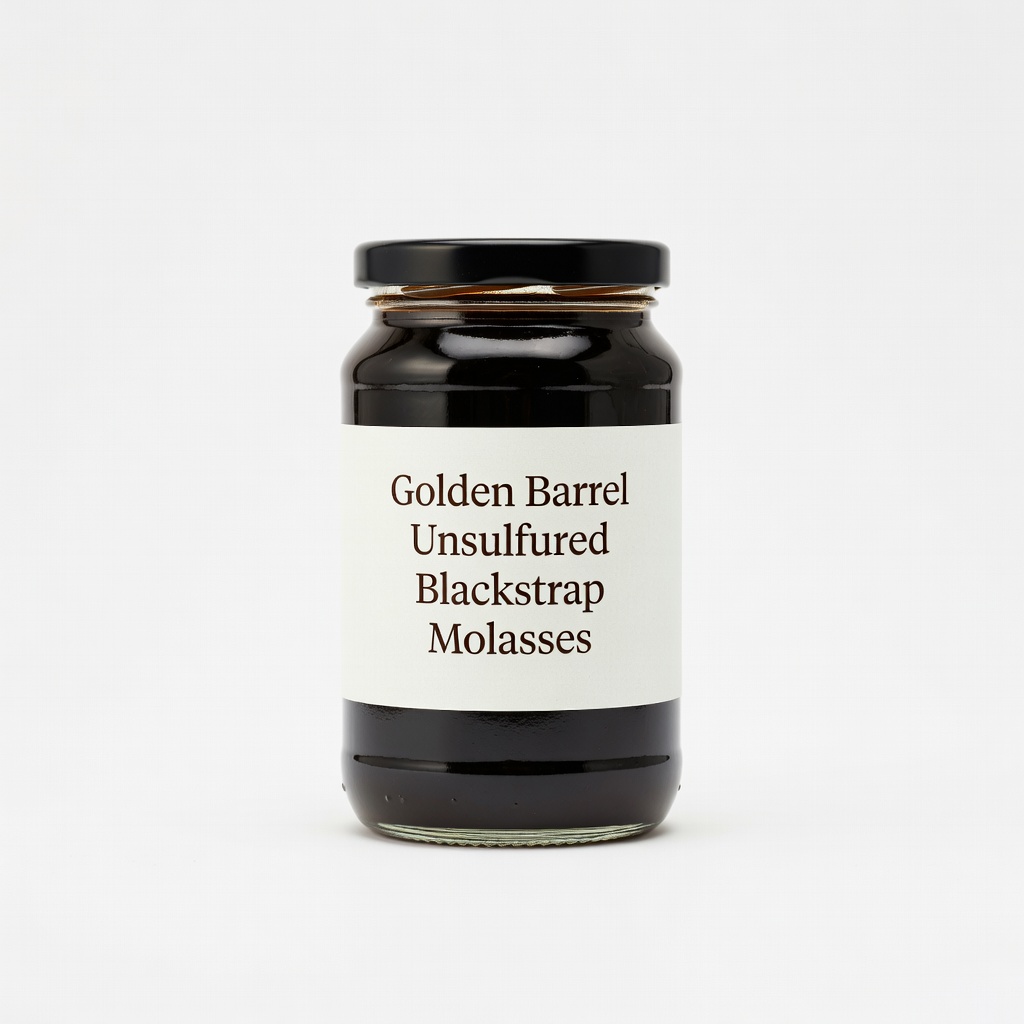
- •1-2 tablespoons unsulfured molasses or sugar (food source for microbes; optional but enhances nutrient extraction)
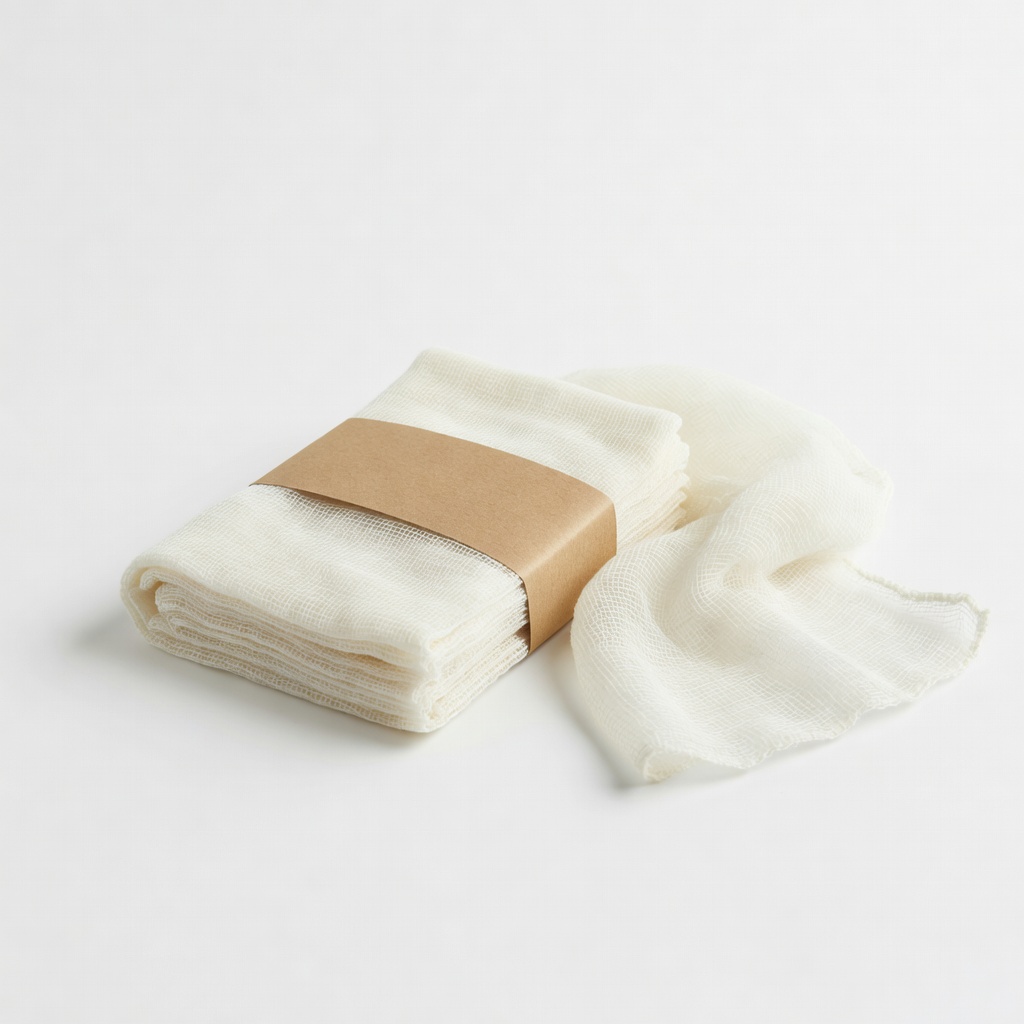
- •Cheesecloth, fine mesh bag, or strainer (for straining; required)
- •Wooden spoon or stick for stirring (required)
- •pH test strips (optional, to check tea's acidity; ideal pH 6.5-7.5)
Estimated Time: 30 minutes active time + 24-48 hours brewing
Difficulty: intermediate
▸Step-by-Step Instructions
Step 1: Gather and Prepare Your Materials
Start by collecting all your tools and ingredients in a clean workspace. Ensure your compost is fully matured—dark, crumbly, and earthy-smelling without a foul odor. This matters because immature compost can introduce harmful pathogens to your tea.
Fill your 5-gallon bucket about halfway with the non-chlorinated water. If using tap water, let it sit overnight to dissipate chlorine, which kills beneficial microbes. Add your 1-2 cups of compost into a mesh bag or directly into the water if you'll strain later.
Success here looks like a setup ready for brewing: water in the bucket, compost added, and aeration equipment nearby. This step sets the foundation for a microbial-rich brew.
💡 Tips:
- •Use rainwater for best results—it's naturally free of chemicals.
- •Wear gloves to keep things sanitary.
⚠️ Warnings:
- •Avoid compost from weed seeds or diseased plants to prevent spreading issues.
Step 2: Add Nutrient Sources and Aerate
Stir in 1-2 tablespoons of unsulfured molasses to feed the bacteria and fungi in the compost. This kickstarts the microbial activity, extracting more nutrients into the liquid.
Connect your aquarium air pump to the tubing and airstone, then submerge the airstone in the bucket. Turn on the pump to bubble oxygen through the mixture—continuous aeration for 24-48 hours is key, as it promotes aerobic (oxygen-loving) beneficial microbes over harmful anaerobes.
Expect bubbles vigorously agitating the water, turning it a light brown tea color. Without aeration, the tea can go anaerobic and smell bad, reducing effectiveness.
💡 Tips:
- •Set a timer for the pump; it should run non-stop during brewing.
- •If no pump, stir vigorously every few hours as a manual alternative.
⚠️ Warnings:
- •Don't skip molasses if possible—it's cheap and boosts potency significantly.
Step 3: Brew the Compost Tea
Cover the bucket loosely to allow oxygen exchange but keep out debris. Let it brew in a shaded, warm spot (ideally 65-75°F) for 24-48 hours. Check periodically: the tea should smell earthy and sweet, like fresh soil after rain.
This brewing time allows microbes to multiply and solubilize nutrients from the compost. Shorter brews (24 hours) suit foliar feeding; longer (48 hours) for soil drench.
Success is a foamy, teabag-like liquid that's opaque brown. If it smells off (rotten eggs), discard and start over—it's gone anaerobic.
💡 Tips:
- •Monitor temperature; warmer speeds brewing but don't exceed 85°F to avoid killing microbes.
- •Test pH midway if you have strips—adjust with a pinch of lime if too acidic.
⚠️ Warnings:
- •Never brew in direct sun; UV light kills microbes.
Step 4: Strain the Finished Tea
Turn off the aerator and let the mixture settle for 10-15 minutes. Pour through cheesecloth or a fine strainer into a clean container, squeezing the solids to extract every drop.
This removes large particles, leaving a smooth liquid full of solubles and microbes. The strained solids can go back to your compost pile.
You should end up with about a gallon of strained, bubbly tea ready for dilution and use. It looks like weak iced tea and feels alive with tiny bubbles.
💡 Tips:
- •Double-strain for ultra-fine tea if spraying on leaves.
- •Compost the remnants immediately to avoid attracting pests.
⚠️ Warnings:
- •Use immediately or refrigerate for up to 48 hours; don't store long-term as microbes die off.
Step 5: Dilute and Apply to Your Garden
Dilute the tea 1:10 with water (1 part tea to 10 parts water) for soil application or 1:20 for foliar spray. Use within hours for maximum benefit.
Apply as a soil drench around plant bases or spray on leaves early morning or evening. This delivers nutrients and boosts soil biology, leading to greener leaves and stronger roots within a week.
Success: Plants perk up with increased vigor. Reapply every 2-4 weeks during growing season.
💡 Tips:
- •Water plants first to avoid burning roots with concentrated tea.
- •For potted plants, use full strength sparingly.
⚠️ Warnings:
- •Don't apply in extreme heat; it can stress plants.
▸Pro Tips
- •Source compost from a hot-composted pile for the richest microbes.
- •Add a handful of forest soil or worm castings to introduce diverse bacteria.
- •Brew in batches weekly to maintain a steady supply without daily effort.
- •Label your brewing bucket to avoid confusing it with other garden mixes.
- •Experiment with additives like kelp meal for trace minerals once comfortable.
- •Track plant responses in a journal to refine your recipe over seasons.
- •Use solar-powered aerators for eco-friendly, off-grid brewing.
▸Common Mistakes to Avoid
- •Using chlorinated water, which kills microbes—always dechlorinate first.
- •Brewing too long without aeration, leading to foul-smelling anaerobic tea—stick to 48 hours max with bubbles.
- •Applying undiluted tea, which can overload plants with nutrients—always dilute as directed.
- •Skipping straining, clogging sprayers or introducing debris to soil.
- •Using fresh compost, harboring pathogens—wait for full decomposition.
▸Troubleshooting
Problem: Tea smells rotten or like ammonia.
Solution: It's anaerobic; discard the batch, clean equipment, and ensure constant aeration next time. Start with fresher compost.
Problem: No bubbles or foam after 24 hours.
Solution: Check air pump functionality or increase temperature. Add more molasses to jumpstart microbes.
Problem: Plants show wilting after application.
Solution: Likely over-dilution issue or heat stress; test on one plant first and apply in cooler conditions. If persists, check soil pH.
Problem: Tea separates or loses potency overnight.
Solution: Use fresh; refrigeration helps but don't exceed 48 hours. Brew smaller batches for immediate use.
Tetra Whisper 10 Aquarium Air Pump
Essential for aerating the brew, ensuring oxygen-loving microbes thrive for a potent fertilizer.
Best for: Connect to tubing and airstone during the 24-48 hour brewing phase to prevent anaerobic conditions.
Price Range: $10-$15
Golden Barrel Unsulfured Blackstrap Molasses
Provides a natural sugar source that feeds beneficial bacteria, enhancing nutrient extraction from compost.
Best for: Add 1-2 tablespoons per gallon at the start of brewing to boost microbial activity.
Price Range: $10-$15
Hydrofarm Active Aqua Air Stone
Creates fine bubbles for efficient oxygenation, improving tea quality over basic diffusers.
Best for: Submerge in the bucket with air pump tubing for continuous aeration during brewing.
Price Range: $5-$8
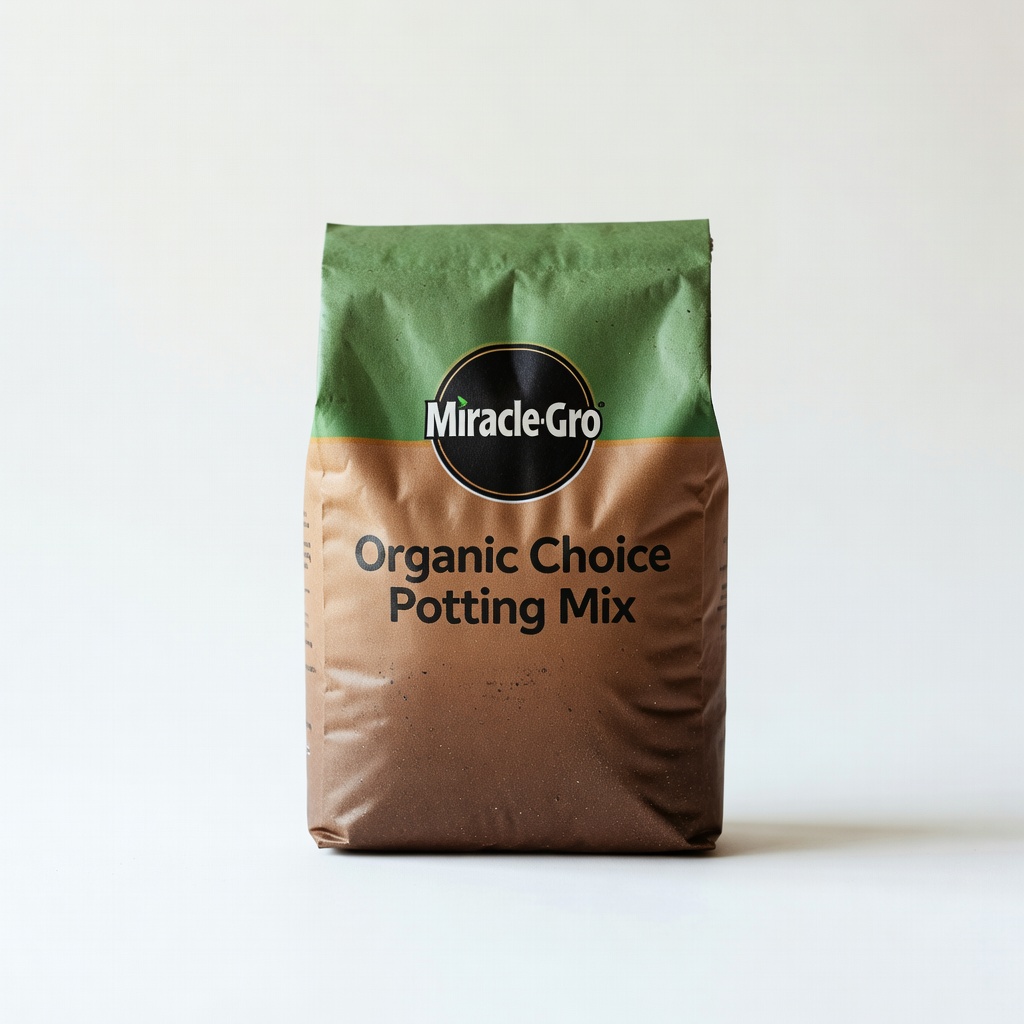
Miracle-Gro Organic Choice Potting Mix (for compost base if needed)
High-quality, worm-cast enriched mix to start or supplement your compost if home supply is low.
Best for: Use as a compost alternative or additive when making small batches for indoor plants.
Price Range: $10-$20
Emsdetten Cheesecloth for Straining
Durable, reusable fabric that's finer than basic strainers, capturing more solids for clearer tea.
Best for: Line your strainer or use as a bag for compost during brewing and final pour.
Price Range: $8-$12